
Expert Support
Available 24/7 via chat
Available 24/7 via chat
Chikoo, known locally as sapota or chiku, is one of India's most beloved fruit trees. With its sweet, creamy flesh and easy-growing nature, it's perfect for home gardeners across the country. If you've been considering growing this tropical fruit but weren't sure where to start, this guide will walk you through everything you need to know to cultivate a healthy, productive chikoo plant in your garden or on your balcony.
Chikoo (Manilkara zapota), commonly called sapodilla or chiku, is native to tropical regions but thrives beautifully in Indian climates. The grafted varieties available from nurseries like Nurserylive are particularly valuable because they fruit much earlier than seed-grown plants—often within 2–3 years—and produce consistent, quality fruit. Your chikoo plant arrives at approximately 30 inches (76 cm) tall with a compact spread, making it suitable for gardens of any size, from sprawling farms to small balconies. One of the best features of this variety is its ability to produce fruit year-round, giving you a continuous supply of fresh chikoos from your own home.
| Care Factor | Requirement |
|---|---|
| Light | Part shade to full shade |
| Water | Medium (regular watering) |
| Soil | Well-drained soil |
| Temperature | 12 to 36°C |
Chikoo is remarkably flexible when it comes to light. While it grows best in part shade to full shade conditions, it adapts well to various light levels across India's diverse climate zones. In northern and central India, where summers can be intense, partial shade helps protect the plant from excessive heat stress and prevents leaf scorch. In coastal regions with diffused sunlight, your chikoo will thrive with consistent, dappled light. Even if your balcony or garden corner doesn't get direct sun for 6–8 hours daily, chikoo will still fruit reliably—this makes it ideal for apartment dwellers and those with limited sunny space.
Chikoo requires medium watering, which means consistent moisture without waterlogging. During the growing season (spring and summer), water your plant deeply once or twice a week, depending on your local climate and soil drainage. In monsoon months, reduce watering frequency significantly because the soil retains more moisture; overwatering during monsoons is a common cause of root rot. During winter, especially in cooler regions where temperatures dip toward 12°C, water less frequently. A practical tip: stick your finger 2 inches into the soil. If it feels dry, water thoroughly until it drains from the pot's base. If it still feels moist, wait another day or two. This approach works across all seasons and all of India's climate zones.
Well-drained soil is essential for chikoo's health. If you're growing in a pot, use a mix of garden soil, sand, and compost (in equal parts) to ensure water doesn't accumulate around the roots. For ground planting, ensure your soil isn't clay-heavy; amend it with sand and organic matter if necessary. Chikoo responds beautifully to organic fertilizers. Apply any organic fertilizer—such as well-composted cow manure, kitchen compost, or neem cake—once every 4–6 weeks during the growing season. In India's hard water regions, organic fertilization is especially beneficial because it helps maintain soil pH and reduces salt accumulation. You can also mulch around the base with dried leaves or coconut coir to retain moisture and improve soil structure over time.
One of chikoo's greatest strengths is its temperature tolerance. Your plant thrives between 12 and 36°C, making it suitable for cultivation across nearly all of India—from the foothills at cooler elevations to the scorching plains. This wide range means chikoo adapts to northern winters, coastal humidity, and Deccan plateau heat equally well. Humidity isn't a major concern; chikoo is quite adaptable. During extremely dry spells, occasional misting of leaves can help, but it's not essential. The plant is particularly valuable in regions with extreme seasonal variations because it handles both cool winters and hot summers without complaint.
While grafted saplings like yours are the best option for home gardeners (they fruit faster), you can propagate chikoo from seeds extracted from mature fruit. Air layering is another method used by enthusiasts. However, most gardeners prefer purchasing grafted plants because seed-grown trees take 5–7 years to fruit, whereas grafted varieties fruit in 2–3 years. If you do propagate from seed, use fresh seeds, plant them in moist coconut coir or seed compost, and keep the pot in warm, humid conditions. It's best to leave propagation to the nursery and enjoy your head start with a grafted plant.
Chikoo is generally robust, but watch for a few issues. Root rot: This occurs with waterlogging, particularly during monsoon. Ensure your soil drains well and reduce watering frequency when rains are heavy. Fruit drop: Occasional fruit drop is normal, but excessive drop can indicate inconsistent watering or temperature stress. Maintain regular watering and protect young fruit from extreme heat. Pests: Scale insects and mealybugs occasionally appear. Spray with neem oil solution (5% neem oil in water) every 10–15 days if you notice sticky residue or webbing on leaves. Leaf yellowing: Deficiency symptoms are rare with organic feeding but can occur if watering is sporadic. Consistent care prevents most problems.
Ready to grow your own? Shop Chikoo at Nurserylive →
Chikoo, Sapota, Chiku Fruit (Grafted) - Plant The Chikoo, also known as Sapota or Chiku, is a tropical fruit native to Central America and...
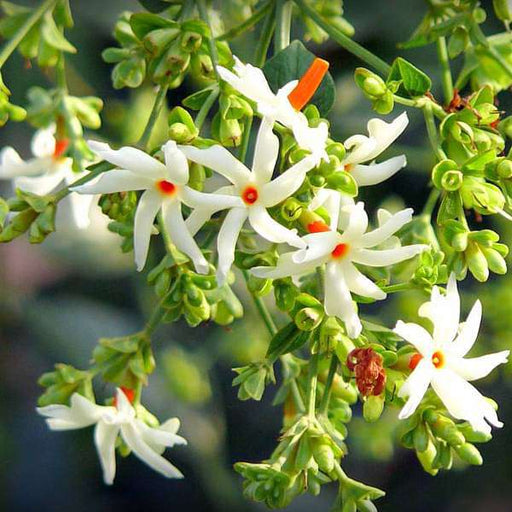
View full detailsCombo Constituents Includes the Parijat Tree (Night-Flowering Jasmine), a culturally significant plant with fragrant flowers. Description The Pari...
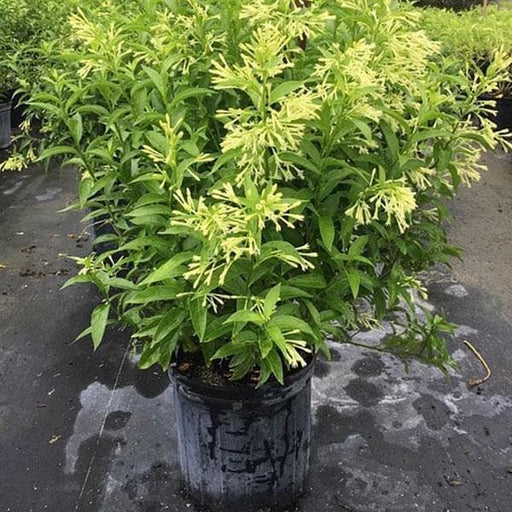
View full detailsDescription Raat Ki Rani (*Cestrum nocturnum*), also known as Night Blooming Jasmine, is a fragrant shrub native to the Caribbean and Central Ameri...
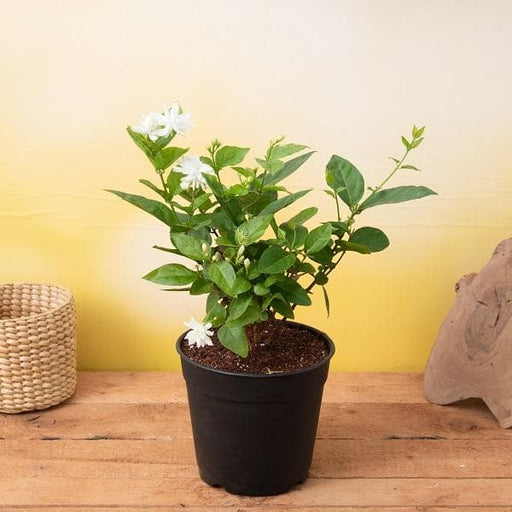
View full detailsJasminum sambac, Mogra, Arabian Jasmine - Plant Jasminum sambac, commonly known as Mogra or Arabian Jasmine, is a fragrant flowering plant...
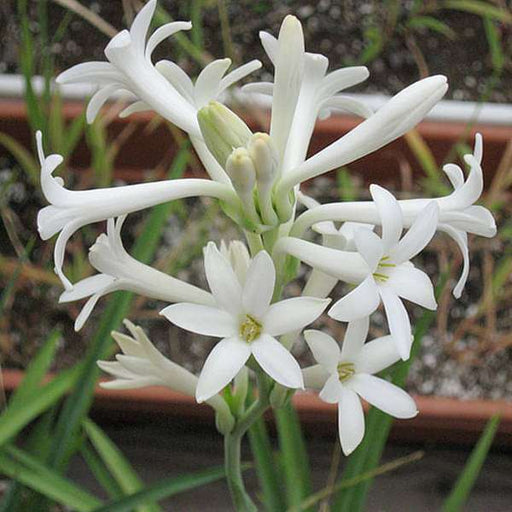
View full detailsRajnigandha, Tuberose - Plant The Rajnigandha, scientifically known as Polianthes tuberosa, is a captivating perennial plant renowned for ...
View full detailsCitronella, Odomas - Plant The Citronella plant, scientifically known as Cymbopogon nardus, is a tropical grass renowned for its aromatic ...
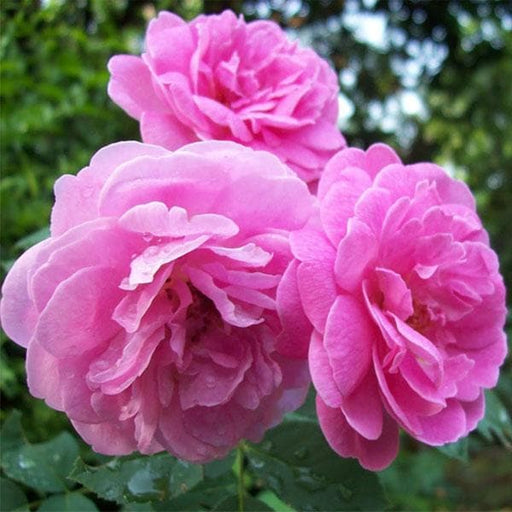
View full detailsDamascus Rose, Scented Rose (Any Color) - Plant The Damascus Rose, also known as Rosa damascena, is a timeless symbol of beauty and romanc...
View full detailsMiniature Rose, Button Rose (Any Color) - Plant The Miniature Rose, also known as the Button Rose, is a charming and compact flowering plant that ...
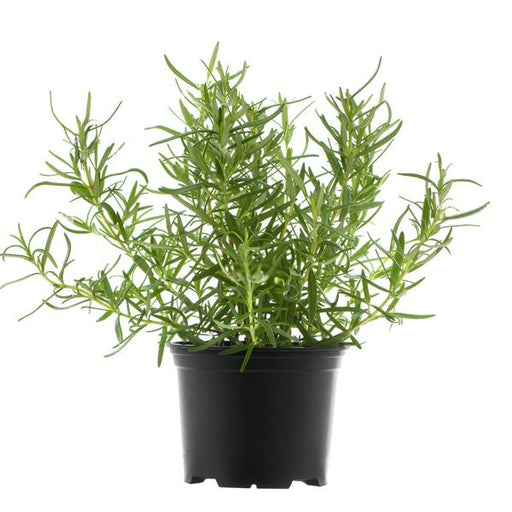
View full detailsRosemary - Plant Rosemary (Rosmarinus officinalis) is a fragrant evergreen herb native to the Mediterranean region. Known for its needle-like leav...
View full detailsMadhumalti Dwarf, Rangoon Creeper - Plant The Madhumalti Dwarf, also known as the Rangoon Creeper (Quisqualis indica), is a stunning perennial vin...
View full detailsBest 6 Plants for Perfect Indoor Garden Transform your living space into a lush oasis with our curated collection of the Best 6 Plants for a...
View full detailsBest 6 Plants for Perfect Indoor Garden Transform your living space into a lush oasis with our curated collection of the Best 6 Plants for a...
View full detailsMini Succulent Garden Pack Transform your space with our Mini Succulent Garden Pack, featuring a delightful collection of 4 any variety beautiful s...
View full details5 Best Fragrant Plants Transform your garden or indoor space into a fragrant paradise with our curated selection of the 5 Best Fragrant Plants. Th...
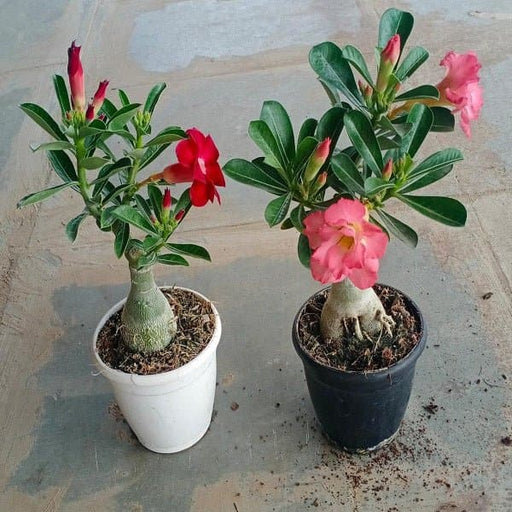
View full detailsSet of 2 Bonsai Looking Grafted Adeniums Transform your indoor or outdoor space with our exquisite Set of 2 Bonsai Looking Grafted Adenium...
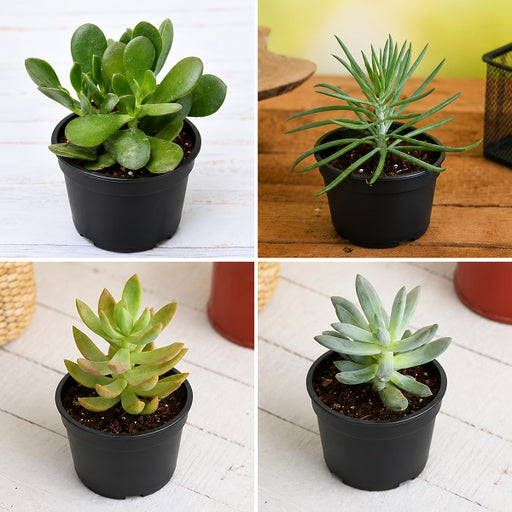
View full detailsTop 4 Die Hard Succulents Pack Note: Plants included in this pack will be delivered in a 3-inch nursery pot (any color). Transform your indoor or ...
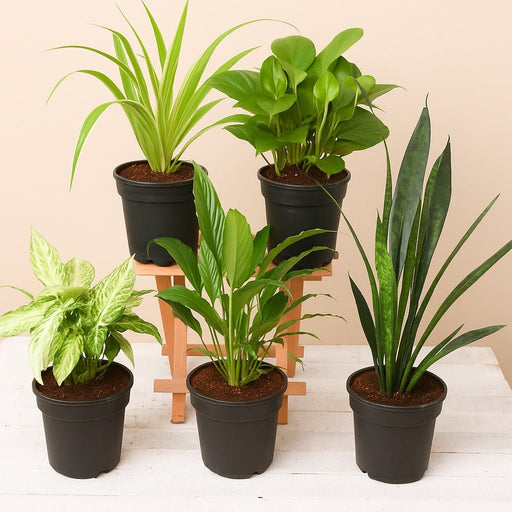
View full details5 Best Indoor Plants Pack Transform your living space into a lush oasis with our '5 Best Indoor Plants Pack.' This carefully curated collection fe...
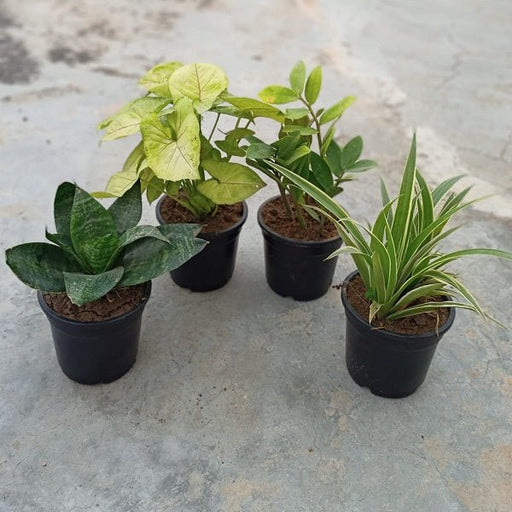
View full detailsSet of 4 Evergreen Air Purifier Plant Pack Transform your indoor space into a lush, green oasis with our Set of 4 Evergreen Air Purifier Pla...
View full detailsTop 5 Pollution Killer Plants Pack Transform your living space into a breath of fresh air with our 'Top 5 Pollution Killer Plants Pack'. This care...
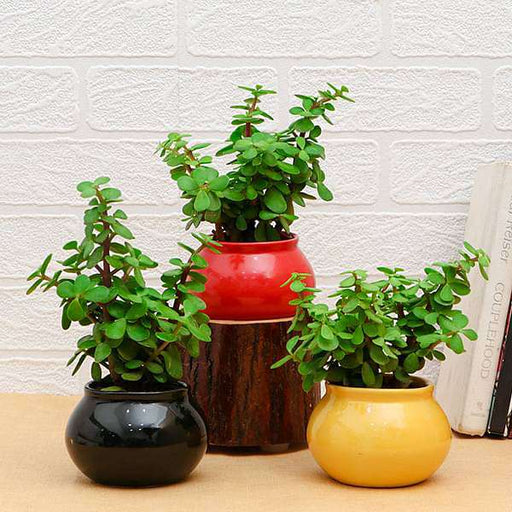
View full detailsPack of 3 Good Luck Jade Plants in Ceramic Pots Bring a touch of nature into your home with our Pack of 3 Good Luck Jade Plants, featuring...
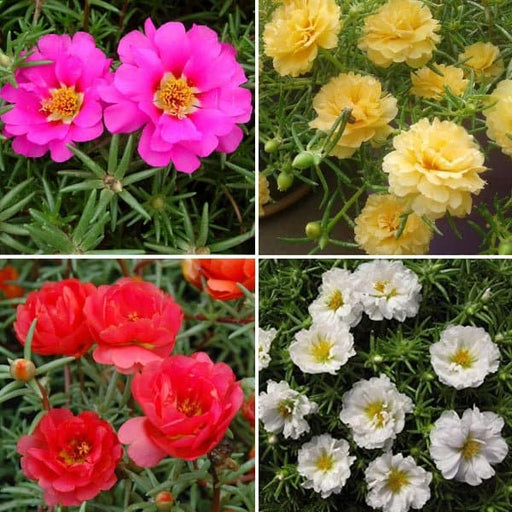
View full detailsPortulaca Garden Pack (4 Plants + 4 Black Pots) Note- You will get any color (Assorted) potted Porulaca plant with this pack. Transform your garde...
View full details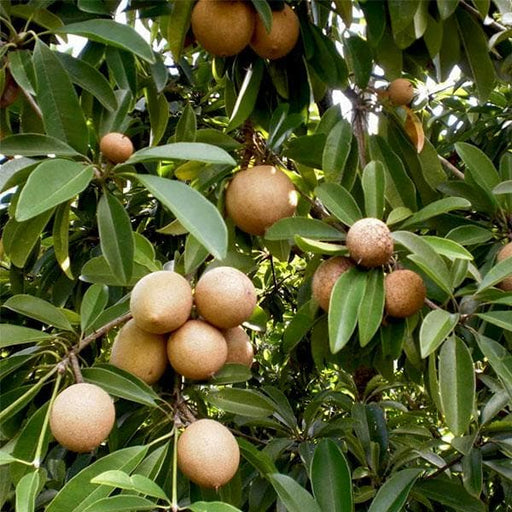






Leave a comment