
Expert Support
Available 24/7 via chat
Available 24/7 via chat
Dieffenbachia Maculata, commonly known as Dumb Cane or Leopard Lily, is one of the most forgiving houseplants for Indian gardeners. With its distinctive cream-spotted green leaves, this plant brings year-round foliage interest to any indoor space. Whether you're a beginner looking for your first indoor plant or an experienced gardener expanding your collection, Dieffenbachia Maculata adapts beautifully to indoor pots and low-light conditions. Its low-maintenance nature and striking appearance make it a favorite for offices, bedrooms, and living rooms across India.
Dieffenbachia Maculata is a tropical evergreen plant native to Central and South America but has become a beloved houseplant globally. At Nurserylive, our specimen arrives at 18 inches (46 cm) tall with a 6-inch spread, and can eventually reach up to 1.5 meters with proper care. The plant's most striking feature is its leopard-spotted foliage—deep green leaves with cream or white patches that create a naturally variegated look. While these plants rarely flower indoors, when they do, they produce small white spathes, adding another layer of interest to an already gorgeous plant.
| Care Factor | Requirement |
|---|---|
| Light | Indirect bright light or artificial bright light |
| Water | Water when topsoil 1–2 inches feels dry to touch |
| Soil | Well-drained, fertile, rich in organic content |
| Temperature | 18–23°C (ideal range; tolerates slightly warmer) |
Dieffenbachia Maculata thrives in indirect bright light, making it ideal for Indian homes where you can position it near a north or east-facing window. The spotted foliage actually maintains its variegation better in bright, indirect conditions—too little light may cause the cream patches to fade, while direct harsh afternoon sun can scorch the delicate leaves. If your home lacks bright windows, no worry: this plant is remarkably tolerant of low-light conditions and will grow well under artificial bright light, such as LED grow lights or even standard indoor lighting in a well-lit room. For apartments in Indian cities where window space is limited, Dieffenbachia Maculata is one of the few houseplants that won't sulk in your interior corners.
Overwatering is the most common mistake with Dieffenbachia, so adopt a simple check-before-you-water approach. Poke your finger or a small stick into the soil and check the topsoil 1–2 inches below the surface. Water thoroughly only when this topsoil feels dry to touch. In India's hot months (March to June), this might mean watering 2–3 times per week, while during monsoon and winter, once weekly or even less may suffice. During the monsoon season, be extra cautious—standing water and high humidity can lead to root rot, so ensure your pot has drainage holes and let excess water drain completely. Hard water is common in many Indian regions; if possible, use filtered or collected rainwater to prevent mineral buildup on leaves. Always water at the base of the plant and avoid wetting the foliage, which can invite fungal issues in humid conditions.
Your Dieffenbachia Maculata needs soil that is well-draining yet nutrient-rich. Use a potting mix that combines regular garden soil with peat moss or coco peat and perlite or coarse sand to ensure water doesn't pool around the roots. The soil should be fertile and rich in organic content—add composted leaf matter or aged compost when potting or repotting. Feed your plant with organic fertilizers every 3–4 weeks during the growing season (March to September). A dilute liquid seaweed extract, vermicompost tea, or commercial organic liquid fertilizer works well. Stop fertilizing during the cooler months (October to February) when growth slows naturally. Overfertilizing can lead to salt accumulation in the soil, especially if using tap water with high mineral content, so it's always safer to feed less frequently than to risk nutrient burn.
The ideal temperature range for Dieffenbachia Maculata is 18–23°C, which is cooler than what most of India experiences during summer months. However, this plant is more resilient than the numbers suggest and will tolerate warmer temperatures—up to 28–30°C—as long as humidity is adequate and the air is not too dry. During India's intensely hot season, place your plant away from direct air-conditioning vents and move it away from windows that bake in afternoon sun. Humidity is important: this tropical plant prefers 50–60% humidity. In air-conditioned Indian homes, this can be a challenge. Mist the leaves every few days or place the pot on a pebble tray filled with water (keeping the pot base above water level) to increase surrounding humidity. During monsoon, natural humidity will be high, so reduce misting to avoid fungal problems.
Propagating Dieffenbachia Maculata is straightforward and rewarding. The easiest method is stem cuttings: select a healthy stem with 2–3 leaves and a node (the slight bump where leaves attach), cut it cleanly with sterile scissors, and place the cutting in moist, well-draining potting soil or a glass of water. Keep the cutting in bright, indirect light and change the water every 3–4 days if using the water method. Roots typically appear within 2–3 weeks. Once roots are visible (about 1 inch long), pot the cutting into soil. Another method is air layering: wrap a section of the stem with moist sphagnum moss and plastic wrap, keep it moist, and once roots develop within the moss ball, cut below and pot the new plant. Spring and early summer are the best times to propagate when the plant is actively growing.
Yellowing Leaves: Usually indicates overwatering or poor drainage. Reduce watering frequency and ensure your pot has drainage holes. Check for root rot by gently removing the plant from its pot; healthy roots are white or light tan, while rotted roots are brown and mushy.
Brown Tips and Leaf Edges: Often caused by low humidity, hard tap water minerals, or fluoride in water. Mist regularly, use filtered water, and ensure good air circulation around the plant.
Pale Variegation: If the cream spots fade and the plant looks dull, it's likely not getting enough bright light. Move it closer to a window or provide supplemental lighting.
Pests: Spider mites and mealybugs occasionally attack Dieffenbachia indoors, especially in dry conditions. Inspect the undersides of leaves regularly. If you spot pests, spray the affected plant with a dilute neem oil solution or insecticidal soap, following product directions.
Note on Toxicity: All parts of Dieffenbachia Maculata contain oxalate crystals, which can cause mouth irritation and swelling if ingested. Keep the plant away from children and pets, and wash hands after handling. This is why it's nicknamed "Dumb Cane"—the plant causes temporary speechlessness in animals that chew it.
Ready to grow your own? Shop Dieffenbachia Maculata at Nurserylive →
Dieffenbachia Maculata - The Stunning Dumb Cane Plant Dieffenbachia Maculata, commonly known as Dumb Cane, is a striking tropical plant re...
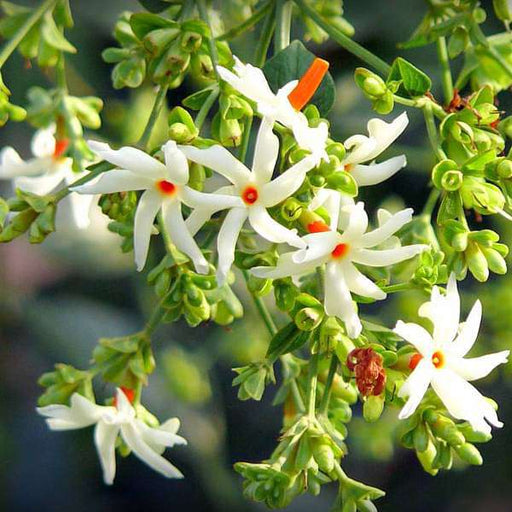
View full detailsCombo Constituents Includes the Parijat Tree (Night-Flowering Jasmine), a culturally significant plant with fragrant flowers. Description The Pari...
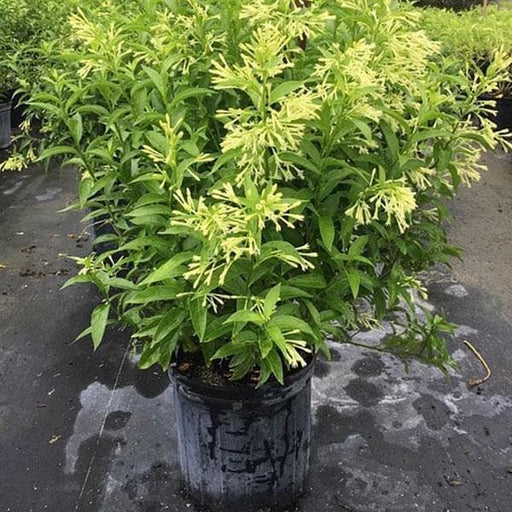
View full detailsDescription Raat Ki Rani (*Cestrum nocturnum*), also known as Night Blooming Jasmine, is a fragrant shrub native to the Caribbean and Central Ameri...
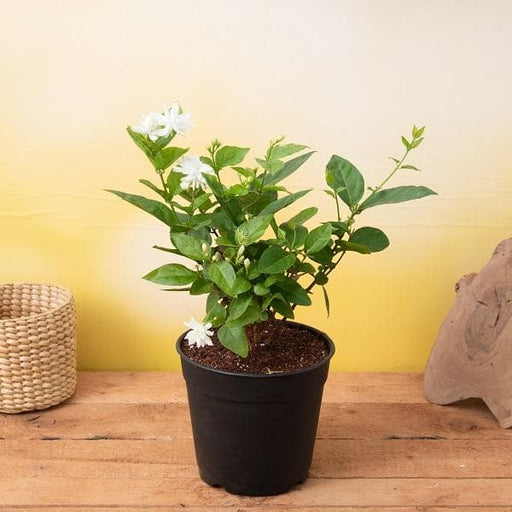
View full detailsJasminum sambac, Mogra, Arabian Jasmine - Plant Jasminum sambac, commonly known as Mogra or Arabian Jasmine, is a fragrant flowering plant...
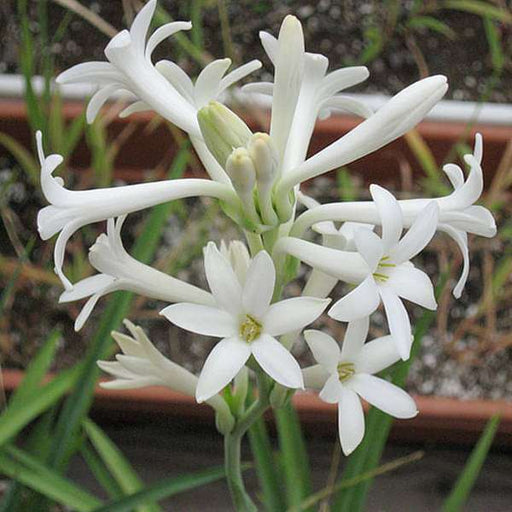
View full detailsRajnigandha, Tuberose - Plant The Rajnigandha, scientifically known as Polianthes tuberosa, is a captivating perennial plant renowned for ...
View full detailsCitronella, Odomas - Plant The Citronella plant, scientifically known as Cymbopogon nardus, is a tropical grass renowned for its aromatic ...
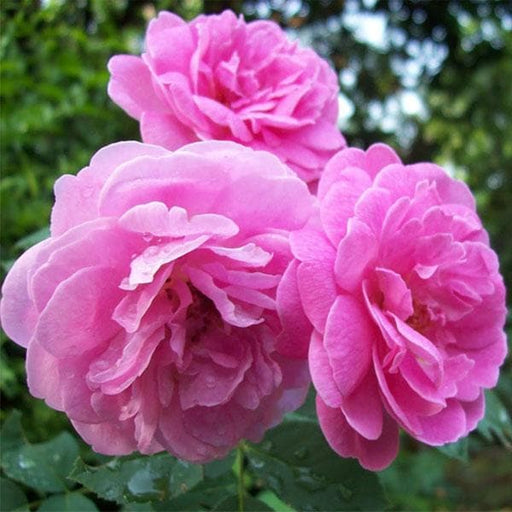
View full detailsDamascus Rose, Scented Rose (Any Color) - Plant The Damascus Rose, also known as Rosa damascena, is a timeless symbol of beauty and romanc...
View full detailsMiniature Rose, Button Rose (Any Color) - Plant The Miniature Rose, also known as the Button Rose, is a charming and compact flowering plant that ...
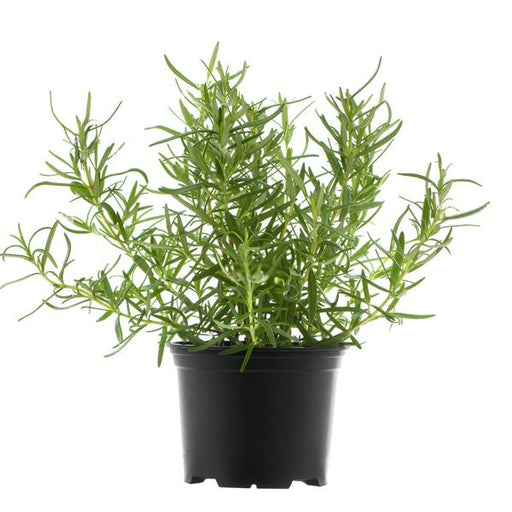
View full detailsRosemary - Plant Rosemary (Rosmarinus officinalis) is a fragrant evergreen herb native to the Mediterranean region. Known for its needle-like leav...
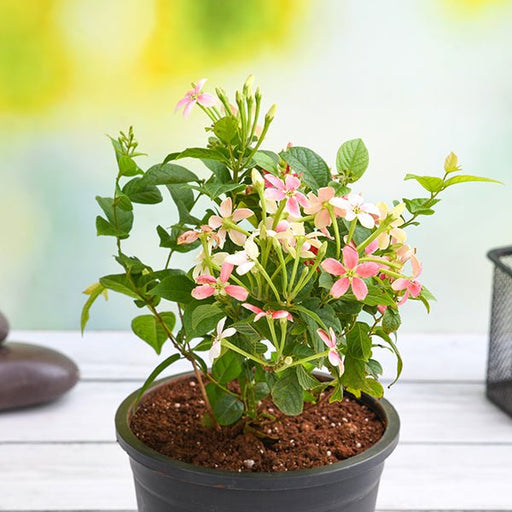
View full detailsMadhumalti Dwarf, Rangoon Creeper - Plant The Madhumalti Dwarf, also known as the Rangoon Creeper (Quisqualis indica), is a stunning perennial vin...
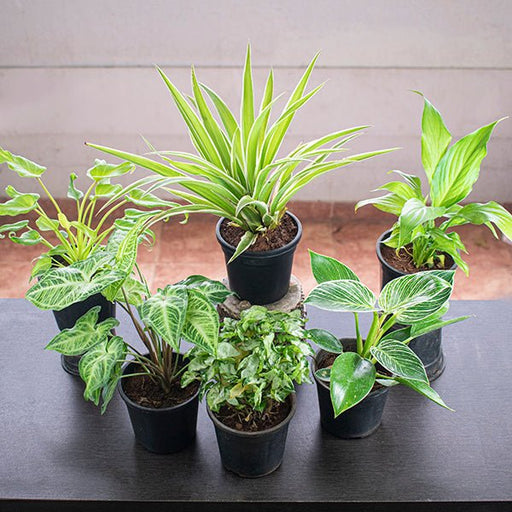
View full detailsBest 6 Plants for Perfect Indoor Garden Transform your living space into a lush oasis with our curated collection of the Best 6 Plants for a...
View full detailsBest 6 Plants for Perfect Indoor Garden Transform your living space into a lush oasis with our curated collection of the Best 6 Plants for a...
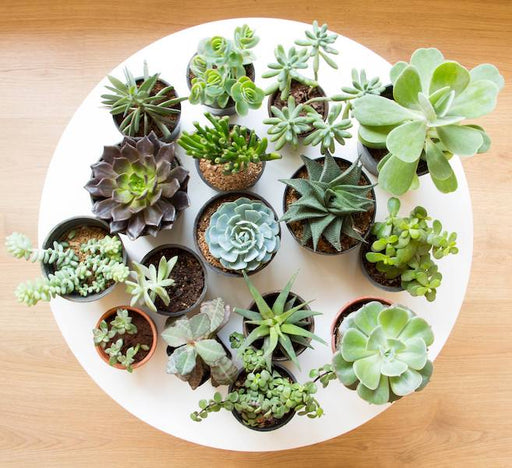
View full detailsMini Succulent Garden Pack Transform your space with our Mini Succulent Garden Pack, featuring a delightful collection of 4 any variety beautiful s...
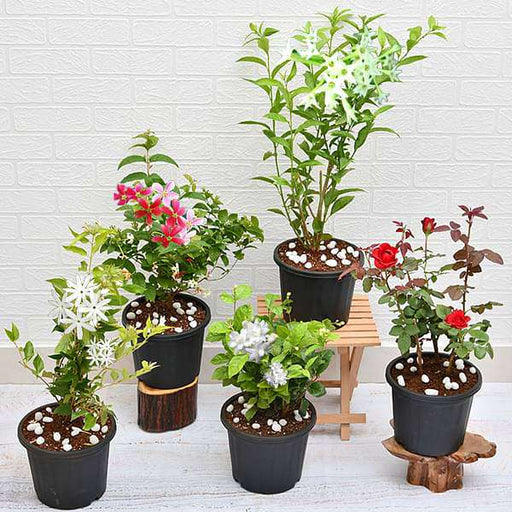
View full details5 Best Fragrant Plants Transform your garden or indoor space into a fragrant paradise with our curated selection of the 5 Best Fragrant Plants. Th...
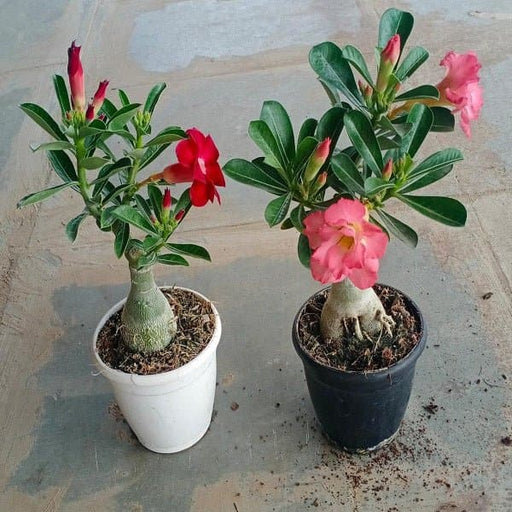
View full detailsSet of 2 Bonsai Looking Grafted Adeniums Transform your indoor or outdoor space with our exquisite Set of 2 Bonsai Looking Grafted Adenium...
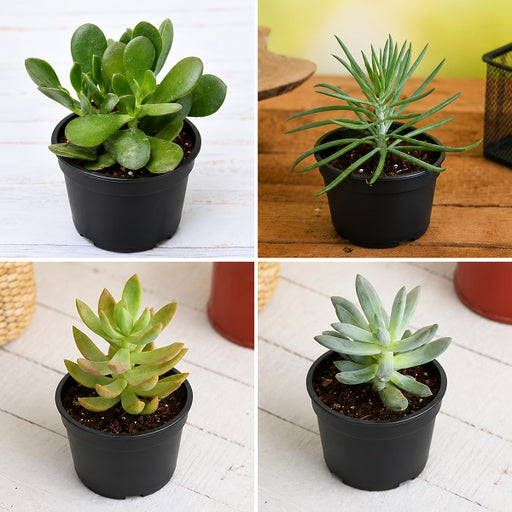
View full detailsTop 4 Die Hard Succulents Pack Note: Plants included in this pack will be delivered in a 3-inch nursery pot (any color). Transform your indoor or ...
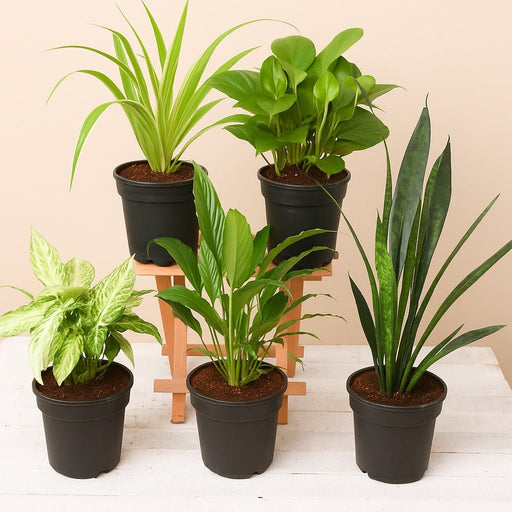
View full details5 Best Indoor Plants Pack Transform your living space into a lush oasis with our '5 Best Indoor Plants Pack.' This carefully curated collection fe...
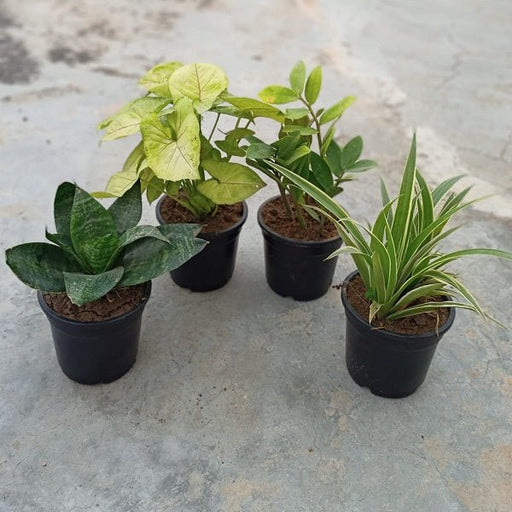
View full detailsSet of 4 Evergreen Air Purifier Plant Pack Transform your indoor space into a lush, green oasis with our Set of 4 Evergreen Air Purifier Pla...
View full detailsTop 5 Pollution Killer Plants Pack Transform your living space into a breath of fresh air with our 'Top 5 Pollution Killer Plants Pack'. This care...
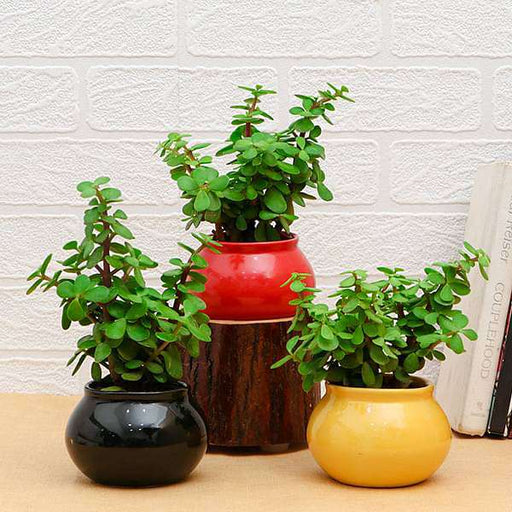
View full detailsPack of 3 Good Luck Jade Plants in Ceramic Pots Bring a touch of nature into your home with our Pack of 3 Good Luck Jade Plants, featuring...
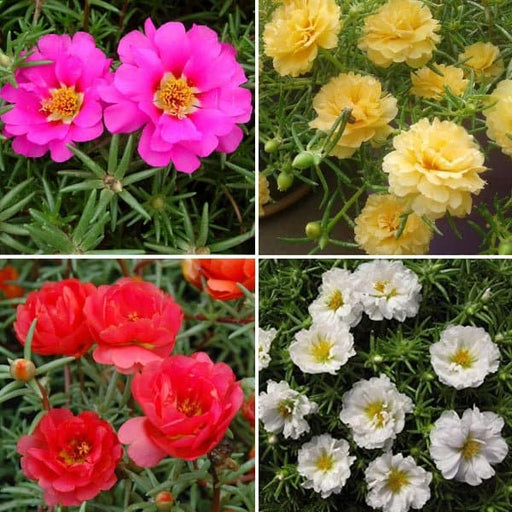
View full detailsPortulaca Garden Pack (4 Plants + 4 Black Pots) Note- You will get any color (Assorted) potted Porulaca plant with this pack. Transform your garde...
View full details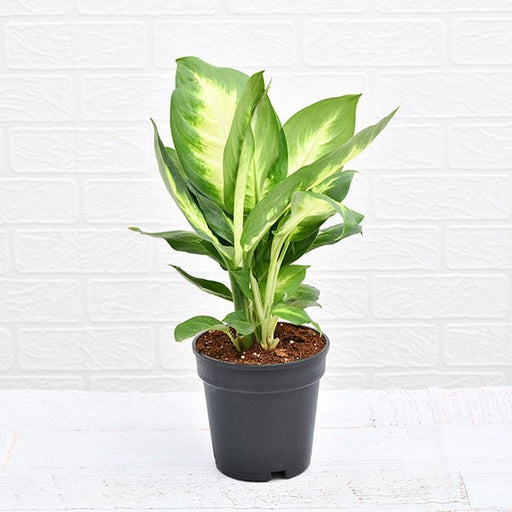





Leave a comment