
Expert Support
Available 24/7 via chat
Available 24/7 via chat
Hari champa is a fragrant flowering treasure that brings tropical elegance to Indian gardens. With its intoxicating golden blooms and reputation for being easy to grow, it's an ideal choice for both container gardeners and those planning avenue plantings. Whether you're a seasoned gardener or just beginning, this low-maintenance beauty rewards you with September-October flowers and the gift of attracting butterflies and birds to your garden.
Hari champa, scientifically known as Artabotrys hexapetalus, carries many regional names across India: Champa, Climbing Ylang Ylang, Fragrant Cananga, Macassar-oil plant, and Perfume tree. These names reflect its centuries-long presence in Indian gardens and its celebrated fragrance. The tree typically reaches up to 8 metres at maturity, though container specimens remain manageable in size. What makes Hari champa special is its combination of ease of cultivation, stunning visual appeal with bright yellow flowers, and its remarkable fragrance—a scent so distinctive that it has been used in traditional perfumery across India for generations.
| Light | Full sun to partial shade |
| Watering | Moderate (let top inch of soil dry between waterings) |
| Soil | Well-drained and fertile soil |
| Temperature | 15 to 28 degrees Celsius |
Hari champa thrives in full sun to partial shade conditions. In Indian climates, this flexibility is a real advantage. During the intense summer months of May and June, afternoon partial shade protects the foliage from harsh sunburn while still allowing the plant to receive adequate light. In regions with a strong monsoon season, the filtered light through monsoon clouds naturally provides ideal growing conditions. For container plants, positioning near an east-facing or west-facing window (with afternoon shade during peak summer) creates the perfect balance. A minimum of 4-6 hours of direct sunlight daily ensures robust flowering during the September-October bloom season.
Hari champa requires moderate watering, and understanding what "moderate" means in the Indian context is crucial for success. During the monsoon season (June to September), rainfall often provides sufficient moisture; in fact, over-watering during this period can lead to waterlogging, especially in heavy clay soils. The ideal approach is to let the top inch of soil dry between waterings. During dry months (October through May), increase watering frequency, but never allow the soil to become soggy. Container plants dry out faster than ground plantings and may need more frequent attention during hot months. Always check soil moisture with your finger before watering—this simple practice prevents the common mistake of over-watering.
Well-drained and fertile soil is essential for Hari champa's success. In areas with heavy clay or compacted soil, amend your planting site with compost, aged manure, or sand to improve drainage. Waterlogging is the enemy; while the plant loves moisture, it cannot tolerate stagnant water around its roots. If growing in containers, use a high-quality potting mix that drains freely. For feeding, apply organic fertilizer during the growing season (April through August). Organic options like neem cake, cow manure compost, or kitchen-waste compost align perfectly with the plant's natural preferences. Avoid over-feeding, which can promote lush foliage at the expense of flowers. A single application of well-rotted compost at the beginning of the monsoon season typically provides sufficient nutrition for the entire year.
Hari champa prefers temperatures between 15 and 28 degrees Celsius, a range that aligns beautifully with India's diverse climates. In northern and central India, the November-to-February period sits at the lower end of this range, while coastal and southern regions remain within the ideal range year-round. The plant shows remarkable resilience to Indian summer temperatures (often exceeding 35°C) when given adequate water and partial afternoon shade. Monsoon humidity, which characterizes much of the Indian rainy season, is ideal for Hari champa. The consistent moisture in the air during June-to-September supports healthy leaf development and sets the stage for the spectacular September-October flowering that the region experiences.
While Hari champa specimens are readily available from established nurseries, understanding propagation helps you expand your collection. The plant can be propagated from semi-hardwood cuttings taken during the monsoon season, when the plant is in active growth. Cut 6-8 inch sections from healthy shoots, ensure they have at least two nodes, and place them in a well-draining propagation medium. Maintain consistent moisture and provide bright, indirect light. Success rates are generally good during the monsoon months when humidity naturally supports root development. For beginners, sourcing a young plant from a reputable nursery is often more reliable than propagation.
Hari champa is, by and large, an easy-to-grow plant, but a few issues warrant attention. Overwatering and poor drainage are the most common problems, leading to root rot—prevention through well-draining soil and mindful watering is far easier than cure. In humid monsoon months, watch for fungal issues on foliage; ensure adequate air circulation and avoid wetting leaves during evening watering. Spider mites can occasionally appear during hot, dry months, but regular misting of foliage with plain water keeps them in check. Hard water in many Indian regions can occasionally lead to nutrient deficiencies; if foliage appears yellowed despite good care, a soil drench with diluted organic fertilizer often resolves the issue.
Ready to grow your own? Shop Hari champa at Nurserylive →
Hari Champa (Artabotrys hexapetalus) - Green Champa Plant The Hari Champa, scientifically known as Artabotrys hexapetalus, is a stunning e...
View full detailsCombo Constituents Includes the Parijat Tree (Night-Flowering Jasmine), a culturally significant plant with fragrant flowers. Description The Pari...
View full detailsDescription Raat Ki Rani (*Cestrum nocturnum*), also known as Night Blooming Jasmine, is a fragrant shrub native to the Caribbean and Central Ameri...
View full detailsJasminum sambac, Mogra, Arabian Jasmine - Plant Jasminum sambac, commonly known as Mogra or Arabian Jasmine, is a fragrant flowering plant...
View full detailsRajnigandha, Tuberose - Plant The Rajnigandha, scientifically known as Polianthes tuberosa, is a captivating perennial plant renowned for ...
View full detailsCitronella, Odomas - Plant The Citronella plant, scientifically known as Cymbopogon nardus, is a tropical grass renowned for its aromatic ...
View full detailsDamascus Rose, Scented Rose (Any Color) - Plant The Damascus Rose, also known as Rosa damascena, is a timeless symbol of beauty and romanc...
View full detailsMiniature Rose, Button Rose (Any Color) - Plant The Miniature Rose, also known as the Button Rose, is a charming and compact flowering plant that ...
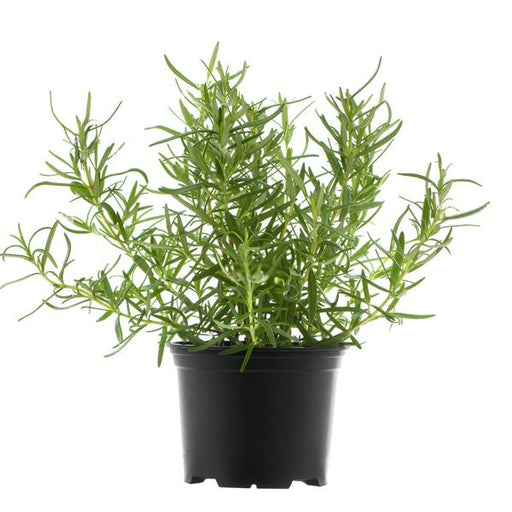
View full detailsRosemary - Plant Rosemary (Rosmarinus officinalis) is a fragrant evergreen herb native to the Mediterranean region. Known for its needle-like leav...
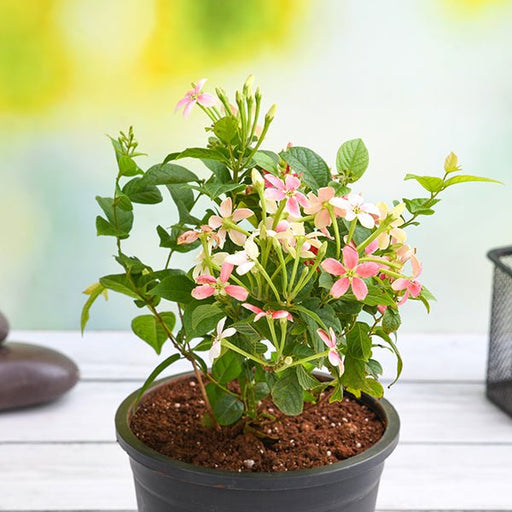
View full detailsMadhumalti Dwarf, Rangoon Creeper - Plant The Madhumalti Dwarf, also known as the Rangoon Creeper (Quisqualis indica), is a stunning perennial vin...
View full detailsBest 6 Plants for Perfect Indoor Garden Transform your living space into a lush oasis with our curated collection of the Best 6 Plants for a...
View full detailsBest 6 Plants for Perfect Indoor Garden Transform your living space into a lush oasis with our curated collection of the Best 6 Plants for a...
View full detailsMini Succulent Garden Pack Transform your space with our Mini Succulent Garden Pack, featuring a delightful collection of 4 any variety beautiful s...
View full details5 Best Fragrant Plants Transform your garden or indoor space into a fragrant paradise with our curated selection of the 5 Best Fragrant Plants. Th...
View full detailsSet of 2 Bonsai Looking Grafted Adeniums Transform your indoor or outdoor space with our exquisite Set of 2 Bonsai Looking Grafted Adenium...
View full detailsTop 4 Die Hard Succulents Pack Note: Plants included in this pack will be delivered in a 3-inch nursery pot (any color). Transform your indoor or ...
View full details5 Best Indoor Plants Pack Transform your living space into a lush oasis with our '5 Best Indoor Plants Pack.' This carefully curated collection fe...
View full detailsSet of 4 Evergreen Air Purifier Plant Pack Transform your indoor space into a lush, green oasis with our Set of 4 Evergreen Air Purifier Pla...
View full detailsTop 5 Pollution Killer Plants Pack Transform your living space into a breath of fresh air with our 'Top 5 Pollution Killer Plants Pack'. This care...
View full detailsPack of 3 Good Luck Jade Plants in Ceramic Pots Bring a touch of nature into your home with our Pack of 3 Good Luck Jade Plants, featuring...
View full detailsPortulaca Garden Pack (4 Plants + 4 Black Pots) Note- You will get any color (Assorted) potted Porulaca plant with this pack. Transform your garde...
View full details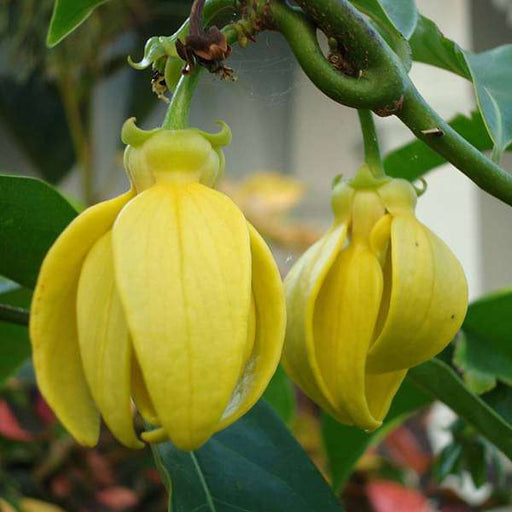




















Leave a comment