
Expert Support
Available 24/7 via chat
Available 24/7 via chat
There's something uniquely satisfying about biting into a homegrown litchi—the juicy sweetness, the delicate white flesh translucent against the bumpy red skin. For Indian gardeners, litchi isn't just an exotic fruit; it's a heritage crop that thrives in our subtropical and tropical climates. Whether you're growing it in a container on your balcony or nurturing it in a spacious garden, the litchi tree is surprisingly forgiving and rewards patience with abundant harvests. This guide walks you through everything you need to know to grow healthy, productive litchi trees right here at home.
The litchi tree (Litchi chinensis) is a tropical and subtropical fruit tree with deep roots in Indian horticultural tradition. In India, it's called "Litchi" in the north and has been cultivated for centuries in regions like Bihar, Jharkhand, and parts of Himachal Pradesh. The seed-grown varieties develop into beautiful evergreen trees that can reach 20 to 30 feet in their mature form, though container-grown specimens remain more compact and manageable.
When you receive your litchi sapling, it typically stands around 30 inches tall with a spread of 7 inches. The tree produces delicate green flowers in April to May, followed by clusters of small fruits that ripen from June to August depending on your location and climate. What makes litchi particularly attractive for home gardeners is its dual purpose—it's ornamental during flowering season and then transitions to being a productive fruiting plant. The difficulty level is rated as "Easy to grow," making it suitable for both beginners and experienced gardeners.
| Aspect | Care Requirements |
|---|---|
| Light | More than 6 hours of direct bright sunlight daily |
| Water | Water when top 1–2 inches of soil feels dry to touch |
| Soil | Well-drained, fertile, pH 5.5 to 7, rich in organic content |
| Temperature | Optimal around 24°C; adaptable to tropical/subtropical Indian climates |
Litchi trees are sun-loving plants that thrive with more than 6 hours of direct bright sunlight each day. In India's climate, this is usually achievable year-round, though summer can sometimes be intense. Place your tree where it receives unfiltered morning and mid-day sun. South-facing or west-facing locations work beautifully, even in containers on a balcony or terrace.
During the monsoon season, when cloud cover is heavy, ensure your tree still gets maximum available light. If you're growing it indoors near a window, make sure the window isn't obstructed and receives good natural illumination. Insufficient light is one of the main reasons litchi trees don't flower or fruit well, so don't compromise on this requirement.
The key to successful litchi care is understanding its moisture needs rather than following a fixed watering schedule. Before you water, use your finger or a small stick to poke into the soil. Check if the top 1 to 2 inches feel dry to the touch. Only water when this layer is genuinely dry—overwatering is the leading cause of problems in Indian gardens where humidity is already high.
During the growing season (June–July), your tree will need more frequent watering as it's actively producing new growth and flowers. In the cooler months (November to February), reduce watering frequency. Remember, Indian soil in summer can dry out quickly, but during monsoon, ensure excess water drains away. If you're growing in containers, use pots with drainage holes and never let the tree sit in standing water. This moisture-check method prevents both drought stress and the root rot that comes from oversaturation.
Litchi trees aren't fussy about soil, but they do best in well-drained, fertile soil that's rich in organic content. The ideal pH range is 5.5 to 7, which covers most Indian garden soils. If you're unsure of your soil's pH, it's worth testing—litchi is slightly acidic-preferring, so if your local water is hard (common in many Indian regions), you might occasionally add sulfur or an acidifying amendment.
When planting, mix plenty of compost, aged cow dung, or other organic matter into the planting hole. This improves both drainage and nutrient availability. During the main growing season in June and July, feed your litchi tree with organic fertilizers such as well-decomposed manure, seaweed extract, or neem cake. Avoid synthetic nitrogen-heavy fertilizers, which can promote excessive leaf growth at the expense of flowering and fruiting.
If you're growing in containers, top-dress with organic compost annually, preferably in early summer before the growing season kicks in.
Litchi trees thrive in tropical and subtropical climates, which is perfect for most of India. The optimal temperature hovers around 24°C, though the tree is remarkably adaptable to temperature variations. It handles Indian summers well, even as temperatures climb to 40°C or beyond—just ensure adequate watering and shade cloth if temperatures exceed 45°C for extended periods.
The monsoon season is actually when litchi trees flourish, as humidity levels rise and water availability increases. However, if monsoon rains are particularly heavy and your soil doesn't drain well, watch for waterlogging. The tree is also reasonably cold-tolerant and can handle the winter chill of northern India, though it prefers not to dip below 10°C.
High humidity supports flowering and fruit development, which is another reason litchi adapts so well to India's climate. If you're growing in a drier region or during the dry season, occasional misting around the foliage (not the fruit) can help simulate more humid conditions.
The litchi tree you purchase is typically a seed-grown variety, which means it grew from seed rather than being grafted. Seed-grown litchis take longer to fruit (often 5–7 years) compared to grafted varieties, but they develop strong, healthy root systems and are more resilient to local pests and diseases.
If you want to propagate your own litchi, you can use fresh seeds from ripe fruits. Clean the seed thoroughly, soak it overnight, and plant it about 1 inch deep in moist, well-draining seed compost. Keep the pot in a warm, bright location (at least 24°C) and maintain consistent moisture. Germination typically occurs within 2–4 weeks. Once the seedling develops 2–3 true leaves, you can pot it up into a slightly larger container.
Air layering (marcottage) is another method that produces fruiting trees faster (3–4 years), but this requires more skill and patience.
Overwatering and Root Rot: This is the most common issue. If leaves turn yellow and the tree appears wilted despite moist soil, suspect root rot. Improve drainage and reduce watering frequency immediately.
Leaf Drop: Sudden leaf drop can result from temperature stress, overwatering, or severe underwatering. Ensure stable growing conditions and proper moisture levels.
No Flowering or Fruiting: If your tree isn't flowering by year 5–7, check sunlight exposure first. Ensure it's getting 6+ hours of direct sun. Insufficient light is the primary culprit. Overfertilizing with nitrogen can also inhibit flowering.
Pests: In Indian gardens, scale insects, mealybugs, and fruit flies can occasionally bother litchi trees. Spray with a neem oil solution or organic insecticidal soap if infestations appear.
Fungal Issues: High humidity combined with poor air circulation can lead to powdery mildew. Ensure good spacing and prune lower branches to improve airflow.
Ready to grow your own? Shop Litchi Tree at Nurserylive →
Litchi Tree (Grown Through Seeds) - Plant The Litchi Tree, scientifically known as Litchi chinensis, is a tropical fruit tree renowned for...
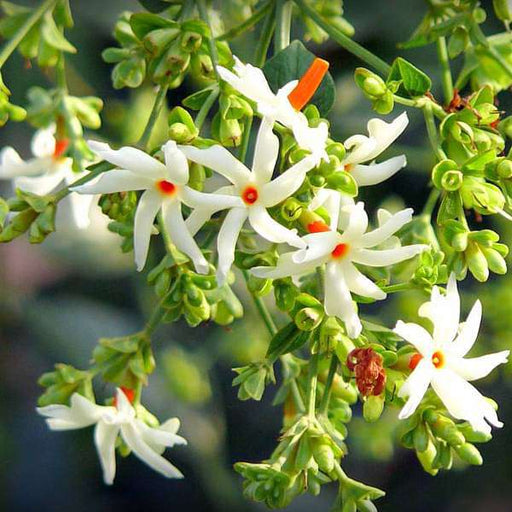
View full detailsCombo Constituents Includes the Parijat Tree (Night-Flowering Jasmine), a culturally significant plant with fragrant flowers. Description The Pari...
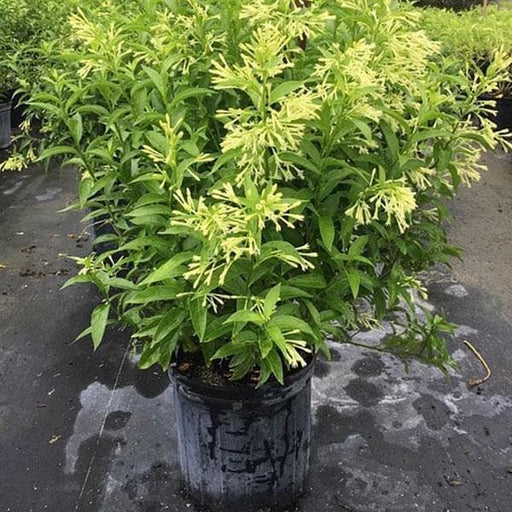
View full detailsDescription Raat Ki Rani (*Cestrum nocturnum*), also known as Night Blooming Jasmine, is a fragrant shrub native to the Caribbean and Central Ameri...
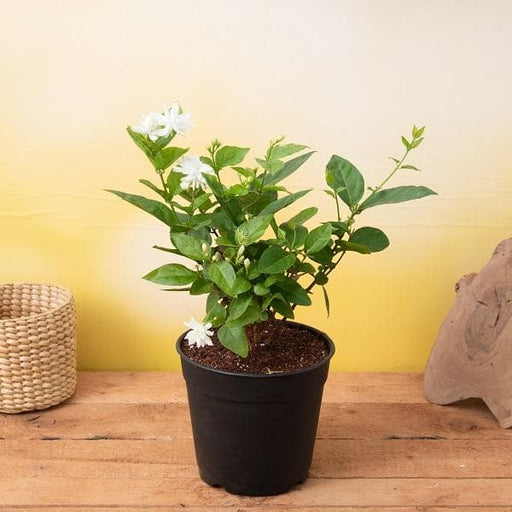
View full detailsJasminum sambac, Mogra, Arabian Jasmine - Plant Jasminum sambac, commonly known as Mogra or Arabian Jasmine, is a fragrant flowering plant...
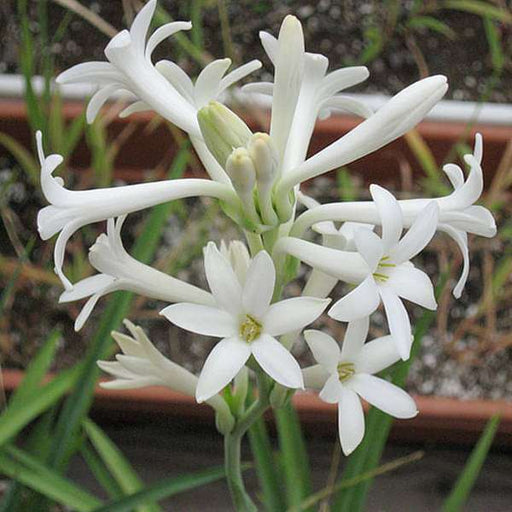
View full detailsRajnigandha, Tuberose - Plant The Rajnigandha, scientifically known as Polianthes tuberosa, is a captivating perennial plant renowned for ...
View full detailsCitronella, Odomas - Plant The Citronella plant, scientifically known as Cymbopogon nardus, is a tropical grass renowned for its aromatic ...
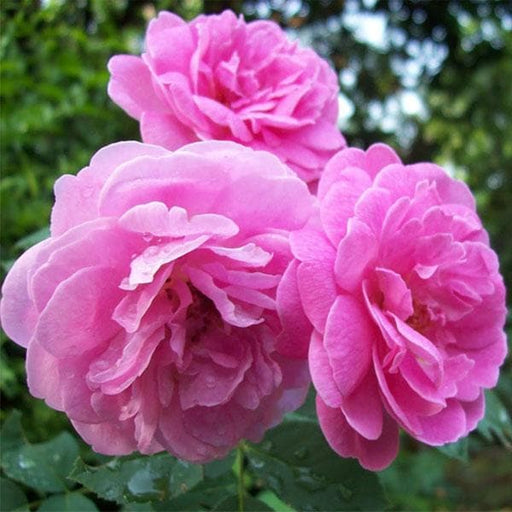
View full detailsDamascus Rose, Scented Rose (Any Color) - Plant The Damascus Rose, also known as Rosa damascena, is a timeless symbol of beauty and romanc...
View full detailsMiniature Rose, Button Rose (Any Color) - Plant The Miniature Rose, also known as the Button Rose, is a charming and compact flowering plant that ...
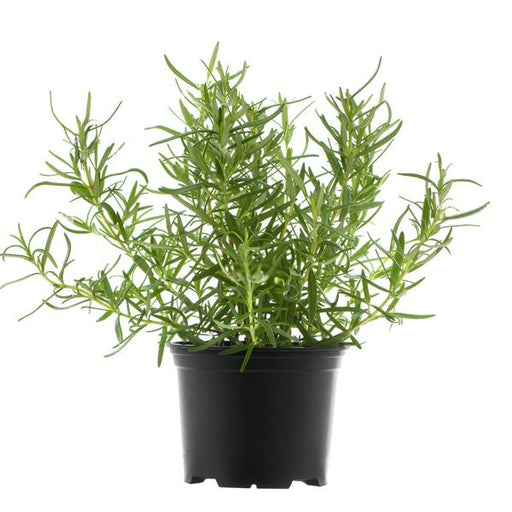
View full detailsRosemary - Plant Rosemary (Rosmarinus officinalis) is a fragrant evergreen herb native to the Mediterranean region. Known for its needle-like leav...
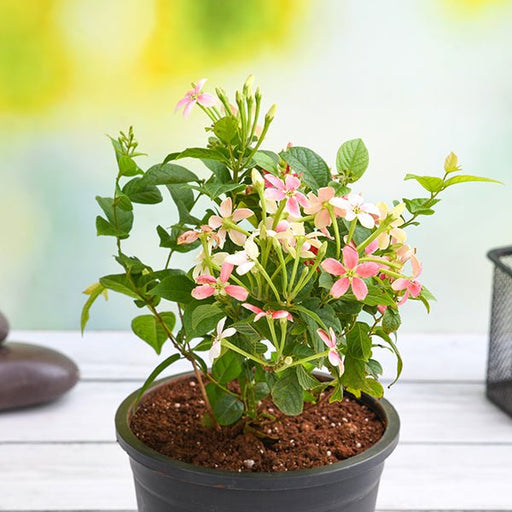
View full detailsMadhumalti Dwarf, Rangoon Creeper - Plant The Madhumalti Dwarf, also known as the Rangoon Creeper (Quisqualis indica), is a stunning perennial vin...
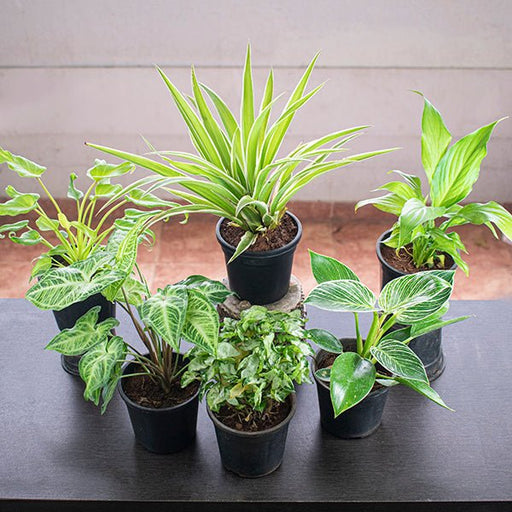
View full detailsBest 6 Plants for Perfect Indoor Garden Transform your living space into a lush oasis with our curated collection of the Best 6 Plants for a...
View full detailsBest 6 Plants for Perfect Indoor Garden Transform your living space into a lush oasis with our curated collection of the Best 6 Plants for a...
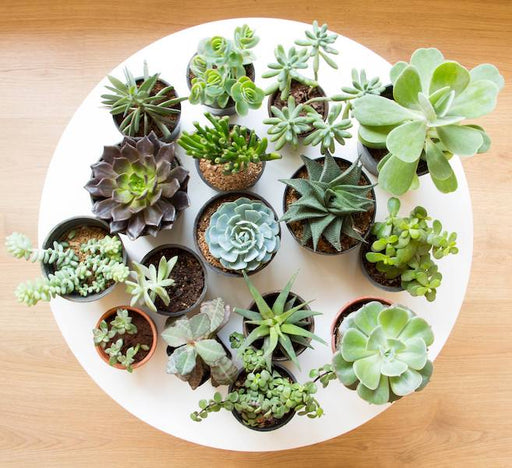
View full detailsMini Succulent Garden Pack Transform your space with our Mini Succulent Garden Pack, featuring a delightful collection of 4 any variety beautiful s...
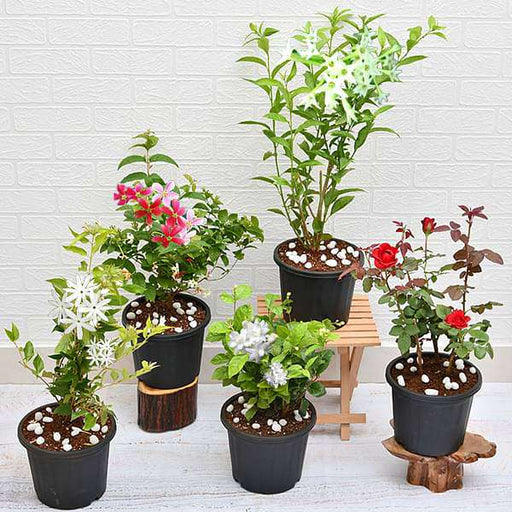
View full details5 Best Fragrant Plants Transform your garden or indoor space into a fragrant paradise with our curated selection of the 5 Best Fragrant Plants. Th...
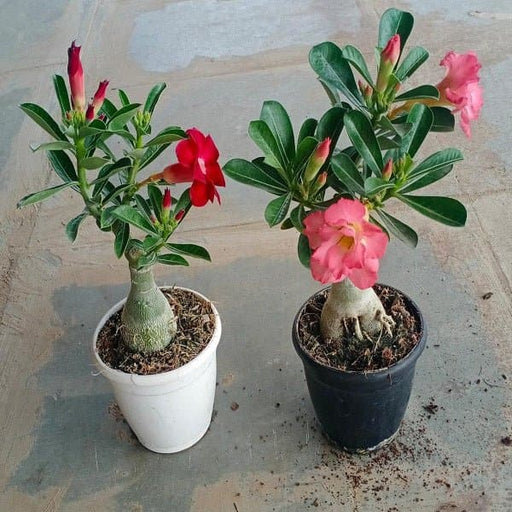
View full detailsSet of 2 Bonsai Looking Grafted Adeniums Transform your indoor or outdoor space with our exquisite Set of 2 Bonsai Looking Grafted Adenium...
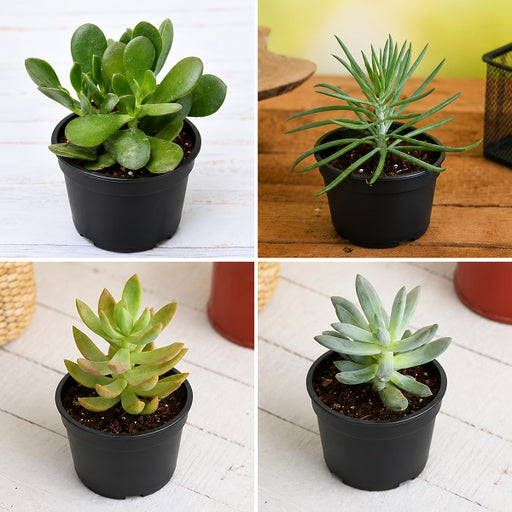
View full detailsTop 4 Die Hard Succulents Pack Note: Plants included in this pack will be delivered in a 3-inch nursery pot (any color). Transform your indoor or ...
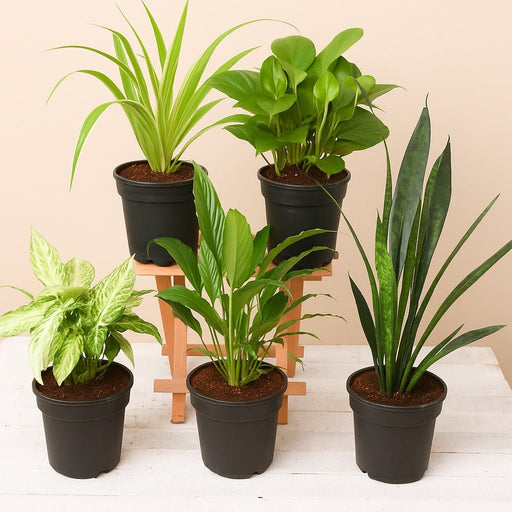
View full details5 Best Indoor Plants Pack Transform your living space into a lush oasis with our '5 Best Indoor Plants Pack.' This carefully curated collection fe...
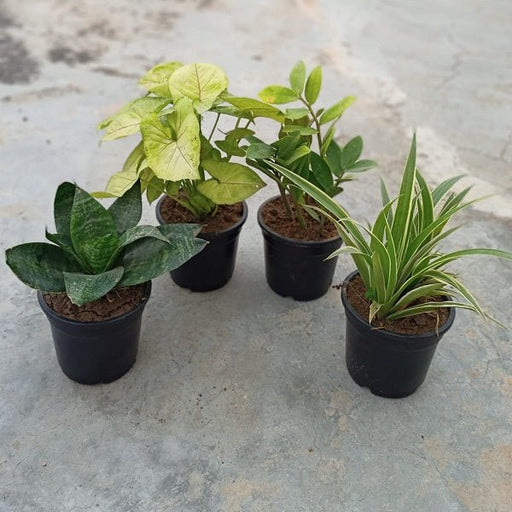
View full detailsSet of 4 Evergreen Air Purifier Plant Pack Transform your indoor space into a lush, green oasis with our Set of 4 Evergreen Air Purifier Pla...
View full detailsTop 5 Pollution Killer Plants Pack Transform your living space into a breath of fresh air with our 'Top 5 Pollution Killer Plants Pack'. This care...
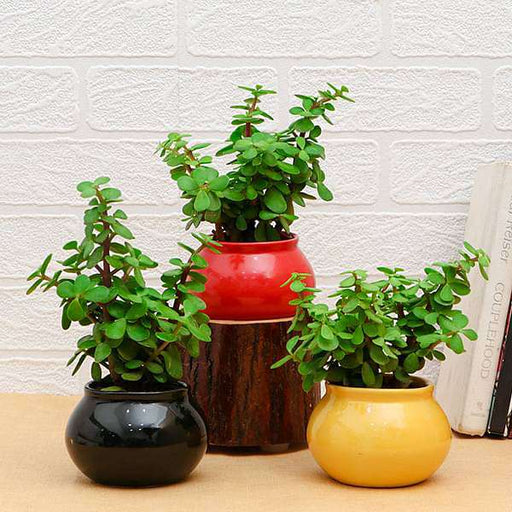
View full detailsPack of 3 Good Luck Jade Plants in Ceramic Pots Bring a touch of nature into your home with our Pack of 3 Good Luck Jade Plants, featuring...
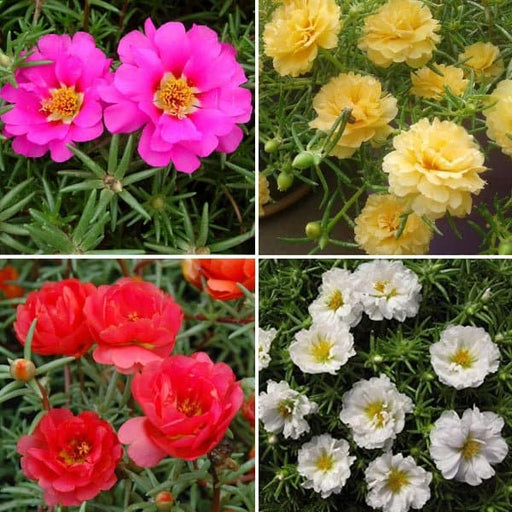
View full detailsPortulaca Garden Pack (4 Plants + 4 Black Pots) Note- You will get any color (Assorted) potted Porulaca plant with this pack. Transform your garde...
View full details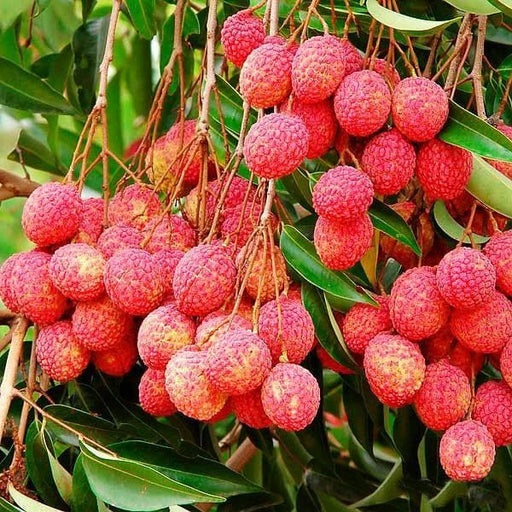






Leave a comment