
Expert Support
Available 24/7 via chat
Available 24/7 via chat
If you're looking to add a touch of refined elegance to your garden or indoor space, Calla lilies—also called arum lilies—are an excellent choice for Indian gardeners. These stunning perennials, which can reach up to 3 feet in height, produce soft pink, long-lasting flowers that bloom abundantly from spring through autumn. Whether you're a seasoned plant parent or just starting your gardening journey, Calla lilies are refreshingly easy to grow, and they thrive beautifully in containers, making them perfect for balconies, patios, and indoor displays across India's diverse climates.
Calla lilies (known botanically as Zantedeschia) have earned their place in gardens worldwide for good reason. In India, they're treasured as reliable performers that deliver consistent blooms year after year. These winter-blooming perennial plants are particularly valuable because they come alive during India's cooler months when many other flowers are dormant. The soft pink varieties are especially prized for floral arrangements and decorative displays, offering a sophisticated aesthetic that complements both traditional and modern home settings. The blooms are remarkably long-lasting, providing weeks of colour from each flowering cycle.
| Aspect | Details |
|---|---|
| Light | Dappled sunlight or light shade |
| Watering | Ample water during growing season |
| Soil | Well-drained soil |
| Temperature | 50 to 80°F (10 to 27°C) |
One of the reasons Calla lilies perform so reliably in Indian gardens is their flexibility with light. Unlike sun-demanding plants, Calla lilies actually prefer dappled sunlight or even light shade—conditions that are naturally abundant in Indian gardens with mature trees or on covered patios. This shade preference makes them ideal for north-facing balconies or areas that receive filtered morning light but stay protected from the intense afternoon heat of Indian summers. If you're growing them indoors near a window, ensure they receive bright, indirect light rather than direct rays. This reduced light requirement also means you can place them in spots where other flowering plants struggle, giving you more creative freedom in garden design.
During the growing season, Calla lilies need ample water to thrive—but "ample" doesn't mean waterlogged. In India's monsoon regions, this natural rainfall can supply much of their water needs; however, be vigilant about drainage to prevent rhizome rot. If your area experiences dry summers or if you're growing plants in pots indoors, water regularly to keep the soil consistently moist (not soggy) during active growth. Indian gardeners often contend with hard water from bore wells or municipal supplies; Calla lilies tolerate this reasonably well, though if your water is particularly mineral-heavy, collect rainwater during monsoons and use it occasionally to flush out accumulated salts. In cooler months when growth slows, reduce watering frequency. The key is balance: the soil should never completely dry out, yet should never become waterlogged.
Well-drained soil is non-negotiable for Calla lilies, as their rhizomes (underground storage structures) will rot in heavy, compacted soil. If you're growing in the ground, amend Indian soil with coarse sand, perlite, or aged compost to improve drainage structure. For container growing—which many Indian gardeners prefer for easier pest management and winter protection—use a high-quality potting mix enriched with organic matter. During the growing season (roughly September to May in most of India), feed with liquid fertilizer every two to three weeks. Liquid fertilizers are ideal because they're easily absorbed and won't concentrate salts in the pot. A balanced fertilizer or one slightly higher in phosphorus will encourage generous flowering without promoting excessive foliage.
This is where Calla lilies reveal their preference: they thrive in temperatures between 50 to 80°F (10 to 27°C). This relatively cool range explains why they perform best during India's winter and early spring months and why they may rest or flower more sparingly during scorching summers. If you live in a hot region like central or northern India, use shade cloth during peak summer to keep temperatures moderate, or move potted plants to cooler indoor spaces. Humidity isn't a critical factor, but Calla lilies appreciate the moisture-rich air during India's monsoon season. In drier climates, occasional misting can help, though their rhizomes prefer not to sit in humid, stagnant air—good air circulation prevents fungal issues.
Calla lilies naturally produce small offset rhizomes around the main bulb. Once the plant finishes flowering and enters dormancy (usually by June in India), carefully dig up the rhizomes, separate the offsets, and replant them in fresh, well-draining soil. Allow offsets to be at least 1-2 inches in diameter for best success. Plant rhizomes 2-3 inches deep with the growth bud pointing upward. Space them 6-8 inches apart if planting multiple rhizomes. Keep soil warm (but not hot) and consistently moist until new growth appears, which typically takes 4-6 weeks. For container gardeners, this rhizome division is the ideal opportunity to refresh potting mix and containersize to encourage vigorous growth in the coming season.
Spider mites and mealybugs can infest Calla lilies, especially indoors or in dry conditions—spray affected plants with neem oil every 7-10 days until resolved. Scale insects may also appear on older plants; manually remove them with a soft cloth and treat with insecticidal soap. Rhizome rot is the most serious threat and occurs when drainage is poor or plants are overwatered; prevention through well-draining soil is far easier than treatment. Yellow leaves can signal nitrogen deficiency (apply diluted liquid fertilizer) or waterlogging (ease watering and improve drainage). Leaf spots caused by fungal pathogens may develop in hot, humid conditions—improve air circulation and avoid wetting foliage when watering. Most of these issues are easily prevented with good cultural practices.
Ready to grow your own? Shop Calla Lily at Nurserylive →
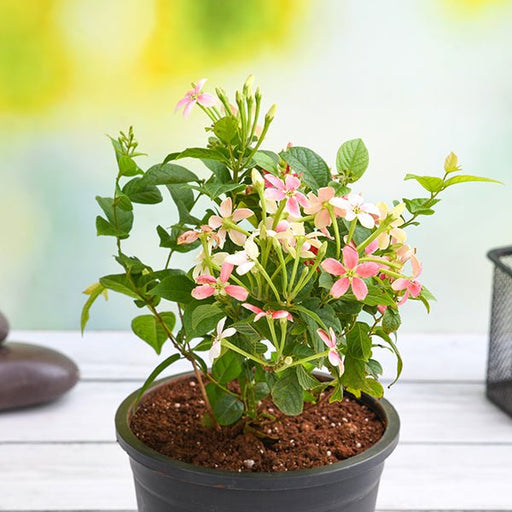
Calla Lily (Pink) - Plant The stunning Pink Calla Lily (Zantedeschia spp.) is a perennial plant known for its elegant trumpet-shaped flowe...
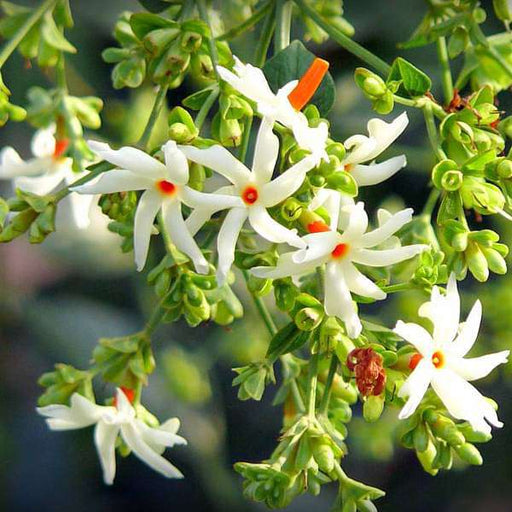
View full detailsCombo Constituents Includes the Parijat Tree (Night-Flowering Jasmine), a culturally significant plant with fragrant flowers. Description The Pari...
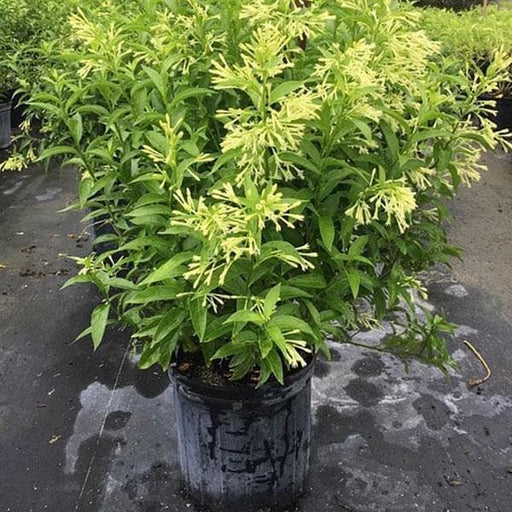
View full detailsDescription Raat Ki Rani (*Cestrum nocturnum*), also known as Night Blooming Jasmine, is a fragrant shrub native to the Caribbean and Central Ameri...
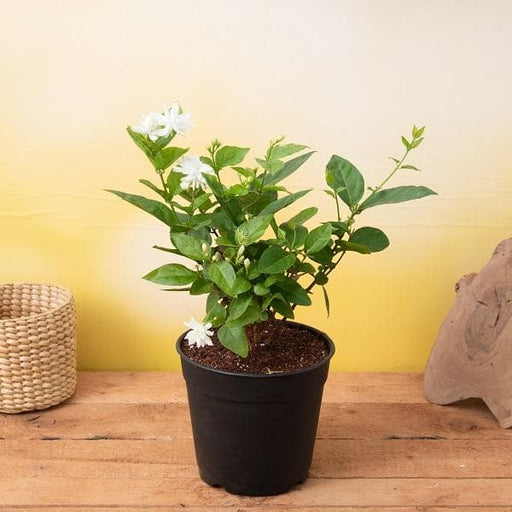
View full detailsJasminum sambac, Mogra, Arabian Jasmine - Plant Jasminum sambac, commonly known as Mogra or Arabian Jasmine, is a fragrant flowering plant...
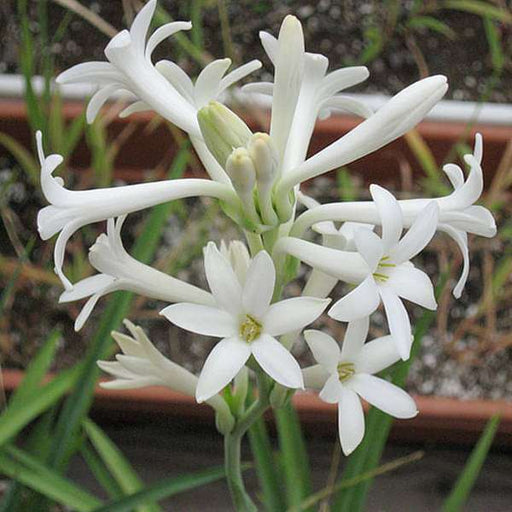
View full detailsRajnigandha, Tuberose - Plant The Rajnigandha, scientifically known as Polianthes tuberosa, is a captivating perennial plant renowned for ...
View full detailsCitronella, Odomas - Plant The Citronella plant, scientifically known as Cymbopogon nardus, is a tropical grass renowned for its aromatic ...
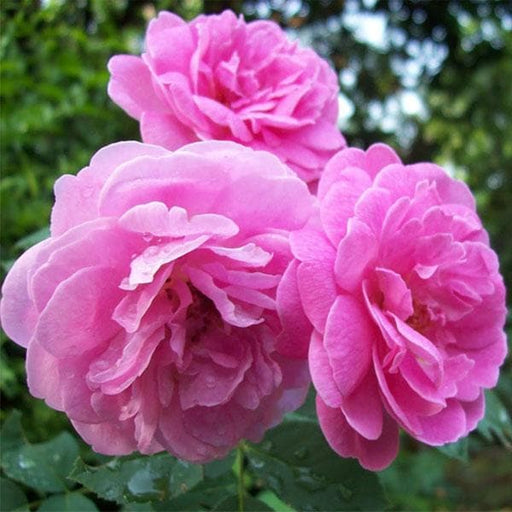
View full detailsDamascus Rose, Scented Rose (Any Color) - Plant The Damascus Rose, also known as Rosa damascena, is a timeless symbol of beauty and romanc...
View full detailsMiniature Rose, Button Rose (Any Color) - Plant The Miniature Rose, also known as the Button Rose, is a charming and compact flowering plant that ...
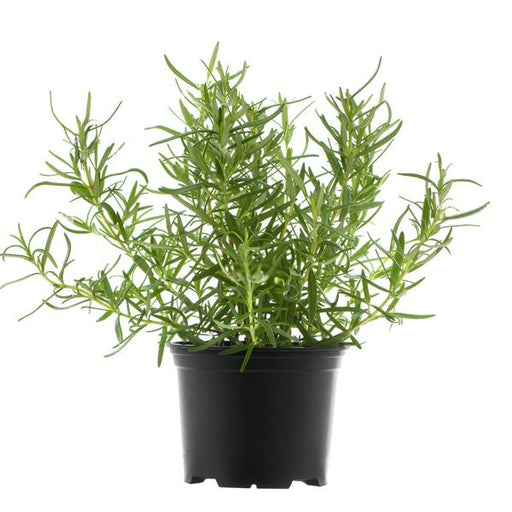
View full detailsRosemary - Plant Rosemary (Rosmarinus officinalis) is a fragrant evergreen herb native to the Mediterranean region. Known for its needle-like leav...
View full detailsMadhumalti Dwarf, Rangoon Creeper - Plant The Madhumalti Dwarf, also known as the Rangoon Creeper (Quisqualis indica), is a stunning perennial vin...
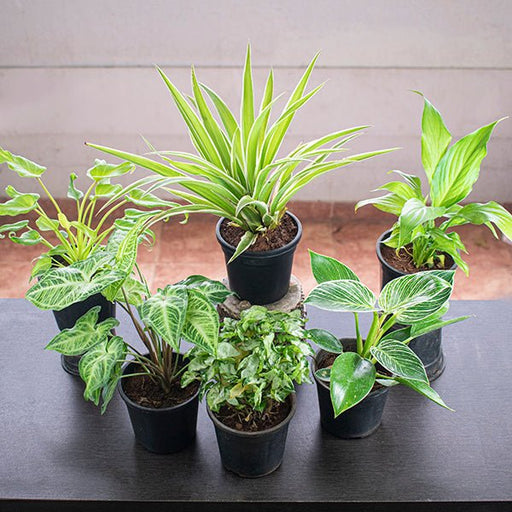
View full detailsBest 6 Plants for Perfect Indoor Garden Transform your living space into a lush oasis with our curated collection of the Best 6 Plants for a...
View full detailsBest 6 Plants for Perfect Indoor Garden Transform your living space into a lush oasis with our curated collection of the Best 6 Plants for a...
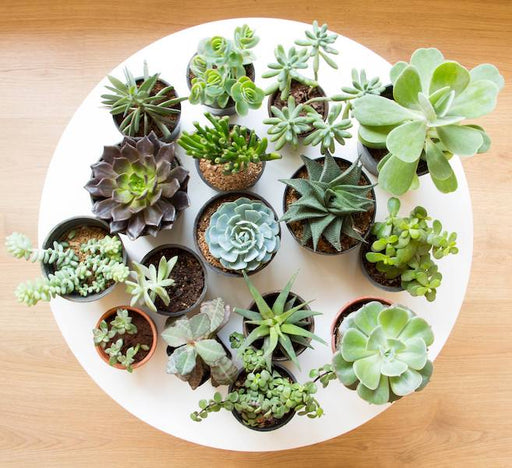
View full detailsMini Succulent Garden Pack Transform your space with our Mini Succulent Garden Pack, featuring a delightful collection of 4 any variety beautiful s...
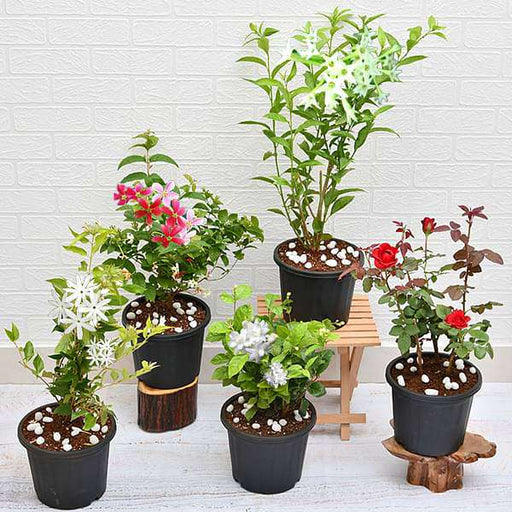
View full details5 Best Fragrant Plants Transform your garden or indoor space into a fragrant paradise with our curated selection of the 5 Best Fragrant Plants. Th...
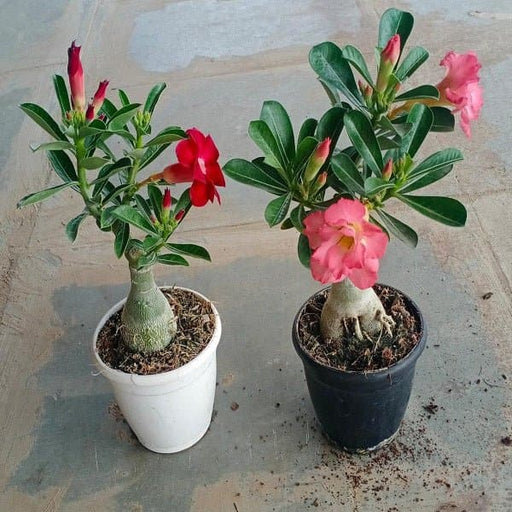
View full detailsSet of 2 Bonsai Looking Grafted Adeniums Transform your indoor or outdoor space with our exquisite Set of 2 Bonsai Looking Grafted Adenium...
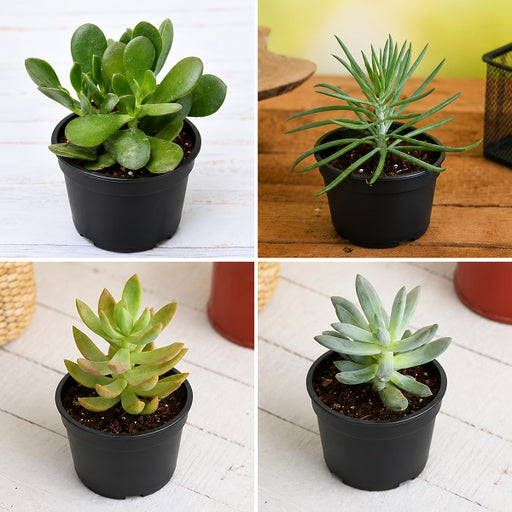
View full detailsTop 4 Die Hard Succulents Pack Note: Plants included in this pack will be delivered in a 3-inch nursery pot (any color). Transform your indoor or ...
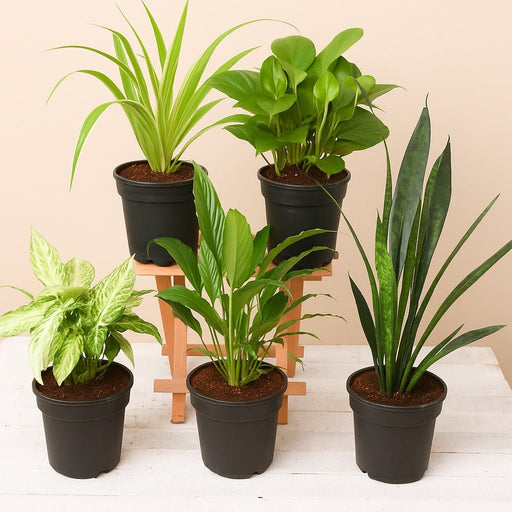
View full details5 Best Indoor Plants Pack Transform your living space into a lush oasis with our '5 Best Indoor Plants Pack.' This carefully curated collection fe...
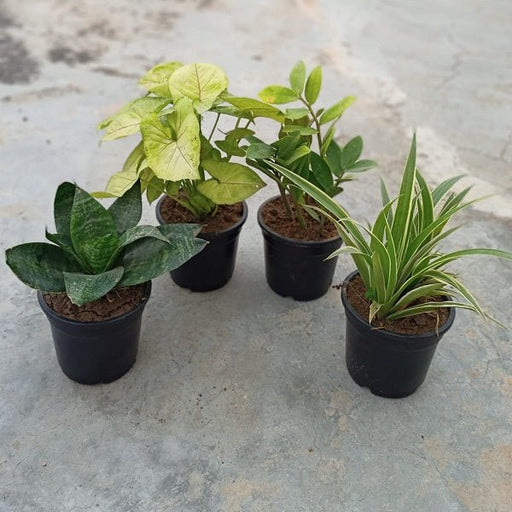
View full detailsSet of 4 Evergreen Air Purifier Plant Pack Transform your indoor space into a lush, green oasis with our Set of 4 Evergreen Air Purifier Pla...
View full detailsTop 5 Pollution Killer Plants Pack Transform your living space into a breath of fresh air with our 'Top 5 Pollution Killer Plants Pack'. This care...
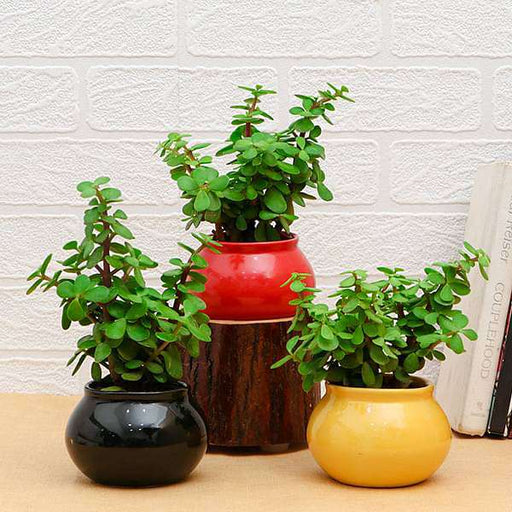
View full detailsPack of 3 Good Luck Jade Plants in Ceramic Pots Bring a touch of nature into your home with our Pack of 3 Good Luck Jade Plants, featuring...
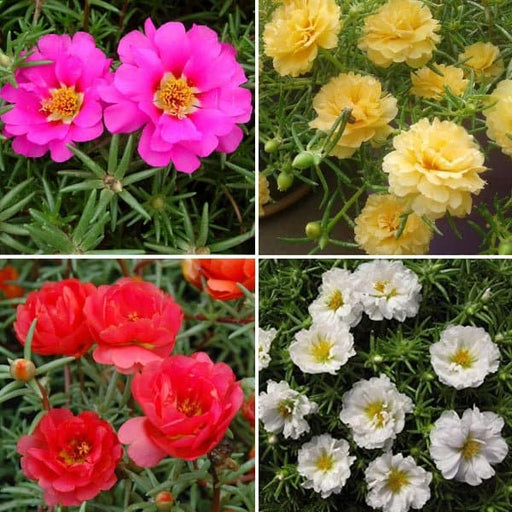
View full detailsPortulaca Garden Pack (4 Plants + 4 Black Pots) Note- You will get any color (Assorted) potted Porulaca plant with this pack. Transform your garde...
View full details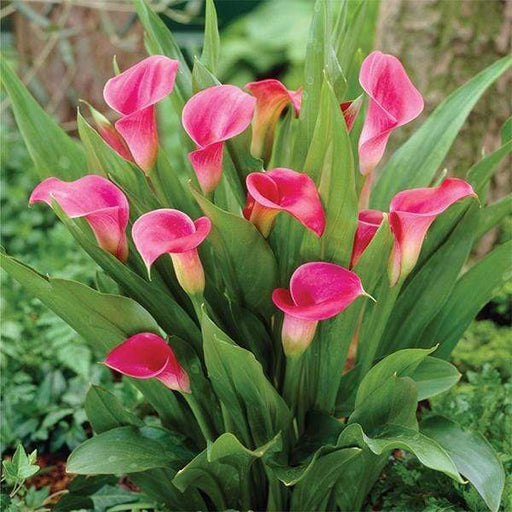






Leave a comment