
Expert Support
Available 24/7 via chat
Available 24/7 via chat
Euphorbia, affectionately known as the Crown of Thorns or Rosa Corona in Indian gardens, is a succulent powerhouse that thrives in our challenging climate. Whether you're a seasoned gardener or just beginning your plant journey, this drought-tolerant beauty rewards minimal effort with maximum visual impact—vibrant red flowers (and peach, yellow, white, and pink varieties) that bloom almost year-round. Easy to grow and forgiving of neglect, Euphorbia is ideal for busy Indian households, balconies with intense sun exposure, and anyone seeking a low-maintenance plant that doesn't compromise on charm.
Euphorbia milii, the species most commonly cultivated in India, is a spiny succulent shrub native to Madagascar. Its popularity across Indian nurseries stems from its ability to withstand extreme heat, poor soil, and irregular watering—conditions many Indian gardeners know all too well. The plant grows 12 inches (30 cm) tall and 6 inches (15 cm) wide as a starter, but given time and space, can reach 1–3 feet in height with a spread of 6–12 inches. Its distinctive thorny stems are crowned with glossy leaves and stunning flowers in shades of red, peach, yellow-red, ivory-white, pink-green, and white-pink, blooming almost year-round in Indian conditions. The common names—Crown of Thorns, Christ Plant, Christ Thorn, and spurge—reflect its historical and cultural significance in gardens worldwide.
| Requirement | Details |
|---|---|
| Light | Bright light to full sun (6+ hours daily) |
| Water | Allow top 1 inch (2.5 cm) to dry between waterings; less in winter |
| Soil | Fast-draining cactus potting mix |
| Temperature | 16–24°C (60–75°F); cooler rest at 13°C (55°F) in winter |
Euphorbia is a sun-worshipper. Provide bright light to full sun for at least 6 hours daily—ideally 8+ hours—to ensure prolific blooming. In India, this is rarely a problem: even a west-facing balcony or south-facing windowsill in most Indian cities offers more than enough light. The more sunlight your Euphorbia receives, the more vivid its flower colors become and the denser it blooms. In extremely hot Indian summers, if your plant sits indoors behind glass, it will cope fine; the glass filters some intensity but provides adequate light. However, if placed outdoors during peak summer (April–May in many regions), ensure it's gradually acclimated to intense afternoon sun to avoid stress on young growth. A plant that looks pale or weak is typically light-starved—move it to a brighter spot immediately.
This is where Euphorbia's succulent nature shines. Unlike most houseplants, Euphorbia stores water in its stems and is far happier dry than wet. The golden rule: allow the top 1 inch (2.5 cm) of soil to dry out completely between waterings. In Indian summers, this might mean watering every 5–7 days; during winter, when growth slows, water even less—perhaps every 10–14 days. Never let water sit on the leaves or stems; water only the soil, as moisture lingering on the plant invites fungal issues. During the monsoon season, reduce watering significantly or stop altogether if your plant sits outdoors. Overwatering is the number-one killer of Euphorbia. If you live in a region with hard water (common across much of India), water still drips on leaf surfaces more easily—another reason to direct water at the soil base only. In winter, when the plant enters dormancy, cut watering back further. A telltale sign of overwatering: soft, blackened stems near the soil line, indicating root rot.
Euphorbia demands fast-draining soil. A cactus potting mix is ideal—these mixes are formulated to drain quickly, mimicking the plant's native arid habitat. If using regular potting soil, amend it with 30–40% perlite or coarse sand to boost drainage. Ensure your pot has drainage holes; standing water is fatal. Feed your Euphorbia every 2 weeks from spring through fall with a balanced liquid fertilizer diluted to half strength. Standard NPK ratios work well. In winter, when growth slows, reduce feeding to once monthly. Over-fertilizing encourages soft, leggy growth prone to pests and disease, so stick to the diluted, infrequent approach. Many Indian gardeners find that a single spring application of slow-release fertilizer carries the plant through the season—experiment to find what works for your conditions.
Euphorbia grows best at average room temperatures between 16–24°C (60–75°F). In India, this range is achievable indoors during much of the year, though Indian summers often exceed this significantly. The good news: Euphorbia is surprisingly tolerant of heat and can survive temperatures well above 24°C, though blooming may slow during extreme heat (above 35°C). To promote robust flowering in spring and summer, provide a cooler winter rest around 13°C (55°F). This doesn't require a dedicated cold room—simply move the plant to an unheated area or near a window where nighttime temperatures naturally drop, or simply expose it to natural winter cool spells if you live in a cooler Indian region. Humidity is rarely an issue; Euphorbia actually prefers low to moderate humidity and dislikes damp air. If you live in a coastal region with high humidity, ensure excellent air circulation to prevent fungal problems.
Propagating Euphorbia is straightforward and rewarding. Take 3–4 inch (7–10 cm) cuttings from healthy stems, ideally in spring or summer. Let the cutting dry for 24–48 hours in a warm, shaded spot—this drying step is crucial, as the cut end is prone to rot if planted immediately. Once the end has calloused, insert it into a small pot filled with cactus potting mix. Water lightly and place in a warm, bright spot. Roots typically develop within 2–3 weeks. Avoid overwatering during this period; keep the mix barely moist. Many gardeners in India find that rooting cuttings in the warm months (April–September) yields faster results than winter propagation.
Root rot is the most common issue, caused by overwatering or waterlogged soil. If you notice soft, blackened stems, unpot the plant immediately, trim away rotted roots with a clean knife, repot into fresh, dry cactus mix, and hold off watering for 1–2 weeks. Mealybugs and spider mites occasionally plague Euphorbia, especially in dry indoor conditions; spray affected plants with neem oil or insecticidal soap every 7–10 days until clear. Yellowing lower leaves are normal as the plant matures; simply prune them off. If the plant looks pale and weak despite good light, it's likely a root problem—check the roots and soil immediately.
Ready to grow your own? Shop Euphorbia at Nurserylive →
Euphorbia (Red) - Succulent Plant The Euphorbia (Red) is a striking succulent known for its vibrant red coloration and unique architectura...
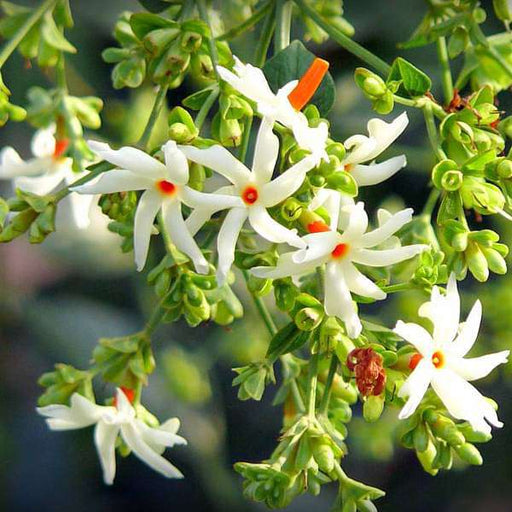
View full detailsCombo Constituents Includes the Parijat Tree (Night-Flowering Jasmine), a culturally significant plant with fragrant flowers. Description The Pari...
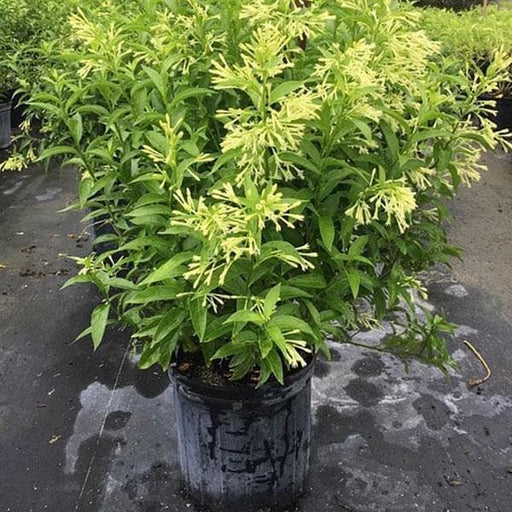
View full detailsDescription Raat Ki Rani (*Cestrum nocturnum*), also known as Night Blooming Jasmine, is a fragrant shrub native to the Caribbean and Central Ameri...
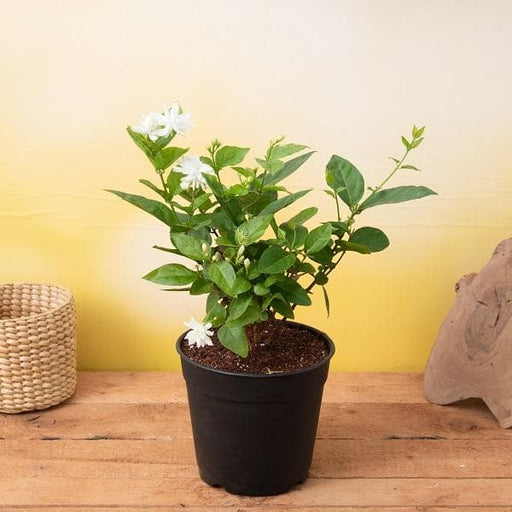
View full detailsJasminum sambac, Mogra, Arabian Jasmine - Plant Jasminum sambac, commonly known as Mogra or Arabian Jasmine, is a fragrant flowering plant...
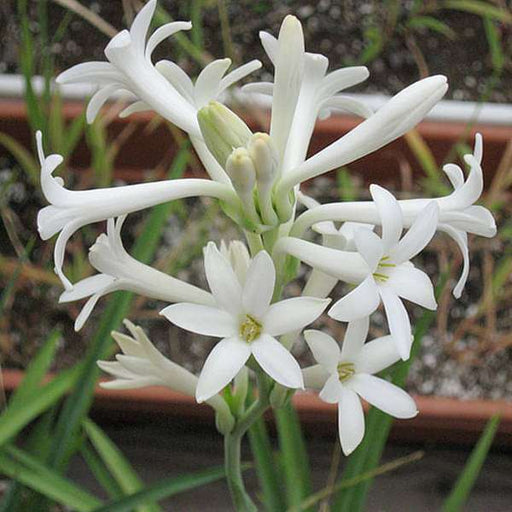
View full detailsRajnigandha, Tuberose - Plant The Rajnigandha, scientifically known as Polianthes tuberosa, is a captivating perennial plant renowned for ...
View full detailsCitronella, Odomas - Plant The Citronella plant, scientifically known as Cymbopogon nardus, is a tropical grass renowned for its aromatic ...
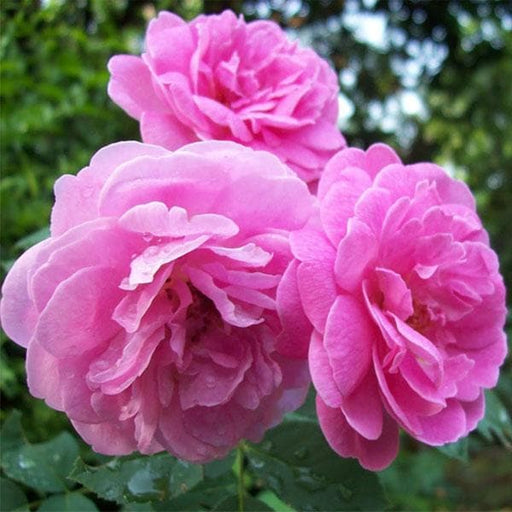
View full detailsDamascus Rose, Scented Rose (Any Color) - Plant The Damascus Rose, also known as Rosa damascena, is a timeless symbol of beauty and romanc...
View full detailsMiniature Rose, Button Rose (Any Color) - Plant The Miniature Rose, also known as the Button Rose, is a charming and compact flowering plant that ...
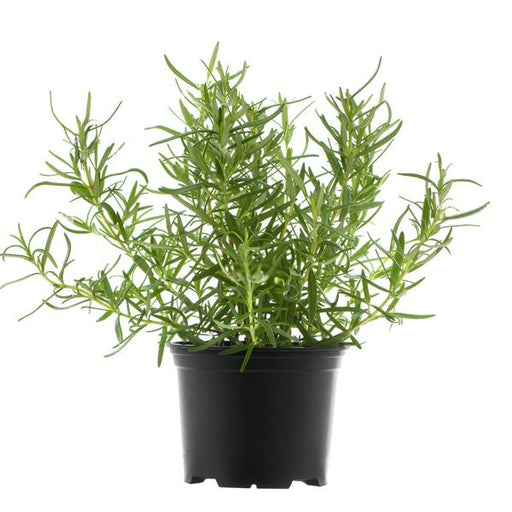
View full detailsRosemary - Plant Rosemary (Rosmarinus officinalis) is a fragrant evergreen herb native to the Mediterranean region. Known for its needle-like leav...
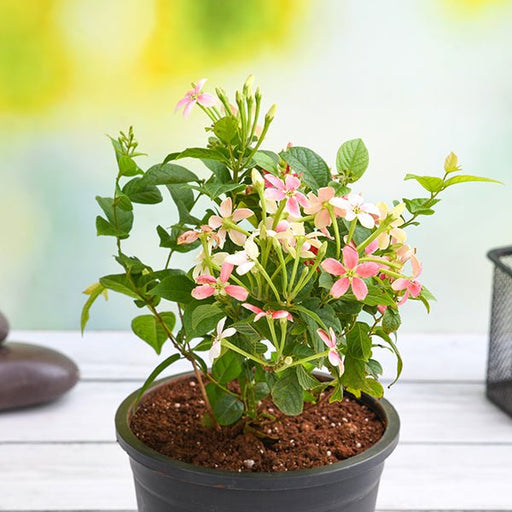
View full detailsMadhumalti Dwarf, Rangoon Creeper - Plant The Madhumalti Dwarf, also known as the Rangoon Creeper (Quisqualis indica), is a stunning perennial vin...
View full detailsBest 6 Plants for Perfect Indoor Garden Transform your living space into a lush oasis with our curated collection of the Best 6 Plants for a...
View full detailsBest 6 Plants for Perfect Indoor Garden Transform your living space into a lush oasis with our curated collection of the Best 6 Plants for a...
View full detailsMini Succulent Garden Pack Transform your space with our Mini Succulent Garden Pack, featuring a delightful collection of 4 any variety beautiful s...
View full details5 Best Fragrant Plants Transform your garden or indoor space into a fragrant paradise with our curated selection of the 5 Best Fragrant Plants. Th...
View full detailsSet of 2 Bonsai Looking Grafted Adeniums Transform your indoor or outdoor space with our exquisite Set of 2 Bonsai Looking Grafted Adenium...
View full detailsTop 4 Die Hard Succulents Pack Note: Plants included in this pack will be delivered in a 3-inch nursery pot (any color). Transform your indoor or ...
View full details5 Best Indoor Plants Pack Transform your living space into a lush oasis with our '5 Best Indoor Plants Pack.' This carefully curated collection fe...
View full detailsSet of 4 Evergreen Air Purifier Plant Pack Transform your indoor space into a lush, green oasis with our Set of 4 Evergreen Air Purifier Pla...
View full detailsTop 5 Pollution Killer Plants Pack Transform your living space into a breath of fresh air with our 'Top 5 Pollution Killer Plants Pack'. This care...
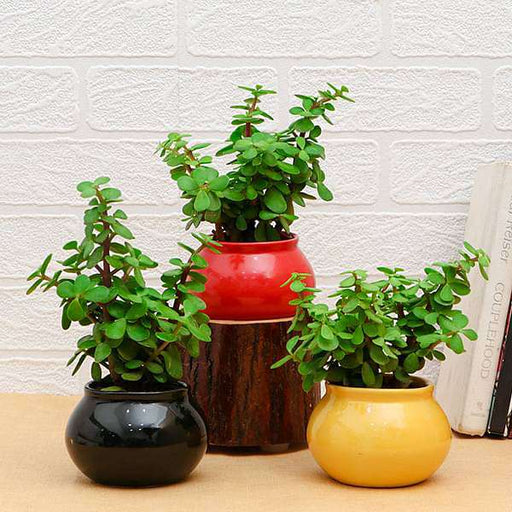
View full detailsPack of 3 Good Luck Jade Plants in Ceramic Pots Bring a touch of nature into your home with our Pack of 3 Good Luck Jade Plants, featuring...
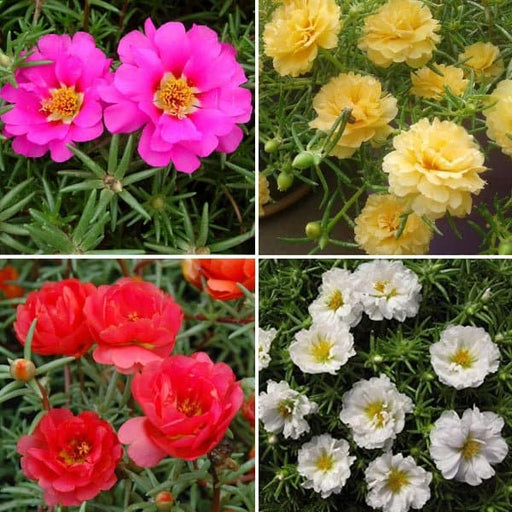
View full detailsPortulaca Garden Pack (4 Plants + 4 Black Pots) Note- You will get any color (Assorted) potted Porulaca plant with this pack. Transform your garde...
View full details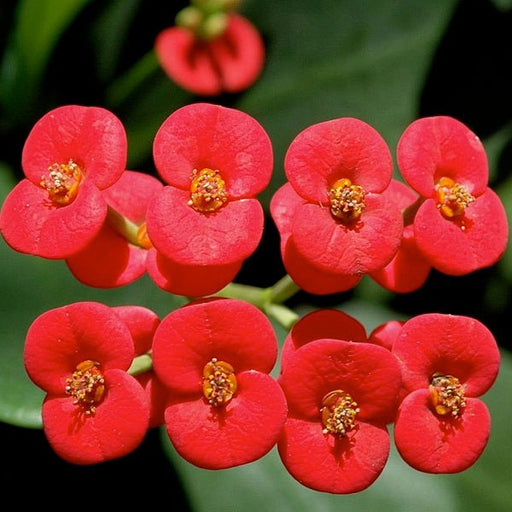












Leave a comment