
Expert Support
Available 24/7 via chat
Available 24/7 via chat
Geraniums—known locally as malva or malvon—are among the easiest flowering plants to grow in Indian gardens. With their cheerful pink blooms and minimal fuss, these hardy plants thrive in containers, borders, and balconies across the country. Whether you're a seasoned gardener or just starting out, geraniums reward you with continuous flowers from spring through winter, making them a gardener's favourite for adding reliable colour without demanding constant attention.
The geranium (Pelargonium hortorum), or zonal geranium as it's botanically known, is a bushy perennial flower that reaches 12 inches (30 cm) in height with a spread of 6 inches (15 cm)—though some dwarf varieties stay even more compact. In India, it's cherished as a pet-friendly companion that attracts pollinators while remaining safe for households with pets and children. Its distinctive zoned leaves (marked with darker bands) and dense clusters of soft pink flowers make it a visual delight, and unlike many ornamentals, geraniums actually improve with age when cared for properly, becoming bushier and more prolific over seasons.
| Aspect | Requirement |
| Light | Full sun to partial shade; best blooms in full sun (6–8 hours daily) |
| Watering | Wet-saturated to moist-dry cycle; let soil dry between waterings |
| Soil | Organic compost mixed with peat moss, vermiculite, and perlite in quality potting soil |
| Temperature | 60–70°F (15–21°C); thrives in Indian winters; needs afternoon shade in summer |
Geraniums perform best in full sun, where they develop dense foliage and abundant flowers. In Indian conditions, aim for at least 6–8 hours of direct sunlight daily, ideally morning sun with afternoon protection during the harsh months of April to June. In cooler regions or during monsoon when cloud cover is heavy, move container plants to brighter spots to maintain flowering momentum. Insufficient light results in leggy, weak growth and sparse blooms—a common complaint when geraniums are tucked into shaded corners. Even a few hours of afternoon shade in peak summer heat (40°C+) helps prevent stress without sacrificing flowering.
This is where many Indian gardeners struggle. Geraniums hate sitting in waterlogged soil, yet they need consistent moisture to flower well. Establish a wet-saturated to moist-dry watering cycle: water thoroughly until soil is completely saturated and water drains freely from the pot, then allow soil to dry out noticeably—almost crispy—before the next watering. Stick your finger 1 inch into the soil; if it feels dry, water; if moist, wait. During monsoon (June to September), drastically reduce frequency and ensure pots have adequate drainage holes to prevent root rot from excess rainfall. Hard water, common in many Indian cities, can gradually affect plant health; water collected from air conditioners or slightly aged rainwater is ideal. In winter (November to March), water less frequently as growth naturally slows. Many geranium deaths in India trace directly to overwatering, not neglect.
Use high-quality container potting soil enriched with organic compost. The mix should contain peat moss, vermiculite, and perlite for superior drainage and aeration—this prevents waterlogging while retaining just enough moisture for healthy roots. Geraniums are moderate feeders whose demand for fertilizer increases directly with sunlight exposure. During the growing season (October to April in India), feed every two weeks with a balanced, water-soluble fertilizer. Skip or reduce feeding during May-June heat stress and monsoon (June-September) when growth naturally slows. In hard-water areas, alternate between regular fertilizer and chelated iron supplements to prevent nutrient lockup and chlorosis. Organic options like diluted fish emulsion or seaweed extract work gently and improve soil biology over time.
The ideal temperature range is 60–70°F (15–21°C), which aligns perfectly with Indian winter months when geraniums thrive and flower abundantly. During scorching summers, growth slows significantly and flowering often stops entirely; provide afternoon shade and increase watering frequency to help plants cope with heat stress. Geraniums tolerate humidity but dislike prolonged wetness on foliage during monsoon—this invites fungal diseases like powdery mildew and leaf spots. Space plants well apart, ensure good air circulation around foliage, and avoid overhead watering, especially in evenings. If fungal spots appear after heavy rains, remove affected leaves immediately and treat with sulphur dusting or neem oil spray applied in early morning or late evening.
Geraniums propagate easily from cuttings, making it simple to multiply your plants and gift to fellow gardeners. Take 4–6 inch cuttings from healthy, non-flowering stems during spring (February-March) or early monsoon. Remove the lower leaves, optionally dip the cut end in rooting hormone, and insert firmly into moist potting soil or coarse sand. Cover loosely with a clear plastic bag to retain humidity and place in bright, indirect light away from direct sun. Roots typically develop within 2–3 weeks. Once established with visible new growth, pot into individual containers and treat as mature plants. While geraniums can be grown from seed, cuttings are significantly faster (4-6 weeks to flowering) and produce plants genetically identical to the parent, ensuring you get the exact flower colour and form you want.
Overwatering: The leading cause of geranium decline across India. Yellowing leaves, soft mushy stems, and a musty soil smell all signal root rot; reduce watering frequency immediately and improve drainage or repot into fresh soil. Fungal diseases: Monsoon humidity can trigger powdery mildew, grey mould, or rust-coloured leaf spots. Remove affected foliage, improve air circulation, and use sulphur powder or neem-based treatments. Leggy growth: Results from inadequate light or skipped pruning. Pinch shoot tips in early spring to encourage bushiness. Poor flowering: Usually caused by insufficient sunlight or excessive nitrogen feeding (too much leaf growth, few flowers). Increase light exposure and switch to a flowering-formula fertilizer. Pests: Spider mites thrive in hot, dry conditions; whiteflies and mealybugs occasionally appear. Spray with diluted neem oil or insecticidal soap if infestation occurs.
Ready to grow your own? Shop Geranium at Nurserylive →
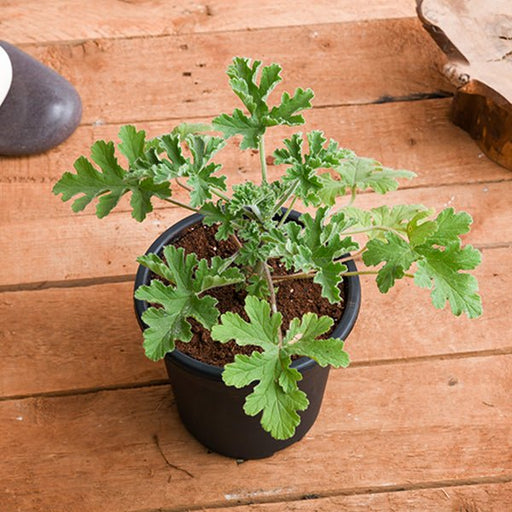
Geranium (Pink) - Plant The Pink Geranium (Pelargonium) is a stunning flowering plant known for its vibrant pink blooms and lush green fol...
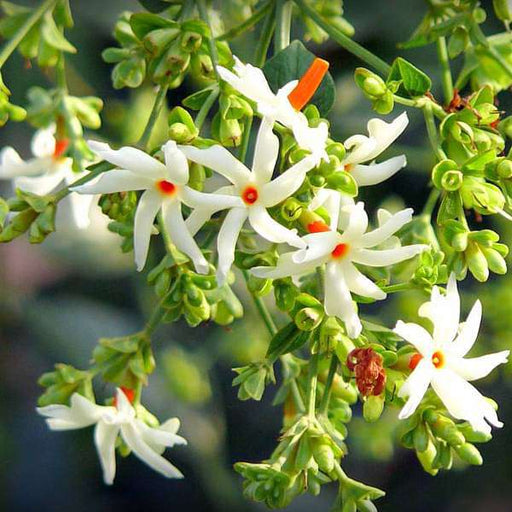
View full detailsCombo Constituents Includes the Parijat Tree (Night-Flowering Jasmine), a culturally significant plant with fragrant flowers. Description The Pari...
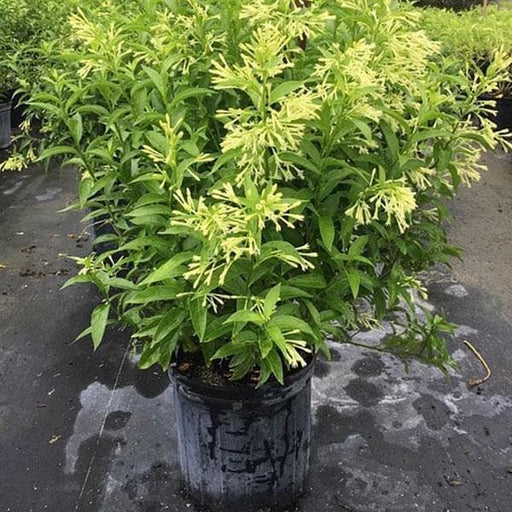
View full detailsDescription Raat Ki Rani (*Cestrum nocturnum*), also known as Night Blooming Jasmine, is a fragrant shrub native to the Caribbean and Central Ameri...
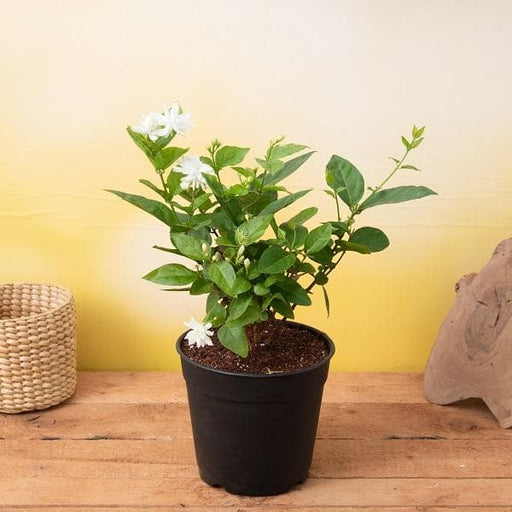
View full detailsJasminum sambac, Mogra, Arabian Jasmine - Plant Jasminum sambac, commonly known as Mogra or Arabian Jasmine, is a fragrant flowering plant...
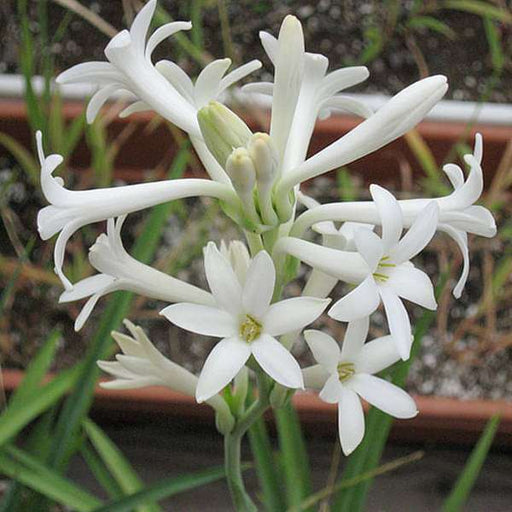
View full detailsRajnigandha, Tuberose - Plant The Rajnigandha, scientifically known as Polianthes tuberosa, is a captivating perennial plant renowned for ...
View full detailsCitronella, Odomas - Plant The Citronella plant, scientifically known as Cymbopogon nardus, is a tropical grass renowned for its aromatic ...
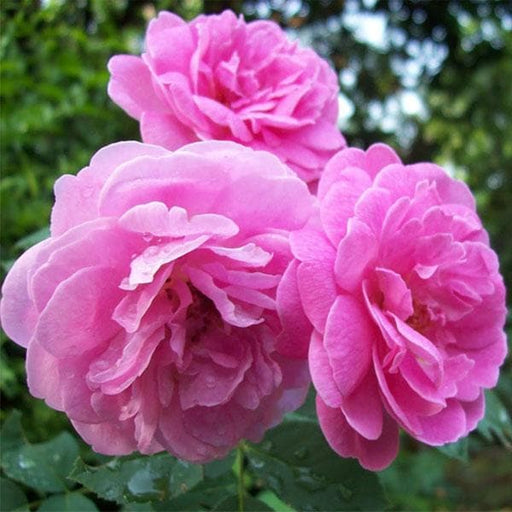
View full detailsDamascus Rose, Scented Rose (Any Color) - Plant The Damascus Rose, also known as Rosa damascena, is a timeless symbol of beauty and romanc...
View full detailsMiniature Rose, Button Rose (Any Color) - Plant The Miniature Rose, also known as the Button Rose, is a charming and compact flowering plant that ...
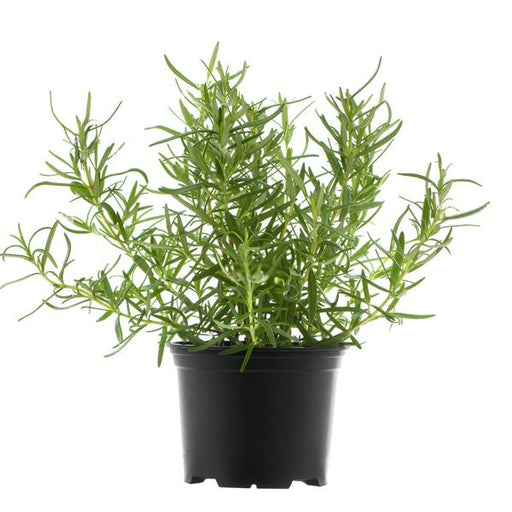
View full detailsRosemary - Plant Rosemary (Rosmarinus officinalis) is a fragrant evergreen herb native to the Mediterranean region. Known for its needle-like leav...
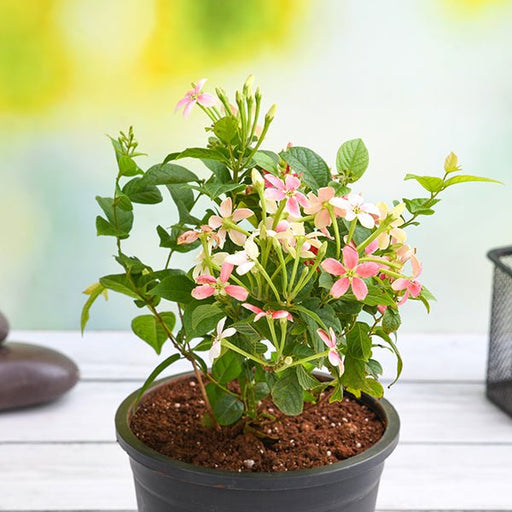
View full detailsMadhumalti Dwarf, Rangoon Creeper - Plant The Madhumalti Dwarf, also known as the Rangoon Creeper (Quisqualis indica), is a stunning perennial vin...
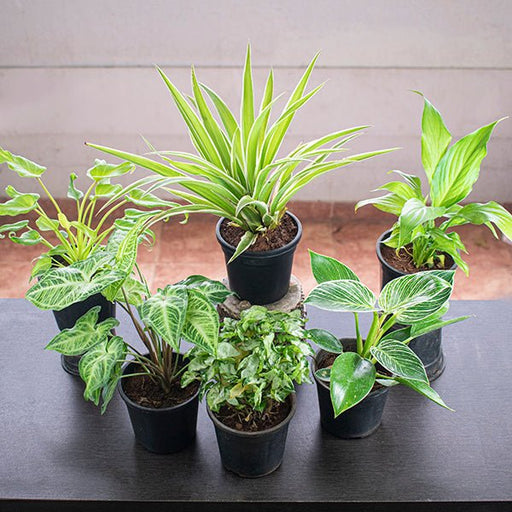
View full detailsBest 6 Plants for Perfect Indoor Garden Transform your living space into a lush oasis with our curated collection of the Best 6 Plants for a...
View full detailsBest 6 Plants for Perfect Indoor Garden Transform your living space into a lush oasis with our curated collection of the Best 6 Plants for a...
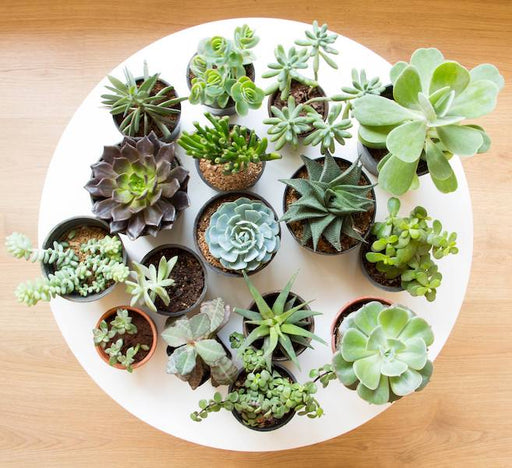
View full detailsMini Succulent Garden Pack Transform your space with our Mini Succulent Garden Pack, featuring a delightful collection of 4 any variety beautiful s...
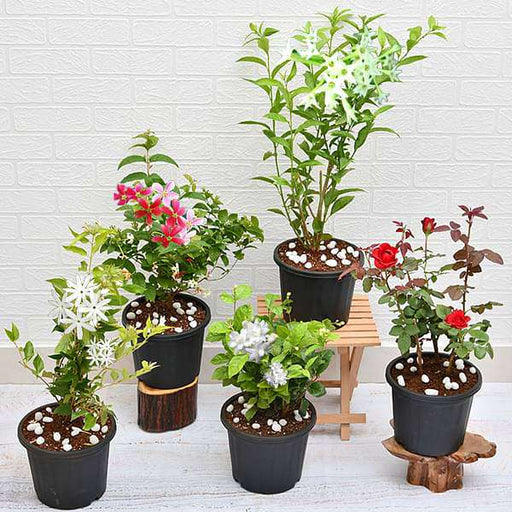
View full details5 Best Fragrant Plants Transform your garden or indoor space into a fragrant paradise with our curated selection of the 5 Best Fragrant Plants. Th...
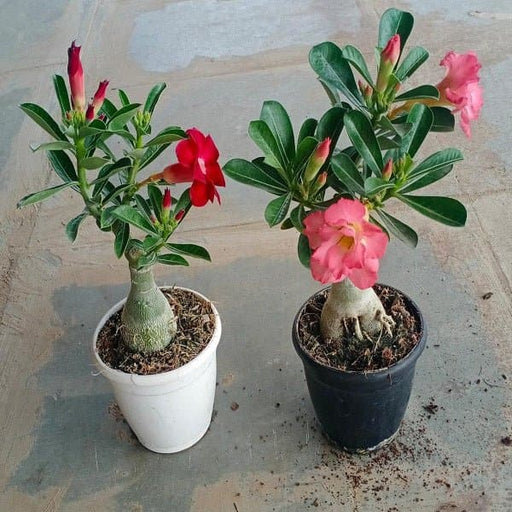
View full detailsSet of 2 Bonsai Looking Grafted Adeniums Transform your indoor or outdoor space with our exquisite Set of 2 Bonsai Looking Grafted Adenium...
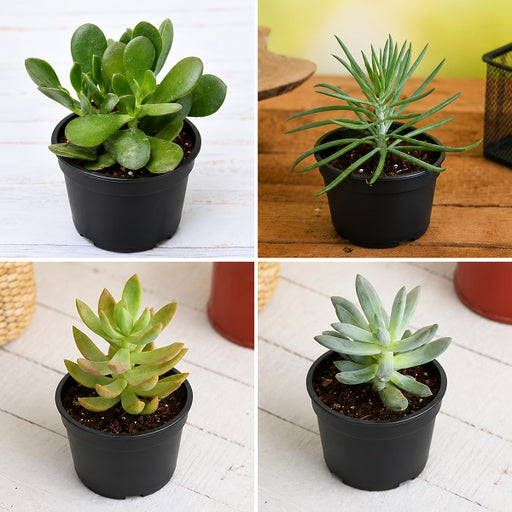
View full detailsTop 4 Die Hard Succulents Pack Note: Plants included in this pack will be delivered in a 3-inch nursery pot (any color). Transform your indoor or ...
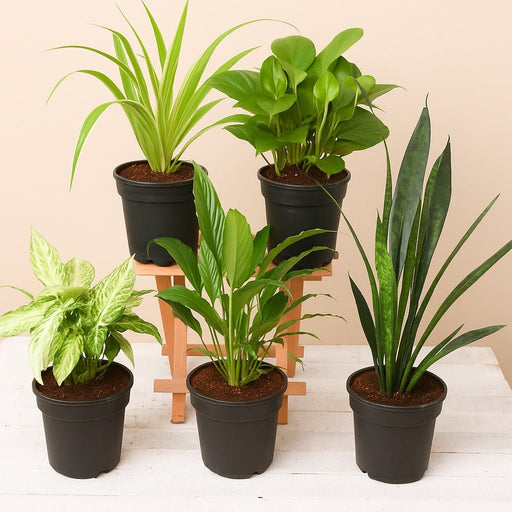
View full details5 Best Indoor Plants Pack Transform your living space into a lush oasis with our '5 Best Indoor Plants Pack.' This carefully curated collection fe...
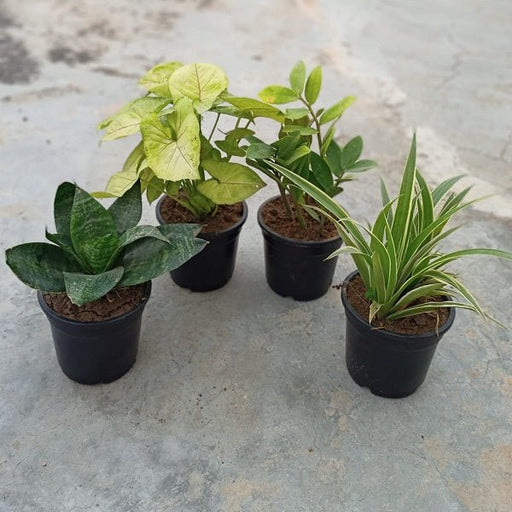
View full detailsSet of 4 Evergreen Air Purifier Plant Pack Transform your indoor space into a lush, green oasis with our Set of 4 Evergreen Air Purifier Pla...
View full detailsTop 5 Pollution Killer Plants Pack Transform your living space into a breath of fresh air with our 'Top 5 Pollution Killer Plants Pack'. This care...
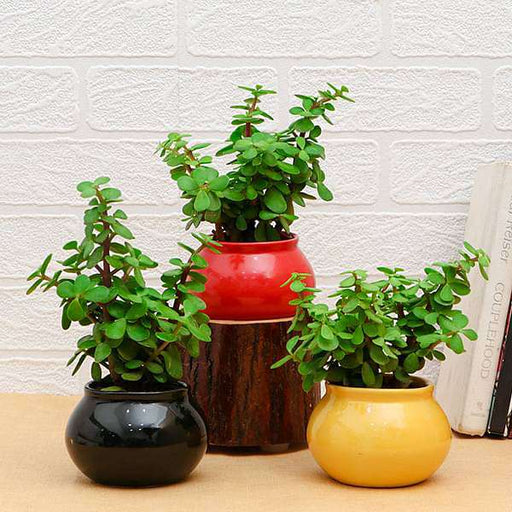
View full detailsPack of 3 Good Luck Jade Plants in Ceramic Pots Bring a touch of nature into your home with our Pack of 3 Good Luck Jade Plants, featuring...
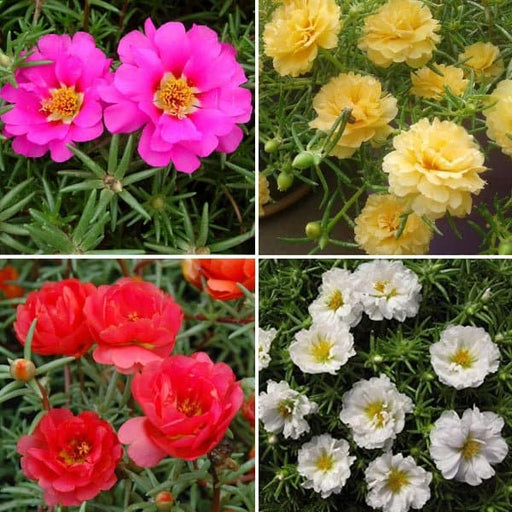
View full detailsPortulaca Garden Pack (4 Plants + 4 Black Pots) Note- You will get any color (Assorted) potted Porulaca plant with this pack. Transform your garde...
View full details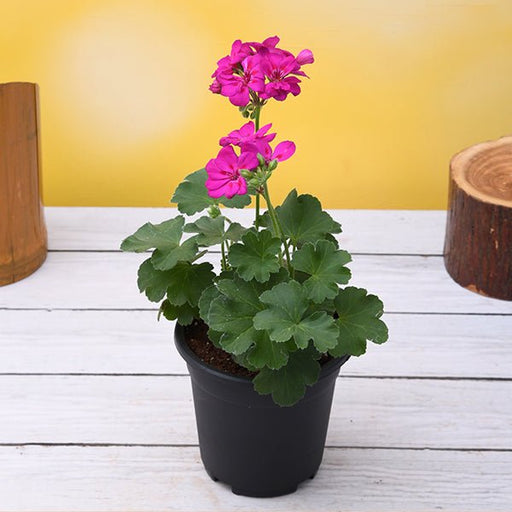





Leave a comment