
Expert Support
Available 24/7 via chat
Available 24/7 via chat
The Barbados cherry tree brings tropical charm and fresh fruit to your Indian garden with minimal fuss. This compact, easy-to-grow tree is remarkably forgiving, making it ideal for both seasoned gardeners and beginners. Whether you're growing it in a container on your apartment balcony or nestled in your garden beds, this versatile fruit tree rewards you with delicate pink blooms and nutrient-dense red cherries bursting with vitamin C.
The Barbados cherry tree, scientifically known as Malpighia emarginata, carries several affectionate names across India: Acerola, West Indian cherry, and wild crepe myrtle. This tropical native has adapted beautifully to Indian growing conditions and is perfectly suited to our diverse climate zones. Your new sapling arrives at approximately 25 inches (64 cm) in height and can eventually grow into a mature tree reaching 2 to 3 meters tall—a manageable size even for modest gardens. The tree's compact, spreading habit makes it exceptionally container-friendly, opening possibilities for balcony gardeners and those with limited outdoor space.
What makes this tree truly special is its extended flowering season: pink blossoms appear reliably from April through October, creating weeks of delicate beauty. Approximately one month after flowering concludes, you'll harvest small, bright red cherries in June and July—a rewarding conclusion to the growing cycle. These fruits are not just beautiful; they're packed with vitamin C and antioxidants, perfect for eating fresh, juicing, or incorporating into your kitchen.
| Care Aspect | Details |
|---|---|
| Light | Natural bright light with morning sunlight; minimum 6 hours daily |
| Water | 4 cups (approximately 200 ml) when top 1-2 inches of soil feel dry |
| Soil | Well-drained, fertile, rich in organic content |
| Temperature | 15-30°C (ideal for most Indian regions) |
Barbados cherry trees are sun-enthusiasts and thrive with abundant natural light. Your tree needs at least 6 hours of natural bright light daily, with morning sunlight being particularly beneficial. In India's intense summer sun, this translates to positioning your tree where it catches morning rays and receives good midday light, but has some afternoon shade during peak heat. A south or east-facing window for container plants, or a similar orientation in your garden, works beautifully. If you notice your tree becoming leggy (sparse with elongated stems) or failing to flower, insufficient light is the usual culprit—don't hesitate to relocate it to a brighter spot.
Mastering watering is essential for robust growth and generous fruiting. Water your Barbados cherry tree when the top 1 to 2 inches of soil feel dry to the touch, providing approximately 4 cups (200 ml) of water per watering session. During India's scorching summers, your tree may need watering every 2 to 3 days; during cooler months, reduce frequency to prevent waterlogging. The monsoon season requires special attention—let the soil dry slightly between waterings, as these trees hate sitting in wet soil. This is critical for preventing root rot, which thrives in constantly moist conditions. Always water with room-temperature water and ensure your pot has drainage holes so excess water escapes freely.
Your Barbados cherry tree performs best in well-drained, fertile soil enriched with organic matter. When potting or planting, use quality potting mix generously amended with compost or aged manure. If you live in an area with hard water (common across many Indian regions), occasionally flush the soil with distilled water to prevent mineral salt accumulation, which can stress the plant. During the main growing season—February through May—apply organic fertilizer once monthly to fuel vigorous growth and spectacular flowering. Excellent organic options include neem cake, vermicompost, or fish emulsion. Resist the temptation to over-fertilize; excess nitrogen promotes leafy growth at the expense of flowers and fruit. Your reward for moderate, timely feeding will be consistent productivity.
The ideal temperature range of 15 to 30°C aligns perfectly with most of India's climate throughout the year. This tree shows impressive heat tolerance, handling India's summer extremes well when provided adequate water. However, it appreciates some humidity during dry spells—occasional misting of foliage (carefully avoiding flowers and fruit) helps simulate tropical conditions. The fact that your tree naturally fruits during June and July, India's monsoon season, demonstrates how well it has adapted to our moisture-rich growing conditions. In frost-prone regions of northern India where temperatures may drop below 10°C during winter, protect young potted plants by bringing them indoors or wrapping them with frost cloth. In most of India, the climate naturally provides ideal conditions year-round.
While seeds from ripe Barbados cherries germinate readily, they may not produce trees identical to the parent—a characteristic of many fruit trees. For true-to-type plants, semi-hardwood cuttings taken during spring or early summer offer better results. Cut 3 to 4 inch segments just below a leaf node, remove lower leaves, and place the cuttings in moist propagation medium such as peat or coco-peat. Maintain warmth and humidity, misting regularly; roots typically develop within 3 to 4 weeks. Once established, pot the rooted cutting in well-drained soil and provide bright, indirect light until vigorous growth resumes. For home gardeners preferring simplicity, seed propagation works beautifully: extract seeds from ripe fruit, clean thoroughly, sow in moist seed-starting mix, and keep warm and consistently moist until germination occurs—usually within 2 to 3 weeks.
The Barbados cherry's reputation for being easy to grow stems partly from its natural disease resistance. However, remain vigilant for spider mites during India's hot, dry spells—these tiny pests thrive in low humidity. Increase air circulation and humidity around your tree, and spray with diluted neem oil if infestation occurs. Overwatering, particularly during monsoon or when soil drains poorly, can trigger root rot; always ensure soil dries slightly between waterings and use well-drained potting mix. Yellowing leaves often signal either nutrient deficiency or soggy roots—inspect soil moisture and consider applying organic fertilizer during the growing season if deficiency seems likely. If your tree flowers sparsely or not at all, insufficient light or excessive nitrogen fertilizer are the usual suspects; move to a brighter location and reduce fertilizer concentration. Fruit flies may be attracted to ripening fruit but rarely cause serious damage in home gardens.
Ready to grow your own? Shop Barbados cherry tree at Nurserylive →
Barbados Cherry Tree (Malpighia emarginata) - Plant The Barbados cherry tree, scientifically known as Malpighia emarginata, is a tropical ...
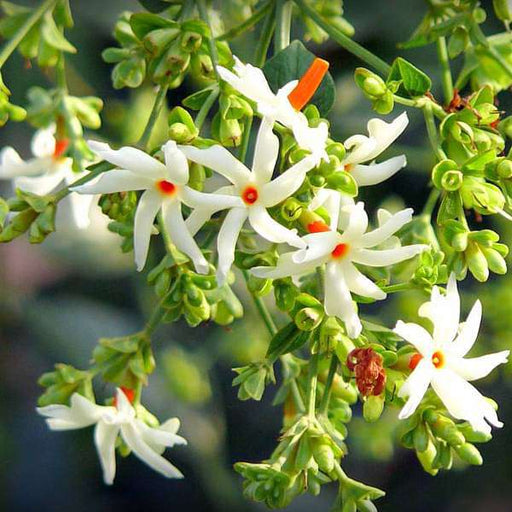
View full detailsCombo Constituents Includes the Parijat Tree (Night-Flowering Jasmine), a culturally significant plant with fragrant flowers. Description The Pari...
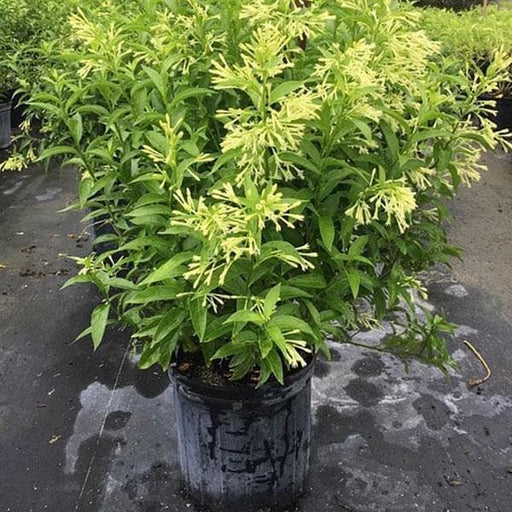
View full detailsDescription Raat Ki Rani (*Cestrum nocturnum*), also known as Night Blooming Jasmine, is a fragrant shrub native to the Caribbean and Central Ameri...
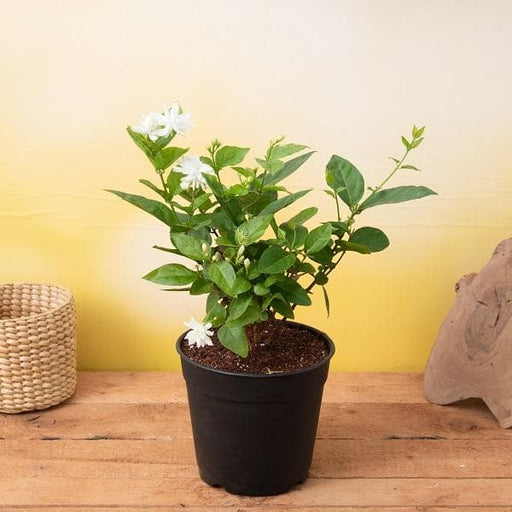
View full detailsJasminum sambac, Mogra, Arabian Jasmine - Plant Jasminum sambac, commonly known as Mogra or Arabian Jasmine, is a fragrant flowering plant...
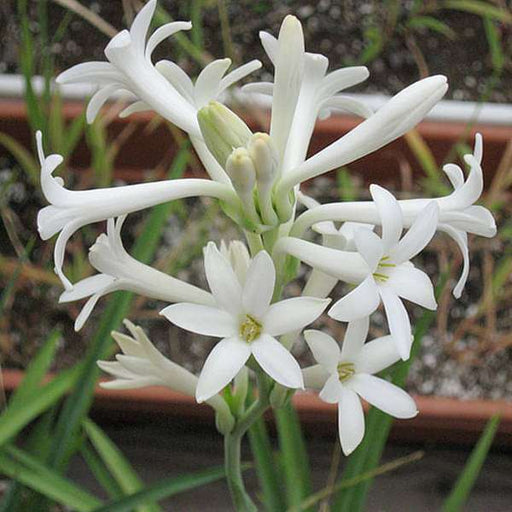
View full detailsRajnigandha, Tuberose - Plant The Rajnigandha, scientifically known as Polianthes tuberosa, is a captivating perennial plant renowned for ...
View full detailsCitronella, Odomas - Plant The Citronella plant, scientifically known as Cymbopogon nardus, is a tropical grass renowned for its aromatic ...
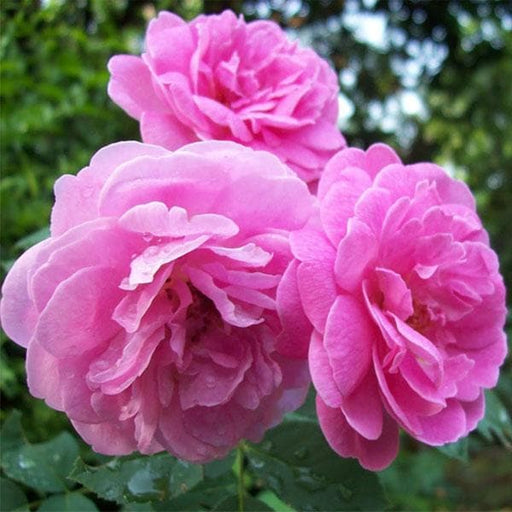
View full detailsDamascus Rose, Scented Rose (Any Color) - Plant The Damascus Rose, also known as Rosa damascena, is a timeless symbol of beauty and romanc...
View full detailsMiniature Rose, Button Rose (Any Color) - Plant The Miniature Rose, also known as the Button Rose, is a charming and compact flowering plant that ...
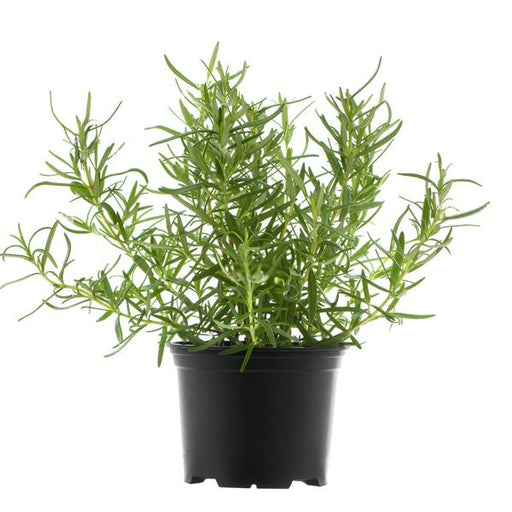
View full detailsRosemary - Plant Rosemary (Rosmarinus officinalis) is a fragrant evergreen herb native to the Mediterranean region. Known for its needle-like leav...
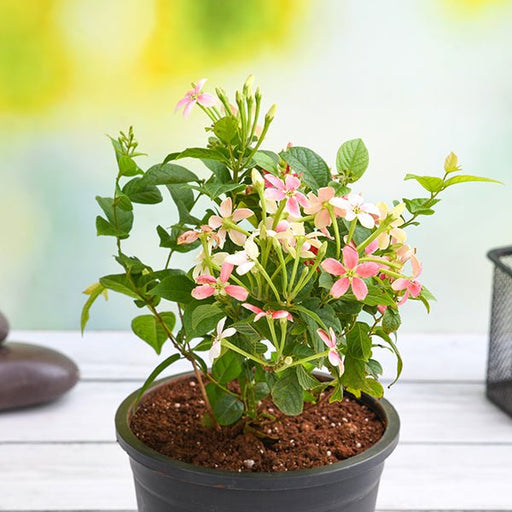
View full detailsMadhumalti Dwarf, Rangoon Creeper - Plant The Madhumalti Dwarf, also known as the Rangoon Creeper (Quisqualis indica), is a stunning perennial vin...
View full detailsBest 6 Plants for Perfect Indoor Garden Transform your living space into a lush oasis with our curated collection of the Best 6 Plants for a...
View full detailsBest 6 Plants for Perfect Indoor Garden Transform your living space into a lush oasis with our curated collection of the Best 6 Plants for a...
View full detailsMini Succulent Garden Pack Transform your space with our Mini Succulent Garden Pack, featuring a delightful collection of 4 any variety beautiful s...
View full details5 Best Fragrant Plants Transform your garden or indoor space into a fragrant paradise with our curated selection of the 5 Best Fragrant Plants. Th...
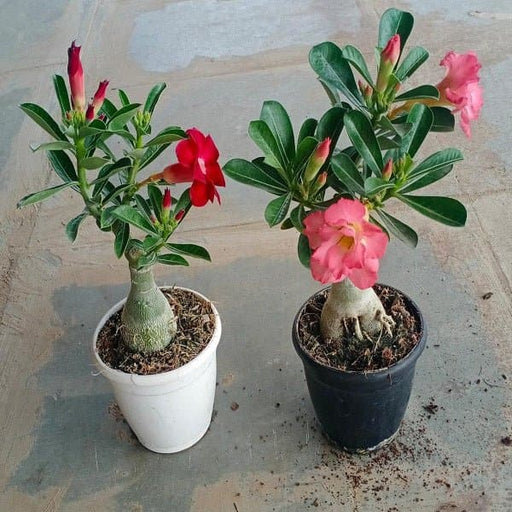
View full detailsSet of 2 Bonsai Looking Grafted Adeniums Transform your indoor or outdoor space with our exquisite Set of 2 Bonsai Looking Grafted Adenium...
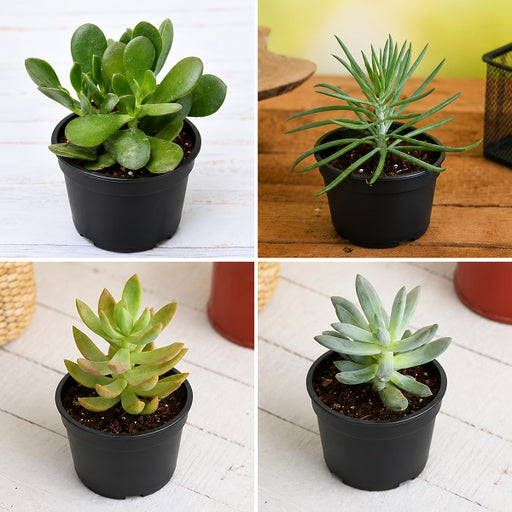
View full detailsTop 4 Die Hard Succulents Pack Note: Plants included in this pack will be delivered in a 3-inch nursery pot (any color). Transform your indoor or ...
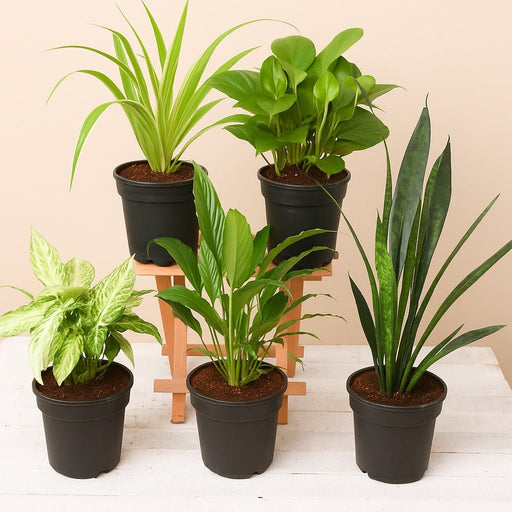
View full details5 Best Indoor Plants Pack Transform your living space into a lush oasis with our '5 Best Indoor Plants Pack.' This carefully curated collection fe...
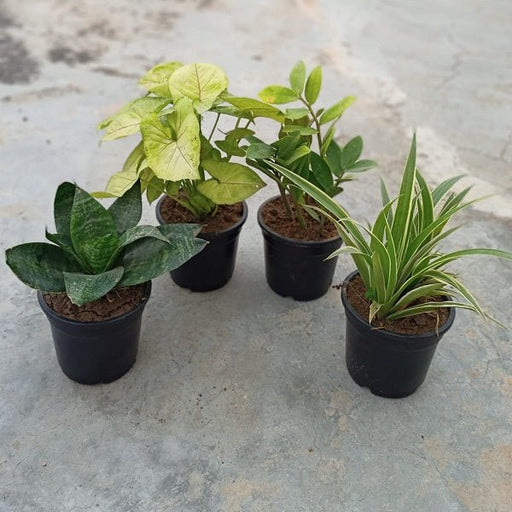
View full detailsSet of 4 Evergreen Air Purifier Plant Pack Transform your indoor space into a lush, green oasis with our Set of 4 Evergreen Air Purifier Pla...
View full detailsTop 5 Pollution Killer Plants Pack Transform your living space into a breath of fresh air with our 'Top 5 Pollution Killer Plants Pack'. This care...
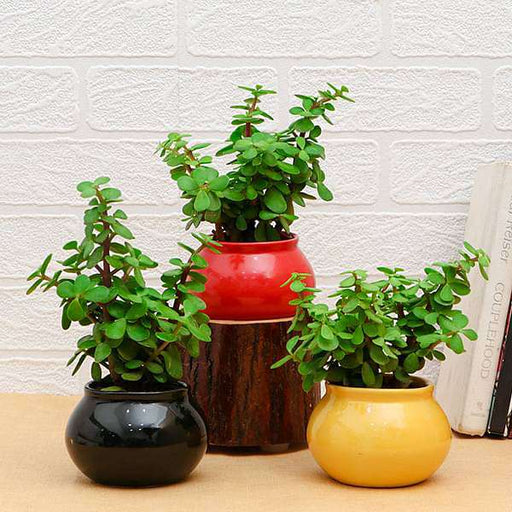
View full detailsPack of 3 Good Luck Jade Plants in Ceramic Pots Bring a touch of nature into your home with our Pack of 3 Good Luck Jade Plants, featuring...
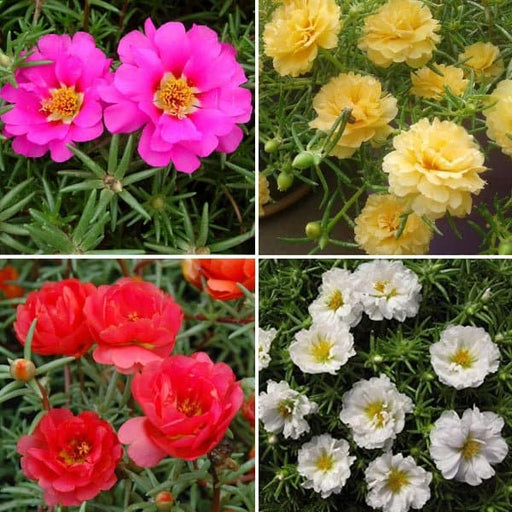
View full detailsPortulaca Garden Pack (4 Plants + 4 Black Pots) Note- You will get any color (Assorted) potted Porulaca plant with this pack. Transform your garde...
View full details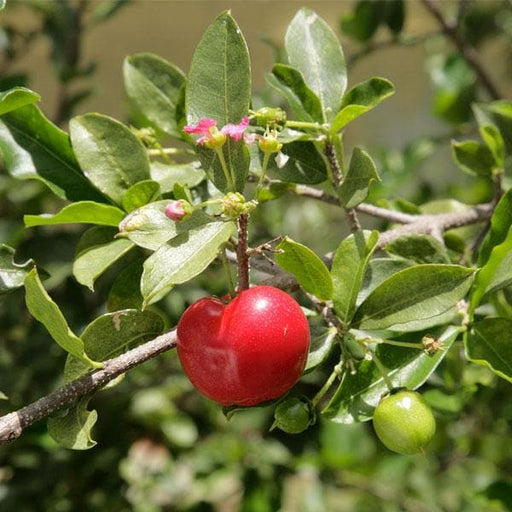






Leave a comment