
Expert Support
Available 24/7 via chat
Available 24/7 via chat
If you're searching for a striking yet easy-to-care-for fern to brighten a shaded corner, the Asplenium nidus Crissie might be your answer. With its lush, cascading fronds and remarkable adaptability to low-light spaces, this shade-loving beauty is perfect for bedrooms and living rooms across Indian homes. Whether you're a first-time plant parent or an experienced gardener, the Crissie fern's low-maintenance nature makes it an excellent choice for anyone looking to add a touch of natural greenery without constant fussing.
Asplenium nidus, commonly known as the Bird's Nest Fern, is a tropical fern that produces distinctive lush green fronds. The Crissie cultivar is particularly prized for its compact growth habit and striking appearance, making it ideal for indoor spaces. Unlike many ferns that demand precision care, the Crissie fern is remarkably forgiving, thriving in the often-neglected shade corners of Indian homes. Its low-maintenance nature stems from its natural habitat in tropical understories, where it evolved to thrive with minimal direct sunlight and consistent moisture.
| Care Aspect | Details |
|---|---|
| Light | Indirect light, thrives in shade corners |
| Water | Moderate, keep soil consistently moist |
| Soil | Well-draining, high in organic matter |
| Temperature | Room temperature (typical indoor) |
The Crissie fern thrives in shade and indirect light, making it perfect for corners that receive minimal sunlight. Place it away from direct sun exposure, which can scorch its delicate fronds. Ideal locations include north-facing windows, interior corners, or spaces under a larger plant or bookshelf. The lower light tolerance of this fern makes it one of the best choices for Indian homes with deep rooms or blocked sunlight during intense summer heat. In fact, this fern is often happier indoors away from direct rays than exposed to the harsh midday sun of Indian summers.
As a low-maintenance fern, the Crissie requires moderate watering with consistent soil moisture. The key is to keep the soil uniformly moist without waterlogging the roots. During India's monsoon season, reduce watering frequency as natural humidity and rainfall increase. In drier seasons and during heated months when air conditioning is running, check the soil regularly and water when the top layer begins to feel slightly dry. Hard water is common in many Indian regions—if possible, use filtered or collected rainwater to minimize mineral buildup that can stress the plant over time.
Use a well-draining potting mix rich in organic matter. A mix of regular garden soil, coco coir, and peat moss or aged compost works well for the Crissie's needs. Ferns prefer slightly acidic soil, so avoid highly alkaline mixes that are common in some Indian regions. Feed lightly during the growing season (spring and summer) with a diluted, balanced fertilizer. The low-maintenance nature of this plant means you don't need heavy feeding—light applications every few weeks is sufficient to support healthy frond development without nutrient burn.
The Crissie fern is well-suited to typical Indian room temperatures and prefers warm conditions consistent with home environments. Avoid placing it in areas with cold drafts, air conditioner vents, or sudden temperature fluctuations that stress the plant. Humidity is crucial for ferns—Indian summers naturally provide adequate humidity, but in air-conditioned spaces, mist the fronds regularly or place the pot on a pebble tray with water to maintain moisture around the plant. This indoor fern adapts well to varied humidity levels compared to more temperamental fern species, making it genuinely low-maintenance even in challenging climates.
The Crissie fern can be propagated through spores found on the undersides of mature fronds. Collect spore-bearing fronds and allow them to dry over paper, then sow spores on moist, sterile growing medium in a humid environment. Propagation from spores is slow and requires patience—often taking several months—making it a project for patient gardeners willing to wait for results. Alternatively, mature plants may develop plantlets or offsets that can be separated and potted individually once they develop roots, providing a faster propagation method for those with established specimens.
The low-maintenance Crissie is generally pest-resistant, but watch for spider mites in dry conditions, particularly in air-conditioned spaces. Brown frond tips often indicate low humidity or irregular watering—improve humidity and maintain consistent moisture levels to resolve the issue. Root rot can occur if the soil remains waterlogged for extended periods; ensure drainage holes in the pot and use well-draining soil. Yellow fronds may indicate overwatering or poor drainage, so adjust your watering schedule and check that water drains freely. With the Crissie's forgiving nature, most problems are easily remedied by returning to appropriate watering and humidity levels.
Wipe fronds gently with a soft, damp cloth monthly to remove dust and maintain that lush green appearance the plant is known for. Rotate the plant every few weeks for even growth and to prevent it from leaning toward light sources. The Crissie's shade-loving nature makes it ideal for bathrooms, where steam from showers provides natural humidity—truly a perfect bedroom or bath fern. In Indian summer heat, keep it away from air conditioner vents, which create dry pockets that stress the plant. This fern pairs beautifully with other shade-loving plants like Pothos or Snake plants, creating a verdant bedroom corner or living room accent space. Remember that the Crissie rewards consistency: stable moisture, indirect light, and moderate humidity will keep this low-maintenance beauty thriving for years.
Ready to grow your own? Shop Asplenium nidus Crissie fern at Nurserylive →
Asplenium nidus Crissie Fern Plant in 6 Inch (15 cm) Pot The Asplenium nidus, commonly known as the Crissie Fern, is a stunning tropical p...
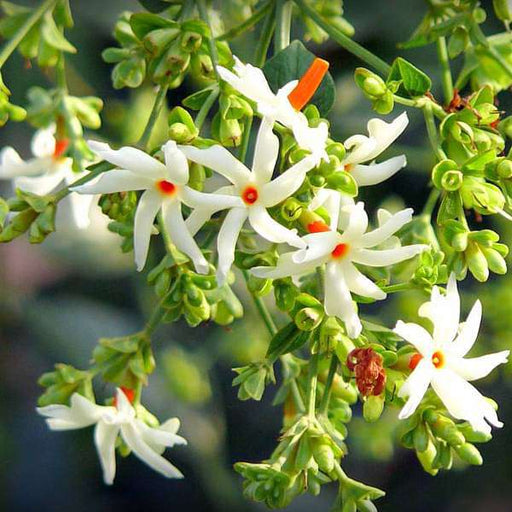
View full detailsCombo Constituents Includes the Parijat Tree (Night-Flowering Jasmine), a culturally significant plant with fragrant flowers. Description The Pari...
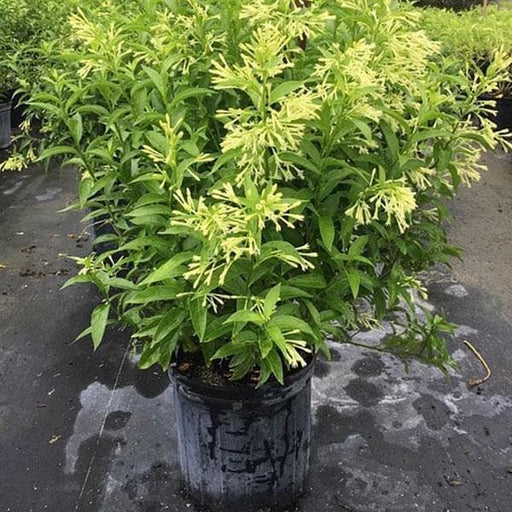
View full detailsDescription Raat Ki Rani (*Cestrum nocturnum*), also known as Night Blooming Jasmine, is a fragrant shrub native to the Caribbean and Central Ameri...
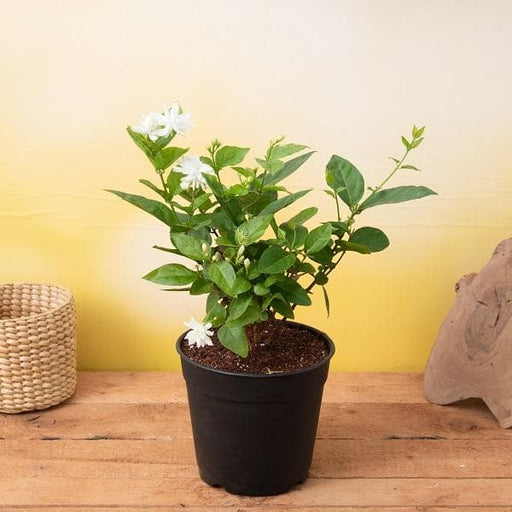
View full detailsJasminum sambac, Mogra, Arabian Jasmine - Plant Jasminum sambac, commonly known as Mogra or Arabian Jasmine, is a fragrant flowering plant...
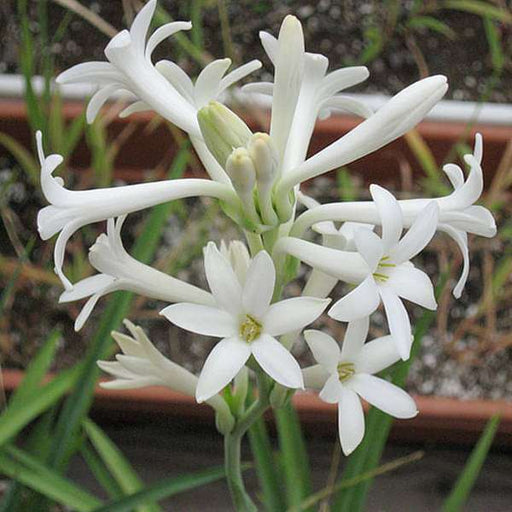
View full detailsRajnigandha, Tuberose - Plant The Rajnigandha, scientifically known as Polianthes tuberosa, is a captivating perennial plant renowned for ...
View full detailsCitronella, Odomas - Plant The Citronella plant, scientifically known as Cymbopogon nardus, is a tropical grass renowned for its aromatic ...
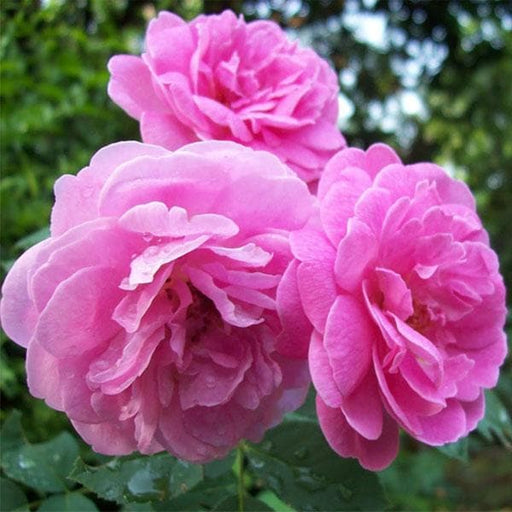
View full detailsDamascus Rose, Scented Rose (Any Color) - Plant The Damascus Rose, also known as Rosa damascena, is a timeless symbol of beauty and romanc...
View full detailsMiniature Rose, Button Rose (Any Color) - Plant The Miniature Rose, also known as the Button Rose, is a charming and compact flowering plant that ...
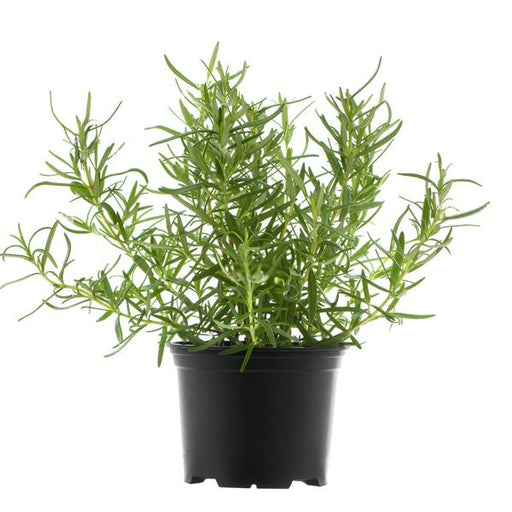
View full detailsRosemary - Plant Rosemary (Rosmarinus officinalis) is a fragrant evergreen herb native to the Mediterranean region. Known for its needle-like leav...
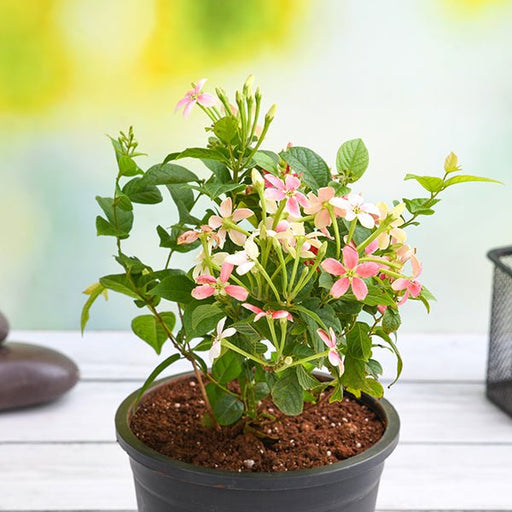
View full detailsMadhumalti Dwarf, Rangoon Creeper - Plant The Madhumalti Dwarf, also known as the Rangoon Creeper (Quisqualis indica), is a stunning perennial vin...
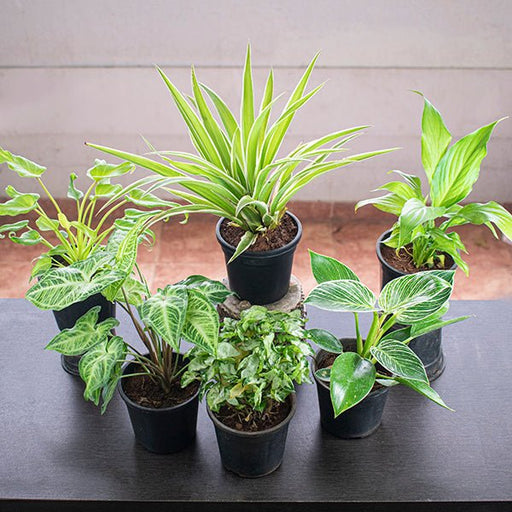
View full detailsBest 6 Plants for Perfect Indoor Garden Transform your living space into a lush oasis with our curated collection of the Best 6 Plants for a...
View full detailsBest 6 Plants for Perfect Indoor Garden Transform your living space into a lush oasis with our curated collection of the Best 6 Plants for a...
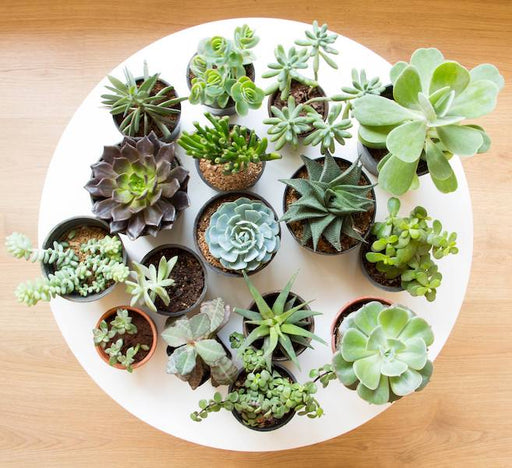
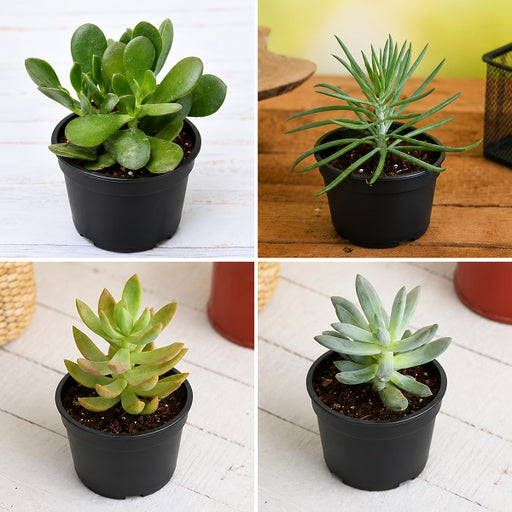
View full detailsMini Succulent Garden Pack Transform your space with our Mini Succulent Garden Pack, featuring a delightful collection of 4 any variety beautiful s...
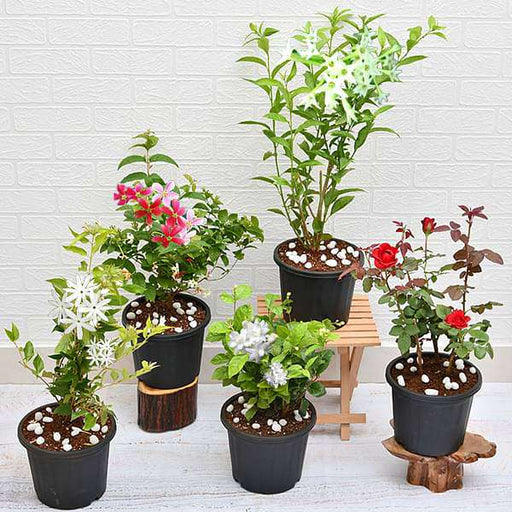
View full details5 Best Fragrant Plants Transform your garden or indoor space into a fragrant paradise with our curated selection of the 5 Best Fragrant Plants. Th...
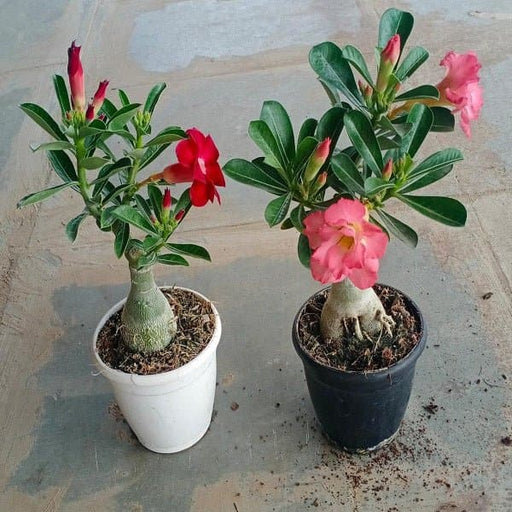
View full detailsSet of 2 Bonsai Looking Grafted Adeniums Transform your indoor or outdoor space with our exquisite Set of 2 Bonsai Looking Grafted Adenium...
View full detailsTop 4 Die Hard Succulents Pack Note: Plants included in this pack will be delivered in a 3-inch nursery pot (any color). Transform your indoor or ...
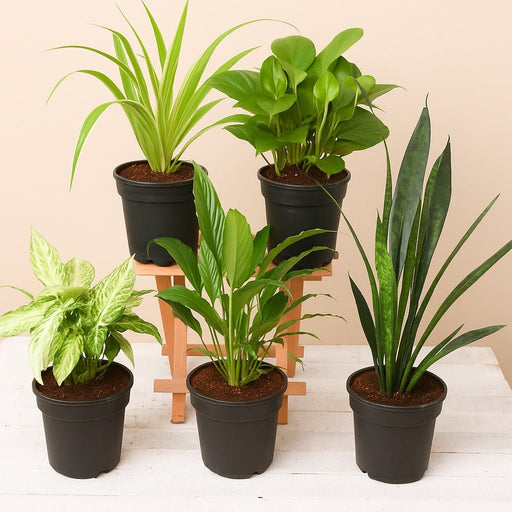
View full details5 Best Indoor Plants Pack Transform your living space into a lush oasis with our '5 Best Indoor Plants Pack.' This carefully curated collection fe...
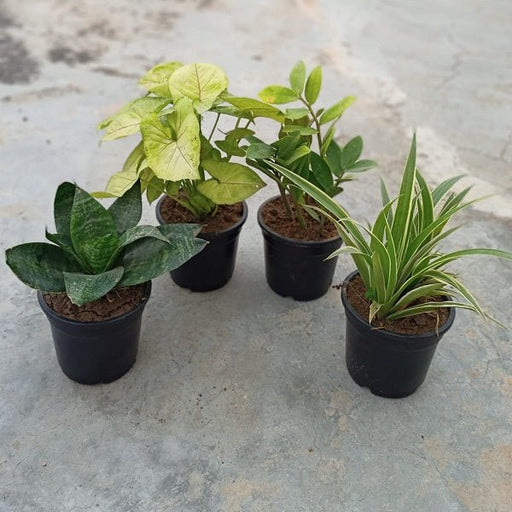
View full detailsSet of 4 Evergreen Air Purifier Plant Pack Transform your indoor space into a lush, green oasis with our Set of 4 Evergreen Air Purifier Pla...
View full detailsTop 5 Pollution Killer Plants Pack Transform your living space into a breath of fresh air with our 'Top 5 Pollution Killer Plants Pack'. This care...
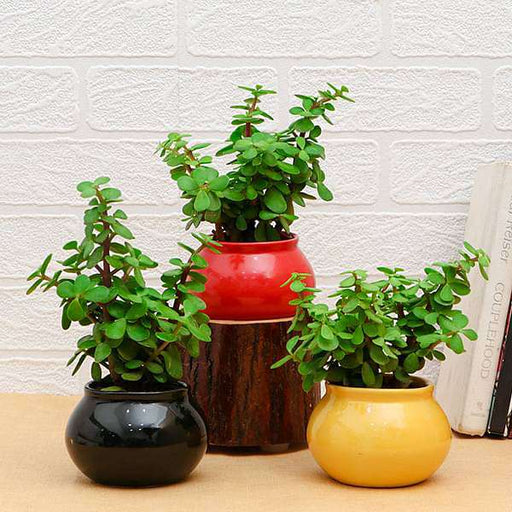
View full detailsPack of 3 Good Luck Jade Plants in Ceramic Pots Bring a touch of nature into your home with our Pack of 3 Good Luck Jade Plants, featuring...
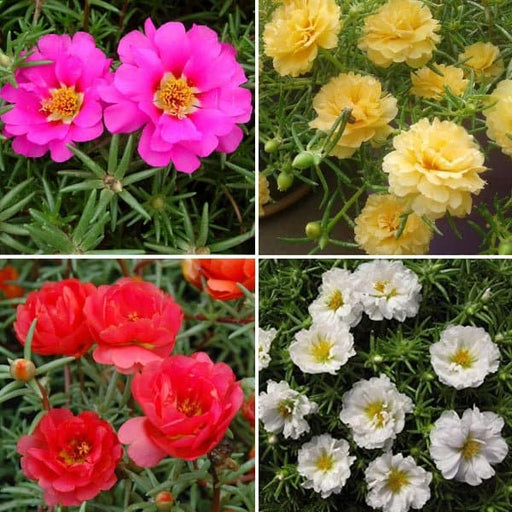
View full detailsPortulaca Garden Pack (4 Plants + 4 Black Pots) Note- You will get any color (Assorted) potted Porulaca plant with this pack. Transform your garde...
View full details





Leave a comment