
Expert Support
Available 24/7 via chat
Available 24/7 via chat
Garlic Creeper, scientifically known as Mansoa Alliacea, is a delightful addition to any Indian garden, terrace, or balcony. Often called Garlic Vine, this charming creeping vine is prized for its intensely fragrant purple-white flowers that bloom from October to March—exactly when Indian gardens need a touch of colour. With its easy-to-grow nature, moderate size potential, and low maintenance requirements, Garlic Creeper is perfect for both seasoned gardeners and beginners looking to add a unique, aromatic dimension to their outdoor spaces.
Garlic Creeper is a vigorous, evergreen perennial vine that climbs and creeps across any support structure with grace and enthusiasm. When supplied from our nursery, young plants arrive at around 18 inches (46 cm) in height with a spread of 7 inches (18 cm), but given proper conditions, they can reach an impressive 2 to 3 meters, making them ideal for covering terrace railings, balcony edges, or garden arbors. The plant's defining feature is its distinctive garlic-scented flowers—a fragrant attraction that delights visitors and gardeners alike. These clusters of purple-white blooms appear reliably during the cooler months (October to March), the most pleasant season for enjoying your garden in India.
What makes Garlic Creeper especially valuable in Indian gardens is its hardiness. It thrives in the warm temperatures our climate offers year-round and handles the stress of monsoon rains and summer heat far better than many ornamental vines. Whether your garden bakes in direct sun or enjoys dappled shade, whether you're gardening on a tiny terrace or a sprawling plot, Garlic Creeper adapts readily—a true plant that respects an Indian gardener's constraints.
| Aspect | Details |
|---|---|
| Light | 3–6 hours of morning direct sunlight; indirect bright light for the remainder of the day |
| Watering | Apply 4 cups (~200 ml) when the top 1–2 inches of soil feel dry to touch |
| Soil | Well-draining, fertile soil rich in organic content |
| Temperature | Optimal range: 25–35°C |
Garlic Creeper loves sunlight but doesn't demand full, harsh exposure all day long. The plant thrives with 3 to 6 hours of direct morning sunlight, followed by bright, indirect light for the rest of the day. In Indian climates, morning sun is gentle and energizing for growth; afternoon sun, especially during May through August, can be intense and may scorch delicate foliage if the plant isn't acclimated.
For terrace and balcony gardeners in urban India, position your Garlic Creeper where it catches the cool morning rays—ideally an east- or north-east-facing spot. If your space receives intense afternoon sun (especially in southern or central India), provide filtered light using a shade cloth or plant it near a taller structure that naturally filters the afternoon heat. The plant will still flower reliably and maintain vigorous growth under these conditions. Conversely, in consistently shaded spots or north-facing positions, flowering may be reduced; aim for at least 3 hours of direct sun daily to encourage the abundant blooms you're seeking.
Watering Garlic Creeper is straightforward: apply approximately 4 cups (around 200 ml) of water when the top 1 to 2 inches of soil in the pot feel dry to touch. This check-and-water approach works well year-round, though frequency changes with seasons and climates.
A practical tip: if you're using hard water (common in many Indian cities and villages), monitor leaf health. Hard water deposits can accumulate in soil over time; consider watering with collected rainwater occasionally, or use water that's been left to sit overnight to allow chlorine to evaporate.
Garlic Creeper demands well-draining, fertile soil rich in organic content. Whether you're planting in a pot or directly in the ground, amend your soil generously with compost, aged manure, or coco coir to create a medium that holds moisture without waterlogging.
For container gardening (ideal on terraces and balconies), use a potting mix that combines 50% garden soil, 30% compost or aged manure, and 20% coarse sand or perlite. This blend provides nutrition, drainage, and root aeration—everything Garlic Creeper needs.
Fertilizing is equally simple. Apply any organic fertilizer once a month from October through January, the plant's main growth and flowering season. Organic options include well-rotted manure, bone meal, neem cake, or store-bought organic granules. Avoid high-nitrogen synthetic fertilizers, which encourage excessive vegetative growth at the expense of flowers. By February, reduce or stop fertilizing; the plant requires less nutrient input during the latter part of the bloom season and the subsequent warmer months.
The ideal temperature range for Garlic Creeper is 25 to 35°C—a range that aligns perfectly with much of India's year-round climate. The plant is genuinely hardy and tolerates both the warm summers and mild winters of most Indian regions. In tropical and subtropical zones, it thrives outdoors year-round. Even in cooler regions of northern India, where winter temperatures occasionally dip below 15°C, the plant typically survives if protected from frost (a rare occurrence outside high-altitude areas).
Humidity is less of a concern. The plant handles the dry heat of summer and the moisture-laden air of monsoon equally well. During monsoon, the biggest risk isn't humidity but poor drainage and root rot from waterlogging. Ensure pots and planting areas have excellent drainage, and reduce watering frequency as mentioned earlier.
Growing new Garlic Creeper plants is simple and rewarding. The most reliable method is propagation from semi-hardwood cuttings:
You can also propagate from fresh seeds, though cuttings are faster and more reliable for flowering-sized plants.
Garlic Creeper is generally robust, but a few issues can arise:
Ready to grow your own? Shop Garlic Creeper at Nurserylive →
Garlic Creeper, Mansoa Alliacea - Plant The Garlic Creeper, scientifically known as Mansoa alliacea, is a unique and aromatic climbing pla...
View full detailsCombo Constituents Includes the Parijat Tree (Night-Flowering Jasmine), a culturally significant plant with fragrant flowers. Description The Pari...
View full detailsDescription Raat Ki Rani (*Cestrum nocturnum*), also known as Night Blooming Jasmine, is a fragrant shrub native to the Caribbean and Central Ameri...
View full detailsJasminum sambac, Mogra, Arabian Jasmine - Plant Jasminum sambac, commonly known as Mogra or Arabian Jasmine, is a fragrant flowering plant...
View full detailsRajnigandha, Tuberose - Plant The Rajnigandha, scientifically known as Polianthes tuberosa, is a captivating perennial plant renowned for ...
View full detailsCitronella, Odomas - Plant The Citronella plant, scientifically known as Cymbopogon nardus, is a tropical grass renowned for its aromatic ...
View full detailsDamascus Rose, Scented Rose (Any Color) - Plant The Damascus Rose, also known as Rosa damascena, is a timeless symbol of beauty and romanc...
View full detailsMiniature Rose, Button Rose (Any Color) - Plant The Miniature Rose, also known as the Button Rose, is a charming and compact flowering plant that ...
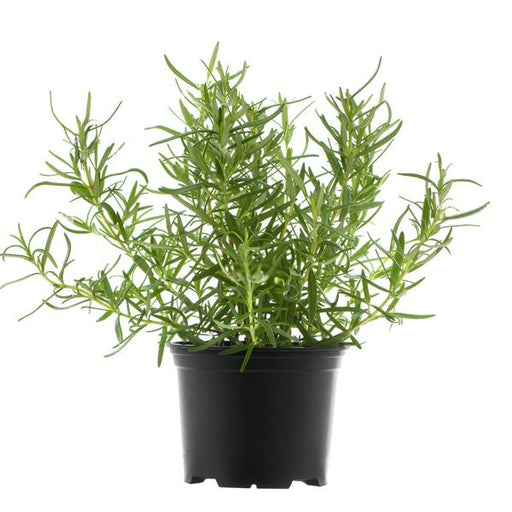
View full detailsRosemary - Plant Rosemary (Rosmarinus officinalis) is a fragrant evergreen herb native to the Mediterranean region. Known for its needle-like leav...
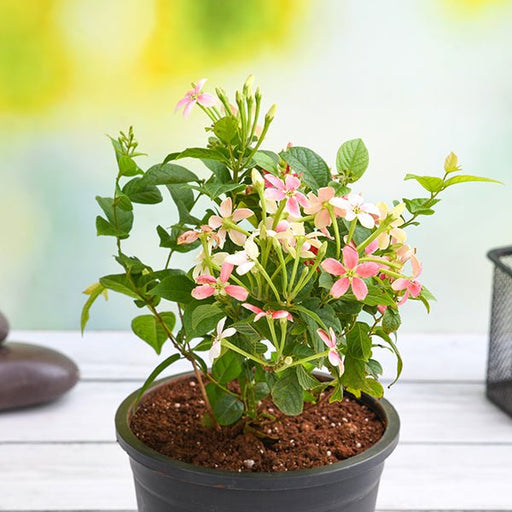
View full detailsMadhumalti Dwarf, Rangoon Creeper - Plant The Madhumalti Dwarf, also known as the Rangoon Creeper (Quisqualis indica), is a stunning perennial vin...
View full detailsBest 6 Plants for Perfect Indoor Garden Transform your living space into a lush oasis with our curated collection of the Best 6 Plants for a...
View full detailsBest 6 Plants for Perfect Indoor Garden Transform your living space into a lush oasis with our curated collection of the Best 6 Plants for a...
View full detailsMini Succulent Garden Pack Transform your space with our Mini Succulent Garden Pack, featuring a delightful collection of 4 any variety beautiful s...
View full details5 Best Fragrant Plants Transform your garden or indoor space into a fragrant paradise with our curated selection of the 5 Best Fragrant Plants. Th...
View full detailsSet of 2 Bonsai Looking Grafted Adeniums Transform your indoor or outdoor space with our exquisite Set of 2 Bonsai Looking Grafted Adenium...
View full detailsTop 4 Die Hard Succulents Pack Note: Plants included in this pack will be delivered in a 3-inch nursery pot (any color). Transform your indoor or ...
View full details5 Best Indoor Plants Pack Transform your living space into a lush oasis with our '5 Best Indoor Plants Pack.' This carefully curated collection fe...
View full detailsSet of 4 Evergreen Air Purifier Plant Pack Transform your indoor space into a lush, green oasis with our Set of 4 Evergreen Air Purifier Pla...
View full detailsTop 5 Pollution Killer Plants Pack Transform your living space into a breath of fresh air with our 'Top 5 Pollution Killer Plants Pack'. This care...
View full detailsPack of 3 Good Luck Jade Plants in Ceramic Pots Bring a touch of nature into your home with our Pack of 3 Good Luck Jade Plants, featuring...
View full detailsPortulaca Garden Pack (4 Plants + 4 Black Pots) Note- You will get any color (Assorted) potted Porulaca plant with this pack. Transform your garde...
View full details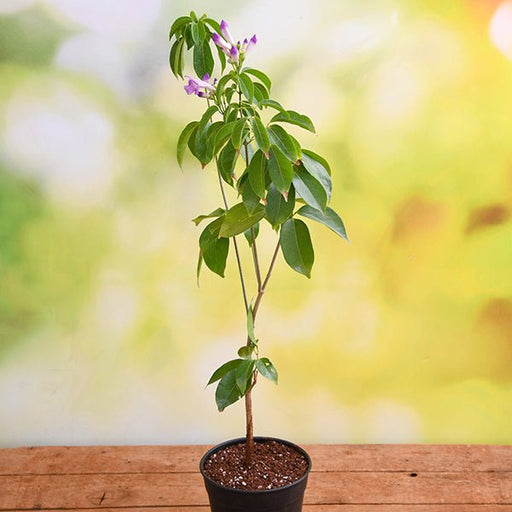





















Leave a comment