
Expert Support
Available 24/7 via chat
Available 24/7 via chat
If you're looking for a low-maintenance succulent that shines in India's heat and brings vibrant reddish-purple flowers to your garden or home, Aptenia is your answer. Known locally as ice plant or baby sun rose, this creeping succulent is beloved by gardeners for its resilience, manageable size, and ability to adapt to both indoor pots and outdoor landscaping. Whether you're a beginner or an experienced plant parent, Aptenia rewards minimal effort with maximum visual impact.
Aptenia is a tender succulent native to South Africa, now happily cultivated across India. The plant you'll bring home typically stands around 9 inches (23 cm) tall with a spread of 5 inches (13 cm), but given space and time, it can reach up to 60 centimeters. Its trailing or creeping habit makes it perfect for hanging baskets, ground cover, or rock gardens. During spring and summer, it bursts with small reddish-purple flowers that attract pollinators and add ornamental value to your garden.
What makes Aptenia special for Indian gardeners is its ability to tolerate the intense heat of most regions while requiring far less water than tender plants. It's genuinely easy to grow—even first-time gardeners rarely struggle with this one.
| Aspect | Requirement |
|---|---|
| Light | Full sunlight |
| Water | Moderate; let soil dry between waterings |
| Soil | Well-draining, nutrient-rich mix |
| Temperature | 22–35°C (ideal for most of India) |
Aptenia is a sun-worshipper and demands full sunlight to thrive. In most parts of India, this means 6–8 hours of direct sun daily, ideally in the morning and mid-morning when UV intensity is moderate. If you're in a region with scorching afternoon heat (like the Deccan plateau or northern plains), the plant can benefit from light afternoon shade during peak summer (April–June), but don't compromise on overall light exposure.
Indoors, place your Aptenia near a south-facing or west-facing window. If natural light is limited, the plant may become leggy and flower production will suffer. A bright balcony with at least 6 hours of direct sun is ideal for potted specimens.
This is where Aptenia's succulent nature shines. Water moderately, but the key rule is: let the soil dry significantly between waterings. Think of it as a plant that stores water in its fleshy leaves and can survive brief dry spells.
In the growing season (spring and summer), water once every 7–10 days, depending on rainfall and temperature. During India's monsoon, reduce watering as natural moisture is ample—overwatering during this period is the leading cause of root rot. In autumn and winter, water even less frequently, perhaps every 2–3 weeks, as the plant's growth slows.
Always check the soil with your finger before watering. If the top 2 inches feel dry, water thoroughly until it drains from the pot. If soil still feels moist, hold back. In hard-water regions (common across urban India), occasional distilled or rainwater prevents mineral buildup that can stress the plant.
Aptenia demands well-draining, nutrient-rich soil. Standard potting mixes often retain too much moisture for succulents. Amend your mix with 30–40% coarse sand, perlite, or pumice to ensure fast drainage. A good formula is: 1 part regular potting soil + 1 part coarse sand + 1 part perlite.
For outdoor garden beds, ensure the soil is loose and amended—compacted, clay-heavy soil is Aptenia's enemy. If your garden has heavy clay, create a raised bed or mound with your custom mix.
Fertilise during the active growing season (spring and summer) with a balanced, liquid or granular fertilizer, 2–3 times total. A diluted balanced formula (10-10-10 or similar) applied every 4–6 weeks supports flowering and foliage without pushing excessive leaf growth that weakens the plant. Skip fertilizer in autumn and winter.
Aptenia thrives in India's temperature range of 22–35°C, which covers most regions for much of the year. This plant is genuinely climate-matched to the Indian subcontinent. High heat (even 35°C) poses no problem; it's part of the plant's comfort zone.
Humidity is rarely an issue. Aptenia is not a tropical plant and actually prefers drier air. In regions with high ambient humidity (coastal areas, monsoon zones), ensure excellent air circulation around the plant to prevent fungal issues.
If you live in a mountain hill station or inland area where winter temperatures drop below 15°C, bring potted Aptenia indoors or provide frost protection. The plant can tolerate brief dips but sustained cold will damage it.
Aptenia is incredibly easy to propagate, making it a rewarding project for beginners and a way to multiply your collection.
Both methods root reliably at India's warm temperatures. Avoid overwatering new propagations, as they're prone to rot before they root.
Root rot: The most common issue, usually caused by waterlogged soil or poor drainage. Prevention is simpler than cure: use well-draining soil and let it dry between waterings. If rot occurs, repot into fresh, dry soil and cut away blackened roots.
Leggy growth: If your Aptenia looks stretched and sparse, it's not receiving enough light. Move it to a brighter location immediately. Pruning leggy stems and rooting them as cuttings can revive the plant's appearance.
Pests: Mealybugs and scale insects occasionally trouble Aptenia, especially indoors. Inspect regularly and treat with neem oil or insecticidal soap if spotted. Outdoor plants rarely suffer pest issues in India's climate.
Yellowing leaves: Often signals overwatering or nutrient deficiency. Adjust watering and, during growing season, apply a balanced fertilizer diluted to half strength.
Ready to grow your own? Shop Aptenia at Nurserylive →
Aptenia, Heartleaf Ice - Succulent Plant The Aptenia, commonly known as Heartleaf Ice, is a stunning succulent that captivates with its vi...
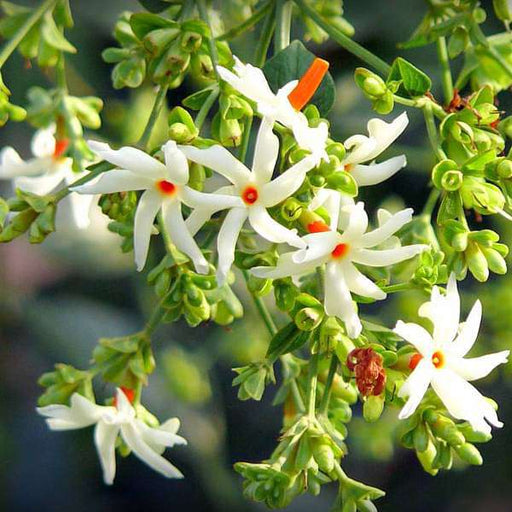
View full detailsCombo Constituents Includes the Parijat Tree (Night-Flowering Jasmine), a culturally significant plant with fragrant flowers. Description The Pari...
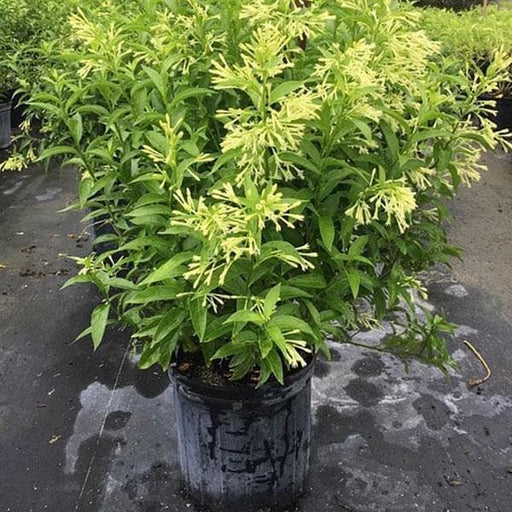
View full detailsDescription Raat Ki Rani (*Cestrum nocturnum*), also known as Night Blooming Jasmine, is a fragrant shrub native to the Caribbean and Central Ameri...
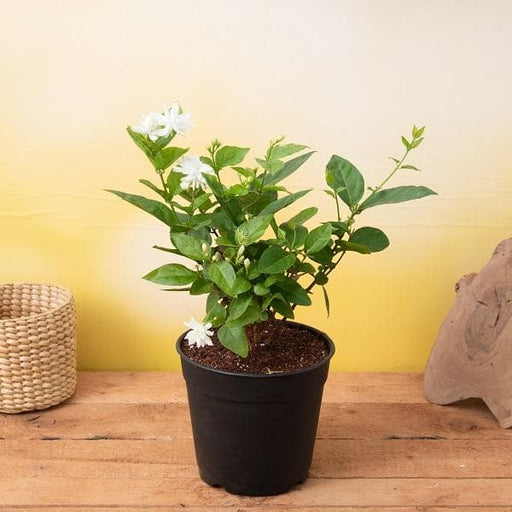
View full detailsJasminum sambac, Mogra, Arabian Jasmine - Plant Jasminum sambac, commonly known as Mogra or Arabian Jasmine, is a fragrant flowering plant...
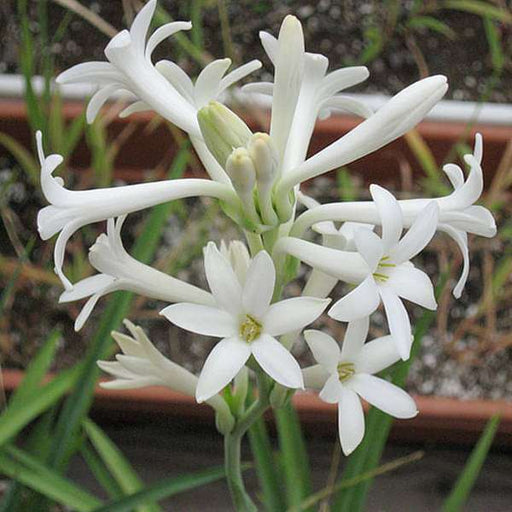
View full detailsRajnigandha, Tuberose - Plant The Rajnigandha, scientifically known as Polianthes tuberosa, is a captivating perennial plant renowned for ...
View full detailsCitronella, Odomas - Plant The Citronella plant, scientifically known as Cymbopogon nardus, is a tropical grass renowned for its aromatic ...
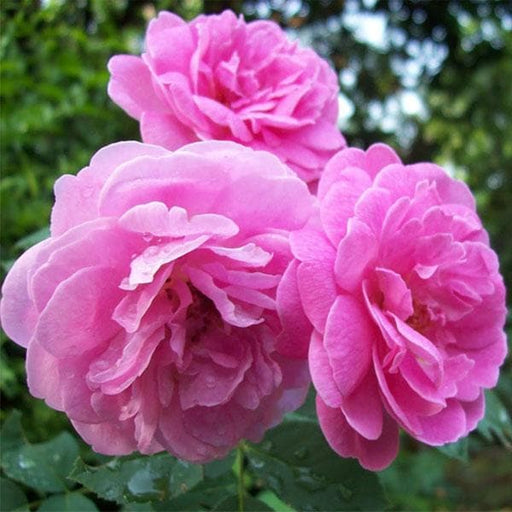
View full detailsDamascus Rose, Scented Rose (Any Color) - Plant The Damascus Rose, also known as Rosa damascena, is a timeless symbol of beauty and romanc...
View full detailsMiniature Rose, Button Rose (Any Color) - Plant The Miniature Rose, also known as the Button Rose, is a charming and compact flowering plant that ...
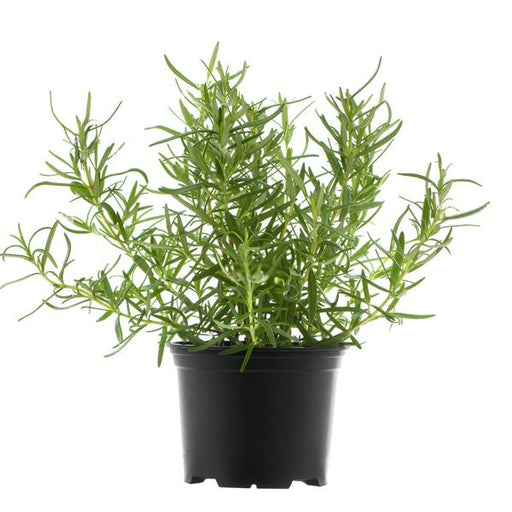
View full detailsRosemary - Plant Rosemary (Rosmarinus officinalis) is a fragrant evergreen herb native to the Mediterranean region. Known for its needle-like leav...
View full detailsMadhumalti Dwarf, Rangoon Creeper - Plant The Madhumalti Dwarf, also known as the Rangoon Creeper (Quisqualis indica), is a stunning perennial vin...
View full detailsBest 6 Plants for Perfect Indoor Garden Transform your living space into a lush oasis with our curated collection of the Best 6 Plants for a...
View full detailsBest 6 Plants for Perfect Indoor Garden Transform your living space into a lush oasis with our curated collection of the Best 6 Plants for a...
View full detailsMini Succulent Garden Pack Transform your space with our Mini Succulent Garden Pack, featuring a delightful collection of 4 any variety beautiful s...
View full details5 Best Fragrant Plants Transform your garden or indoor space into a fragrant paradise with our curated selection of the 5 Best Fragrant Plants. Th...
View full detailsSet of 2 Bonsai Looking Grafted Adeniums Transform your indoor or outdoor space with our exquisite Set of 2 Bonsai Looking Grafted Adenium...
View full detailsTop 4 Die Hard Succulents Pack Note: Plants included in this pack will be delivered in a 3-inch nursery pot (any color). Transform your indoor or ...
View full details5 Best Indoor Plants Pack Transform your living space into a lush oasis with our '5 Best Indoor Plants Pack.' This carefully curated collection fe...
View full detailsSet of 4 Evergreen Air Purifier Plant Pack Transform your indoor space into a lush, green oasis with our Set of 4 Evergreen Air Purifier Pla...
View full detailsTop 5 Pollution Killer Plants Pack Transform your living space into a breath of fresh air with our 'Top 5 Pollution Killer Plants Pack'. This care...
View full detailsPack of 3 Good Luck Jade Plants in Ceramic Pots Bring a touch of nature into your home with our Pack of 3 Good Luck Jade Plants, featuring...
View full detailsPortulaca Garden Pack (4 Plants + 4 Black Pots) Note- You will get any color (Assorted) potted Porulaca plant with this pack. Transform your garde...
View full details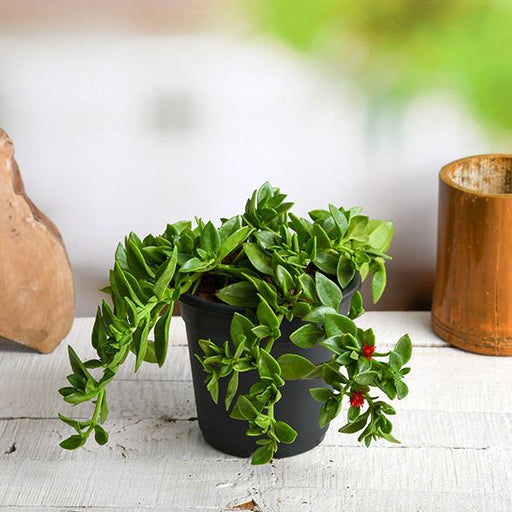















Leave a comment