
Expert Support
Available 24/7 via chat
Available 24/7 via chat
If you're looking for a low-maintenance ornamental plant that brings year-round foliage color to your Indian garden without demanding expert care, Coleus is your answer. Known locally as Painted Nettle or the poor man's croton, this perennial shrub is beloved for its striking pink leaves and trouble-free growing habits. Whether you're gardening in a compact balcony pot or across a sunny border, Coleus adapts beautifully to Indian conditions—heat, monsoon rains, and all. This guide will walk you through everything you need to know to grow healthy, vibrant Coleus plants.
Coleus is a tender perennial shrub valued for its ornamental foliage rather than flowers. The pink variety showcases stunning leaf coloration that intensifies with proper light and care. These plants can reach heights of 1 to 8 feet depending on growing conditions and variety, making them suitable for everything from tabletop pots to lush garden borders. The common name "poor man's croton" reflects how Coleus delivers the visual drama of crotons—those expensive tropical favorites—without the fussy requirements. Easy to grow, quick to fill a space, and naturally productive, Coleus is ideal for Indian gardeners seeking reliable color and texture.
| Factor | Requirements |
|---|---|
| Light | Dappled or partial shade |
| Water | Evenly moist soil (not soggy); containers need more frequent watering |
| Soil | Good quality soil mix |
| Temperature | Thrives at average temperature of 90°F (32°C) |
Coleus thrives in dappled or partial shade—this is crucial in India's intense summer sun. Direct, harsh midday sunlight (especially from 11 AM to 4 PM) can bleach the pink foliage and stress the plant, particularly in regions with high summer temperatures. The ideal location receives bright, indirect light: under a shade net (30–50% density), beneath a tree canopy, or on an east-facing balcony protected from afternoon heat. In winter, when the sun is gentler, plants can tolerate slightly more direct light. This preference for filtered light makes Coleus perfect for urban gardens with limited space—it performs beautifully in corners that would frustrate sun-loving plants.
Keep soil evenly moist but never soggy. This is the golden rule for Coleus. During India's scorching summers, check soil moisture every 1–2 days; during cooler months, every 2–3 days is often sufficient. Water at the base of the plant early in the morning or late in the afternoon to minimize evaporation and allow foliage to stay dry (wet leaves in high humidity invite fungal issues). Container-grown plants dry out faster than garden-planted specimens, so they require more frequent watering—sometimes daily during peak summer. If you're using hard tap water (common in many Indian cities), rainwater is preferable, but tap water is acceptable if you allow it to stand overnight before use. During the monsoon, reduce frequency as natural rainfall takes over; monitor soil and water only if the top inch feels dry.
Use a good quality soil mix—a blend of cocopeat, compost, and perlite works excellently for containers. For in-ground planting, incorporate 2–3 inches of well-aged compost into the existing soil to improve drainage and fertility. Coleus is not a heavy feeder but benefits from regular nutrition during the growing season. For container plants, apply a balanced, water-soluble fertilizer every two weeks during spring and summer (March–September). For in-ground plants, a monthly feeding is sufficient. Reduce feeding in winter. An alternative is to top-dress the soil with compost every 6–8 weeks, which slowly releases nutrients and improves soil structure—especially useful if you prefer avoiding liquid fertilizers. Always water well before applying any fertilizer to prevent root burn.
Coleus loves India's warmth and performs beautifully at an average temperature of 90°F (32°C). The plant actually thrives during hot summers when many ornamentals wilt. High humidity—typical of Indian monsoons and coastal regions—is generally beneficial, though ensure air circulation to prevent fungal problems. In dry, air-conditioned indoor spaces, mist foliage occasionally to maintain humidity. The plant can tolerate temperature fluctuations common across Indian seasons; however, it prefers to stay above 60°F (15°C), so protect it from unexpected cold snaps or frost if you're in a hill station or northern region during winter.
Coleus propagates effortlessly from cuttings, making it one of the easiest plants to multiply. Take 4–6 inch tip cuttings from healthy stems using clean scissors. Remove lower leaves, leaving 2–3 upper leaves intact. Place cuttings in a glass of water (change water every 2–3 days) or moist perlite/compost. Roots appear within 1–2 weeks. Once rooted, plant into pots with good-quality soil mix. Cuttings grow vigorously and reach planting size within 4–6 weeks. The best time to propagate is during the growing season (March–August), though it works year-round in India's warm climate. This ease of propagation makes Coleus perfect for sharing with fellow gardeners and for replacing older, leggy plants.
Leggy growth: Occurs when light is insufficient. Increase bright, indirect light and pinch growing tips to encourage bushier growth. Yellowing leaves: Often indicates overwatering or poor drainage. Ensure soil drains well and allow the top inch to dry between waterings. Pests: Mealybugs and spider mites occasionally attack stressed plants. Spray affected areas with neem oil solution (5 ml neem oil + 1 tsp dish soap + 1 liter water) every 7–10 days until clear. Brown leaf edges: May indicate hard water minerals or low humidity. Use filtered or rainwater, and increase humidity by misting. Slow growth: Check if the plant is receiving adequate light and regular feeding during the growing season.
Ready to grow your own? Shop Coleus at Nurserylive →
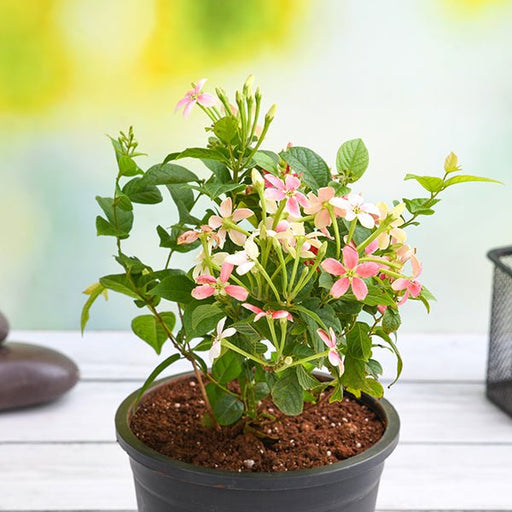
Coleus (Pink) - Plant The Coleus (Pink) plant, scientifically known as Plectranthus scutellarioides, is a vibrant and eye-catching additio...
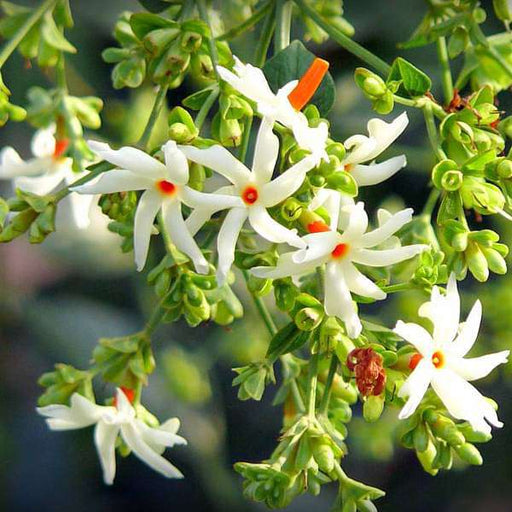
View full detailsCombo Constituents Includes the Parijat Tree (Night-Flowering Jasmine), a culturally significant plant with fragrant flowers. Description The Pari...
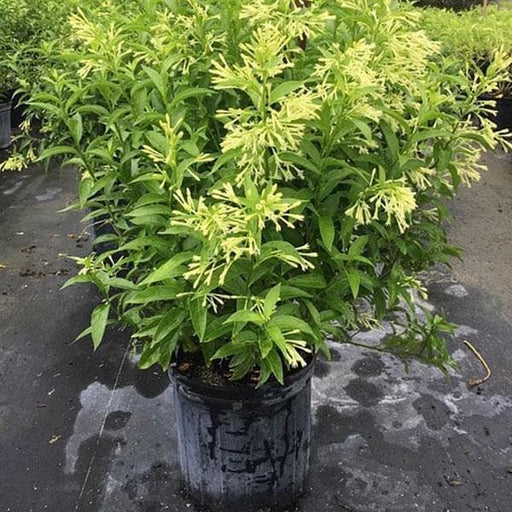
View full detailsDescription Raat Ki Rani (*Cestrum nocturnum*), also known as Night Blooming Jasmine, is a fragrant shrub native to the Caribbean and Central Ameri...
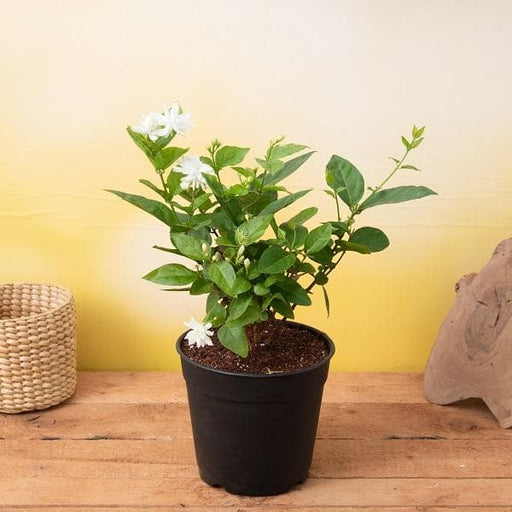
View full detailsJasminum sambac, Mogra, Arabian Jasmine - Plant Jasminum sambac, commonly known as Mogra or Arabian Jasmine, is a fragrant flowering plant...
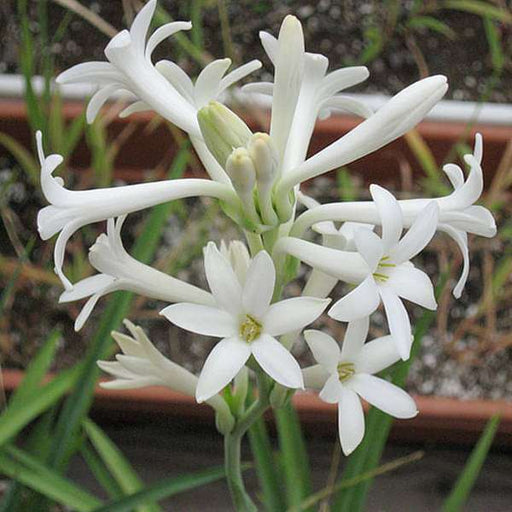
View full detailsRajnigandha, Tuberose - Plant The Rajnigandha, scientifically known as Polianthes tuberosa, is a captivating perennial plant renowned for ...
View full detailsCitronella, Odomas - Plant The Citronella plant, scientifically known as Cymbopogon nardus, is a tropical grass renowned for its aromatic ...
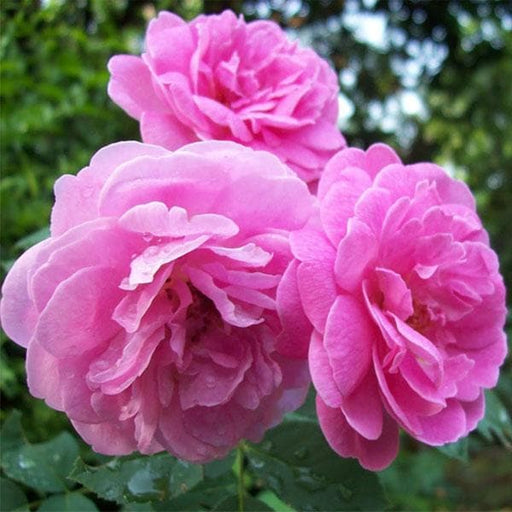
View full detailsDamascus Rose, Scented Rose (Any Color) - Plant The Damascus Rose, also known as Rosa damascena, is a timeless symbol of beauty and romanc...
View full detailsMiniature Rose, Button Rose (Any Color) - Plant The Miniature Rose, also known as the Button Rose, is a charming and compact flowering plant that ...
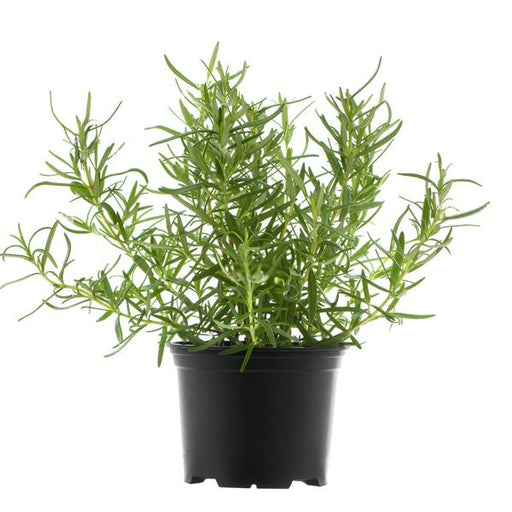
View full detailsRosemary - Plant Rosemary (Rosmarinus officinalis) is a fragrant evergreen herb native to the Mediterranean region. Known for its needle-like leav...
View full detailsMadhumalti Dwarf, Rangoon Creeper - Plant The Madhumalti Dwarf, also known as the Rangoon Creeper (Quisqualis indica), is a stunning perennial vin...
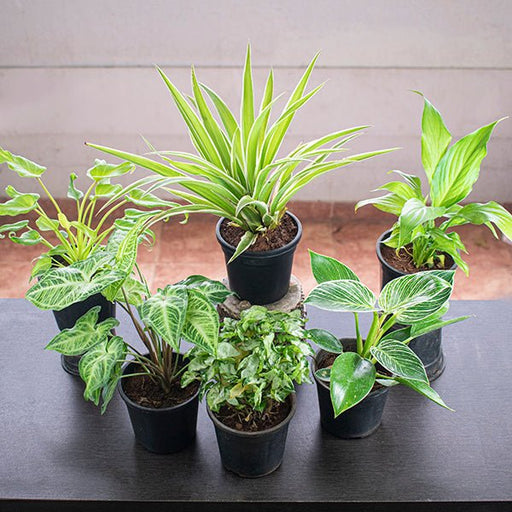
View full detailsBest 6 Plants for Perfect Indoor Garden Transform your living space into a lush oasis with our curated collection of the Best 6 Plants for a...
View full detailsBest 6 Plants for Perfect Indoor Garden Transform your living space into a lush oasis with our curated collection of the Best 6 Plants for a...
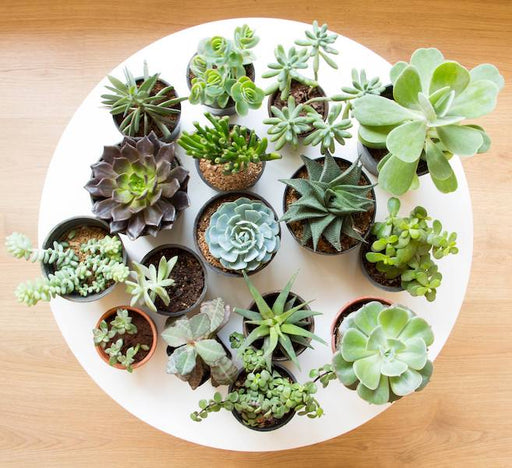
View full detailsMini Succulent Garden Pack Transform your space with our Mini Succulent Garden Pack, featuring a delightful collection of 4 any variety beautiful s...
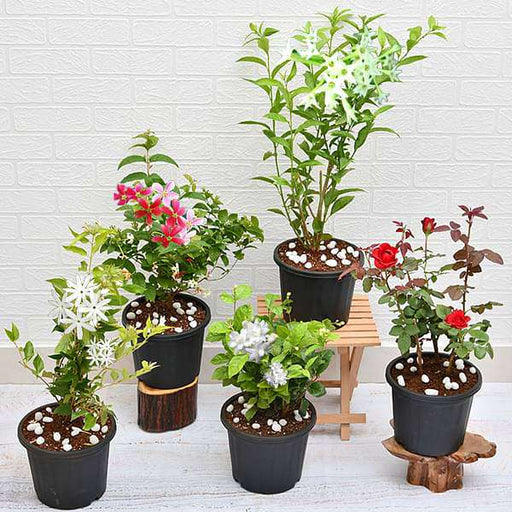
View full details5 Best Fragrant Plants Transform your garden or indoor space into a fragrant paradise with our curated selection of the 5 Best Fragrant Plants. Th...
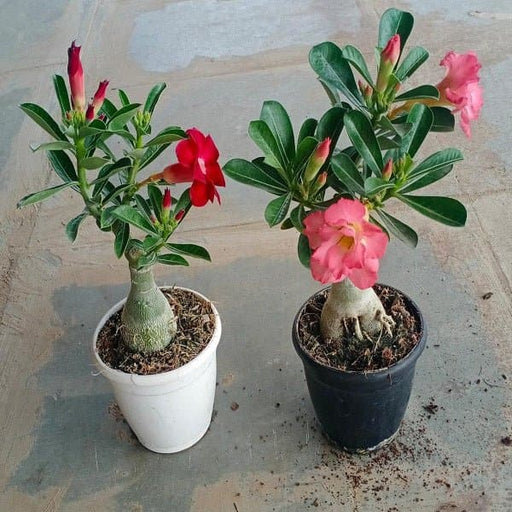
View full detailsSet of 2 Bonsai Looking Grafted Adeniums Transform your indoor or outdoor space with our exquisite Set of 2 Bonsai Looking Grafted Adenium...
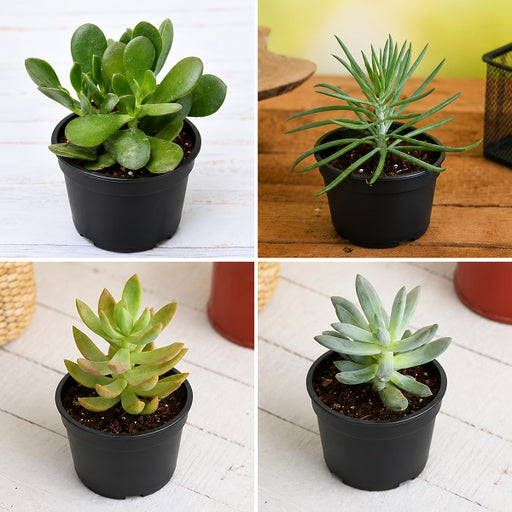
View full detailsTop 4 Die Hard Succulents Pack Note: Plants included in this pack will be delivered in a 3-inch nursery pot (any color). Transform your indoor or ...
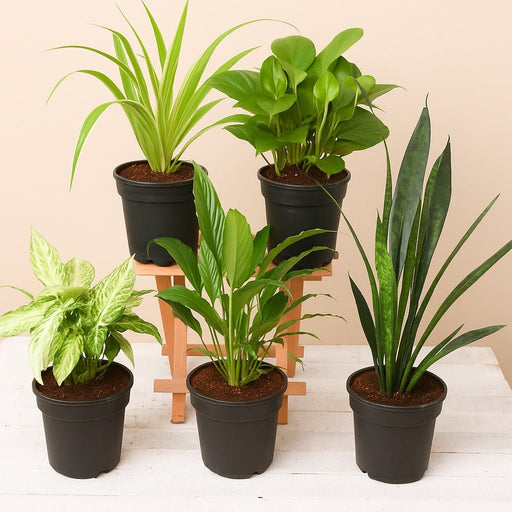
View full details5 Best Indoor Plants Pack Transform your living space into a lush oasis with our '5 Best Indoor Plants Pack.' This carefully curated collection fe...
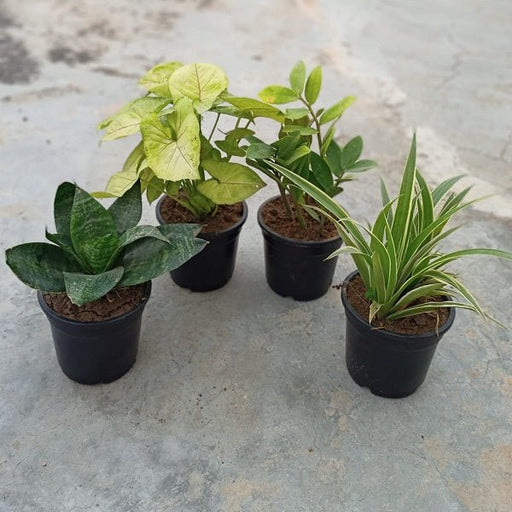
View full detailsSet of 4 Evergreen Air Purifier Plant Pack Transform your indoor space into a lush, green oasis with our Set of 4 Evergreen Air Purifier Pla...
View full detailsTop 5 Pollution Killer Plants Pack Transform your living space into a breath of fresh air with our 'Top 5 Pollution Killer Plants Pack'. This care...
View full detailsPack of 3 Good Luck Jade Plants in Ceramic Pots Bring a touch of nature into your home with our Pack of 3 Good Luck Jade Plants, featuring...
View full detailsPortulaca Garden Pack (4 Plants + 4 Black Pots) Note- You will get any color (Assorted) potted Porulaca plant with this pack. Transform your garde...
View full details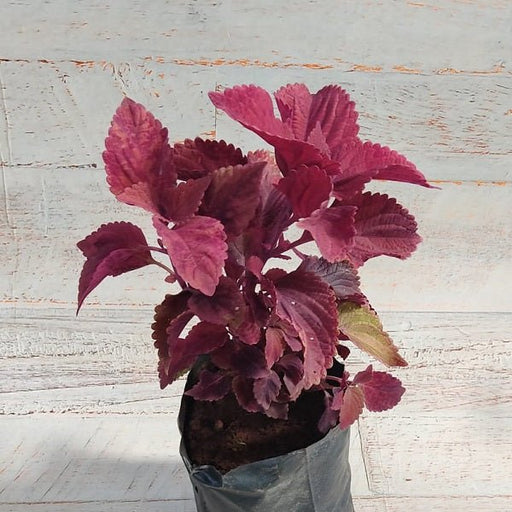





Leave a comment