
Expert Support
Available 24/7 via chat
Available 24/7 via chat
The Amla tree (Indian gooseberry) is one of India's most cherished medicinal plants—treasured for centuries in Ayurveda and valued across Indian homes for its incredible vitamin C content and health benefits. What makes this tree even more rewarding is how remarkably easy it is to grow, whether you're working with a compact balcony space or a sprawling garden. Our Amla trees are available as well-established seedlings ready to flourish in your care.
The Amla tree, scientifically known as Phyllanthus emblica, carries many names across India—from Amlaki and Amlika in the north to nellikai in the south and Usirikai in parts of Southeast India. Adiphala, Amali, Amalakamu, Anola, and malacca tree are among its other regional names, each reflecting the tree's deep cultural significance across the country. This deciduous tree grows impressively large, reaching up to 26 feet in a mature garden setting, though container plants like the 24-inch specimen we offer give you full control over its size. The tree rewards you with delicate greenish-yellow or pinkish flowers in late winter and early spring, followed by the distinctive round, pale green fruits that ripen to a warm golden-brown in summer. Beyond its practical value, the Amla tree holds special significance in Hindu tradition—it's considered Vastu-recommended, believed to bring positive energy and prosperity to households.
| Aspect | Details |
|---|---|
| Light | More than 6 hours of direct bright sunlight daily |
| Water | Water when top 1–2 inches of soil feel dry to touch |
| Soil | Well-drained, fertile, organic-rich; pH 5.5–7.5 |
| Temperature | Tolerates up to 40°C; prefers frost-free winters |
Amla trees are sun worshippers and will thrive best with more than 6 hours of direct bright sunlight daily. This isn't negotiable for good fruit production—the more sun exposure, the sweeter and more abundant your harvest. In India's intense summer, even 6 hours of morning and midday sun will keep your tree happy. If you're growing in a container, place it where it catches direct light from sunrise through mid-morning, or position it where afternoon sun filters through. Full-sun locations will always outperform partially shaded spots, especially if you're hoping for consistent fruiting.
The key to healthy Amla trees is consistent soil moisture without waterlogging. Before you water, use a simple test: poke your finger or a small stick about 1–2 inches into the soil around the base of the tree. If the topsoil feels dry to the touch, it's time to water. If it's still moist, wait a few more days. During India's monsoon season, rainfall often reduces your watering needs significantly—watch the soil carefully and hold back on supplemental watering when rains are frequent. In drier months (especially March through June), increase watering frequency. Always ensure the pot or garden bed has drainage holes; sitting water invites root rot, which is far harder to recover from than temporary drought stress.
The Amla tree isn't fussy about soil but performs best in well-drained, fertile soil rich in organic matter. Aim for a soil pH between 5.5 and 7.5—this range supports nutrient uptake and strong growth. If your garden has heavy clay, mix in compost or coarse sand to improve drainage. For container growing, use a potting mix enriched with aged compost. During the main growing season (September through November), feed your tree with organic fertilizer—this is when the tree puts on new growth and prepares for flowering. Neem cake, vermicompost, or well-rotted farmyard manure work beautifully. Skip feeding during the hot months (April–June) when growth naturally slows.
Indian Amla trees are built for India's climate. They tolerate temperatures up to 40°C comfortably, which means they thrive during even scorching summers. However, they prefer slightly cooler, frost-free winters for proper flower and fruit development. Humidity is generally not a concern in most regions, but in very dry areas, a light mulch around the base helps retain soil moisture and keeps roots cooler. The tree's deciduous nature means it will naturally shed leaves in winter—this is healthy and normal, not a sign of distress. Expect full regrowth once temperatures rise in spring.
While seed-grown trees like the one we offer take a few more years to mature and begin fruiting, they're incredibly robust and long-lived. Seeds extracted from ripe summer fruit can be dried in shade and sown in a seed-raising mix kept lightly moist; germination takes 2–3 weeks. For faster fruiting, you can propagate from semi-hardwood cuttings taken in late summer—treat them with rooting hormone and root in a moist perlite mix. Seed-grown trees eventually develop deeper root systems and greater resilience, making them ideal for long-term garden cultivation.
Amla trees are remarkably hardy, but watch for leaf-spot diseases during monsoon humidity—improve air circulation and avoid overhead watering to prevent fungal issues. Occasionally, scale insects or mealybugs may appear; a gentle neem oil spray handles these pests effectively. If the tree isn't fruiting after several years, check that it's receiving full sun and isn't being over-fertilized—excess nitrogen encourages foliage at the expense of flowers. Hard water in some Indian regions can cause nutrient deficiencies; if you notice pale or yellowing leaves despite adequate feeding, a chelated iron spray or sulphur application may help restore vigor.
Ready to grow your own? Shop Amla Tree at Nurserylive →
Amla Tree, Indian Gooseberry (Big Fruit, Grown Through Seeds) - Plant The Amla Tree, scientifically known as *Phyllanthus emblica*, is a r...
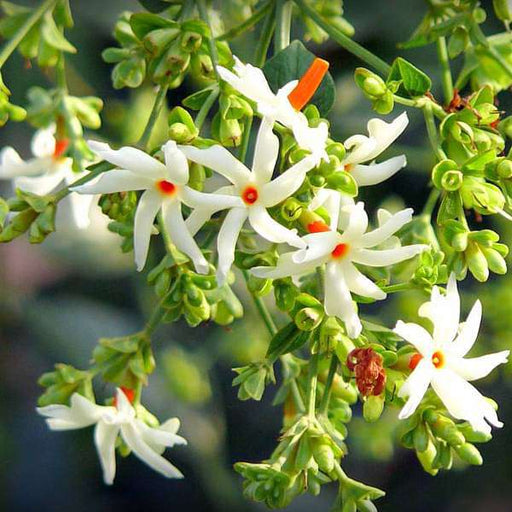
View full detailsCombo Constituents Includes the Parijat Tree (Night-Flowering Jasmine), a culturally significant plant with fragrant flowers. Description The Pari...
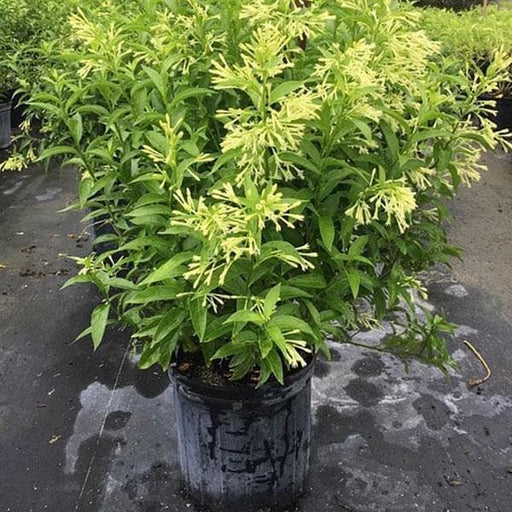
View full detailsDescription Raat Ki Rani (*Cestrum nocturnum*), also known as Night Blooming Jasmine, is a fragrant shrub native to the Caribbean and Central Ameri...
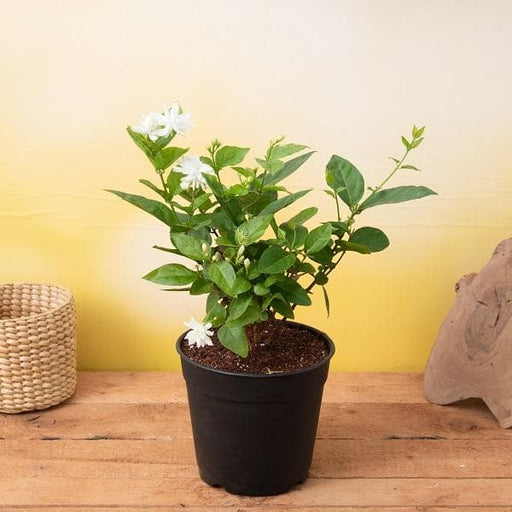
View full detailsJasminum sambac, Mogra, Arabian Jasmine - Plant Jasminum sambac, commonly known as Mogra or Arabian Jasmine, is a fragrant flowering plant...
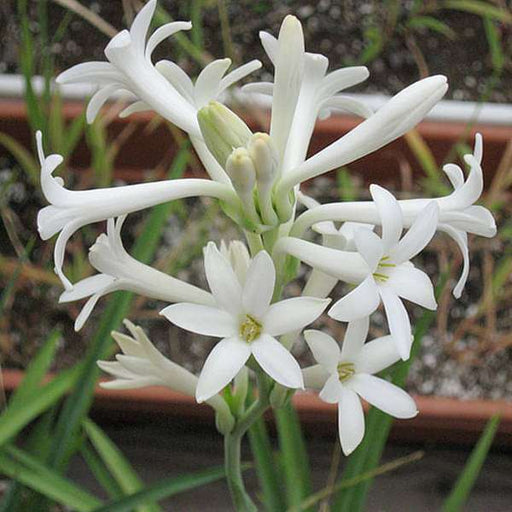
View full detailsRajnigandha, Tuberose - Plant The Rajnigandha, scientifically known as Polianthes tuberosa, is a captivating perennial plant renowned for ...
View full detailsCitronella, Odomas - Plant The Citronella plant, scientifically known as Cymbopogon nardus, is a tropical grass renowned for its aromatic ...
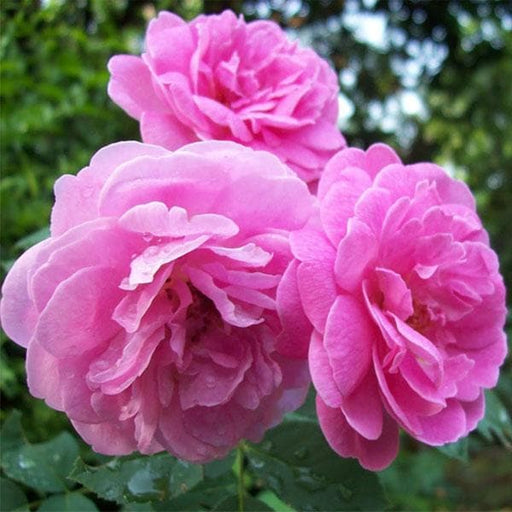
View full detailsDamascus Rose, Scented Rose (Any Color) - Plant The Damascus Rose, also known as Rosa damascena, is a timeless symbol of beauty and romanc...
View full detailsMiniature Rose, Button Rose (Any Color) - Plant The Miniature Rose, also known as the Button Rose, is a charming and compact flowering plant that ...
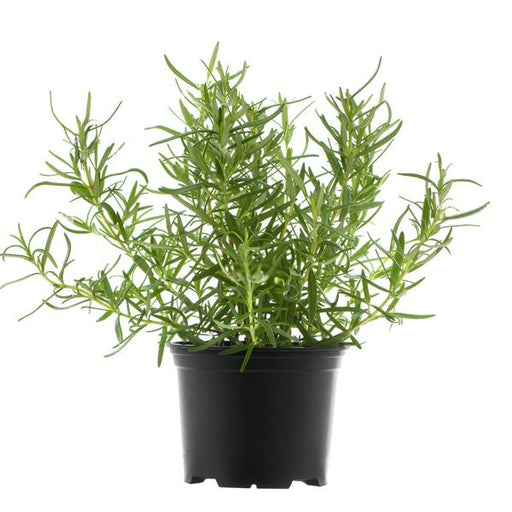
View full detailsRosemary - Plant Rosemary (Rosmarinus officinalis) is a fragrant evergreen herb native to the Mediterranean region. Known for its needle-like leav...
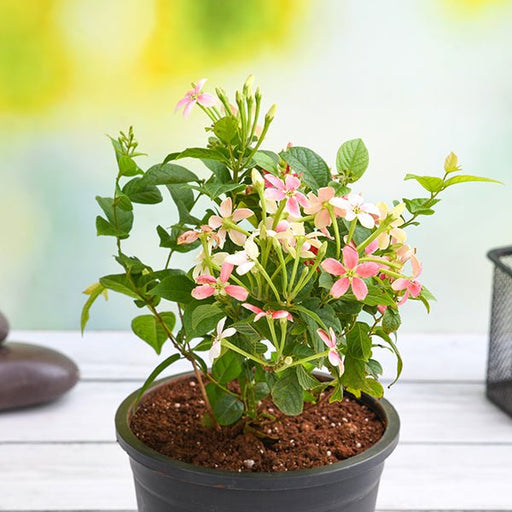
View full detailsMadhumalti Dwarf, Rangoon Creeper - Plant The Madhumalti Dwarf, also known as the Rangoon Creeper (Quisqualis indica), is a stunning perennial vin...
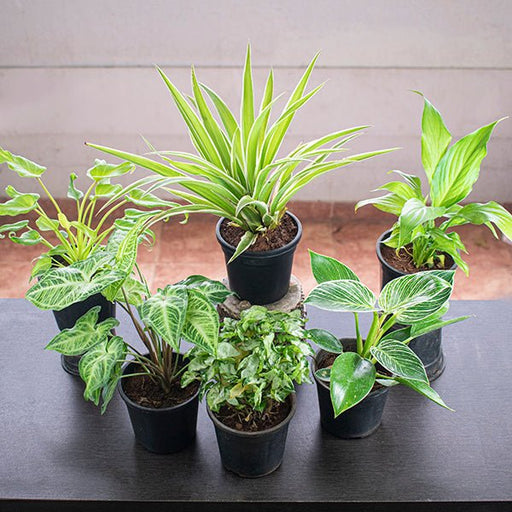
View full detailsBest 6 Plants for Perfect Indoor Garden Transform your living space into a lush oasis with our curated collection of the Best 6 Plants for a...
View full detailsBest 6 Plants for Perfect Indoor Garden Transform your living space into a lush oasis with our curated collection of the Best 6 Plants for a...
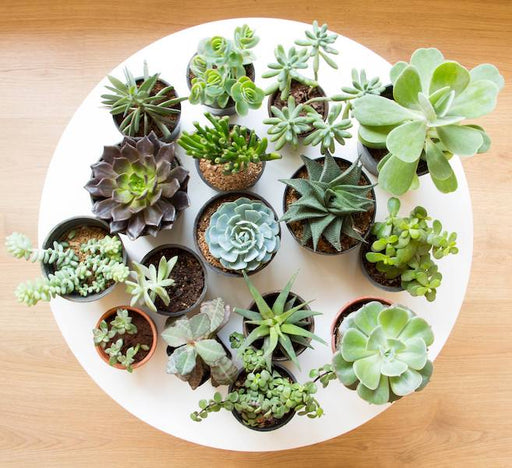
View full detailsMini Succulent Garden Pack Transform your space with our Mini Succulent Garden Pack, featuring a delightful collection of 4 any variety beautiful s...
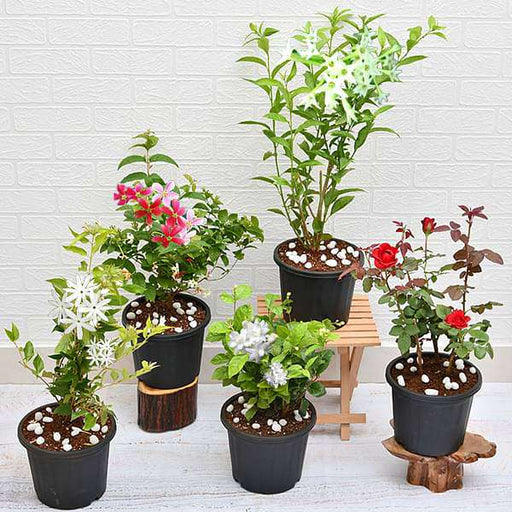
View full details5 Best Fragrant Plants Transform your garden or indoor space into a fragrant paradise with our curated selection of the 5 Best Fragrant Plants. Th...
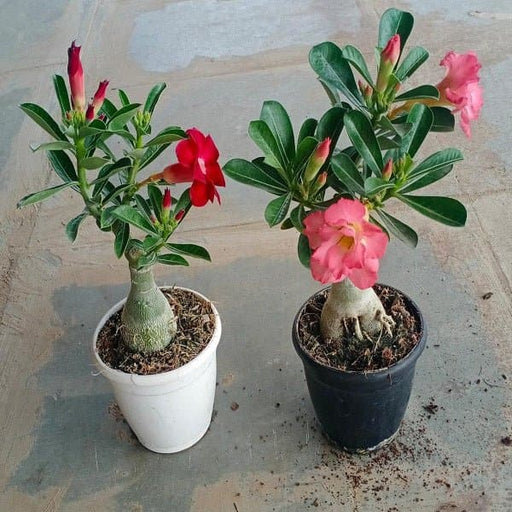
View full detailsSet of 2 Bonsai Looking Grafted Adeniums Transform your indoor or outdoor space with our exquisite Set of 2 Bonsai Looking Grafted Adenium...
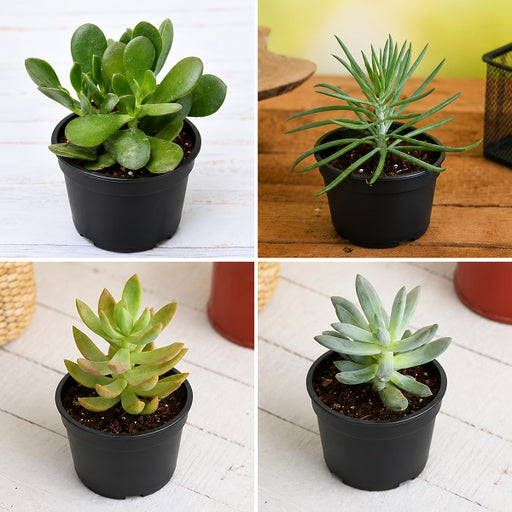
View full detailsTop 4 Die Hard Succulents Pack Note: Plants included in this pack will be delivered in a 3-inch nursery pot (any color). Transform your indoor or ...
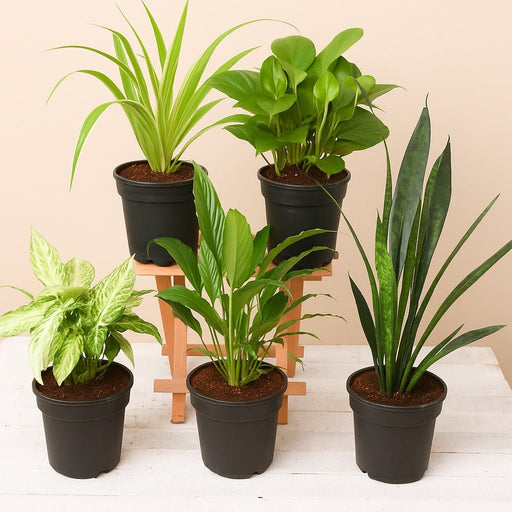
View full details5 Best Indoor Plants Pack Transform your living space into a lush oasis with our '5 Best Indoor Plants Pack.' This carefully curated collection fe...
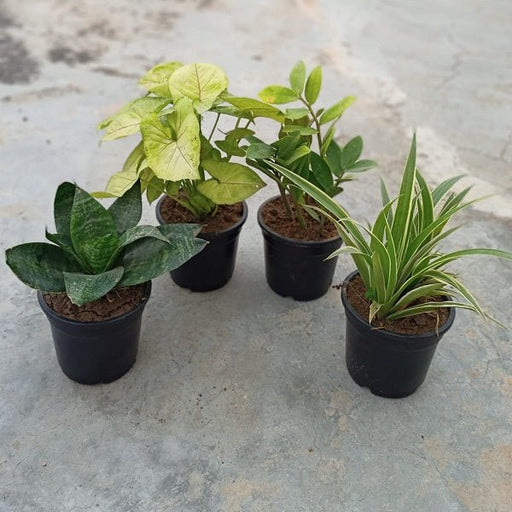
View full detailsSet of 4 Evergreen Air Purifier Plant Pack Transform your indoor space into a lush, green oasis with our Set of 4 Evergreen Air Purifier Pla...
View full detailsTop 5 Pollution Killer Plants Pack Transform your living space into a breath of fresh air with our 'Top 5 Pollution Killer Plants Pack'. This care...
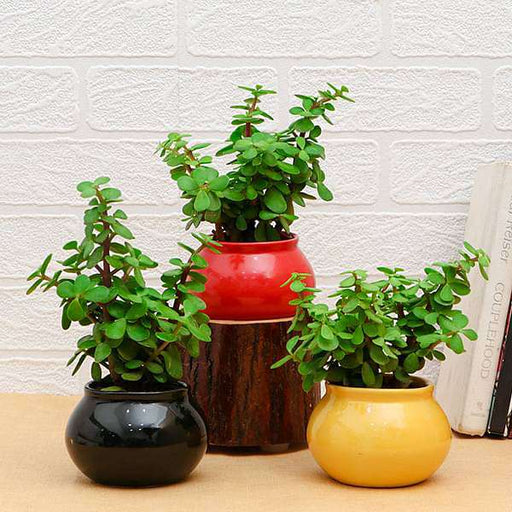
View full detailsPack of 3 Good Luck Jade Plants in Ceramic Pots Bring a touch of nature into your home with our Pack of 3 Good Luck Jade Plants, featuring...
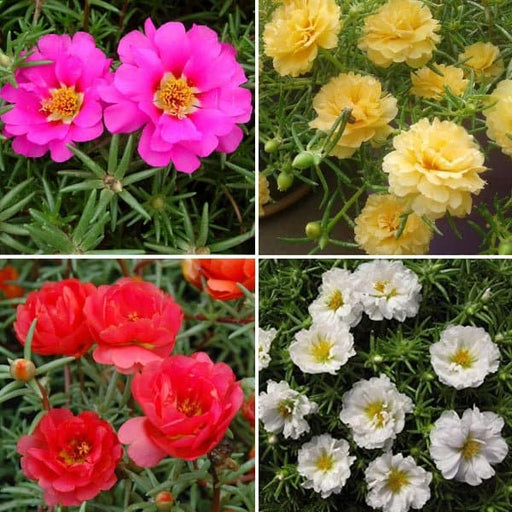
View full detailsPortulaca Garden Pack (4 Plants + 4 Black Pots) Note- You will get any color (Assorted) potted Porulaca plant with this pack. Transform your garde...
View full details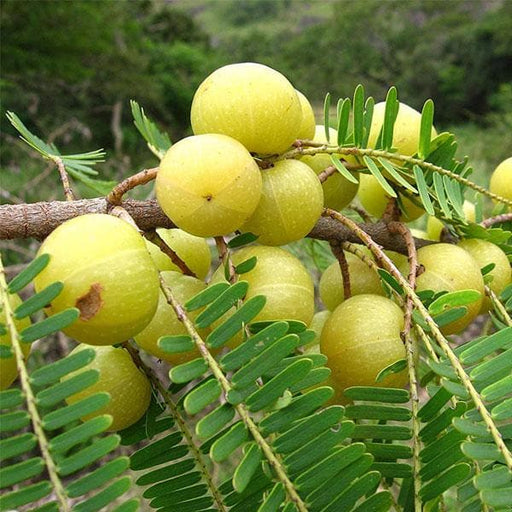





Leave a comment