
Expert Support
Available 24/7 via chat
Available 24/7 via chat
If you've always wanted a houseplant but dreaded dealing with soil, mess, and complicated watering schedules, air plants are your answer. Tillandsia, commonly called air plants, are remarkable plants that require no soil whatsoever—they absorb water and nutrients directly from the air and through their leaves. For Indian homes, especially those dealing with hard water and seasonal heat extremes, air plants offer a refreshingly simple way to add greenery to shelves, desks, and windowsills. The Tillandsia ionantha Guatemala variety grows to just 2 inches (5 cm) in height with a 1-inch spread, making it a perfect medium focal display plant that fits anywhere. Their violet flowers and ease of care make them ideal for beginners and seasoned plant lovers alike.
Air plants belong to the Bromeliad family and are epiphytes—in nature, they cling to trees and rocks, deriving moisture and nutrients from rainfall and airborne debris rather than soil. The Tillandsia ionantha Guatemala is classified as easy to grow, reaching a maximum height of up to 5 cm. It produces delicate violet flowers and serves as an excellent medium focal point for any indoor space. Because they require no soil, air plants eliminate common problems like waterlogging, pest infestations in potting mix, and the mess of repotting. They're perfect for shelves, floating displays, or even mounted on cork or driftwood.
| Light | Indirect sunlight |
| Water | Misting once a week (more in hot, dry conditions) |
| Soil | None required |
| Temperature | 15 to 30 degrees Celsius |
| Fertilizer | Not required |
Air plants thrive in indirect sunlight, making them perfect for most Indian homes where bright windows with filtered light are common. Place your Tillandsia near an east or west-facing window, or on a shelf a few feet away from a south-facing window. Avoid direct afternoon sun, especially during India's intense summer months (April to June), as it can scorch the delicate leaves. Indoor environments with ambient light are sufficient—air plants don't need the intensity that soil-based plants often demand. This flexibility makes them ideal for offices, bathrooms, living rooms, or any corner where you want to add a touch of green without repositioning plants seasonally.
Forget traditional watering cans and soaking. Tillandsia requires only misting—a light spray of water once a week is the standard maintenance. Use a spray bottle to mist the entire plant until leaves are thoroughly wet but not dripping. During India's hot and dry conditions, especially in northern regions or during March to May heat waves, increase misting frequency to 2-3 times per week. If you live in a coastal area or during monsoon season (June to September), you may reduce frequency slightly as atmospheric humidity rises naturally. Never soak air plants in water as their roots are vestigial and they're adapted to absorb moisture through their leaves. Use filtered or distilled water if possible, as India's hard water (high in calcium and magnesium) can leave mineral deposits on leaves over time. After misting, allow the plant to dry within a few hours—good air circulation prevents rot, so avoid closed terrariums or tightly enclosed spaces.
Tillandsia require absolutely no soil. This is their greatest advantage—no potting mix to buy, no repotting mess, no pest-harboring substrate to worry about. The plant naturally absorbs all its water and nutrients from the air and rainfall (or in your case, from misting). Consequently, no fertilizer is needed. Tillandsia ionantha thrives on what nature provides through your regular misting routine. If you wish to mount your air plant on cork, a wooden base, or driftwood for decorative purposes, simply secure it with a thin wire or fishing line until the roots naturally anchor themselves.
Air plants are comfortable in temperatures between 15 and 30 degrees Celsius, a range that covers most of India's habitable zones year-round. During India's scorching summers when temperatures soar above 35°C, keep your Tillandsia in air-conditioned rooms or shaded indoor spots. They tolerate cooler conditions during winter (15-20°C in northern regions) without stress. Humidity is beneficial—misting itself increases local humidity around the plant. During monsoon months when humidity naturally spikes, misting once weekly is usually sufficient. In dry winters or in central-heating environments, stick to the standard weekly misting or increase it slightly. The key is airflow; ensure your plant has gentle air circulation to prevent fungal issues that can arise in stagnant, damp conditions.
As your Tillandsia matures, it will eventually produce small offshoots called "pups" at its base. These pups will grow into independent plants over time. Once a pup reaches roughly one-third the size of the mother plant, you can gently separate it using a clean knife or your fingers and care for it as a standalone plant with the same misting and lighting regime. Propagation through pups is a slow but rewarding process, allowing you to expand your air plant collection without purchasing new plants. Be patient—pup development takes several months to a year depending on growing conditions.
Most air plant problems stem from watering mistakes. Over-misting or misting with leaves that don't dry quickly can cause rot—always ensure good airflow and allow the plant to dry within a few hours of misting. Conversely, under-watering in hot, dry climates (common in Indian summers) leads to brown, crispy leaf tips. If this happens, increase misting frequency and monitor closely. Brown leaf bases can indicate rot from stagnant moisture or poor drainage. If rot sets in, remove affected leaves carefully and ensure better air circulation. Hard water mineral buildup appears as white crusty deposits on leaves; use distilled or filtered water to prevent this. Pests are rare on air plants, but spider mites can occasionally appear in very dry conditions—increase humidity through misting to deter them.
Ready to grow your own? Shop Air Plant at Nurserylive →
Air Plant, Tillandsia ionantha Guatemala (Medium) The Tillandsia ionantha Guatemala, commonly known as the Air Plant, is a stunning epiphy...
View full detailsCombo Constituents Includes the Parijat Tree (Night-Flowering Jasmine), a culturally significant plant with fragrant flowers. Description The Pari...
View full detailsDescription Raat Ki Rani (*Cestrum nocturnum*), also known as Night Blooming Jasmine, is a fragrant shrub native to the Caribbean and Central Ameri...
View full detailsJasminum sambac, Mogra, Arabian Jasmine - Plant Jasminum sambac, commonly known as Mogra or Arabian Jasmine, is a fragrant flowering plant...
View full detailsRajnigandha, Tuberose - Plant The Rajnigandha, scientifically known as Polianthes tuberosa, is a captivating perennial plant renowned for ...
View full detailsCitronella, Odomas - Plant The Citronella plant, scientifically known as Cymbopogon nardus, is a tropical grass renowned for its aromatic ...
View full detailsDamascus Rose, Scented Rose (Any Color) - Plant The Damascus Rose, also known as Rosa damascena, is a timeless symbol of beauty and romanc...
View full detailsMiniature Rose, Button Rose (Any Color) - Plant The Miniature Rose, also known as the Button Rose, is a charming and compact flowering plant that ...
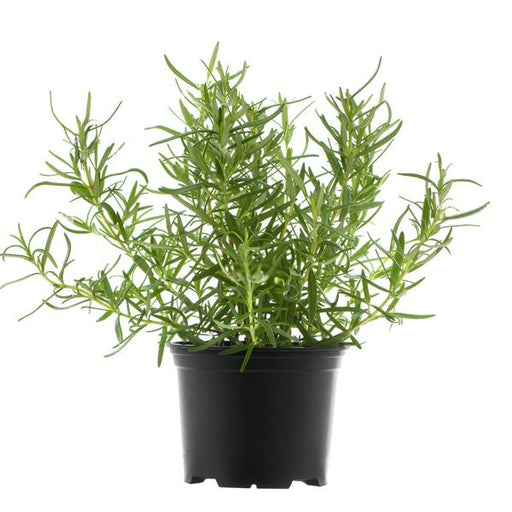
View full detailsRosemary - Plant Rosemary (Rosmarinus officinalis) is a fragrant evergreen herb native to the Mediterranean region. Known for its needle-like leav...
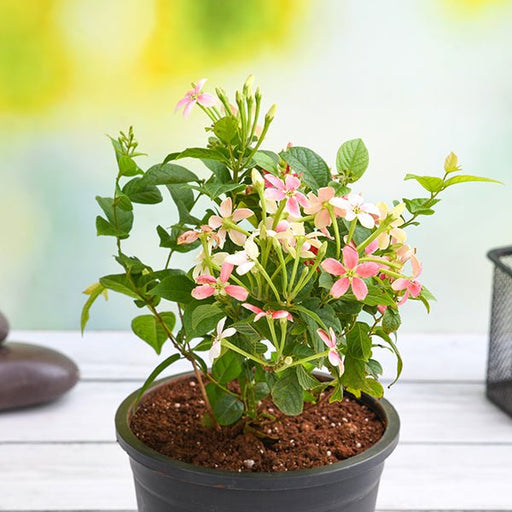
View full detailsMadhumalti Dwarf, Rangoon Creeper - Plant The Madhumalti Dwarf, also known as the Rangoon Creeper (Quisqualis indica), is a stunning perennial vin...
View full detailsBest 6 Plants for Perfect Indoor Garden Transform your living space into a lush oasis with our curated collection of the Best 6 Plants for a...
View full detailsBest 6 Plants for Perfect Indoor Garden Transform your living space into a lush oasis with our curated collection of the Best 6 Plants for a...
View full detailsMini Succulent Garden Pack Transform your space with our Mini Succulent Garden Pack, featuring a delightful collection of 4 any variety beautiful s...
View full details5 Best Fragrant Plants Transform your garden or indoor space into a fragrant paradise with our curated selection of the 5 Best Fragrant Plants. Th...
View full detailsSet of 2 Bonsai Looking Grafted Adeniums Transform your indoor or outdoor space with our exquisite Set of 2 Bonsai Looking Grafted Adenium...
View full detailsTop 4 Die Hard Succulents Pack Note: Plants included in this pack will be delivered in a 3-inch nursery pot (any color). Transform your indoor or ...
View full details5 Best Indoor Plants Pack Transform your living space into a lush oasis with our '5 Best Indoor Plants Pack.' This carefully curated collection fe...
View full detailsSet of 4 Evergreen Air Purifier Plant Pack Transform your indoor space into a lush, green oasis with our Set of 4 Evergreen Air Purifier Pla...
View full detailsTop 5 Pollution Killer Plants Pack Transform your living space into a breath of fresh air with our 'Top 5 Pollution Killer Plants Pack'. This care...
View full detailsPack of 3 Good Luck Jade Plants in Ceramic Pots Bring a touch of nature into your home with our Pack of 3 Good Luck Jade Plants, featuring...
View full detailsPortulaca Garden Pack (4 Plants + 4 Black Pots) Note- You will get any color (Assorted) potted Porulaca plant with this pack. Transform your garde...
View full details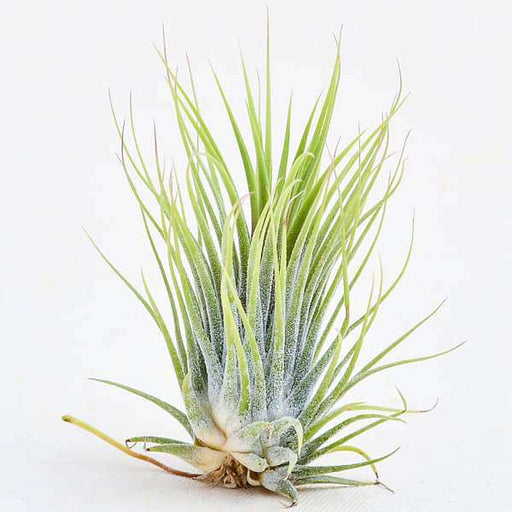





















Leave a comment