
Expert Support
Available 24/7 via chat
Available 24/7 via chat
Thunbergia is one of the most versatile and rewarding climbers for Indian gardeners. This vibrant, multi-colored vine transforms any trellis, hanging basket, or pot into a butterfly and bird magnet, especially during its abundant August to September blooming season. With minimal fuss and maximum visual impact, Thunbergia is classified as easy to grow, making it perfect for both beginners and experienced gardeners looking to add vertical interest to their landscape.
Thunbergia, commonly known as Thunbergia erecta or Meyenia erecta mini, belongs to the Acanthaceae family—the same botanical family as Acanthus and Meyenia White. When you receive your plant from Nurserylive, it typically stands at 18 inches (46 cm) tall with a spread of about 6 inches (15 cm), but don't let its modest initial size fool you. This vigorous climber can reach an impressive 15 to 30 feet when given proper support and growing conditions. It's a perennial plant that thrives in hanging baskets, pot-trained trellises, and trained displays, delivering weeks of color when it blooms profusely from August through September.
| Care Aspect | Requirement |
|---|---|
| Light | Full sun to part shade |
| Watering | Medium (regular but not waterlogged) |
| Soil | Well-drained soil |
| Temperature | 20 to 30 degrees C |
Thunbergia performs best in full sun, where it produces the most abundant flowers and vibrant coloring. In Indian gardens, especially in the scorching plains and coastal regions, full sun exposure during the cooler months (October to February) is ideal. During the intense summer months (April to June), providing part shade during the hottest hours (11 AM to 4 PM) helps prevent heat stress and keeps blooms fresher longer. Even in partial shade, your Thunbergia will grow well, though flowering may be slightly less prolific. The key is ensuring the plant receives at least 4 to 6 hours of direct light daily for optimal performance.
Water your Thunbergia moderately—this means regular watering without letting the soil become waterlogged. During the warm months and monsoon season, check the soil moisture before watering; water only when the top inch of soil feels dry to the touch. Indian gardens often deal with hard water and occasional water restrictions, so establishing a consistent schedule is crucial. In the monsoon, reduce watering frequency as natural rainfall will supplement your plant's needs. During winter (November to February) when the plant is less actively growing and temperatures are within the 20 to 30 degrees C range, reduce watering further. Proper drainage is essential—standing water will lead to root rot, particularly in the humidity and warmth of Indian monsoons. Always water at the base of the plant to keep foliage dry.
Thunbergia thrives in well-drained soil, which is especially important for Indian gardens prone to waterlogging during monsoon. A mix of garden soil with coarse sand or perlite (in a 2:1 ratio) ensures excellent drainage while retaining enough moisture for steady growth. Apply any organic fertilizer during the growing season (March to August), ideally once a month. Organic fertilizers improve soil structure, enhance microbial activity, and help your plant withstand the stress of Indian heat waves and monsoon humidity. Compost, vermicompost, and balanced organic blends all work well. Avoid over-fertilizing, which can lead to lush foliage at the expense of flowers. A light feeding is always better than an aggressive one for consistent blooming.
Thunbergia is quite adaptable and thrives in the temperature range of 20 to 30 degrees C, which aligns well with much of India's climate outside the extreme summer peak. It handles the warmth of Indian summers fairly well, but prolonged temperatures above 35°C may cause temporary stress; provide light afternoon shade during May and June if your region experiences extreme heat. The plant is less cold-tolerant and should be protected if temperatures drop below 15°C—a consideration mainly for higher-altitude regions and during December to January cold snaps. Monsoon humidity is generally beneficial, but ensure good air circulation around the plant to prevent fungal issues. In coastal and humid regions, spacing plants adequately and avoiding overhead watering helps maintain healthy foliage.
Propagating Thunbergia from cuttings is straightforward and highly successful. Take 4 to 6-inch cuttings from healthy, non-flowering stems during the growing season (March to July). Remove the lower leaves and dip the cut end in rooting hormone if available (optional but helpful). Insert cuttings into a moist, well-draining propagation medium such as a peat and perlite mix or coconut coir and sand. Keep the medium consistently moist but not waterlogged, and place cuttings in bright, indirect light. Roots typically develop within 3 to 4 weeks. Once rooted, pot the new plants into well-draining soil and gradually acclimate them to outdoor conditions before planting in their permanent location. This method allows you to expand your collection and share cuttings with fellow gardeners.
Thunbergia is relatively pest-resistant, but in the warm, humid climate of India, watch for spider mites and whiteflies, particularly during dry spells. Regular misting and good air circulation help deter these pests. Fungal leaf spot can occur in excessively humid conditions or with overhead watering; avoid wetting foliage and ensure adequate spacing. Scale insects occasionally appear on shaded plants; remove them manually or spray with neem oil solution. The most common issue is poor drainage leading to root rot, especially during the monsoon—if your plant shows yellowing leaves and a soft stem base, check drainage immediately and adjust watering. Nutrient deficiencies are rare with organic fertilizer application, but if leaves appear pale, apply a balanced organic fertilizer or compost tea.
Ready to grow your own? Shop Thunbergia at Nurserylive →
Thunbergia (Any Color) - Plant Thunbergia, commonly known as Black-eyed Susan vine, is a stunning climbing plant that enchants with its vi...
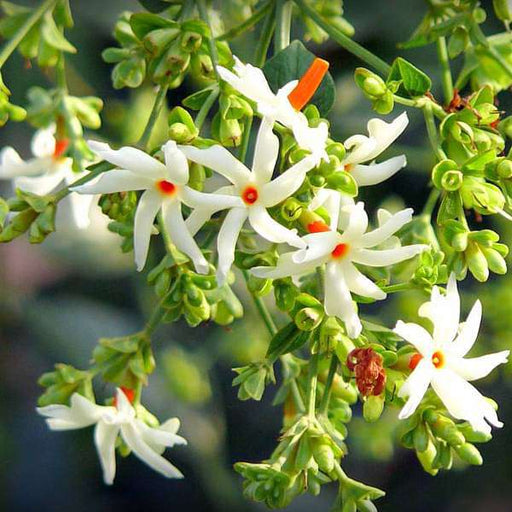
View full detailsCombo Constituents Includes the Parijat Tree (Night-Flowering Jasmine), a culturally significant plant with fragrant flowers. Description The Pari...
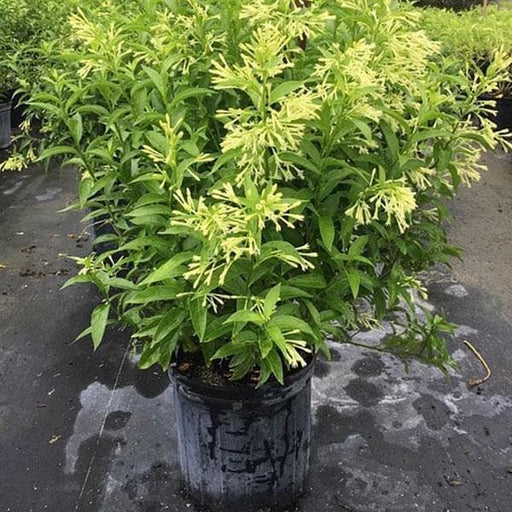
View full detailsDescription Raat Ki Rani (*Cestrum nocturnum*), also known as Night Blooming Jasmine, is a fragrant shrub native to the Caribbean and Central Ameri...
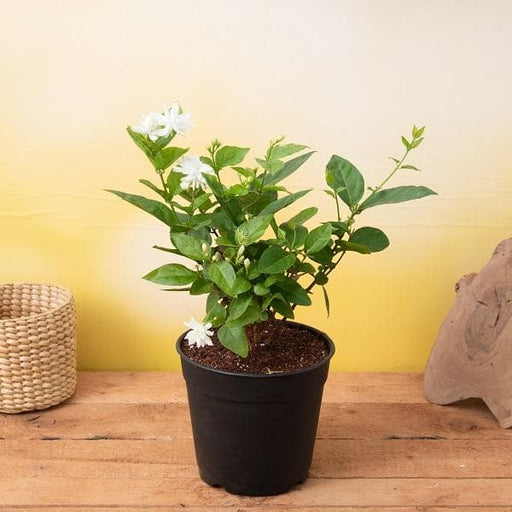
View full detailsJasminum sambac, Mogra, Arabian Jasmine - Plant Jasminum sambac, commonly known as Mogra or Arabian Jasmine, is a fragrant flowering plant...
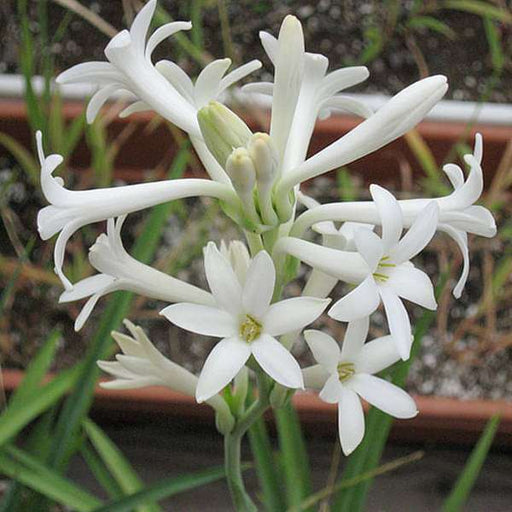
View full detailsRajnigandha, Tuberose - Plant The Rajnigandha, scientifically known as Polianthes tuberosa, is a captivating perennial plant renowned for ...
View full detailsCitronella, Odomas - Plant The Citronella plant, scientifically known as Cymbopogon nardus, is a tropical grass renowned for its aromatic ...
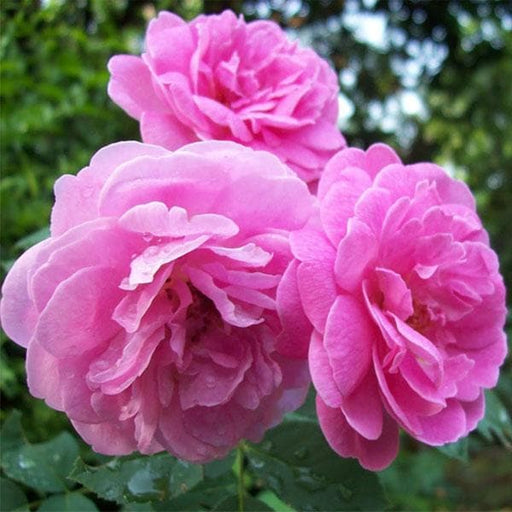
View full detailsDamascus Rose, Scented Rose (Any Color) - Plant The Damascus Rose, also known as Rosa damascena, is a timeless symbol of beauty and romanc...
View full detailsMiniature Rose, Button Rose (Any Color) - Plant The Miniature Rose, also known as the Button Rose, is a charming and compact flowering plant that ...
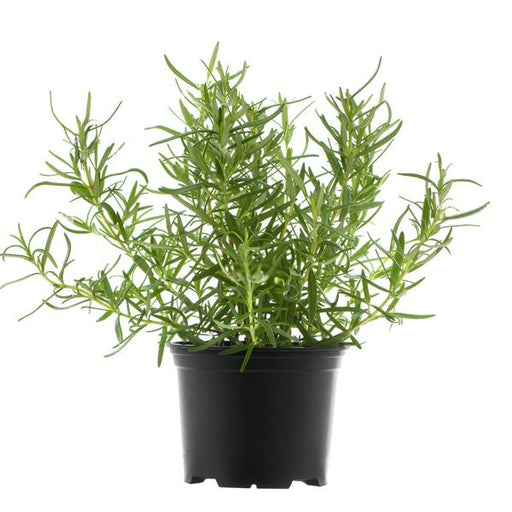
View full detailsRosemary - Plant Rosemary (Rosmarinus officinalis) is a fragrant evergreen herb native to the Mediterranean region. Known for its needle-like leav...
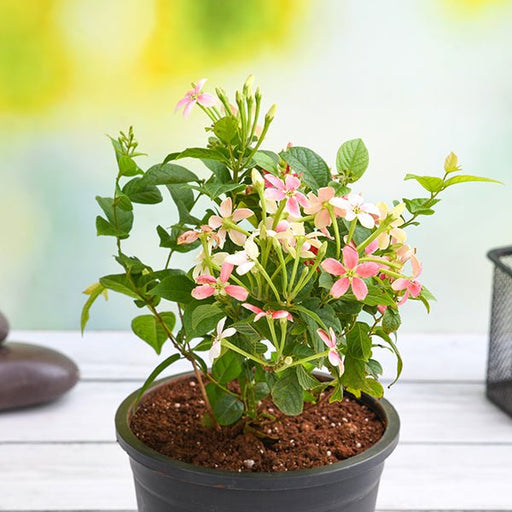
View full detailsMadhumalti Dwarf, Rangoon Creeper - Plant The Madhumalti Dwarf, also known as the Rangoon Creeper (Quisqualis indica), is a stunning perennial vin...
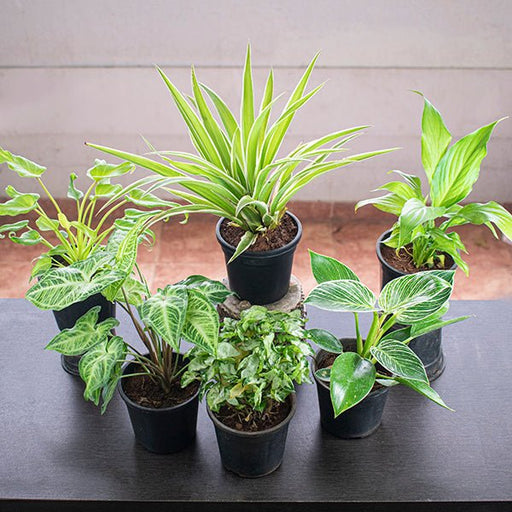
View full detailsBest 6 Plants for Perfect Indoor Garden Transform your living space into a lush oasis with our curated collection of the Best 6 Plants for a...
View full detailsBest 6 Plants for Perfect Indoor Garden Transform your living space into a lush oasis with our curated collection of the Best 6 Plants for a...
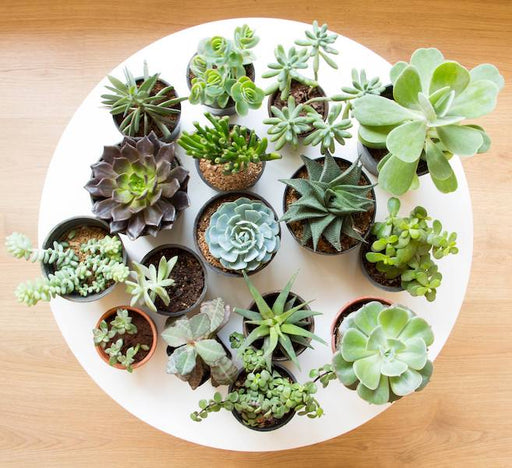
View full detailsMini Succulent Garden Pack Transform your space with our Mini Succulent Garden Pack, featuring a delightful collection of 4 any variety beautiful s...
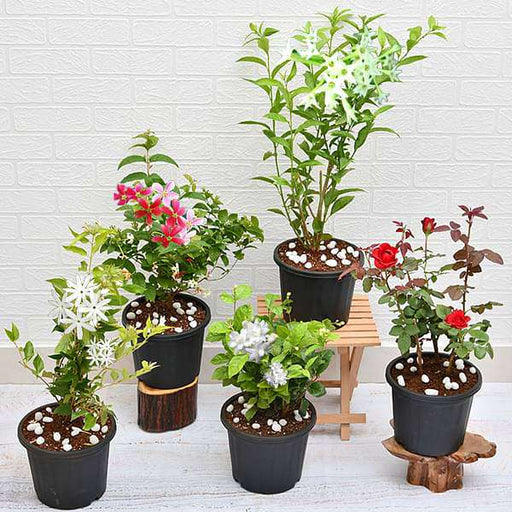
View full details5 Best Fragrant Plants Transform your garden or indoor space into a fragrant paradise with our curated selection of the 5 Best Fragrant Plants. Th...
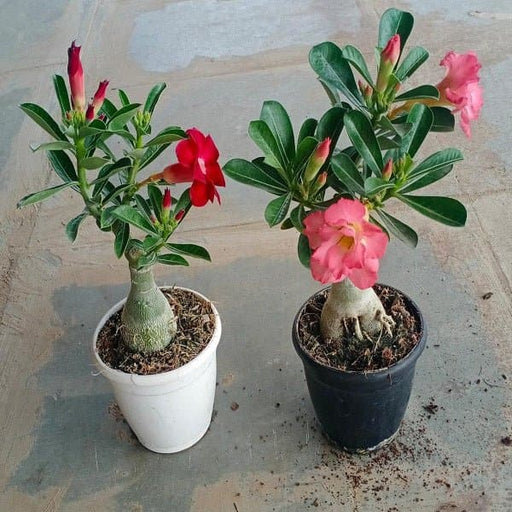
View full detailsSet of 2 Bonsai Looking Grafted Adeniums Transform your indoor or outdoor space with our exquisite Set of 2 Bonsai Looking Grafted Adenium...
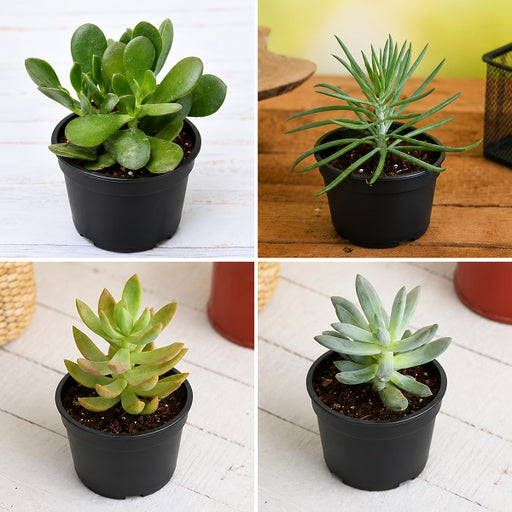
View full detailsTop 4 Die Hard Succulents Pack Note: Plants included in this pack will be delivered in a 3-inch nursery pot (any color). Transform your indoor or ...
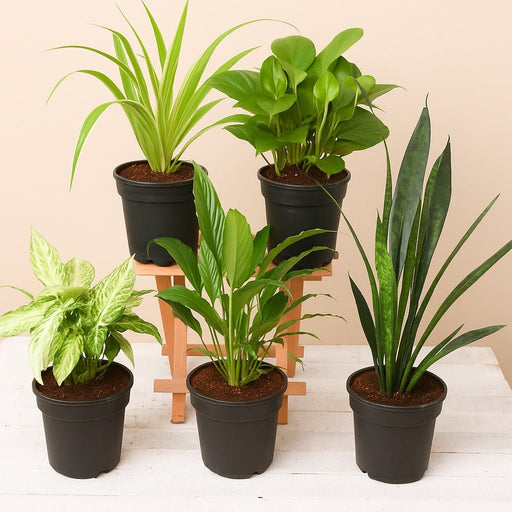
View full details5 Best Indoor Plants Pack Transform your living space into a lush oasis with our '5 Best Indoor Plants Pack.' This carefully curated collection fe...
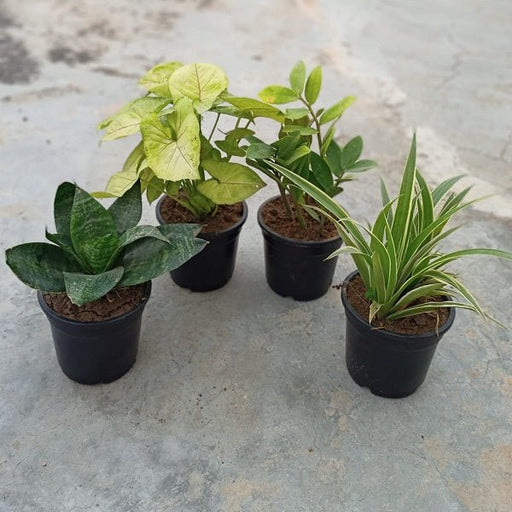
View full detailsSet of 4 Evergreen Air Purifier Plant Pack Transform your indoor space into a lush, green oasis with our Set of 4 Evergreen Air Purifier Pla...
View full detailsTop 5 Pollution Killer Plants Pack Transform your living space into a breath of fresh air with our 'Top 5 Pollution Killer Plants Pack'. This care...
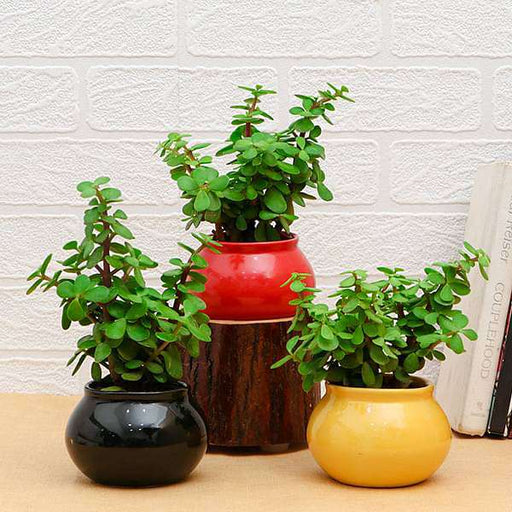
View full detailsPack of 3 Good Luck Jade Plants in Ceramic Pots Bring a touch of nature into your home with our Pack of 3 Good Luck Jade Plants, featuring...
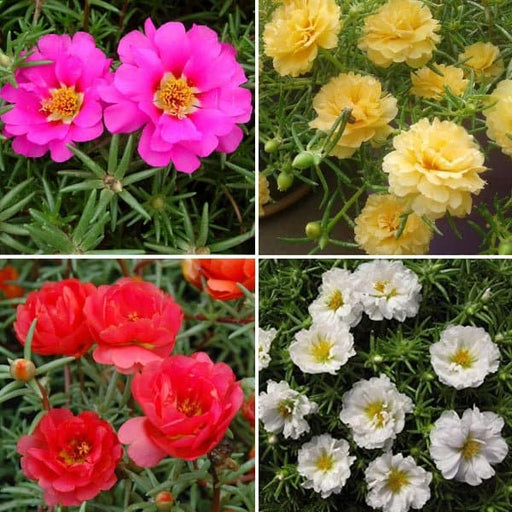
View full detailsPortulaca Garden Pack (4 Plants + 4 Black Pots) Note- You will get any color (Assorted) potted Porulaca plant with this pack. Transform your garde...
View full details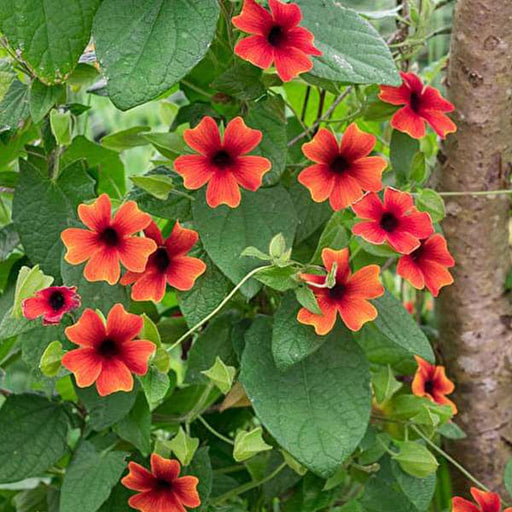





Leave a comment