
Expert Support
Available 24/7 via chat
Available 24/7 via chat
The Rudraksha tree holds a sacred place in Indian gardening and spiritual traditions. Known for its auspicious beads and serene presence, this moderate-difficulty tree is surprisingly accessible for both experienced gardeners and those looking to add spiritual value to their green spaces. Your 36-inch young tree is ready to grow into a magnificent 15-metre specimen, or to remain a cherished container plant on your balcony year-round.
The Rudraksha (Elaeocarpus ganitrus), often called the "Praying bead plant," is a long-living perennial tree revered across India for centuries. The tree is prized for the seeds it produces—each seed naturally forms ridged patterns that resemble faces, giving them profound spiritual significance. Beyond tradition, the Rudraksha is a practical choice for Indian gardens: it is hardy, adapts well to container growing, and responds beautifully to attentive care.
When delivered, your plant measures 36 inches (91 cm) tall with a spread of 9 inches (23 cm). Over time, it will develop into a fuller, taller specimen. The tree produces delicate white flowers during the October–December bloom season, and if allowed to mature, develops the seed pods treasured for their spiritual properties.
| Light | Water | Soil | Temperature |
|---|---|---|---|
| More than 6 hours direct bright sunlight daily | Water when top 1–2 inches feel dry | Well-drained, fertile, pH 5.5–7.5 | 15–25°C (optimal) |
Your Rudraksha thrives in bright, direct sunlight—at least 6 hours daily. In India, this is usually straightforward during the cooler months (October–May), but summer requires strategy. If you live in a region with intense afternoon heat (above 35°C), consider placing your potted tree where it receives morning sun and afternoon dappled shade, particularly in May and June. North-facing balconies in northern India often provide ideal light without scorching young leaves.
Inadequate light results in weak growth and fewer flowers during the October–December bloom season. If your plant shows sparse foliage or leggy growth, gradually increase its sun exposure. Watch for leaf burn in the first week of a move to brighter conditions, and adjust by providing a few days of partial shade as an intermediary step.
This is where the Rudraksha's moderate difficulty rating shines—consistent care matters, but it is not fussy. Before watering, poke your finger or a small stick 1–2 inches into the soil around the base. If it feels dry to the touch, water thoroughly until it drains from the pot's base. If the soil is still moist, wait another day or two.
During India's monsoon season (June–September), reduce watering frequency dramatically. The soil retains far more moisture, and overwatering is the leading cause of root rot in container-grown Rudrakshas. In the hot season (April–May), you may water every 2–3 days; during the cool season (November–February), every 5–7 days is typical. In monsoons, check the soil before every watering—twice a week may be enough.
If your area has hard water, water your Rudraksha with filtered or collected rainwater when possible. Hard water minerals accumulate in the soil over months, raising pH and limiting nutrient availability. Once monthly, water with tap water mixed with a small amount of organic acid (like coffee grounds steeped in water, then filtered) to help maintain the optimal pH range of 5.5–7.5.
Use a well-drained potting mix rich in organic matter. The ideal blend is 50% quality potting soil, 30% perlite or coarse sand, and 20% well-rotted compost or coconut coir. This ensures water drains quickly while retaining enough moisture for the roots. The target pH range is 5.5–7.5; most Indian potting mixes fall within this naturally, but test every 6–12 months using a simple pH meter.
Rudraksha is not a heavy feeder, but benefits from organic fertilizer during the main growing season: June and July. Use a balanced organic fertilizer—neem cake, fish emulsion, or well-balanced vermicompost (2–3 tablespoons per 12-inch pot). Avoid synthetic fertilizers, which can stress the tree and build up in the soil. Resume light feeding in September–October as the tree prepares to flower.
The optimal temperature range is 15–25°C. Most of India's gardening calendar aligns well with this: cooler months (November–February) are ideal growing periods. During summer, when temperatures often exceed 35°C, growth slows. This is normal and not a concern; the tree is resting. Never expose the Rudraksha to temperatures below 10°C—if you are in the Himalayan foothills or northern plains with harsh winters, move potted trees indoors or to a sheltered microclimate.
Humidity preferences are moderate. The monsoon provides natural humidity (beneficial), while the dry pre-monsoon season (April–May) can stress the tree. If you live in a very dry climate or heated apartment, mist the leaves lightly every 2–3 days during hot, dry periods. Ensure good air circulation around the plant to prevent fungal issues in monsoon months—space pots 6 inches apart on your balcony or in your garden.
Rudraksha can be propagated from fresh seeds, though this is slow—germination takes 4–8 weeks—and patience-intensive. If you harvest seed pods from a mature tree, extract the seeds, clean them gently, and soak overnight in lukewarm water. Sow in seed compost (equal parts perlite and coco-peat) and keep consistently moist (not waterlogged) at 20–25°C. Cover with a humidity dome or plastic sheet and wait.
For most home gardeners, it is simpler to purchase young plants from reputable nurseries, where the early growth phase is already managed. If you enjoy propagation as a hobby, ask local nurseries for semi-hardwood cuttings in July–August; they root in 6–8 weeks with rooting hormone and high humidity.
Despite its hardy nature, a few issues can arise:
Ready to grow your own? Shop Rudraksha Tree at Nurserylive →
Rudraksha Tree - Plant The Rudraksha Tree (Elaeocarpus ganitrus) is a sacred plant revered in Hinduism and Buddhism, known for its unique ...
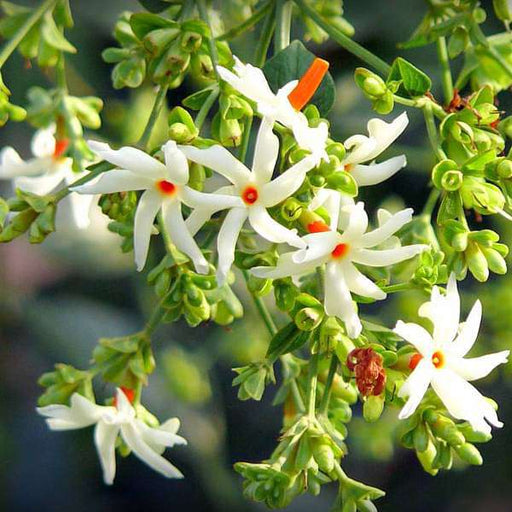
View full detailsCombo Constituents Includes the Parijat Tree (Night-Flowering Jasmine), a culturally significant plant with fragrant flowers. Description The Pari...
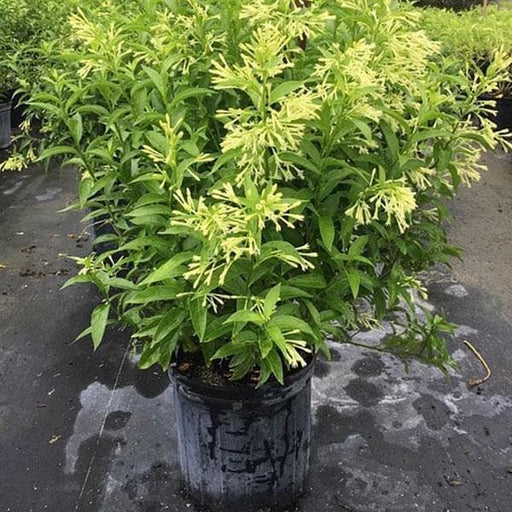
View full detailsDescription Raat Ki Rani (*Cestrum nocturnum*), also known as Night Blooming Jasmine, is a fragrant shrub native to the Caribbean and Central Ameri...
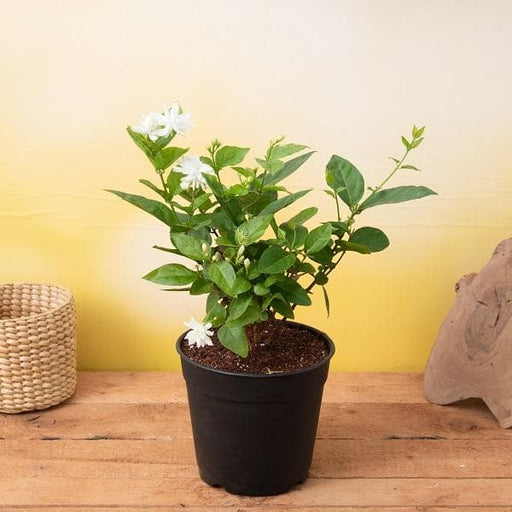
View full detailsJasminum sambac, Mogra, Arabian Jasmine - Plant Jasminum sambac, commonly known as Mogra or Arabian Jasmine, is a fragrant flowering plant...
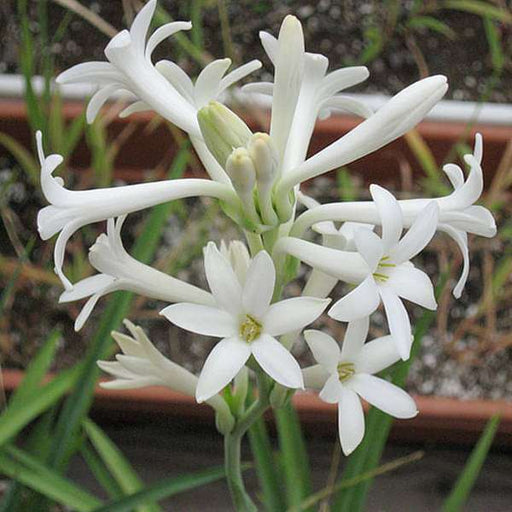
View full detailsRajnigandha, Tuberose - Plant The Rajnigandha, scientifically known as Polianthes tuberosa, is a captivating perennial plant renowned for ...
View full detailsCitronella, Odomas - Plant The Citronella plant, scientifically known as Cymbopogon nardus, is a tropical grass renowned for its aromatic ...
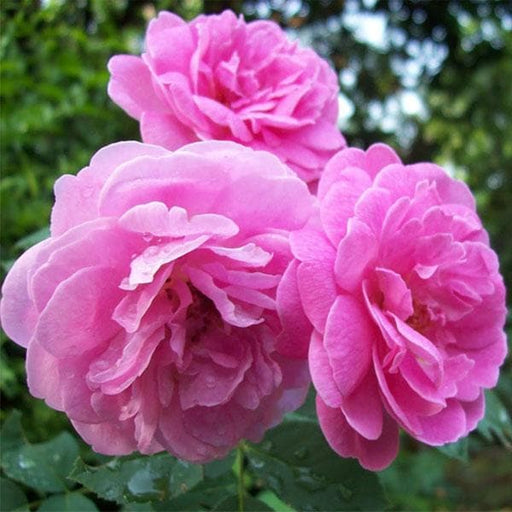
View full detailsDamascus Rose, Scented Rose (Any Color) - Plant The Damascus Rose, also known as Rosa damascena, is a timeless symbol of beauty and romanc...
View full detailsMiniature Rose, Button Rose (Any Color) - Plant The Miniature Rose, also known as the Button Rose, is a charming and compact flowering plant that ...
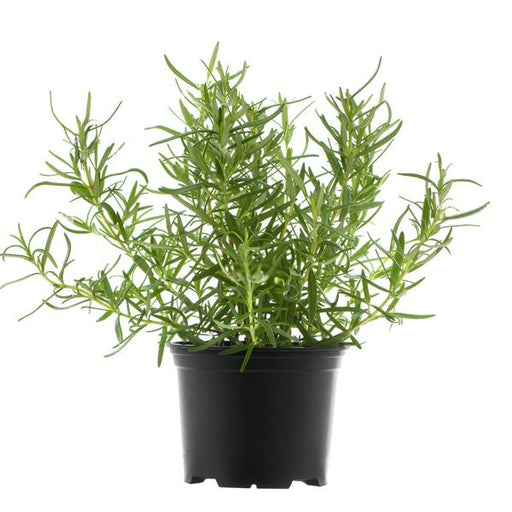
View full detailsRosemary - Plant Rosemary (Rosmarinus officinalis) is a fragrant evergreen herb native to the Mediterranean region. Known for its needle-like leav...
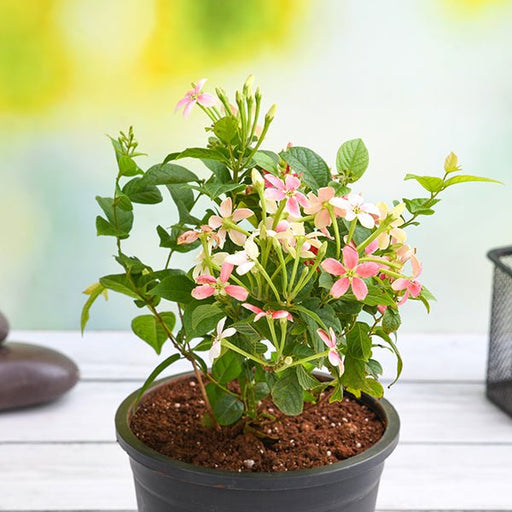
View full detailsMadhumalti Dwarf, Rangoon Creeper - Plant The Madhumalti Dwarf, also known as the Rangoon Creeper (Quisqualis indica), is a stunning perennial vin...
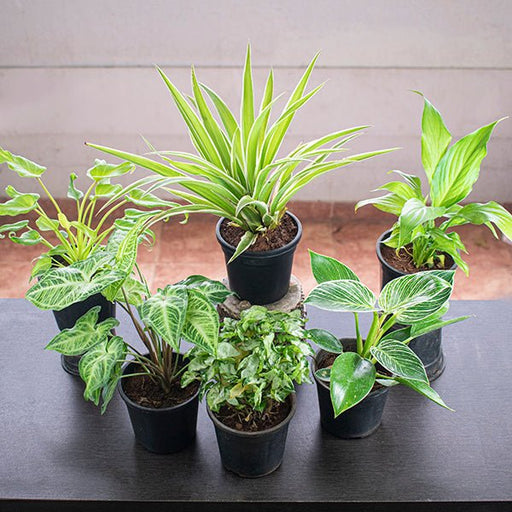
View full detailsBest 6 Plants for Perfect Indoor Garden Transform your living space into a lush oasis with our curated collection of the Best 6 Plants for a...
View full detailsBest 6 Plants for Perfect Indoor Garden Transform your living space into a lush oasis with our curated collection of the Best 6 Plants for a...
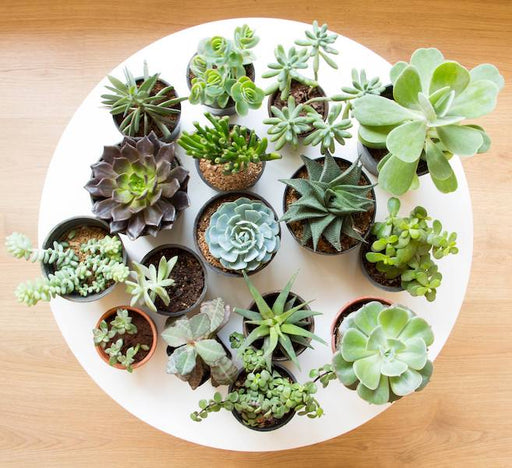
View full detailsMini Succulent Garden Pack Transform your space with our Mini Succulent Garden Pack, featuring a delightful collection of 4 any variety beautiful s...
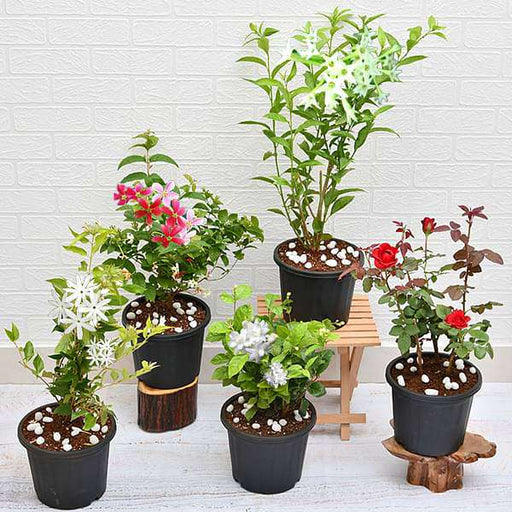
View full details5 Best Fragrant Plants Transform your garden or indoor space into a fragrant paradise with our curated selection of the 5 Best Fragrant Plants. Th...
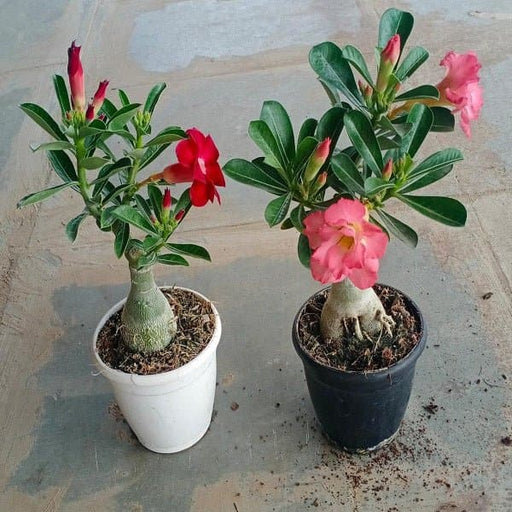
View full detailsSet of 2 Bonsai Looking Grafted Adeniums Transform your indoor or outdoor space with our exquisite Set of 2 Bonsai Looking Grafted Adenium...
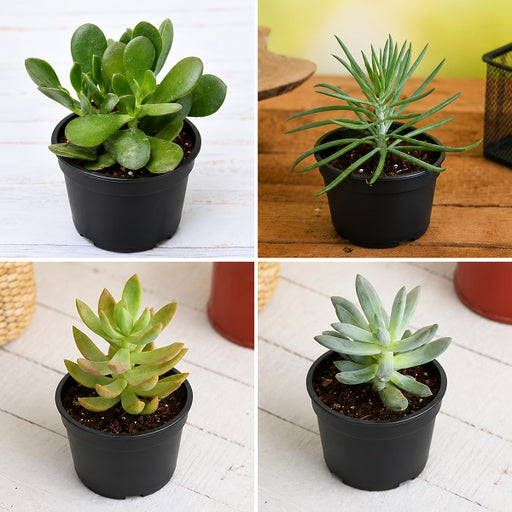
View full detailsTop 4 Die Hard Succulents Pack Note: Plants included in this pack will be delivered in a 3-inch nursery pot (any color). Transform your indoor or ...
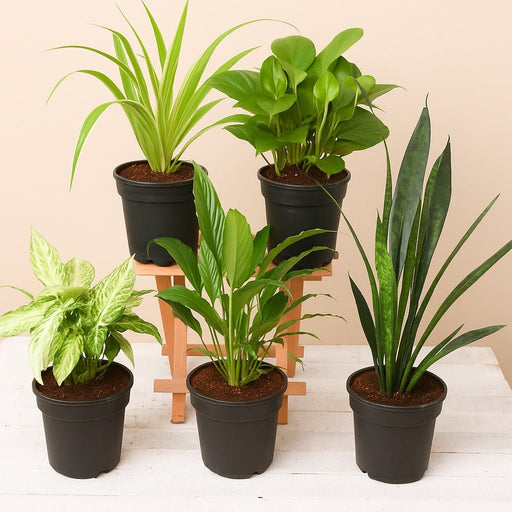
View full details5 Best Indoor Plants Pack Transform your living space into a lush oasis with our '5 Best Indoor Plants Pack.' This carefully curated collection fe...
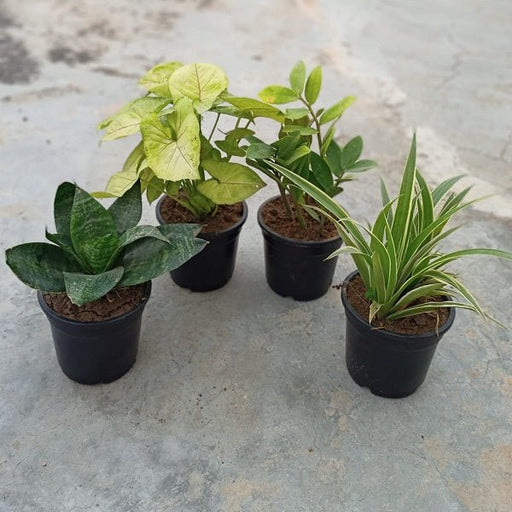
View full detailsSet of 4 Evergreen Air Purifier Plant Pack Transform your indoor space into a lush, green oasis with our Set of 4 Evergreen Air Purifier Pla...
View full detailsTop 5 Pollution Killer Plants Pack Transform your living space into a breath of fresh air with our 'Top 5 Pollution Killer Plants Pack'. This care...
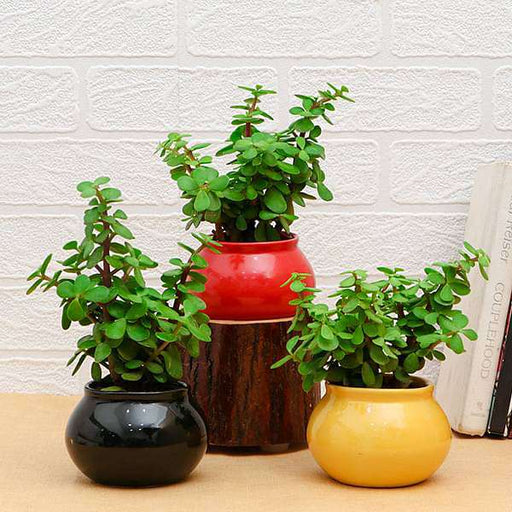
View full detailsPack of 3 Good Luck Jade Plants in Ceramic Pots Bring a touch of nature into your home with our Pack of 3 Good Luck Jade Plants, featuring...
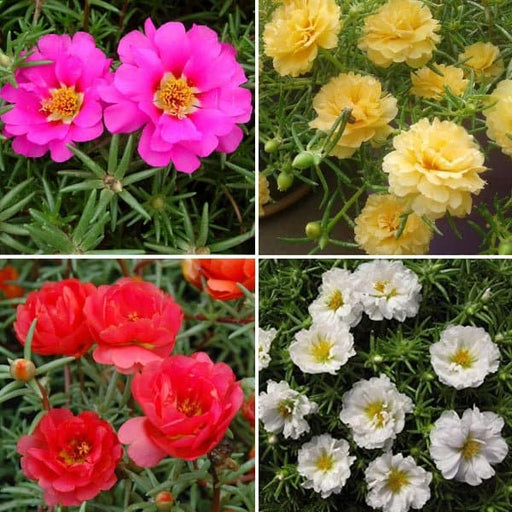
View full detailsPortulaca Garden Pack (4 Plants + 4 Black Pots) Note- You will get any color (Assorted) potted Porulaca plant with this pack. Transform your garde...
View full details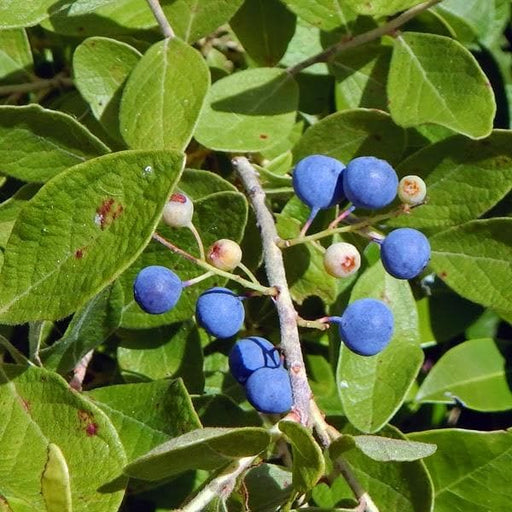






Leave a comment