
Expert Support
Available 24/7 via chat
Available 24/7 via chat
Lucky Bamboo—despite its name—is not a true bamboo but a member of the Dracaena family, prized for its graceful appearance, resilience, and the good fortune it's believed to bring. The 60 cm Spiral Stick variety is particularly striking: each stem is trained to grow in a spiral pattern during cultivation, creating a sculptural effect that works beautifully in modern homes, offices, and as a thoughtful gift. Whether you have one plant or the full pack of three, mastering its care ensures vigorous growth and those vibrant, deep-green leaves year-round, even through India's demanding heat and monsoons.
The 60 cm Spiral Stick Lucky Bamboo is typically sold as a water-cultured plant—its roots are planted in decorative glass vases filled with water and small pebbles rather than soil. This is its greatest strength: no soil mess, no repotting fuss, and you can watch the roots develop transparently. The spiral stem is achieved by rotating the plant gradually as it grows, forcing it to reach toward light in a helical path. At 60 cm, it's tall enough to serve as a statement piece on a side table, desk, or bookshelf, yet compact enough for apartments. The pack of three makes it ideal for gifting or spreading across multiple rooms—a living room, bedroom, office, or entryway—each catching its own pocket of light.
| Care Factor | Requirement |
|---|---|
| Light | Bright, indirect light; 6–8 hours daily |
| Water | Keep 1–2 inches above roots; change weekly |
| Soil | Water-cultured (pebbles or leca); no soil needed |
| Temperature | 18–25°C; avoid cold draughts and sudden shifts |
Lucky Bamboo thrives in bright, indirect light. Place it near an east- or west-facing window where it receives filtered sunlight for 6–8 hours daily. In India's intense summer sun, avoid placing it in direct afternoon rays—the foliage can scorch, turning brown or bleached. A spot 2–3 feet back from a sunny window, or near a north-facing window (which gives consistent, gentle light), is ideal.
If your home is dim—typical of interior rooms or ground-floor apartments in monsoon-heavy regions—the plant will survive but grow more slowly and may become leggy. In such cases, a bright corner near a table lamp or an east-facing corridor works well. Rotate the pot every 2 weeks so all sides receive equal light; this keeps the spiral stem balanced and prevents it from leaning toward the light source.
Water-cultured Lucky Bamboo is forgiving, but cleanliness is crucial. Keep the water level 1–2 inches above the roots at all times. In India, where tap water is often hard and chlorinated, change the water entirely once a week. Hard water (high calcium and magnesium) can cause white mineral deposits on the pebbles or vase—harmless, but unsightly. If your tap water is particularly hard, let it sit overnight before using, which allows some chlorine to evaporate.
During monsoons, watch for algae growth in the vase (the wet season and reduced light encourage it). If green or brown algae forms on the pebbles, simply rinse them under running water and refresh the vase with fresh water. Never let the water go stale or the roots may rot. In summer, you may need to top up water every 3–4 days due to evaporation, especially if the plant is near a fan or air-conditioner; in winter, weekly changes suffice. If your plant sits near a heater or in very dry indoor air, mist the leaves lightly every 2–3 days to raise humidity.
No soil is needed—the pebbles or expanded clay aggregate (leca) are purely for support and aesthetics. However, to keep the plant nutrient-rich, feed it once a month during the growing season (March to October) with a diluted liquid fertiliser at half strength. A balanced fertiliser (10:10:10 NPK) or one slightly higher in nitrogen works well. Always add fertiliser to the water after changing it; never add fertiliser to old or stagnant water, as it can concentrate and damage roots.
If you ever decide to shift your plant from water culture to soil-based potting, use a light, well-draining mix: 1 part potting compost, 1 part coarse sand, and 1 part perlite. This is optional—many gardeners prefer water culture for its simplicity and visual appeal.
Lucky Bamboo prefers steady temperatures between 18–25°C and dislikes extreme cold. In northern India, protect it from winter chill near windows or doors. Avoid placing it directly under a split air-conditioner vent or a fan on high speed—sudden temperature swings and dry air stress the plant. In India's hot summers, the plant can tolerate brief periods above 30°C, but consistent warmth above 32°C slows growth.
Humidity matters. In dry seasons or air-conditioned rooms, the leaf tips may brown slightly. Mist the foliage with soft water (distilled or collected rainwater is best) every 2–3 days, or place the vase on a saucer with water and pebbles—as the water evaporates, it raises humidity around the plant. During the monsoon, humidity is naturally high, so reduce misting to prevent fungal issues.
Lucky Bamboo propagates easily from cuttings, making it a generous plant to share. Using a clean, sharp knife, cut a stem just below a node (the slight bump where a leaf emerges). Each cutting should be 5–8 cm long and have at least one leaf node. Place the cutting in a vase of fresh water, keeping 1–2 cm submerged. Within 2–3 weeks, white roots will emerge from the node. Once roots are 1–2 cm long, you can pot the cutting (either keep it in water or shift to soil as described above). The mother plant will branch where you cut it, often producing two new shoots, creating a fuller, bushier look. This is a wonderful way to propagate gifts or fill out a sparse plant.
Brown or yellow leaf tips: Usually caused by hard water, low humidity, or inconsistent watering. Switch to distilled or rainwater, mist leaves, and keep the water level steady.
Yellowing or wilting stems: Indicates root rot from stagnant or over-fertilised water. Change the water immediately, trim any mushy roots with a clean knife, and ensure fresh water changes every 7 days.
Algae growth: Green water or slime on pebbles is common in monsoon season. Rinse the pebbles thoroughly, clean the vase, and use fresh water. Algae doesn't harm the roots but signals the water needs changing more frequently.
Pale, slow growth: Often due to insufficient light or lack of nutrients. Move the plant to a brighter spot and start monthly feeding.
Pest issues: Lucky Bamboo is rarely bothered by pests in Indian homes, but spider mites and mealybugs occasionally appear in very dry conditions. Spray the foliage with neem oil solution (2% concentration) every 10 days until clear.
Ready to grow your own? Shop 60 cm Spiral Stick Lucky Bamboo at Nurserylive →
60 cm Spiral Stick Lucky Bamboo Plant - (Pack of 3) Transform your space with our 60 cm Spiral Stick Lucky Bamboo Plant, a symbol of good ...
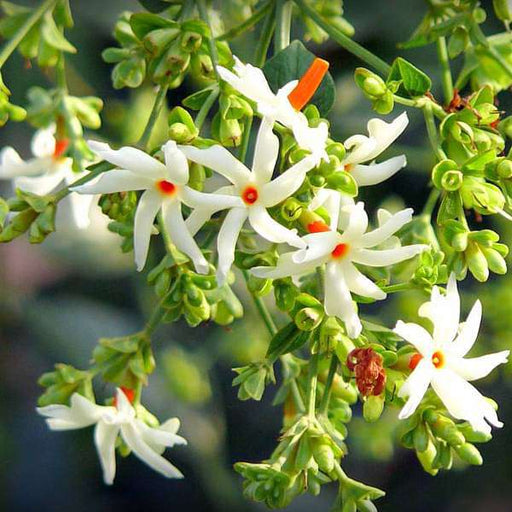
View full detailsCombo Constituents Includes the Parijat Tree (Night-Flowering Jasmine), a culturally significant plant with fragrant flowers. Description The Pari...
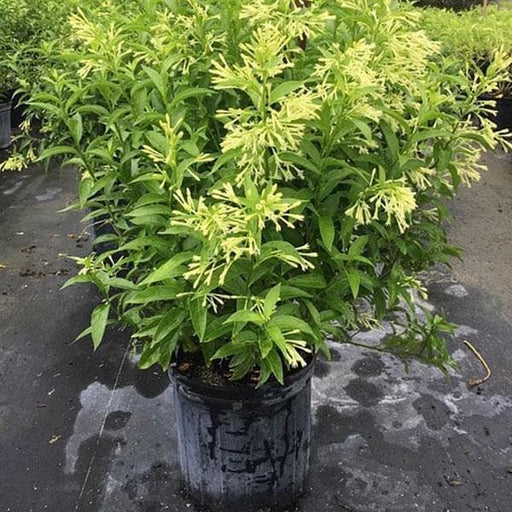
View full detailsDescription Raat Ki Rani (*Cestrum nocturnum*), also known as Night Blooming Jasmine, is a fragrant shrub native to the Caribbean and Central Ameri...
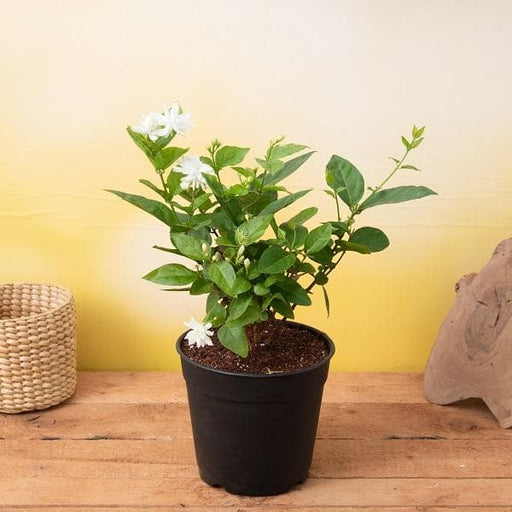
View full detailsJasminum sambac, Mogra, Arabian Jasmine - Plant Jasminum sambac, commonly known as Mogra or Arabian Jasmine, is a fragrant flowering plant...
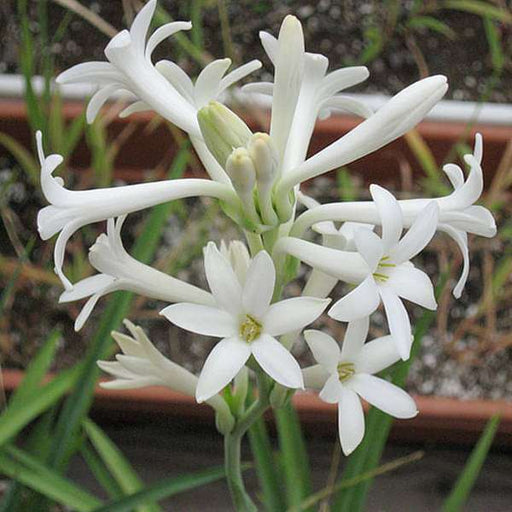
View full detailsRajnigandha, Tuberose - Plant The Rajnigandha, scientifically known as Polianthes tuberosa, is a captivating perennial plant renowned for ...
View full detailsCitronella, Odomas - Plant The Citronella plant, scientifically known as Cymbopogon nardus, is a tropical grass renowned for its aromatic ...
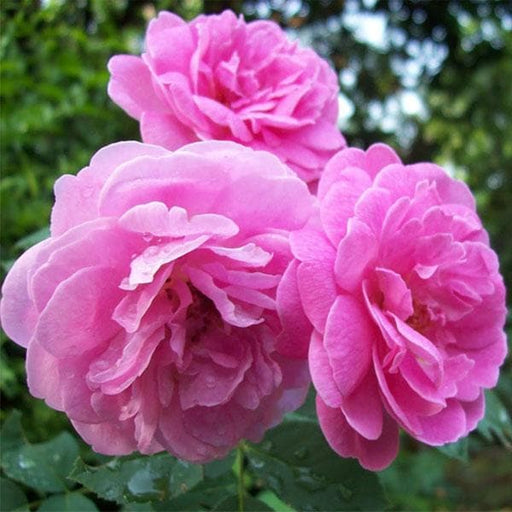
View full detailsDamascus Rose, Scented Rose (Any Color) - Plant The Damascus Rose, also known as Rosa damascena, is a timeless symbol of beauty and romanc...
View full detailsMiniature Rose, Button Rose (Any Color) - Plant The Miniature Rose, also known as the Button Rose, is a charming and compact flowering plant that ...
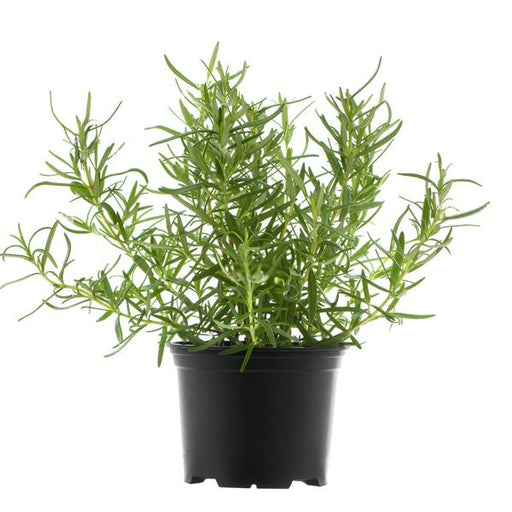
View full detailsRosemary - Plant Rosemary (Rosmarinus officinalis) is a fragrant evergreen herb native to the Mediterranean region. Known for its needle-like leav...
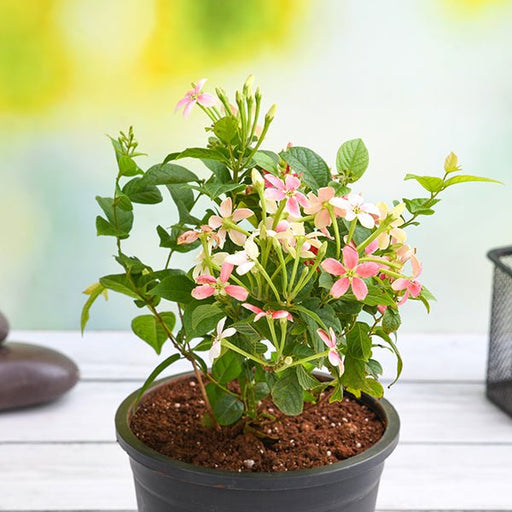
View full detailsMadhumalti Dwarf, Rangoon Creeper - Plant The Madhumalti Dwarf, also known as the Rangoon Creeper (Quisqualis indica), is a stunning perennial vin...
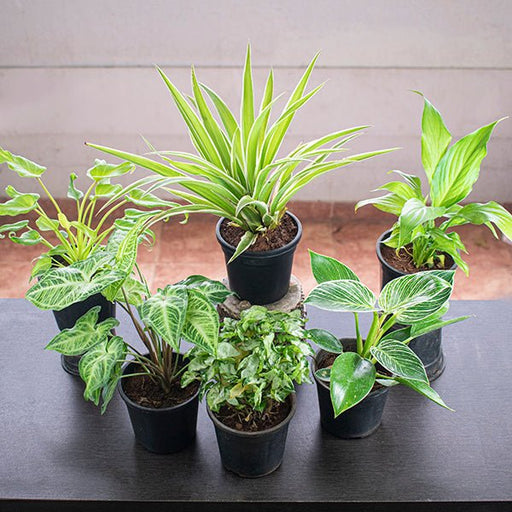
View full detailsBest 6 Plants for Perfect Indoor Garden Transform your living space into a lush oasis with our curated collection of the Best 6 Plants for a...
View full detailsBest 6 Plants for Perfect Indoor Garden Transform your living space into a lush oasis with our curated collection of the Best 6 Plants for a...
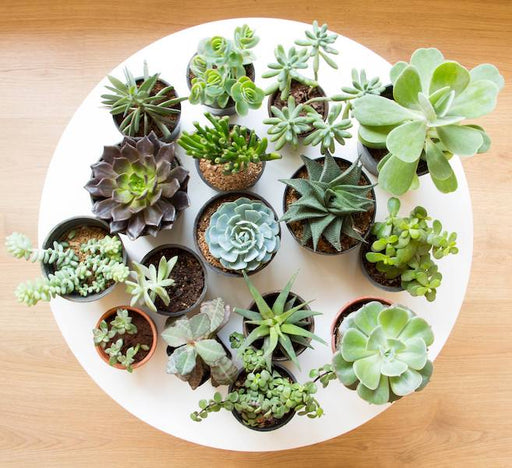
View full detailsMini Succulent Garden Pack Transform your space with our Mini Succulent Garden Pack, featuring a delightful collection of 4 any variety beautiful s...
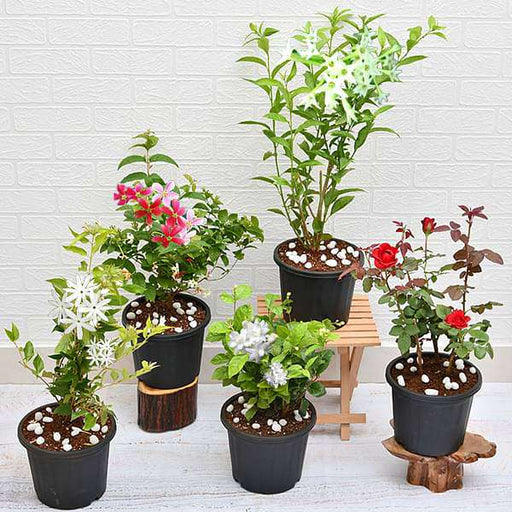
View full details5 Best Fragrant Plants Transform your garden or indoor space into a fragrant paradise with our curated selection of the 5 Best Fragrant Plants. Th...
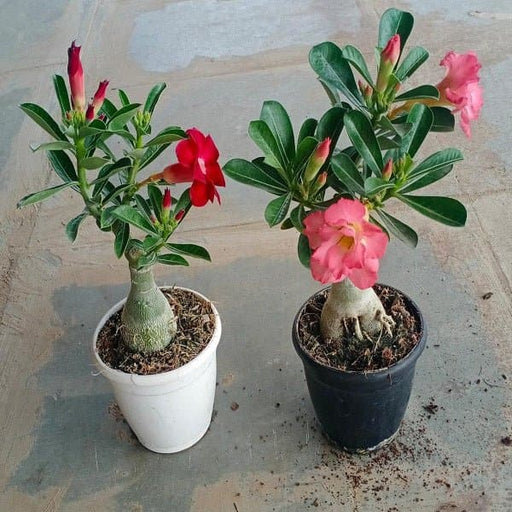
View full detailsSet of 2 Bonsai Looking Grafted Adeniums Transform your indoor or outdoor space with our exquisite Set of 2 Bonsai Looking Grafted Adenium...
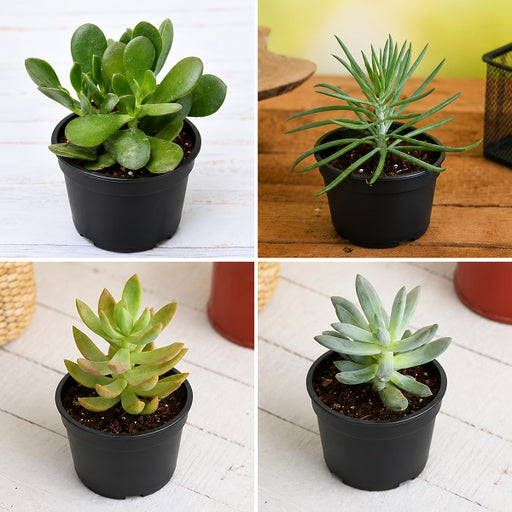
View full detailsTop 4 Die Hard Succulents Pack Note: Plants included in this pack will be delivered in a 3-inch nursery pot (any color). Transform your indoor or ...
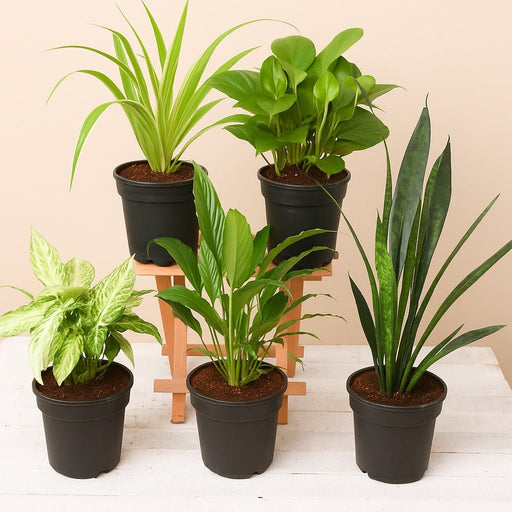
View full details5 Best Indoor Plants Pack Transform your living space into a lush oasis with our '5 Best Indoor Plants Pack.' This carefully curated collection fe...
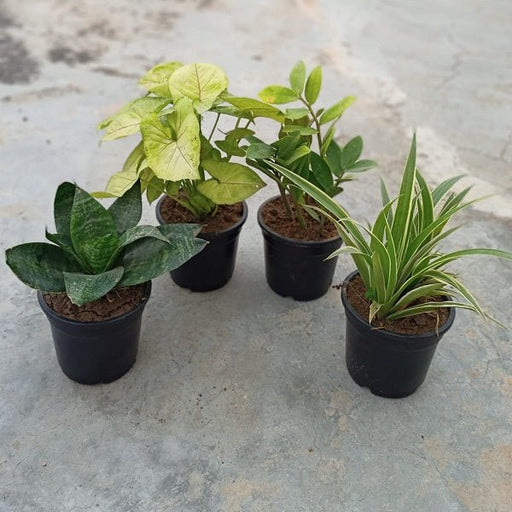
View full detailsSet of 4 Evergreen Air Purifier Plant Pack Transform your indoor space into a lush, green oasis with our Set of 4 Evergreen Air Purifier Pla...
View full detailsTop 5 Pollution Killer Plants Pack Transform your living space into a breath of fresh air with our 'Top 5 Pollution Killer Plants Pack'. This care...
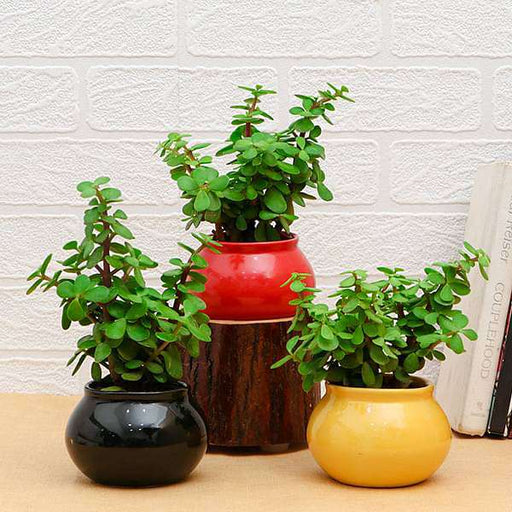
View full detailsPack of 3 Good Luck Jade Plants in Ceramic Pots Bring a touch of nature into your home with our Pack of 3 Good Luck Jade Plants, featuring...
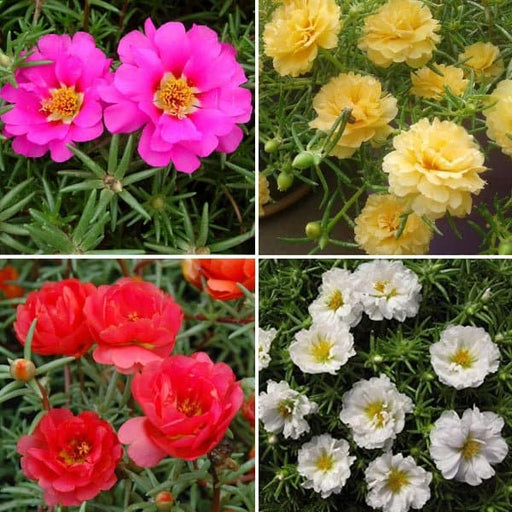
View full detailsPortulaca Garden Pack (4 Plants + 4 Black Pots) Note- You will get any color (Assorted) potted Porulaca plant with this pack. Transform your garde...
View full details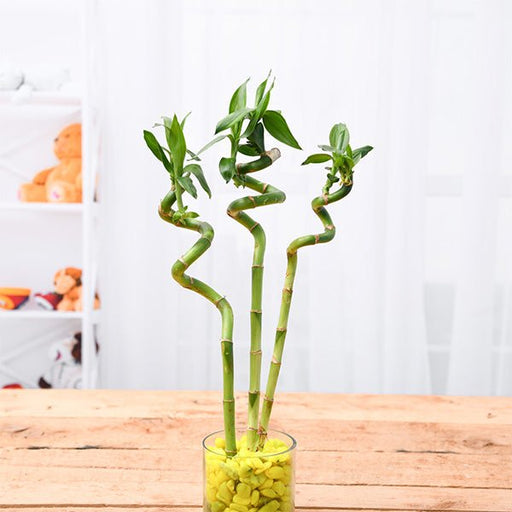






Leave a comment