




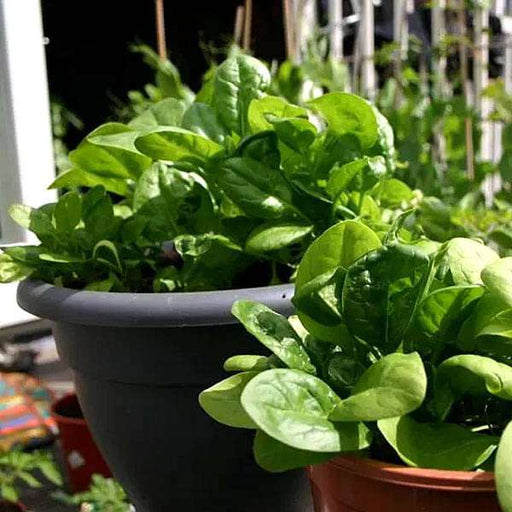















Healthy plant delivered, but it's not blue. I got white Aparajita.
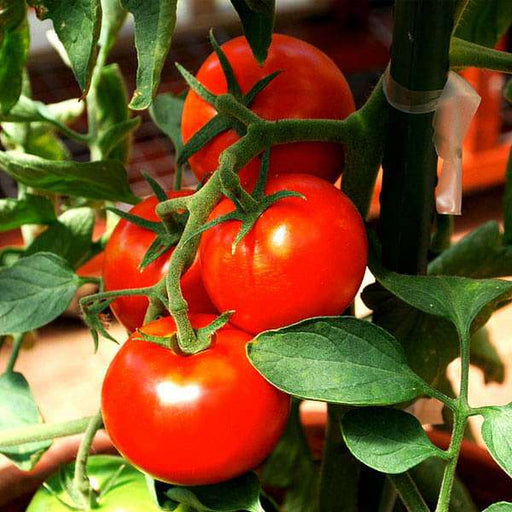
I tried germinating the tomato heirloom seeds 3 different ways. Direct sowing, sowing in a damp tissue method and sowing in vermi vompost. None germinated. Unhappy with the seeds I have received.
Got a dead plant. Send so many whatsapp messages . But did not get any reply
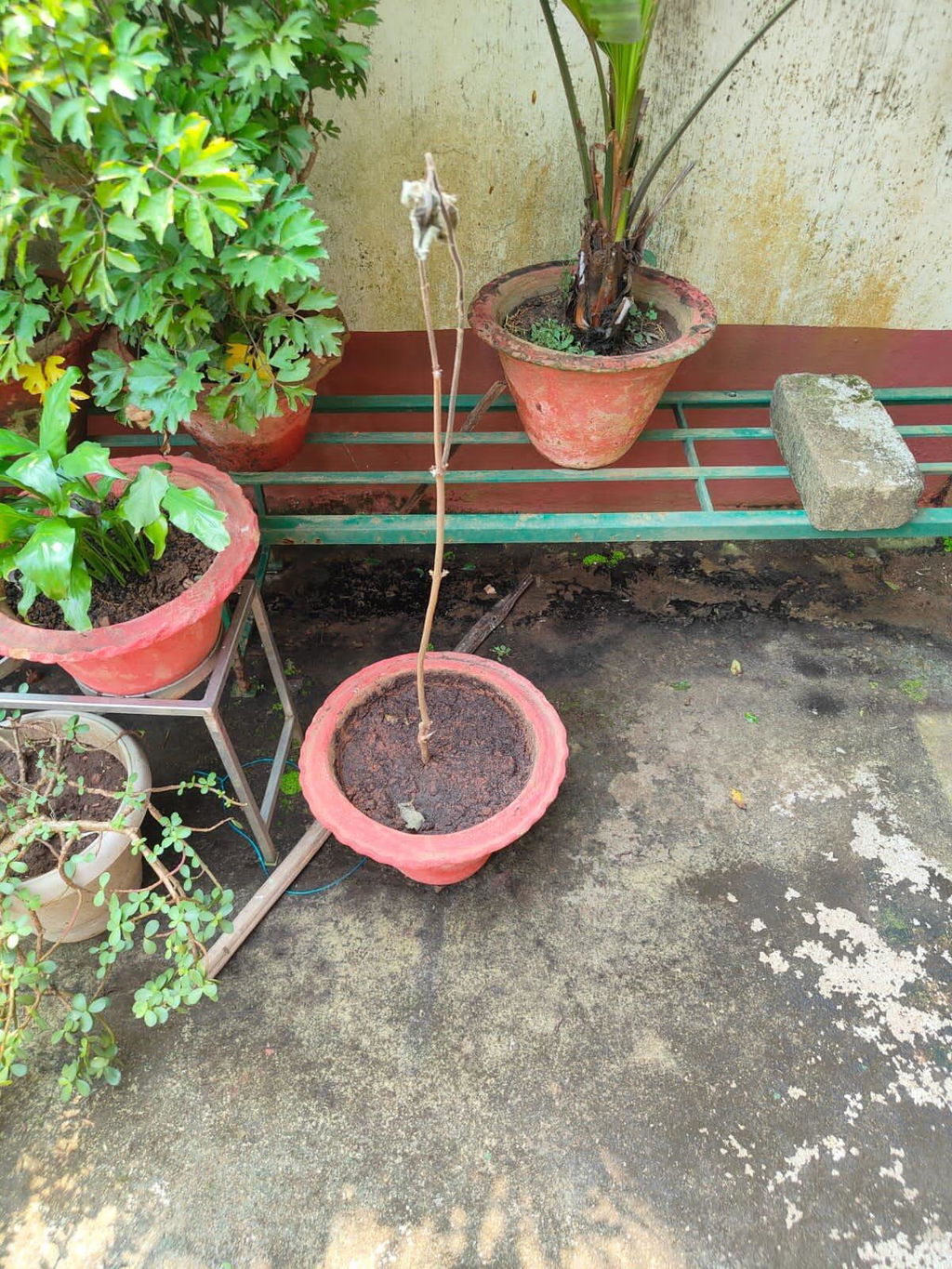
I had endless delivery problems.
I have received single petal however I have ordered double petal rajanigandha. Or else I am happy with the plant. But you guys broke my trust.
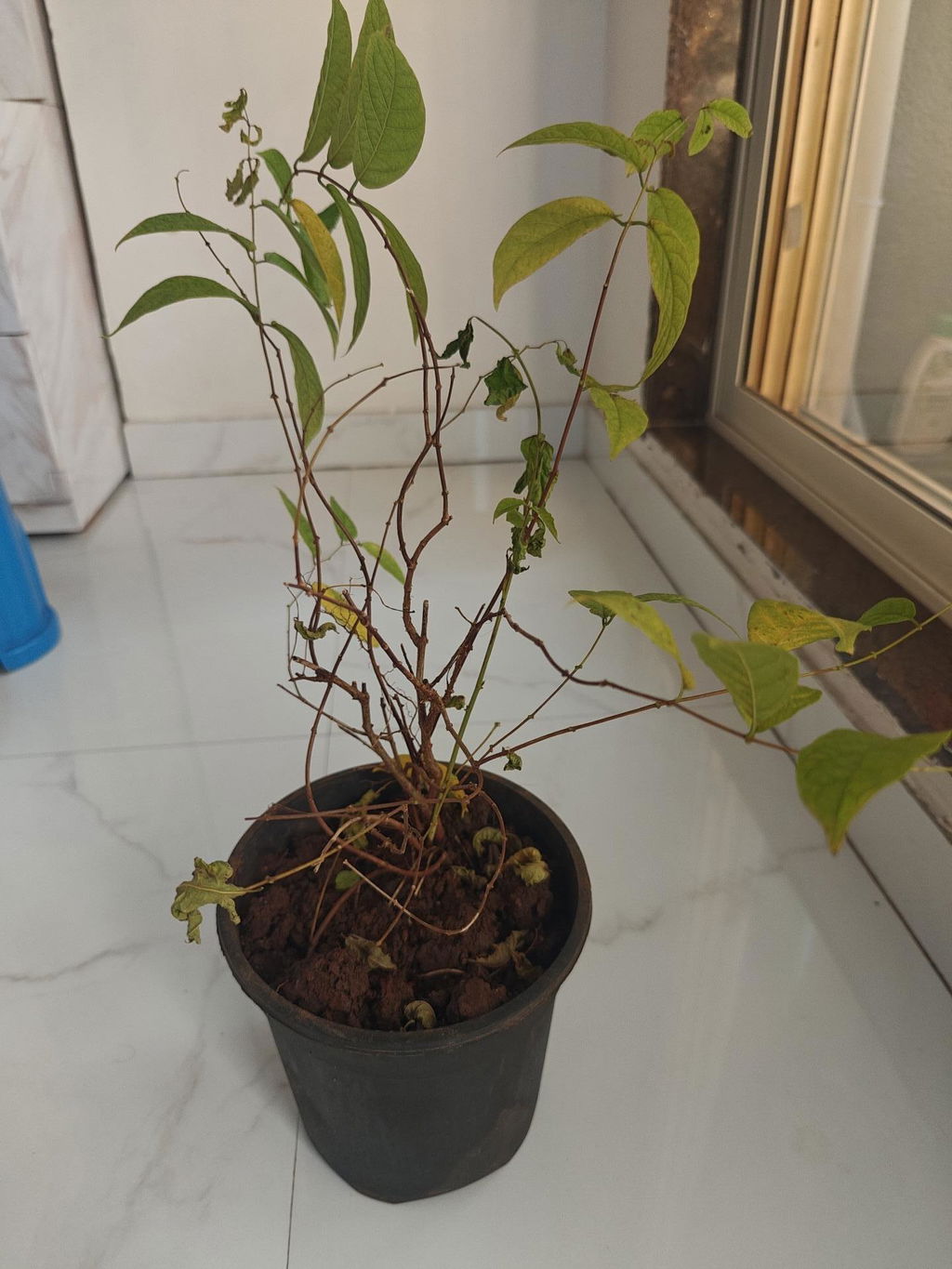
Absolutely fresh and robust plant sent... have been buying from nurserylive since 6 years and the experience had always been handsdown great... they have a wide range of common to the rarest plants... you name it they have it... Thanks a ton!!!
Both the plants died after 3 days after receiving. The packaging was very poor quality and plants were in bad condition.
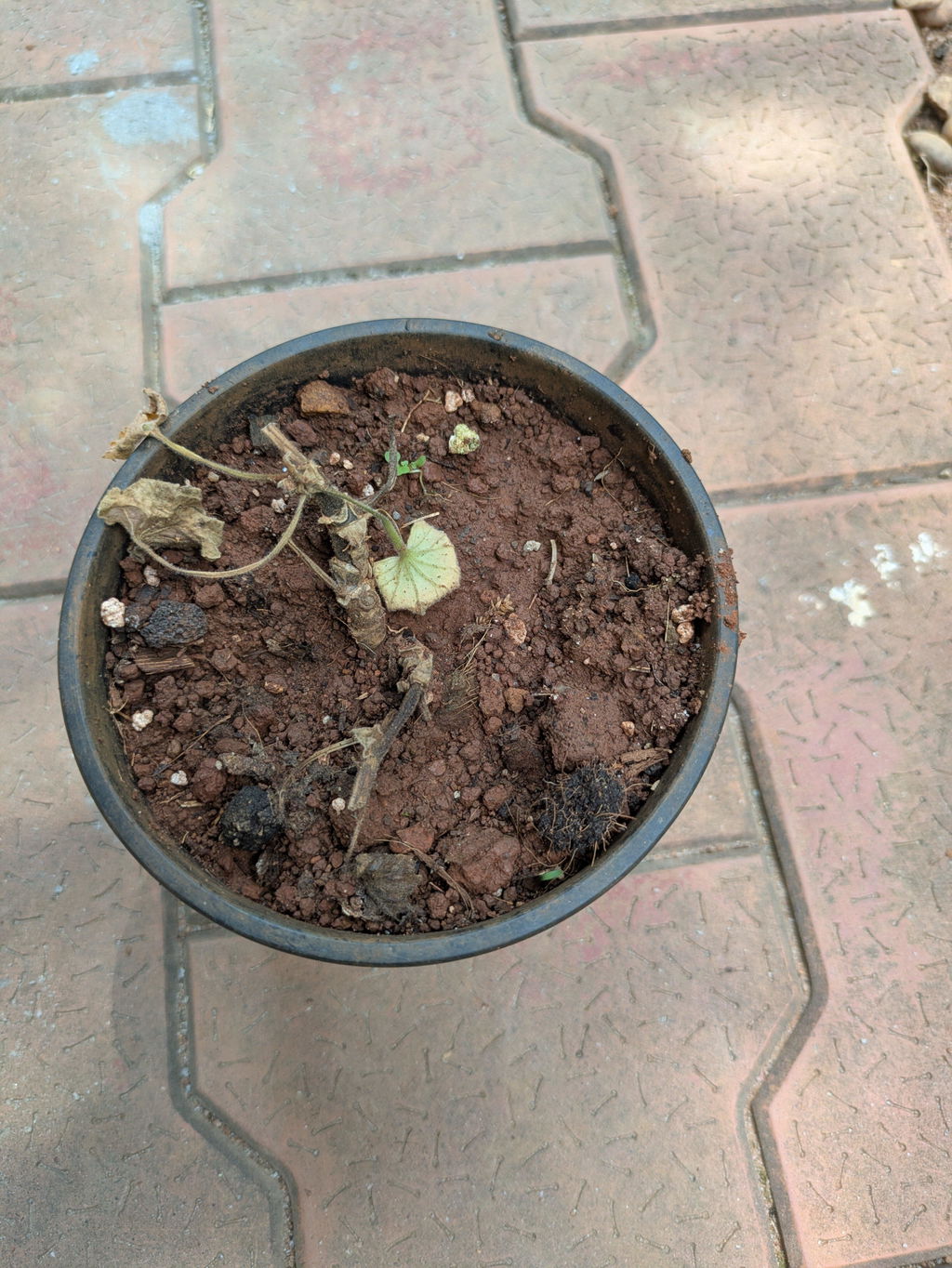
They were smaller than expected - for the price - but seemed healthy enough. They've settled down well since. Hope they'll grow into a healthy bush with pretty flowers
I have actually ordered Stretlitzia, instead you have delivered Heliconia. Despite my repeated requests, you have not taken any action
Rajesh Kumar
The seeds just did not germinate. Waste of money
Seeds were of a different plant. Not going to buy from this company anymore.
Sir
I am 70 years old time passing this work
Our delivered open every time and damaged adjustment not return
Please plant's are safety uses me
Thanks
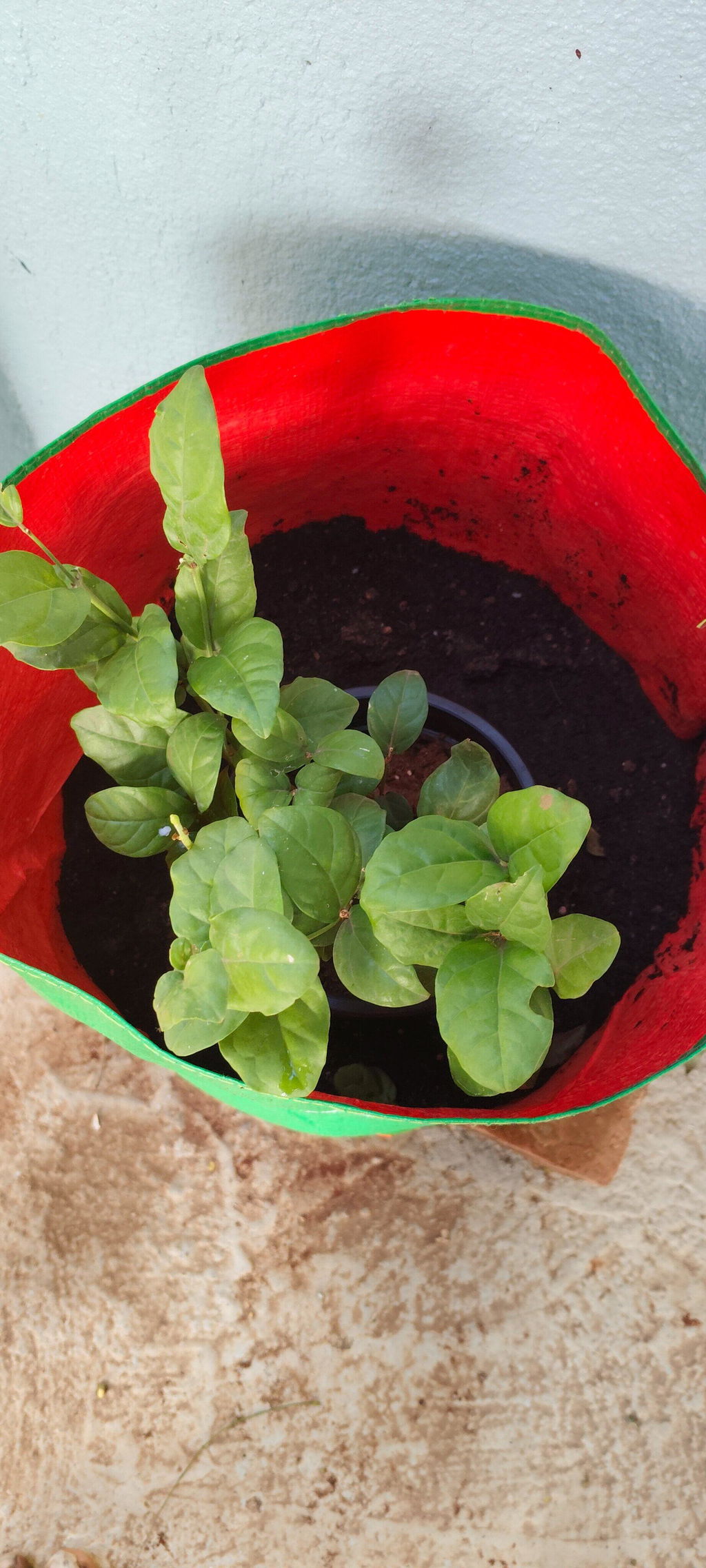
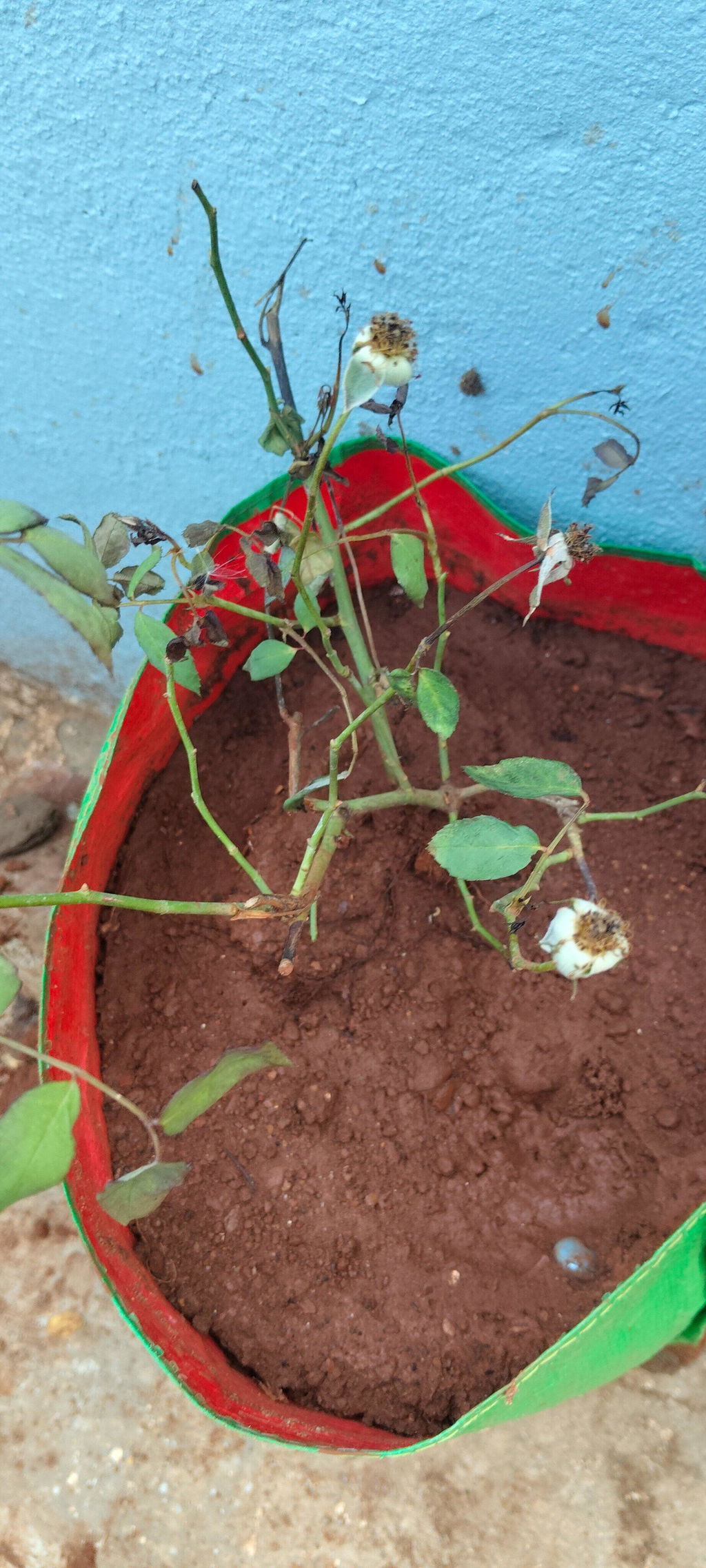
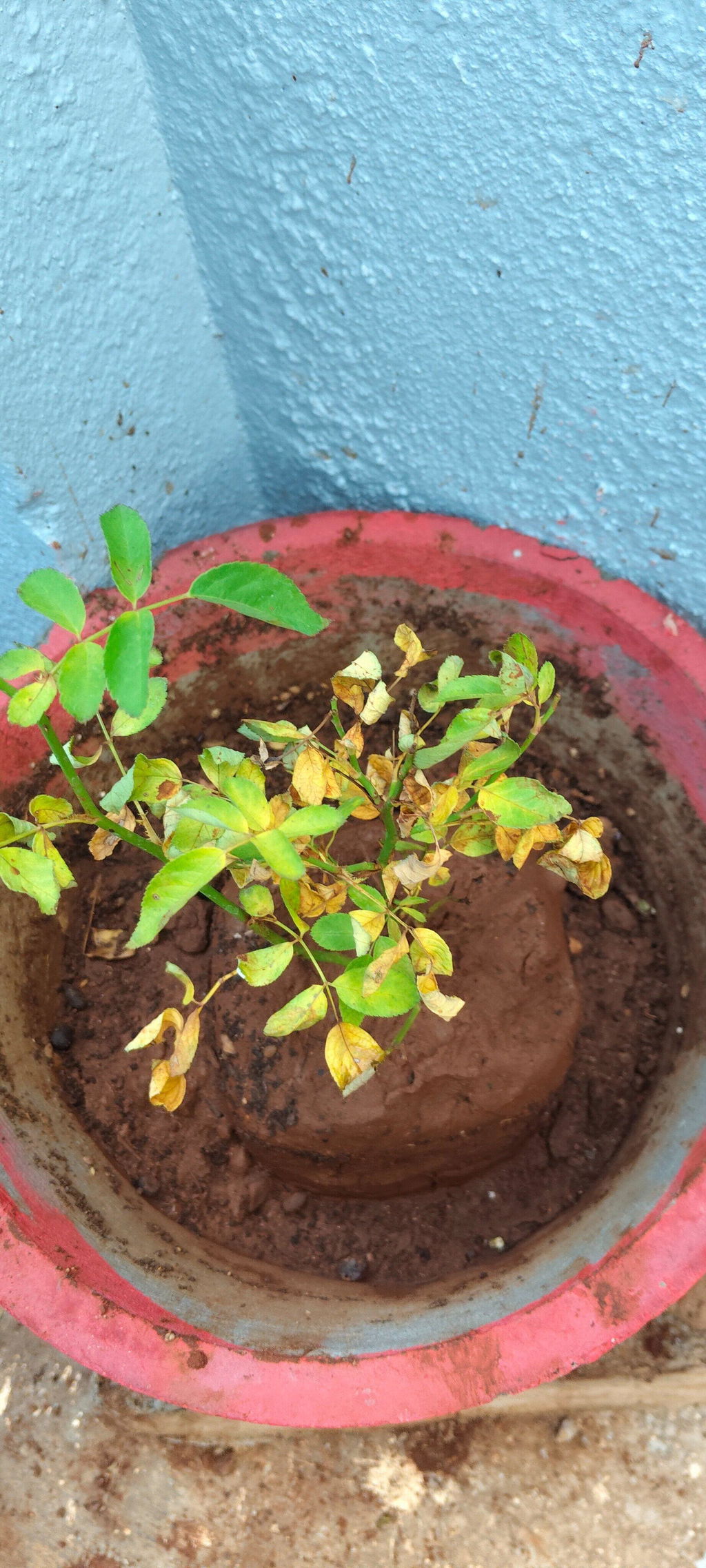
This is second time I feel cheated.
They sent worng plant and in very bad condition, when complained they announced a gift coupen which is not a available, sent many email, no reply...irresponsible people
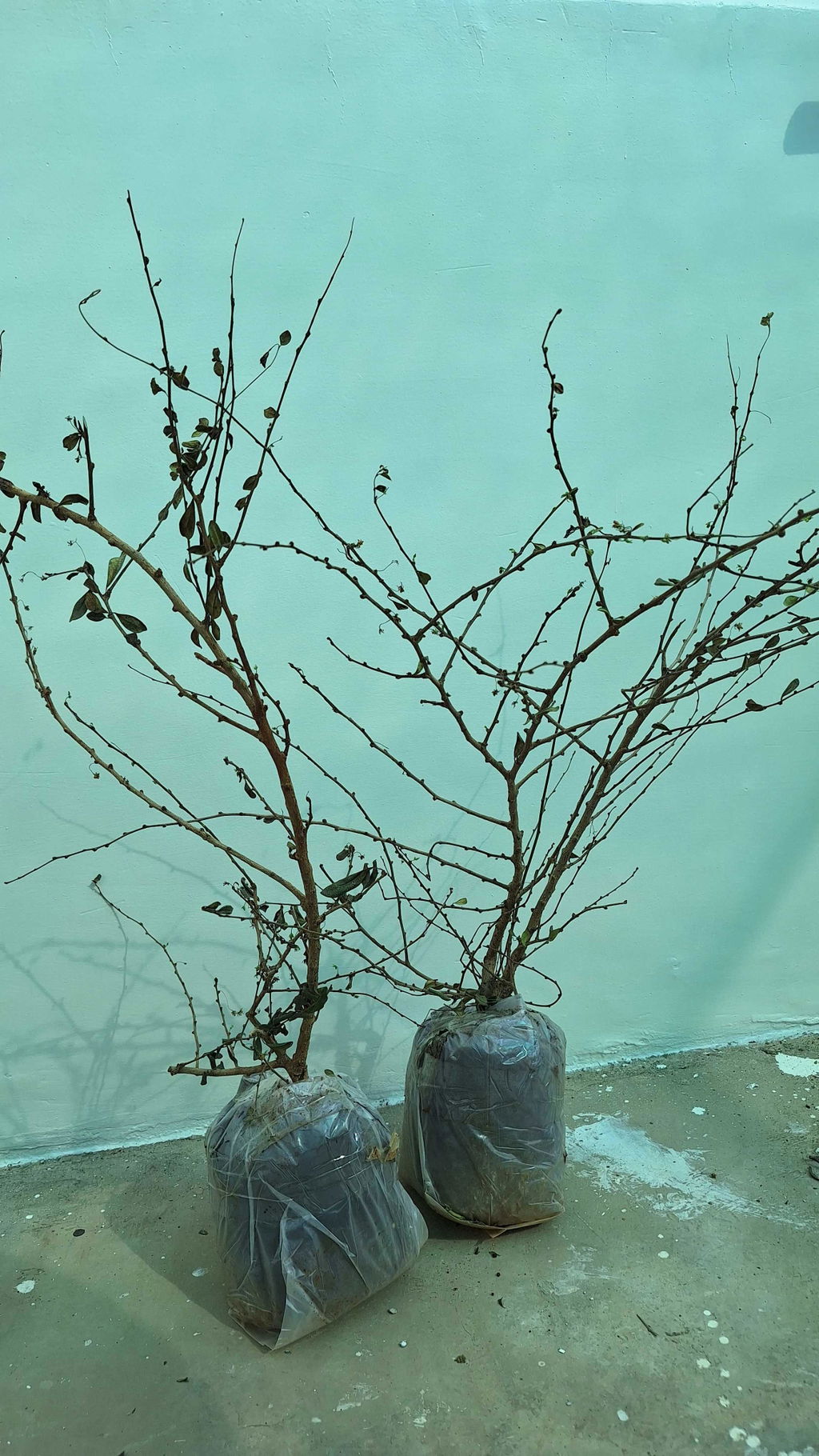
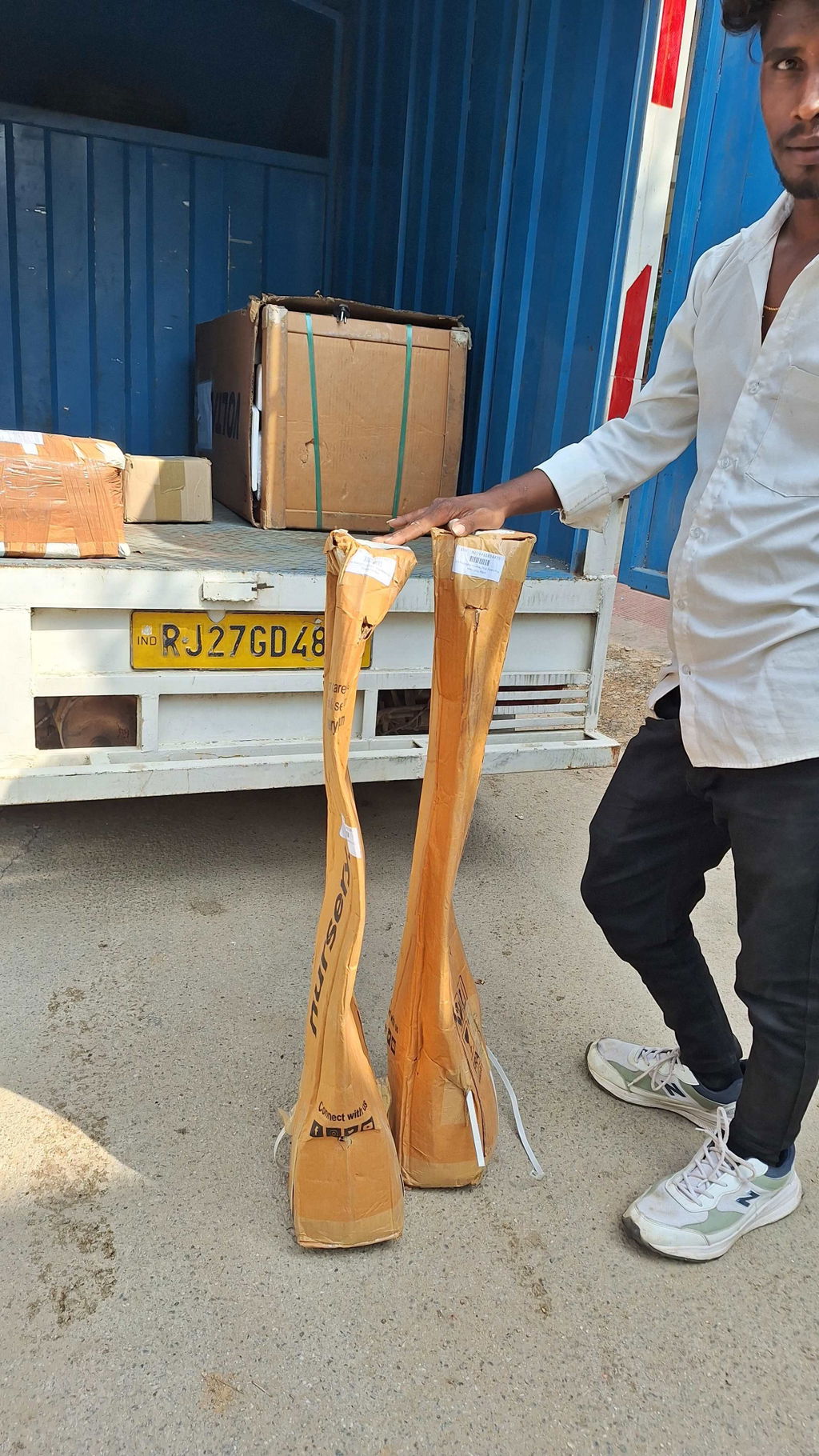
I am still waiting for specific confirmation regarding the replacement of the remaining damaged/unsatisfactory plants from Order NLV1411876022.
Please provide a clear confirmation of the replacement/coupon resolution and the applicable coupon details without any further delay, so that I can proceed with my new order.
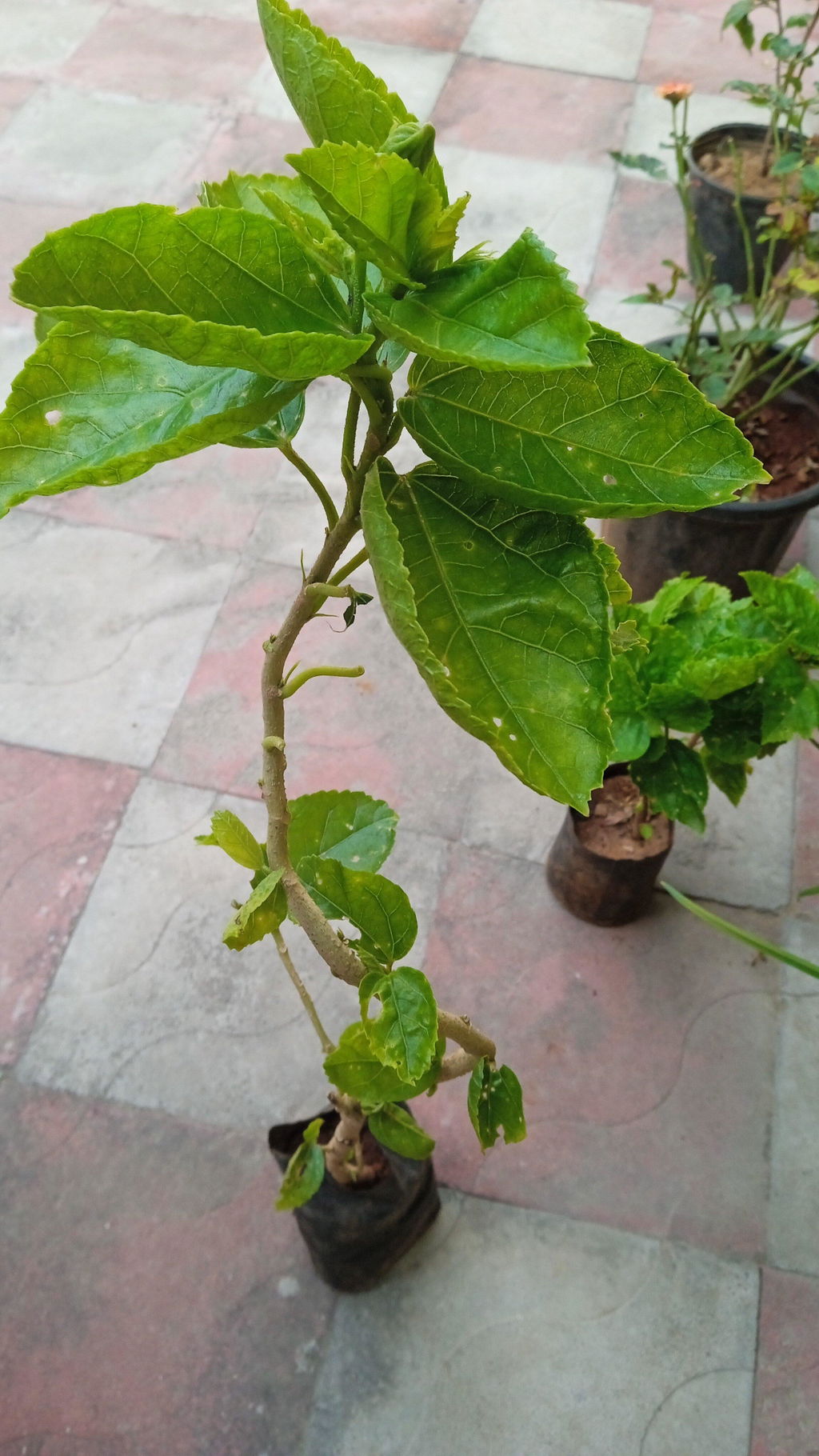
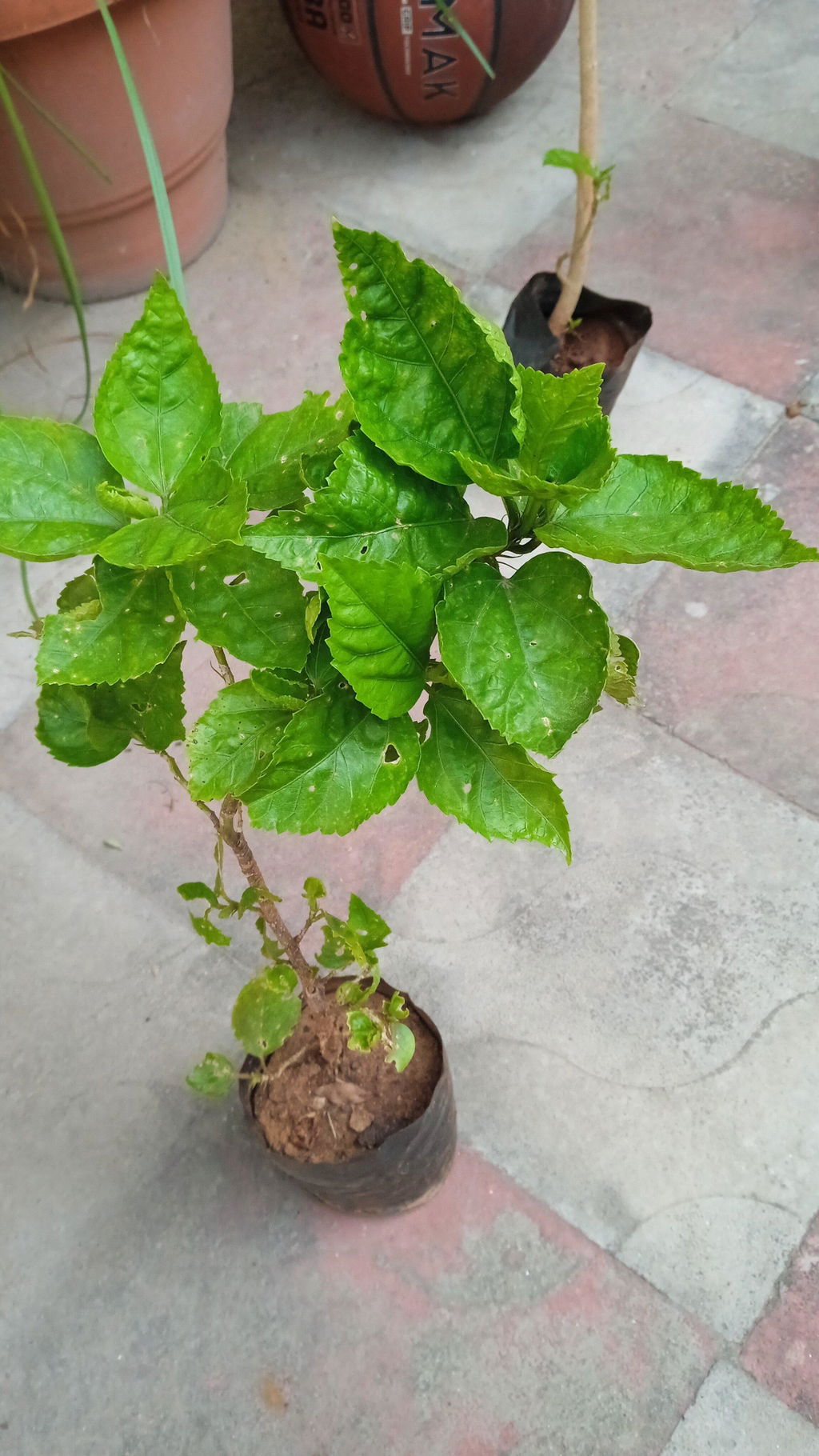
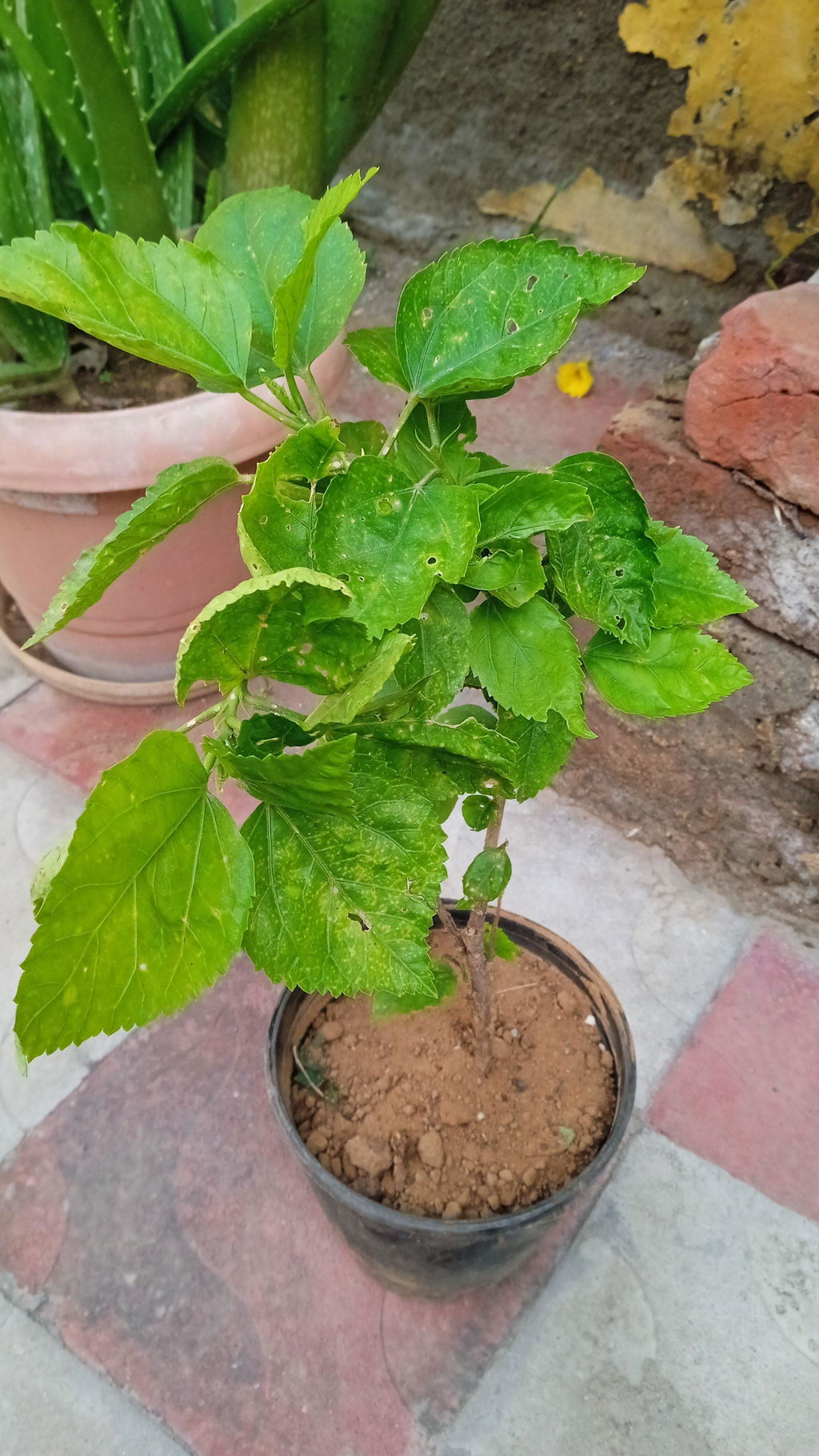
Every time I received computer generated responce that our senior manager is reviewing the matter and will get back with a solution or replace the dead plant soon।
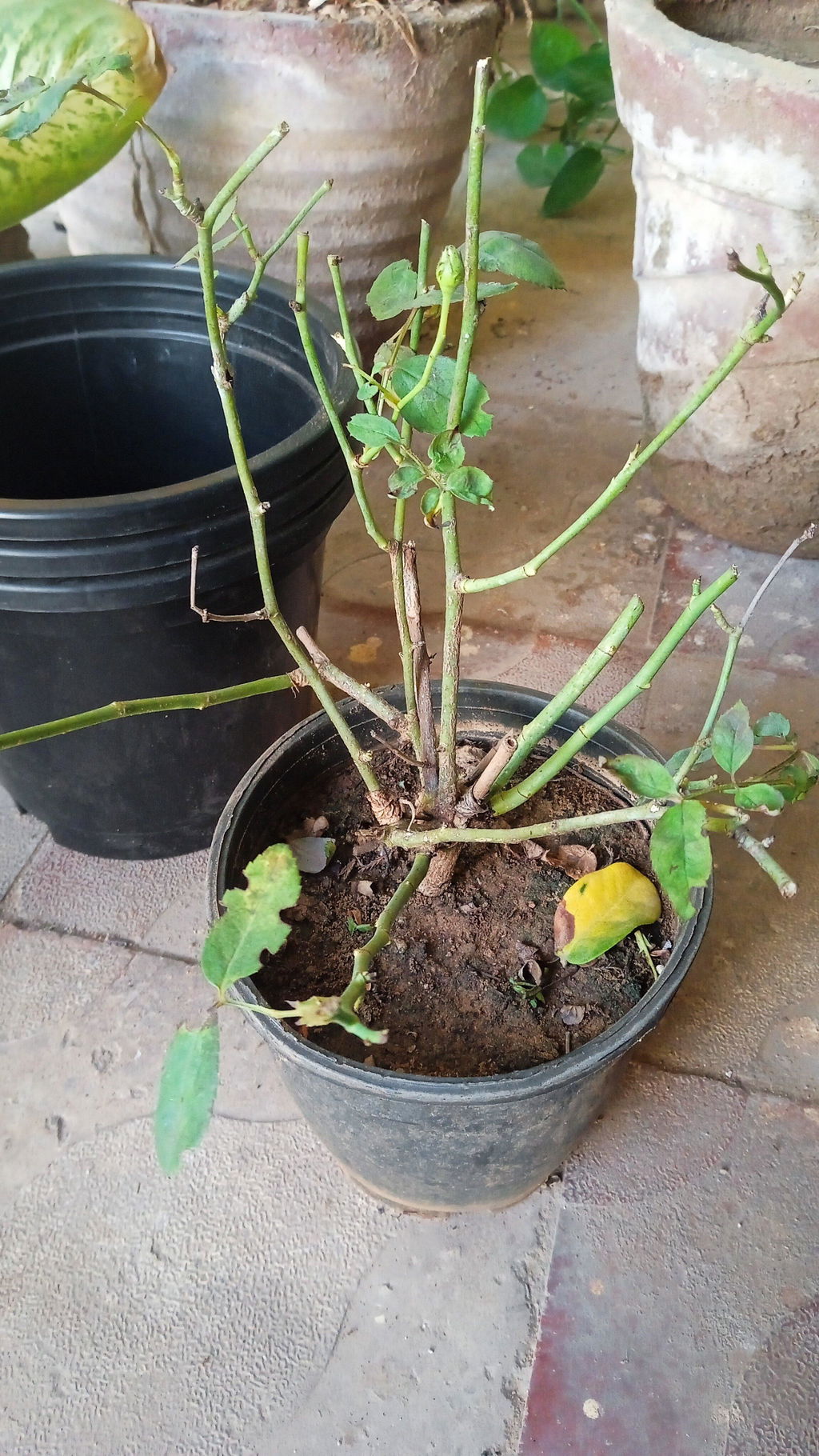
Still haven't received any solution।
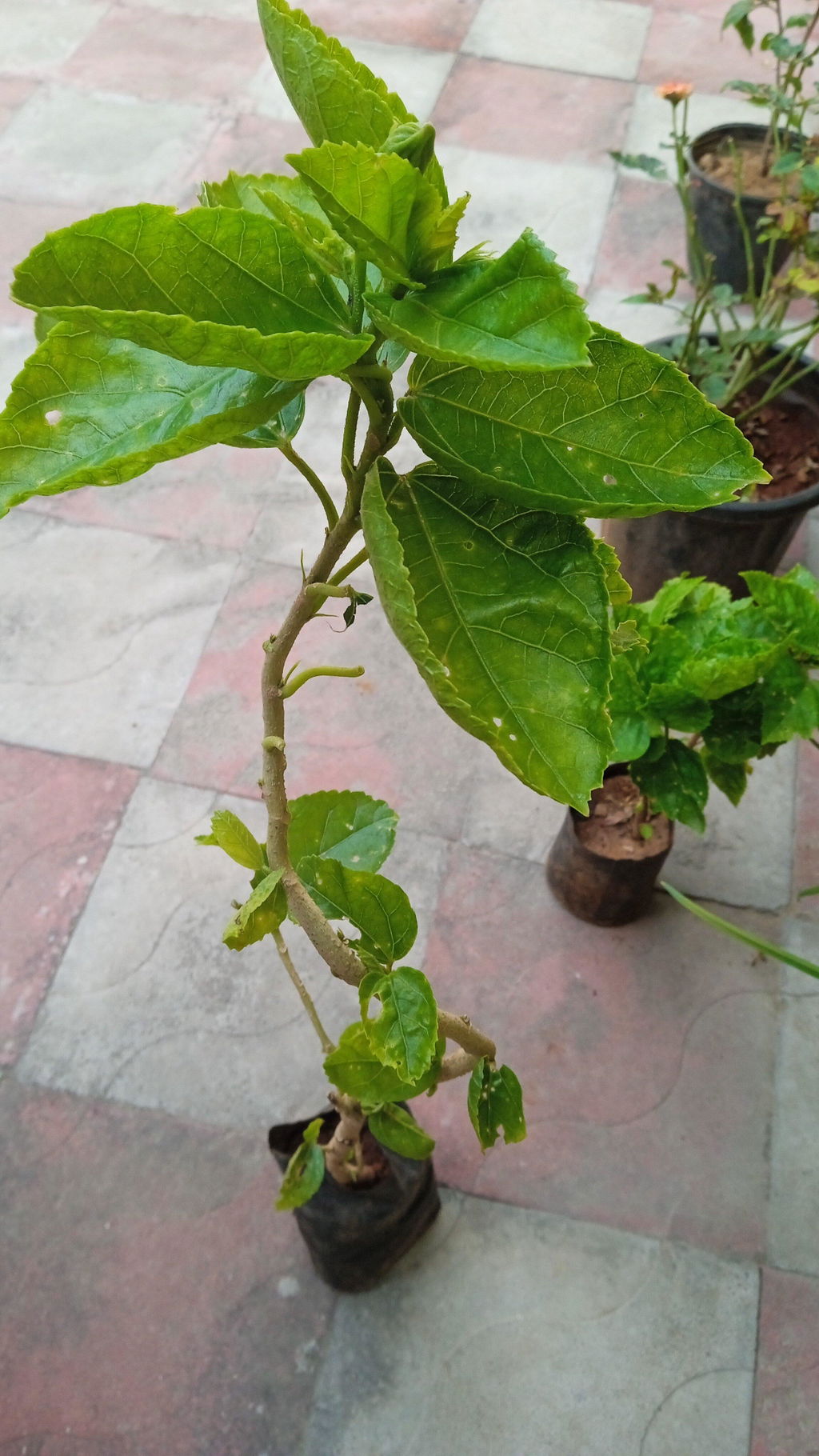
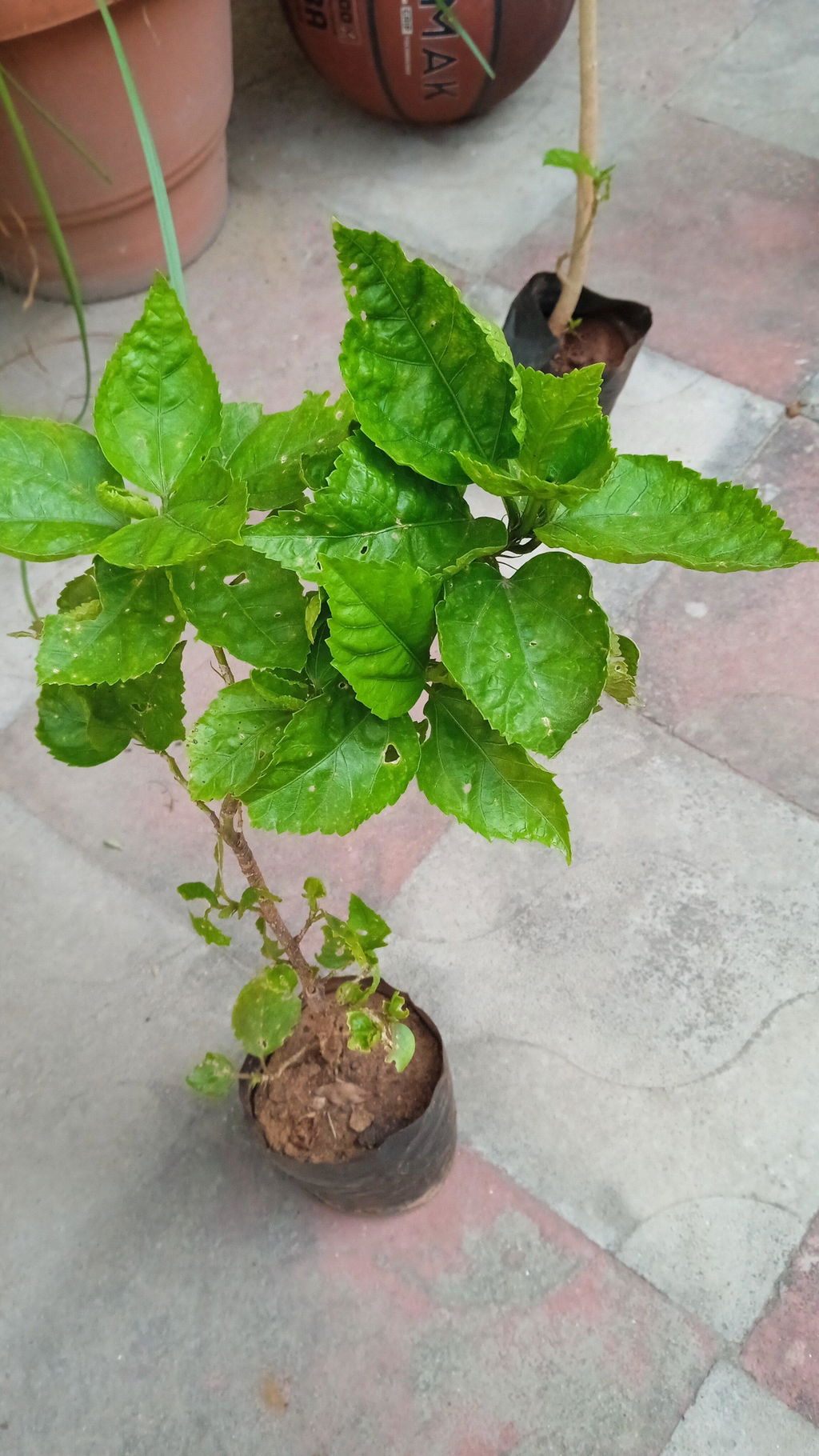
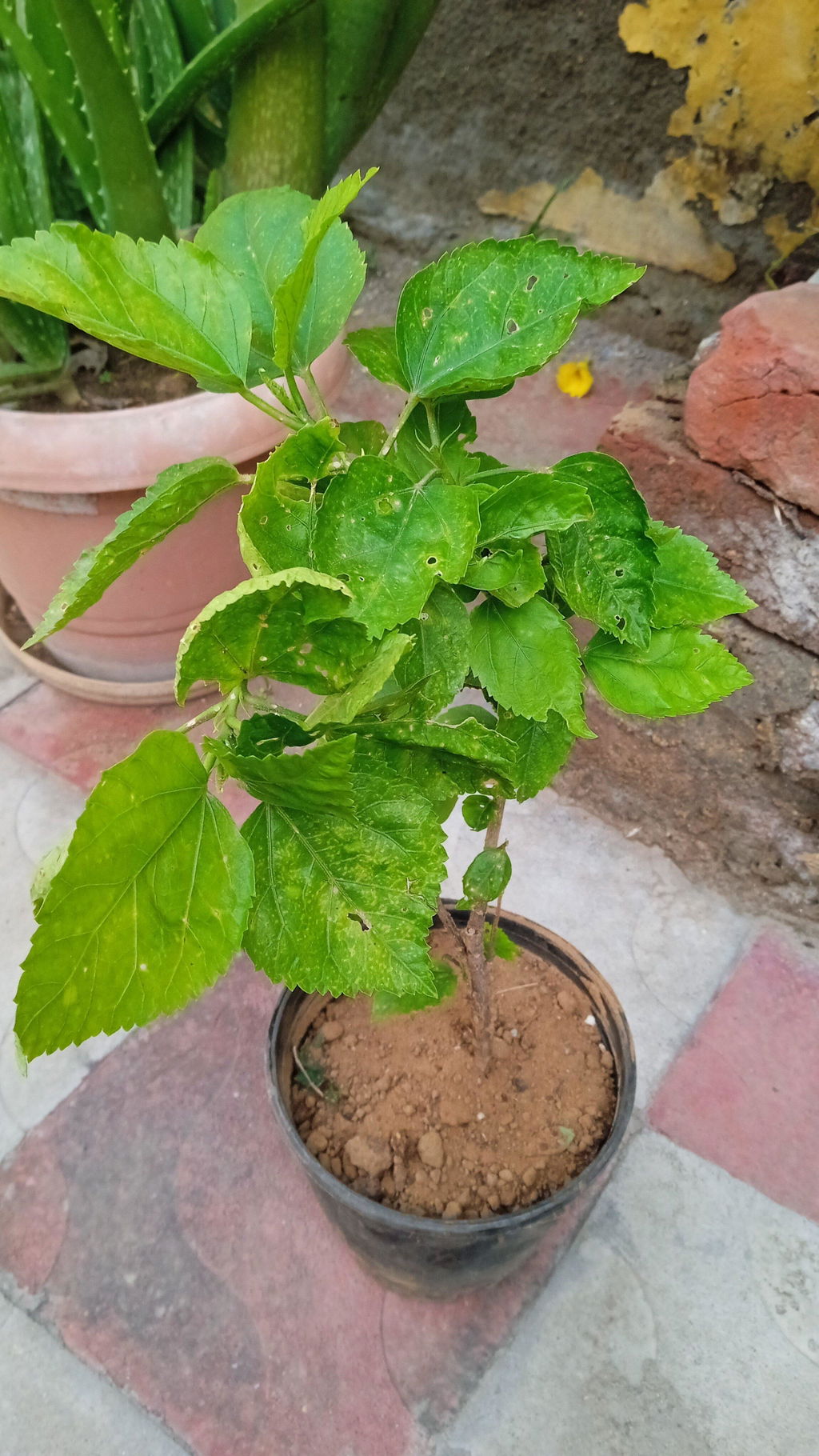
NOT SO GOOD, QUANTITY ALSO VERY SMALL