
Expert Support
Available 24/7 via chat
Available 24/7 via chat
If you've just brought home your pack of three 30 cm Spiral Stick Lucky Bamboo plants, you're holding one of the easiest and most rewarding indoor plants for Indian homes. These compact, decoratively spiraled plants are famous for thriving on neglect while bringing a sense of calm—and, according to tradition, good fortune—to your living spaces. Whether you're a first-time plant parent or a seasoned gardener, this care guide will walk you through everything you need to know to keep your Lucky Bamboo healthy and vibrant.
The Lucky Bamboo (Dracaena sanderiana) isn't actually a true bamboo—it's a species of Dracaena that gained fame in East Asian cultures as a symbol of prosperity. Your 30 cm Spiral Stick variety is specially cultivated to grow in an attractive spiral or twisted formation, making it both a functional air-purifier and a striking decorative accent. At 30 cm upon arrival, it's the perfect size for desks, shelves, nightstands, or any corner of your home. The trio pack means you can place them in different rooms, create a decorative cluster, or gift them to friends. Despite their elegant appearance, these plants are genuinely low-maintenance—they'll happily settle into most indoor environments and reward you with months of glossy, green foliage.
| Aspect | Recommendation |
|---|---|
| Light | Bright, indirect light; tolerates partial shade well |
| Water | Distilled or filtered water; keep soil moist but not waterlogged |
| Soil | Well-draining indoor potting mix or hydroponic setup |
| Temperature | 18–24°C; protect from cold drafts; average Indian home temps ideal |
This is where Lucky Bamboo truly earns its "low maintenance" reputation. The product highlights specifically note that it thrives in indirect light, which is perfect for Indian homes where direct summer sun can be intense and damaging. Place your 30 cm plant on a north-facing or east-facing windowsill, or 1–2 meters back from a bright south or west-facing window. If your room doesn't have abundant natural light, don't worry—Lucky Bamboo adapts beautifully to bright artificial light from LED bulbs or overhead lights. During the monsoon season, when daylight dips, simply move your plant slightly closer to the window or ensure your room lights are on during daytime hours. Avoid direct afternoon sun in summer, as intense rays can scorch leaves and stress the plant.
Lucky Bamboo is sensitive to water quality—especially important in Indian cities with hard water and high chlorine or fluoride content. Whenever possible, use filtered, distilled, or rainwater. If tap water is your only option, let it sit in an open container for 24 hours before using, allowing chlorine to evaporate naturally. Water your 30 cm spiral stick when the top 1 cm of soil feels dry. In Indian summers, this might mean watering every 4–5 days; in winter, extend to 7–10 days. The key is keeping soil moist but never soggy—overwatering is the fastest route to root rot. Always ensure your pot has drainage holes. Some gardeners prefer growing Lucky Bamboo entirely in water, like traditional feng shui arrangements. If you choose this method, change the water every 7–10 days and add a few drops of liquid fertilizer monthly for nutrition.
If growing in soil, use a light, well-draining indoor potting mix—never garden soil, which compacts and retains excess moisture. A blend of 2 parts cocopeat, 1 part perlite, and 1 part orchid bark works beautifully for Lucky Bamboo. Repot your plant only when roots emerge from drainage holes or growth stalls, typically every 2–3 years. Feed during the growing season (March to September in India) with a diluted, balanced indoor plant fertilizer (NPK 10:10:10) once every 4–6 weeks. Skip feeding during winter or monsoon months when growth naturally slows. Always water before fertilizing to avoid burning the roots.
Your 30 cm Spiral Stick is comfortable in temperatures between 18–24°C, which fortunately covers most Indian air-conditioned homes perfectly. The plant dislikes sudden temperature swings and cold drafts, so keep it away from direct air-conditioner blasts or open windows on cool nights. Humidity isn't a primary concern, but if your home is very dry (especially in winter), mist your plant once weekly to keep foliage dust-free and discourage spider mites. During the monsoon, naturally high humidity is beneficial; just ensure good air circulation with a fan to prevent fungal issues.
Want to expand your Lucky Bamboo collection? Propagation is simple and rewarding. In spring or early summer, use clean scissors to cut 8–10 cm segments just below a node (the bump on the stem). Remove lower leaves, keeping 2–3 leaves at the top. Place cuttings in filtered water or moist potting soil, positioned in bright indirect light. Roots will emerge in 2–3 weeks. Once a small root system develops, transfer cuttings to soil or leave them in water—both methods work equally well. Growing your own plants is both economical and a wonderful way to multiply your collection or create thoughtful gifts for friends and family.
Ready to grow your own? Shop 30 cm Spiral Stick Lucky Bamboo at Nurserylive →
30 cm Spiral Stick Lucky Bamboo Plant - (Pack of 3) Bring good fortune and a touch of nature into your home with our 30 cm Spiral Stick Lu...
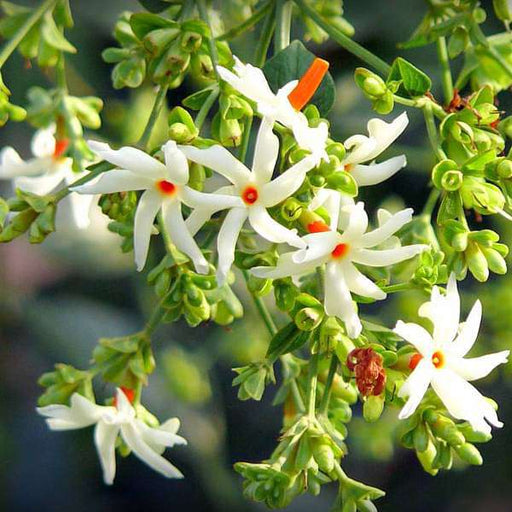
View full detailsCombo Constituents Includes the Parijat Tree (Night-Flowering Jasmine), a culturally significant plant with fragrant flowers. Description The Pari...
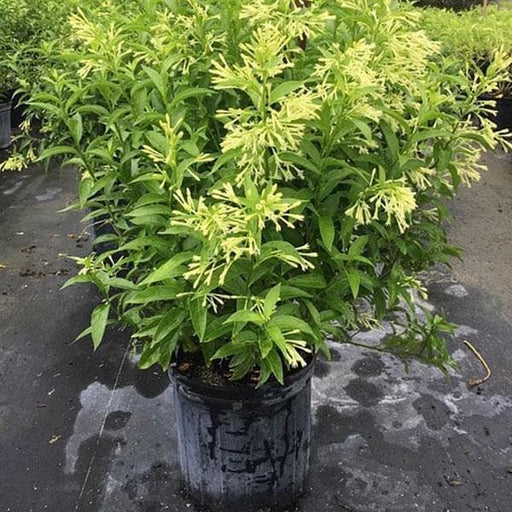
View full detailsDescription Raat Ki Rani (*Cestrum nocturnum*), also known as Night Blooming Jasmine, is a fragrant shrub native to the Caribbean and Central Ameri...
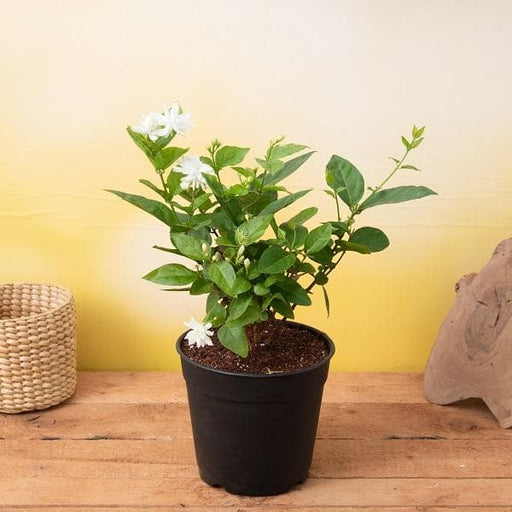
View full detailsJasminum sambac, Mogra, Arabian Jasmine - Plant Jasminum sambac, commonly known as Mogra or Arabian Jasmine, is a fragrant flowering plant...
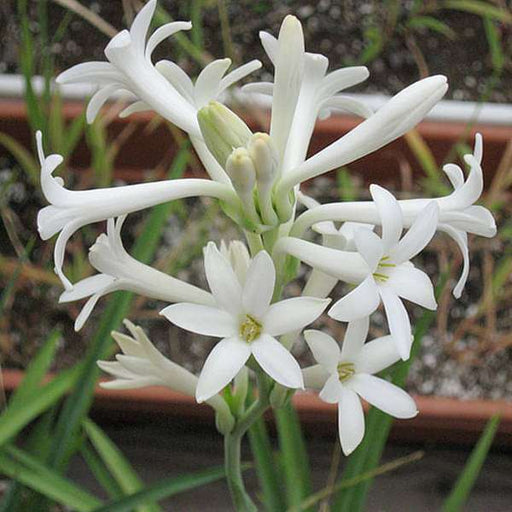
View full detailsRajnigandha, Tuberose - Plant The Rajnigandha, scientifically known as Polianthes tuberosa, is a captivating perennial plant renowned for ...
View full detailsCitronella, Odomas - Plant The Citronella plant, scientifically known as Cymbopogon nardus, is a tropical grass renowned for its aromatic ...
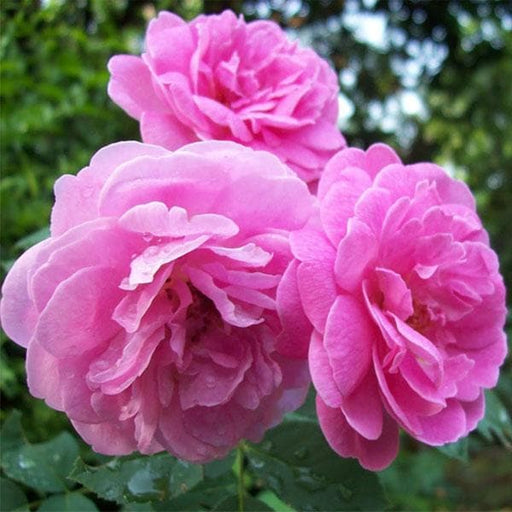
View full detailsDamascus Rose, Scented Rose (Any Color) - Plant The Damascus Rose, also known as Rosa damascena, is a timeless symbol of beauty and romanc...
View full detailsMiniature Rose, Button Rose (Any Color) - Plant The Miniature Rose, also known as the Button Rose, is a charming and compact flowering plant that ...
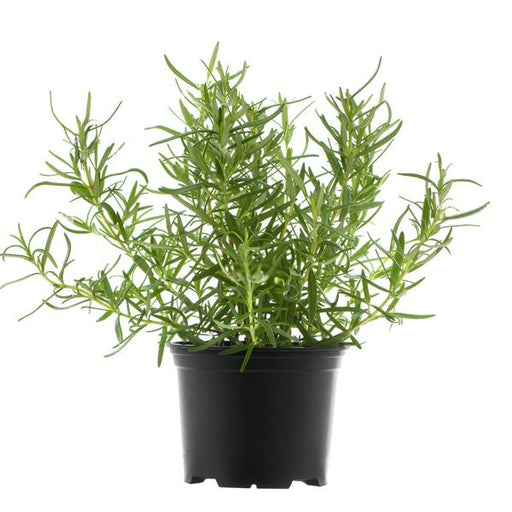
View full detailsRosemary - Plant Rosemary (Rosmarinus officinalis) is a fragrant evergreen herb native to the Mediterranean region. Known for its needle-like leav...
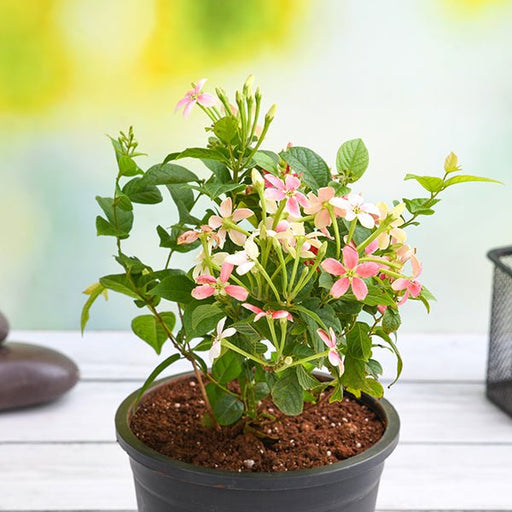
View full detailsMadhumalti Dwarf, Rangoon Creeper - Plant The Madhumalti Dwarf, also known as the Rangoon Creeper (Quisqualis indica), is a stunning perennial vin...
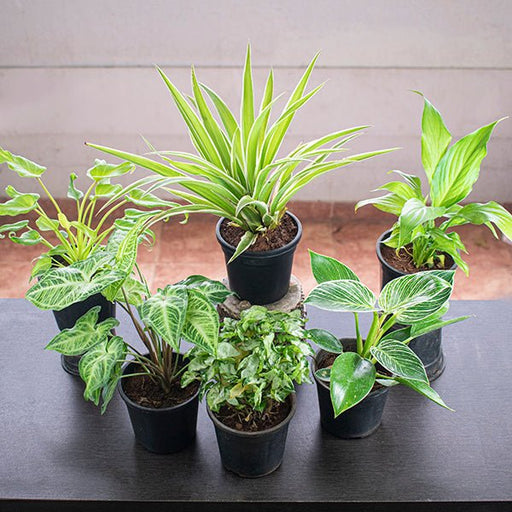
View full detailsBest 6 Plants for Perfect Indoor Garden Transform your living space into a lush oasis with our curated collection of the Best 6 Plants for a...
View full detailsBest 6 Plants for Perfect Indoor Garden Transform your living space into a lush oasis with our curated collection of the Best 6 Plants for a...
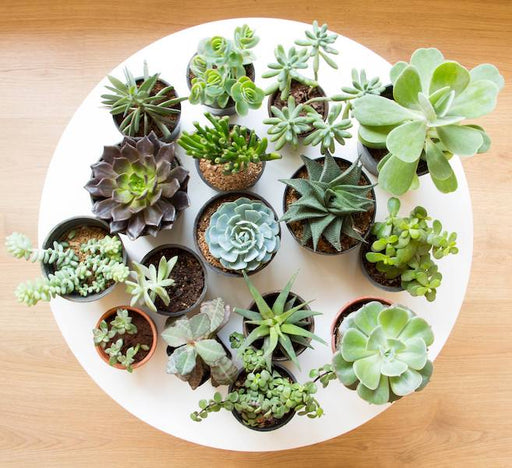
View full detailsMini Succulent Garden Pack Transform your space with our Mini Succulent Garden Pack, featuring a delightful collection of 4 any variety beautiful s...
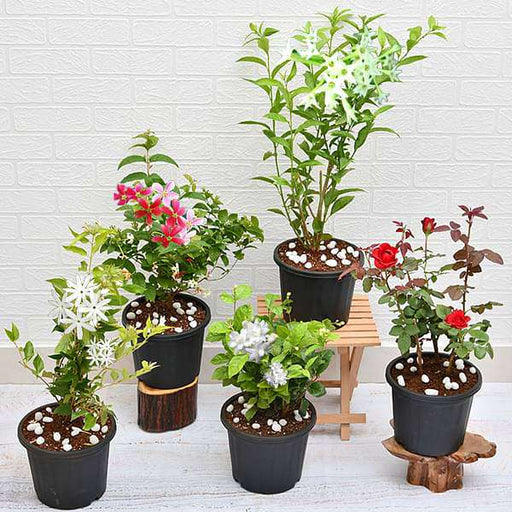
View full details5 Best Fragrant Plants Transform your garden or indoor space into a fragrant paradise with our curated selection of the 5 Best Fragrant Plants. Th...
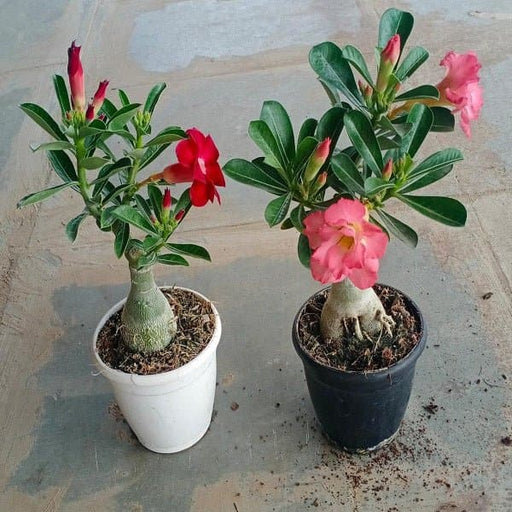
View full detailsSet of 2 Bonsai Looking Grafted Adeniums Transform your indoor or outdoor space with our exquisite Set of 2 Bonsai Looking Grafted Adenium...
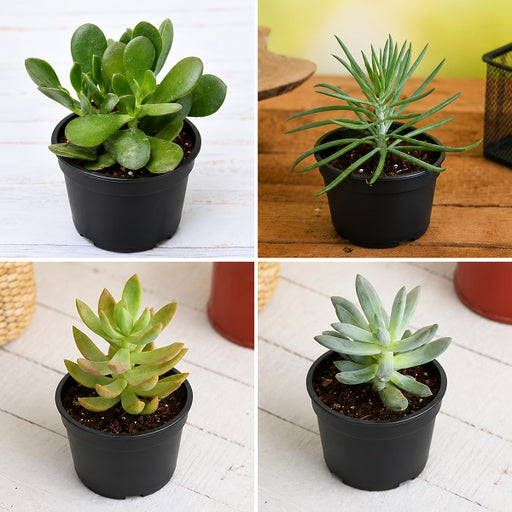
View full detailsTop 4 Die Hard Succulents Pack Note: Plants included in this pack will be delivered in a 3-inch nursery pot (any color). Transform your indoor or ...
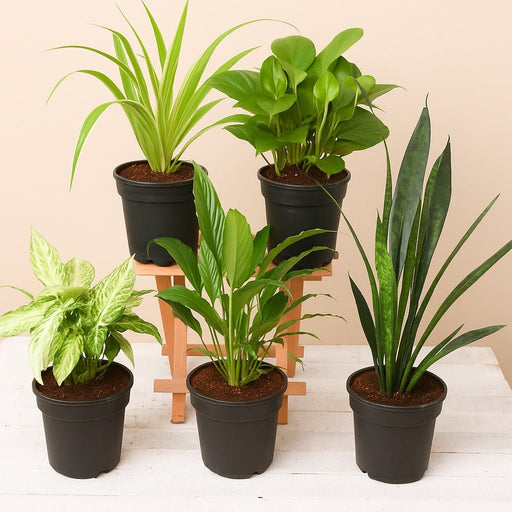
View full details5 Best Indoor Plants Pack Transform your living space into a lush oasis with our '5 Best Indoor Plants Pack.' This carefully curated collection fe...
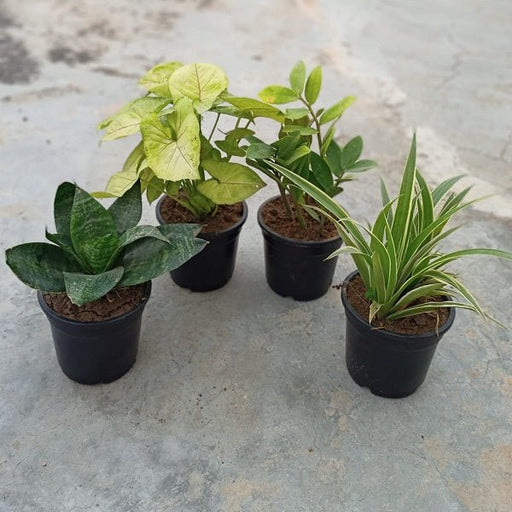
View full detailsSet of 4 Evergreen Air Purifier Plant Pack Transform your indoor space into a lush, green oasis with our Set of 4 Evergreen Air Purifier Pla...
View full detailsTop 5 Pollution Killer Plants Pack Transform your living space into a breath of fresh air with our 'Top 5 Pollution Killer Plants Pack'. This care...
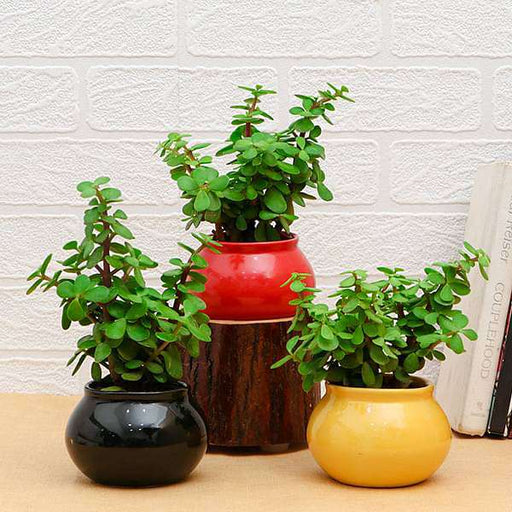
View full detailsPack of 3 Good Luck Jade Plants in Ceramic Pots Bring a touch of nature into your home with our Pack of 3 Good Luck Jade Plants, featuring...
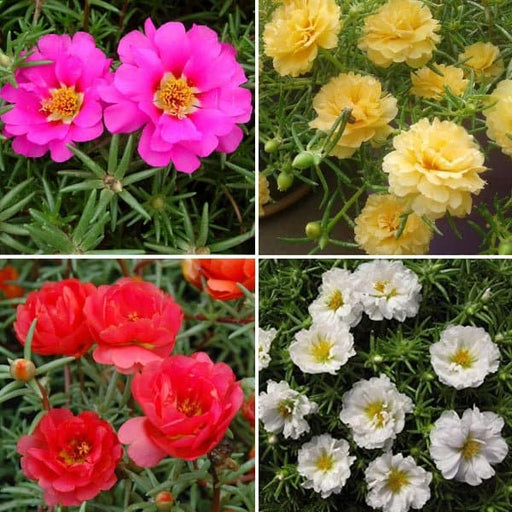
View full detailsPortulaca Garden Pack (4 Plants + 4 Black Pots) Note- You will get any color (Assorted) potted Porulaca plant with this pack. Transform your garde...
View full details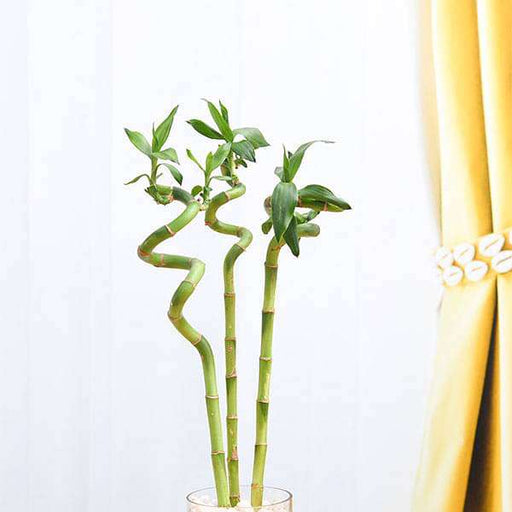






Leave a comment