
Expert Support
Available 24/7 via chat
Available 24/7 via chat
The 3 Layer Lucky Bamboo in a Bowl is a strikingly beautiful, ready-made arrangement that brings good fortune and clean air into your home or office. Arranged in three tiers within a decorative bowl, this plant is virtually indestructible and asks for almost nothing in return—making it ideal for busy Indian households, apartment dwellers, and anyone new to gardening. Whether you live in the heat of Delhi, the humidity of Mumbai, or the gentle warmth of Bangalore, this bamboo will adapt, grow, and reward you with its lush green foliage and symbolic elegance.
Lucky Bamboo (Dracaena sanderiana), despite its name, is not a true bamboo but a resilient tropical plant native to the rainforests of Central Africa and Southeast Asia. In Feng Shui tradition, this plant is revered as a symbol of prosperity, health, and harmony. The three-layer arrangement represents the harmony between heaven, earth, and humanity—making it a meaningful gift and a functional piece of living décor.
What makes the 3 Layer arrangement special is its architectural beauty. Each layer sits independently but flows visually upward, creating height and dimension in confined spaces. The pre-arranged bowl setup means you bring home a finished display—no design work required. It thrives in low-light conditions, making it perfect for Indian office cubicles, bedrooms, and living rooms where sunlight may be limited or filtered through heavy curtains during harsh summer months.
| Care Factor | Requirement |
|---|---|
| Light | Low to moderate indirect light; thrives under 12–16 hours of artificial indoor light |
| Watering | Keep roots submerged or soil moist; change water every 7–10 days (if in water) or water soil weekly |
| Soil | Well-draining potting mix or hydrogel; no fertilizer needed but monthly dilute feed optional in growing season |
| Temperature | 18–24°C ideal; tolerates 16–30°C; protect from frost and direct AC vents |
| Humidity | Moderate to high (40–50%+); mist foliage during dry seasons or AC use |
Lucky Bamboo is one of the few indoor plants that genuinely thrives in low-light conditions—a blessing during India's intense summer months when you close blinds against the heat. Place your bowl near an east or north-facing window where it receives dappled or filtered light for a few hours daily. Direct afternoon sun, especially in May and June, can scorch the delicate green stems and cause yellowing. If natural light is scarce, position the plant 60–90 cm from a cool LED grow light or regular LED bulb (6–8 hours daily). Office lighting is often sufficient for this adaptable plant. Rotate the bowl 45 degrees every two weeks to ensure even growth on all three layers.
Lucky Bamboo in a bowl arrangement typically grows in one of two ways: rooted in hydrogel or pebbles with water, or in potting soil. If water-based, change the water completely every 7–10 days—this is crucial in India's heat and dust. Hard tap water with high mineral content (common in Delhi, Pune, and Chennai) can build up white deposits. Use filtered or distilled water if possible, or let tap water sit overnight to allow chlorine to evaporate. If your bowl drains and holds soil, water when the top 2 cm feels dry—roughly once a week in winter, twice weekly during March–October. Do not let the roots sit waterlogged for more than a few hours, as this invites root rot. During monsoon, reduce watering frequency as humidity rises and evaporation slows.
If your bowl uses a growing medium, use a light, well-draining potting mix (equal parts coco coir, perlite, and peat, or a commercial indoor plant mix). Lucky Bamboo is a light feeder and does not need fertilizer to survive. During the growing season (March–September), apply a diluted balanced liquid fertilizer (NPK 10:10:10) once monthly at half strength. Alternatively, a tiny pinch of slow-release granules added to the soil quarterly works well. Avoid high-nitrogen feeds, which encourage excessive leaf growth at the expense of the stem structure. In water-based arrangements, feed nothing—the minerals in tap water suffice. Keep an eye out for algae growth in water bowls; if green algae appears, do a complete water change and ensure the bowl is not in direct sunlight.
Lucky Bamboo tolerates India's temperature swings well, thriving between 18 and 24°C. It survives outdoor ranges from 16 to 30°C, though prolonged exposure above 32°C may stress the plant. During summer, place your bowl away from direct sunlight, active AC vents, and heat sources like kitchen stoves. In northern regions during December and January, protect it from drafts and cold windows (below 12°C causes leaf drop). Humidity is the plant's friend in India. In dry climates or during the air-conditioned months (April–October), mist the foliage lightly with water every 2–3 days. The monsoon provides natural humidity, so misting can reduce. Ideal humidity ranges from 40 to 60%, which most Indian homes achieve naturally indoors.
Propagating Lucky Bamboo is simple, making it easy to refresh your arrangement or gift plants to friends. Select a healthy stem 8–10 cm long and cut just below a node (the small ridge where leaves emerge) using clean scissors. Place the cutting in a glass of filtered water or pebbles submerged in water. Within 2–4 weeks, fine white roots will develop. Once roots are 2–3 cm long, either plant the cutting in moist potting soil or keep it in water indefinitely. For a multi-stem effect, allow the new growth to emerge from the sides of established stems; this naturally creates the layered look. Propagations done during the warm season (April–August) root faster than those in winter. You can add new propagations to your existing bowl to fill gaps or create a fuller arrangement.
Yellow or brown tips: Usually caused by hard water minerals or fluorine in tap water. Switch to filtered water; trim brown tips with clean scissors, making a 45-degree cut just above the node.
Root rot: Overly wet soil or stagnant water leads to soft, mushy roots and a sour smell. In water arrangements, change water immediately and trim away blackened roots with a sterile blade. In soil, allow the top 3 cm to dry between waterings. Repot if the problem persists.
Pale or slow growth: Low light combined with cold temperatures slows the plant. Move it to a brighter spot or add artificial light. In winter, reduce watering slightly and wait for warmer months to see vigorous growth.
Pest infestation (rare indoors): Mealybugs or scale may appear if the plant sits near an open window. Spray affected stems with a dilute insecticidal soap (5 ml per litre of water) weekly until pests disappear.
Leaf spotting: Fungal spots in high humidity or poor air circulation. Reduce misting, ensure air flow with a small fan, and remove affected leaves. Avoid wetting foliage late in the day.
The 3 Layer Lucky Bamboo in a Bowl is a testament to the beauty of simplicity and the power of resilient plants. With the straightforward care outlined above, your arrangement will stay lush, green, and symbolically auspicious for years. Happy gardening!
Ready to grow your own? Shop 3 Layer Lucky Bamboo Plant in a Bowl at Nurserylive →
3 Layer Lucky Bamboo Plant in a Bowl Transform your space with our stunning 3 Layer Lucky Bamboo Plant in a 3.3 inch Bowl. This elegant arrangemen...
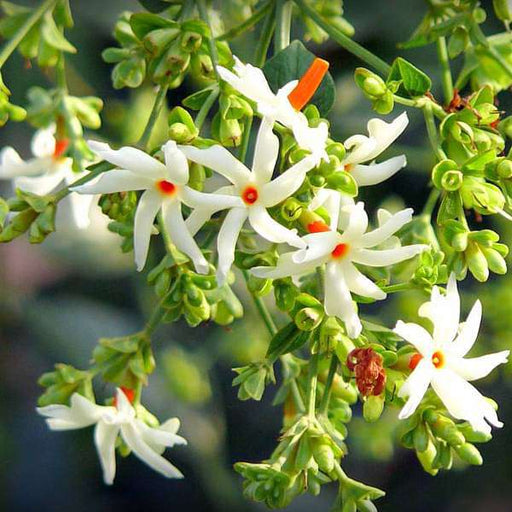
View full detailsCombo Constituents Includes the Parijat Tree (Night-Flowering Jasmine), a culturally significant plant with fragrant flowers. Description The Pari...
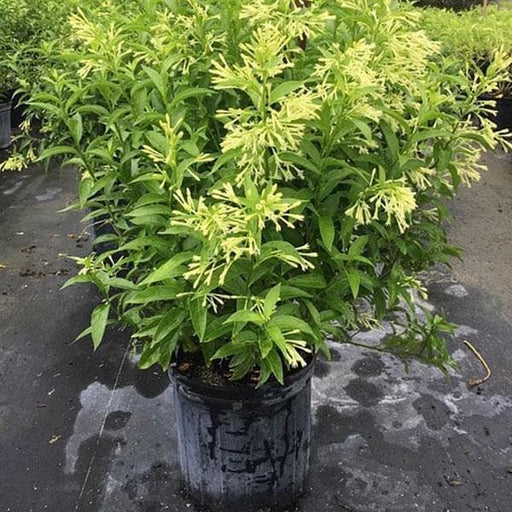
View full detailsDescription Raat Ki Rani (*Cestrum nocturnum*), also known as Night Blooming Jasmine, is a fragrant shrub native to the Caribbean and Central Ameri...
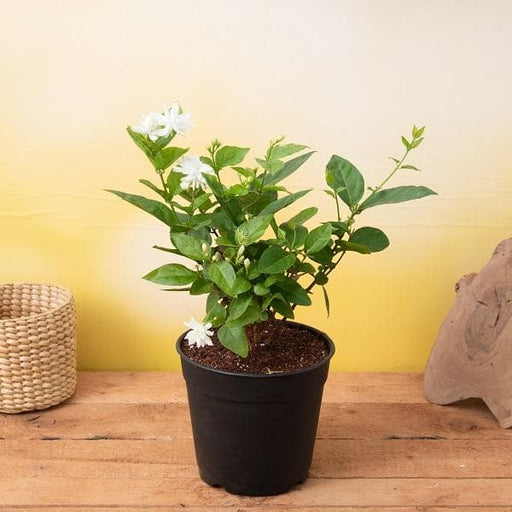
View full detailsJasminum sambac, Mogra, Arabian Jasmine - Plant Jasminum sambac, commonly known as Mogra or Arabian Jasmine, is a fragrant flowering plant...
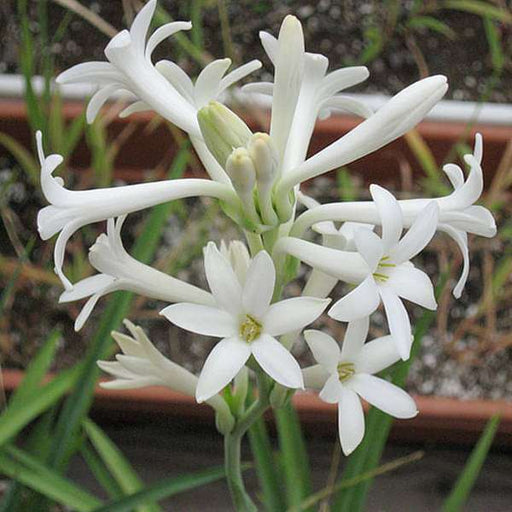
View full detailsRajnigandha, Tuberose - Plant The Rajnigandha, scientifically known as Polianthes tuberosa, is a captivating perennial plant renowned for ...
View full detailsCitronella, Odomas - Plant The Citronella plant, scientifically known as Cymbopogon nardus, is a tropical grass renowned for its aromatic ...
View full detailsDamascus Rose, Scented Rose (Any Color) - Plant The Damascus Rose, also known as Rosa damascena, is a timeless symbol of beauty and romanc...
View full detailsMiniature Rose, Button Rose (Any Color) - Plant The Miniature Rose, also known as the Button Rose, is a charming and compact flowering plant that ...
View full detailsRosemary - Plant Rosemary (Rosmarinus officinalis) is a fragrant evergreen herb native to the Mediterranean region. Known for its needle-like leav...
View full detailsMadhumalti Dwarf, Rangoon Creeper - Plant The Madhumalti Dwarf, also known as the Rangoon Creeper (Quisqualis indica), is a stunning perennial vin...
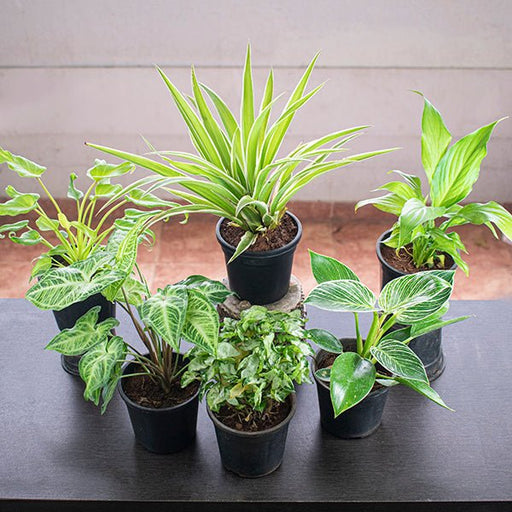
View full detailsBest 6 Plants for Perfect Indoor Garden Transform your living space into a lush oasis with our curated collection of the Best 6 Plants for a...
View full detailsBest 6 Plants for Perfect Indoor Garden Transform your living space into a lush oasis with our curated collection of the Best 6 Plants for a...
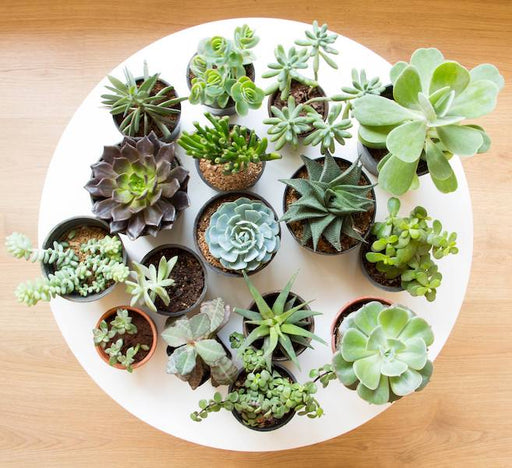
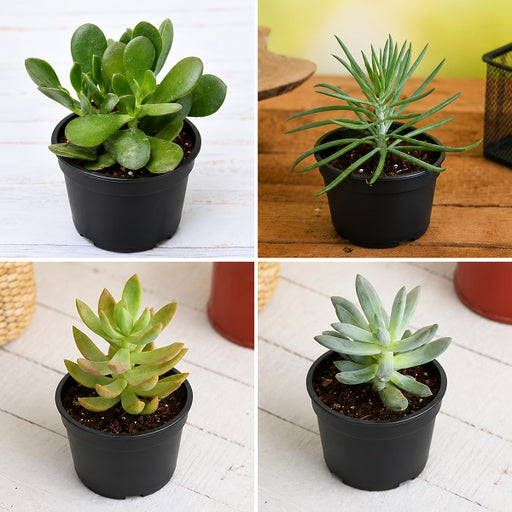
View full detailsMini Succulent Garden Pack Transform your space with our Mini Succulent Garden Pack, featuring a delightful collection of 4 any variety beautiful s...
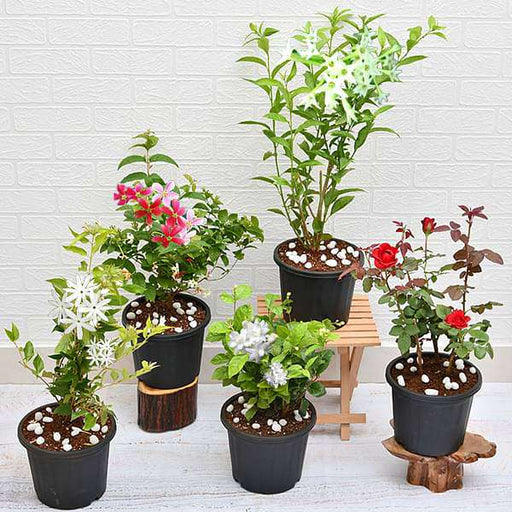
View full details5 Best Fragrant Plants Transform your garden or indoor space into a fragrant paradise with our curated selection of the 5 Best Fragrant Plants. Th...
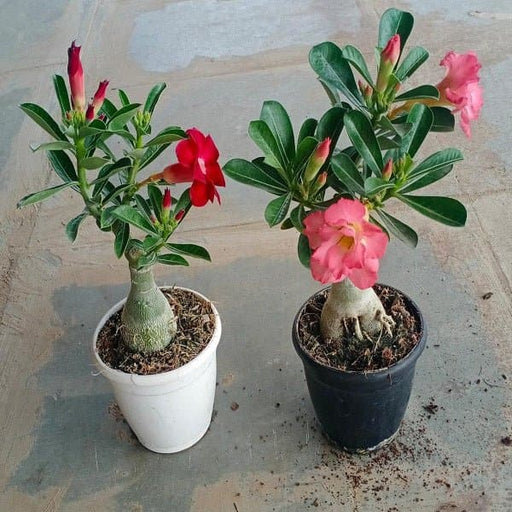
View full detailsSet of 2 Bonsai Looking Grafted Adeniums Transform your indoor or outdoor space with our exquisite Set of 2 Bonsai Looking Grafted Adenium...
View full detailsTop 4 Die Hard Succulents Pack Note: Plants included in this pack will be delivered in a 3-inch nursery pot (any color). Transform your indoor or ...
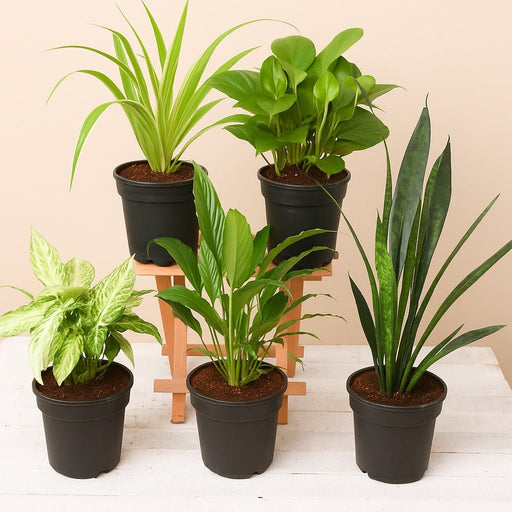
View full details5 Best Indoor Plants Pack Transform your living space into a lush oasis with our '5 Best Indoor Plants Pack.' This carefully curated collection fe...
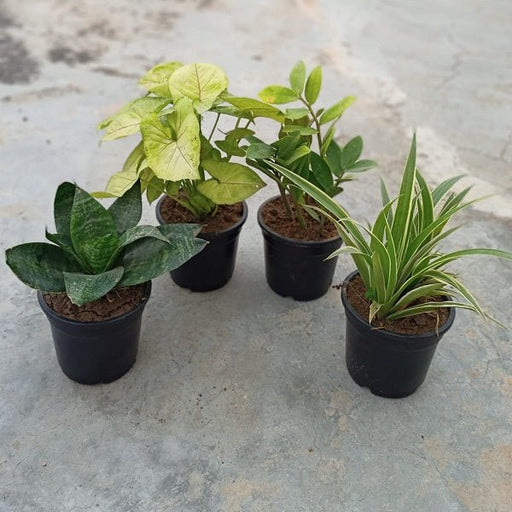
View full detailsSet of 4 Evergreen Air Purifier Plant Pack Transform your indoor space into a lush, green oasis with our Set of 4 Evergreen Air Purifier Pla...
View full detailsTop 5 Pollution Killer Plants Pack Transform your living space into a breath of fresh air with our 'Top 5 Pollution Killer Plants Pack'. This care...
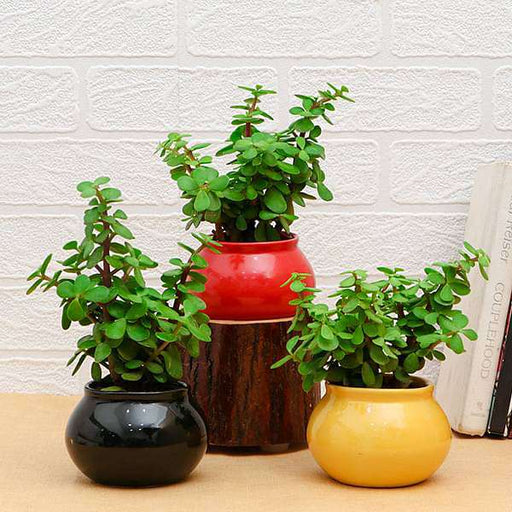
View full detailsPack of 3 Good Luck Jade Plants in Ceramic Pots Bring a touch of nature into your home with our Pack of 3 Good Luck Jade Plants, featuring...
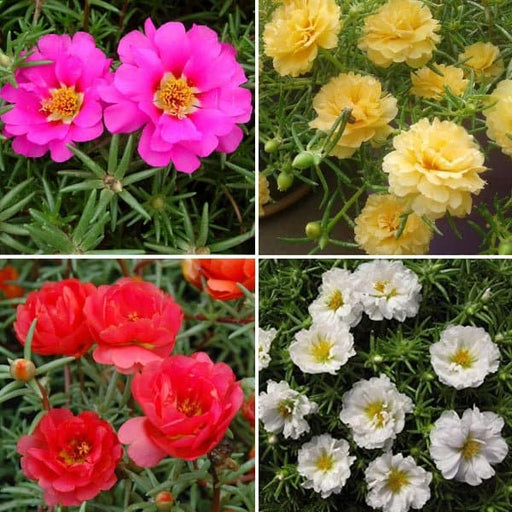
View full detailsPortulaca Garden Pack (4 Plants + 4 Black Pots) Note- You will get any color (Assorted) potted Porulaca plant with this pack. Transform your garde...
View full details






Leave a comment