
Expert Support
Available 24/7 via chat
Available 24/7 via chat
If you're looking for a houseplant that works as hard as you do—asking almost nothing in return—the 2 Layer Lucky Bamboo plant in a bowl is your answer. This graceful, compact arrangement sits perfectly on a desk, shelf, or side table, softening office corners and living spaces with its elegant, upright growth. Unlike fussy tropical plants, lucky bamboo accepts the realities of Indian homes: intense summer heat, hard tap water, and low indoor light. At the same time, it remains entirely safe for pets and children, making it the thinking person's choice for households with curious cats and nibbling dogs.
The beauty of a pre-arranged 2 Layer bowl is simplicity. The two stalks are already arranged in a way that balances visual interest with practical care. You receive it ready to place, without the guesswork of potting or styling. In this guide, we'll walk through every aspect of keeping your lucky bamboo thriving for years, including how to refresh the water, spot problems early, and eventually propagate new plants from mature stems.
Lucky Bamboo (Dracaena sanderiana) is not actually bamboo—it's a tropical perennial shrub native to Central Africa, but its resemblance to bamboo and its role in Asian feng shui have made it beloved worldwide, especially across Indian homes. The plant's traditional association with luck, prosperity, and good fortune comes from feng shui, where the number of stalks carries specific meaning. Two stalks represent love and partnership, making it a popular gift and a thoughtful addition to bedrooms or living rooms.
The 2 Layer arrangement features two stalks of different heights, creating visual depth in a compact footprint. Each layer is typically a single stem, sometimes with a node of leaves at the top, creating the characteristic tiered look. The bowl presentation means the entire plant arrives hydrated and balanced—no repotting stress or adjustment period.
What makes lucky bamboo ideal for Indian homes is its hardiness. It tolerates the mineral-heavy tap water common in many regions, doesn't mind the dry heat of indoor air conditioning, and actually prefers the lower light levels found indoors over the intense outdoor sun of central and northern India.
| Care Factor | Requirement |
|---|---|
| Light | Bright, indirect light; tolerates low light |
| Watering | Keep water fresh; change weekly |
| Soil | Hydroponic pebbles or well-draining potting mix |
| Temperature | 18–28°C; avoid temperatures below 10°C |
Lucky bamboo is famously forgiving of low light, which is why it thrives in offices, bedrooms, and corners where sunlight rarely reaches. However, "tolerates" is not the same as "thrives." The plant will survive under a desk lamp or near a north-facing window, but it grows more robustly and maintains vibrant green color when placed in bright, indirect light.
The ideal spot is an east or west-facing windowsill with a sheer curtain diffusing direct rays, or a table near a north window where light is abundant but never harsh. In Indian homes during summer, direct afternoon sun can stress the plant and turn leaves pale or brown at the edges. If your plant is on a desk away from windows, supplement natural light with a LED grow bulb for 6–8 hours daily if you notice slow growth or pale new leaves.
Rotate the bowl a quarter turn every 2–3 weeks to ensure even light exposure on all sides, preventing the plant from leaning toward the light source.
The most common mistake with lucky bamboo is overwatering or neglecting water quality. These plants typically grow in hydroponic setups with roots in pebbles or stones, sitting in water, so they need consistent moisture—but the water itself matters greatly.
In India, tap water often contains dissolved minerals and chlorine. Let tap water sit in an open container for 24 hours before use, allowing chlorine to evaporate. For best results, use distilled water or collected rainwater, especially during monsoon. This prevents mineral buildup on the pebbles and keeps the water clear and fresh.
Change the water completely every 5–7 days. Pour out the old water, rinse the pebbles gently under running water, and refill with fresh water. In summer, you may need to change water more frequently as the water warms and algae risk increases. If you notice a sour or musty smell, change the water immediately—this indicates bacterial growth.
The water level should always cover the roots. If roots are exposed to air for extended periods, they dry out and die. The pebbles should be damp to the touch but not waterlogged (though in a hydroponic setup, waterlogged is the norm—the roots are adapted for it).
Most 2 Layer Lucky Bamboo bowls come with hydroponic pebbles or stones, not soil. This is deliberate; the roots sit in water, allowing roots to absorb nutrients directly. No soil is needed, and adding soil can cause rot.
If you prefer to repot into soil after the plant matures, use a well-draining potting mix: 40% coconut coir, 30% perlite, 30% coarse sand. The goal is a mix that holds moisture without becoming waterlogged.
Feeding is minimal. If growing hydroponically, add a weak liquid all-purpose fertilizer (balanced NPK like 10-10-10) to the water once a month during the growing season (April to September). Use quarter-strength concentration to avoid salt buildup. In winter (October to March), skip fertilizer entirely—the plant's growth slows naturally.
If potted in soil, feed monthly during growing season with a diluted liquid houseplant fertilizer. Organic options like seaweed extract or compost tea also work well.
Lucky bamboo thrives in the temperature range that suits most Indian homes: 18–28°C. It tolerates summer heat remarkably well and rarely suffers from the warmth that wilts other houseplants. However, temperatures below 10°C will cause stress; avoid placing the bowl near air conditioning vents in winter or in unheated rooms during cold spells (relevant in northern India).
Humidity is less critical than for many tropical plants. The plant does fine in normal indoor humidity, though it appreciates a light misting during dry months (November to February, or whenever humidity drops below 40%). Mist the leaves gently in the morning to avoid fungal issues.
During monsoon, when humidity spikes, ensure the bowl area has air circulation (a fan on low speed helps). Standing water in humid conditions can lead to algae growth and root rot if the water isn't refreshed frequently.
After 12–18 months, your lucky bamboo stems may grow tall or develop side shoots. You can easily propagate these to create new plants or rejuvenate the arrangement.
Using a clean, sharp knife or secateurs, cut a healthy stem just below a node (the slight bump where leaves emerge). Each cutting should be at least 10 cm long and include at least two nodes. Remove the lower leaves, leaving only 2–3 leaf clusters at the top.
Place the cutting in a container of distilled or dechlorinated water. Submerge the cut end fully. Place the container in bright, indirect light and change the water every 3–5 days. Within 2–4 weeks, roots will emerge from the submerged nodes. Once roots are 1–2 cm long, the cutting can be transferred to a permanent hydroponic bowl or potted in soil.
You can also float cuttings in a tall glass for a minimalist propagation display—this works beautifully as a transparent vase on a shelf.
Despite its hardy nature, lucky bamboo can face issues if conditions drift far from ideal.
Ready to grow your own? Shop 2 Layer Lucky Bamboo Plant in a Bowl at Nurserylive →
2 Layer Lucky Bamboo Plant in a Bowl Bring a touch of nature into your home with our exquisite 2 Layer Lucky Bamboo Plant in a 3.3 inch Bowl. This...
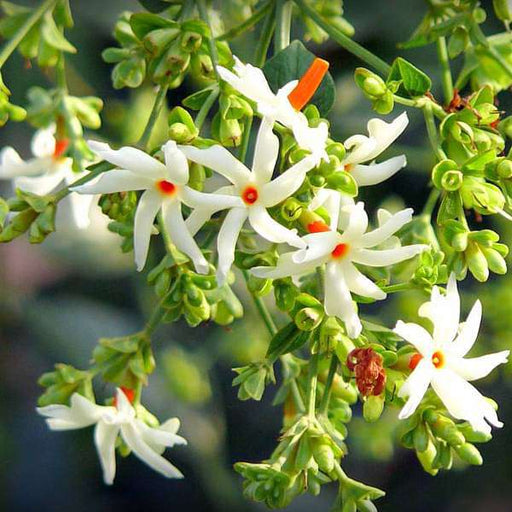
View full detailsCombo Constituents Includes the Parijat Tree (Night-Flowering Jasmine), a culturally significant plant with fragrant flowers. Description The Pari...
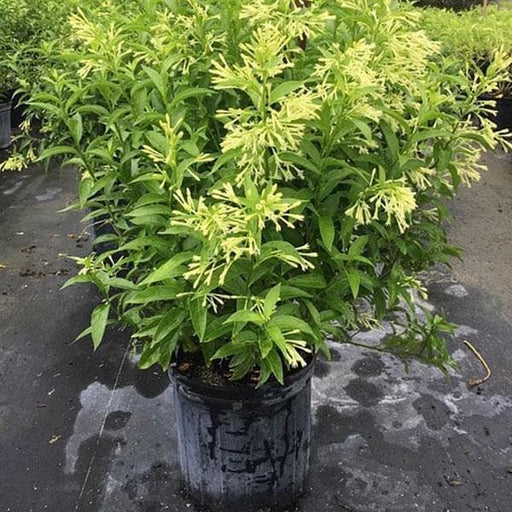
View full detailsDescription Raat Ki Rani (*Cestrum nocturnum*), also known as Night Blooming Jasmine, is a fragrant shrub native to the Caribbean and Central Ameri...
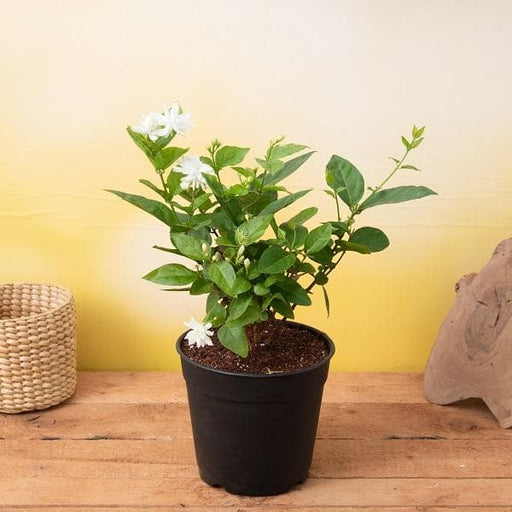
View full detailsJasminum sambac, Mogra, Arabian Jasmine - Plant Jasminum sambac, commonly known as Mogra or Arabian Jasmine, is a fragrant flowering plant...
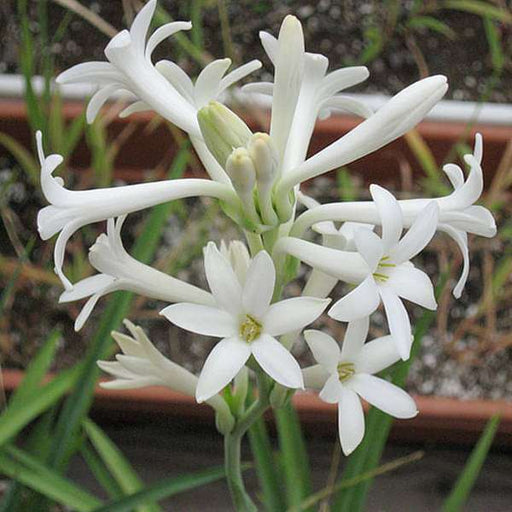
View full detailsRajnigandha, Tuberose - Plant The Rajnigandha, scientifically known as Polianthes tuberosa, is a captivating perennial plant renowned for ...
View full detailsCitronella, Odomas - Plant The Citronella plant, scientifically known as Cymbopogon nardus, is a tropical grass renowned for its aromatic ...
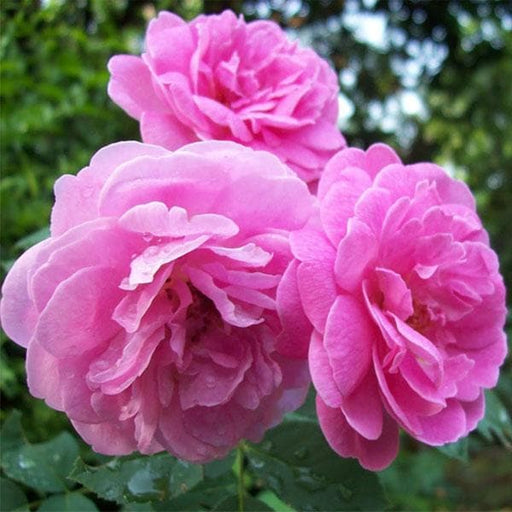
View full detailsDamascus Rose, Scented Rose (Any Color) - Plant The Damascus Rose, also known as Rosa damascena, is a timeless symbol of beauty and romanc...
View full detailsMiniature Rose, Button Rose (Any Color) - Plant The Miniature Rose, also known as the Button Rose, is a charming and compact flowering plant that ...
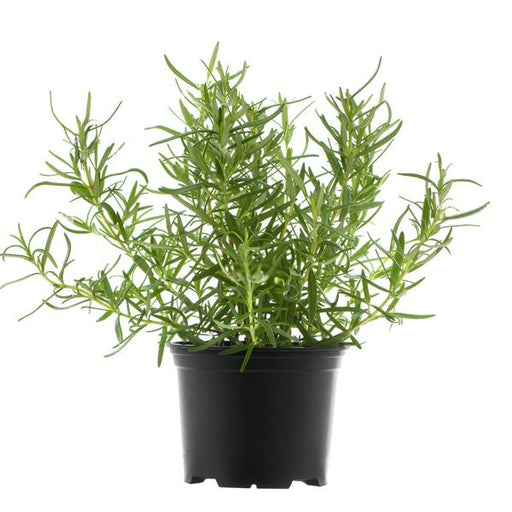
View full detailsRosemary - Plant Rosemary (Rosmarinus officinalis) is a fragrant evergreen herb native to the Mediterranean region. Known for its needle-like leav...
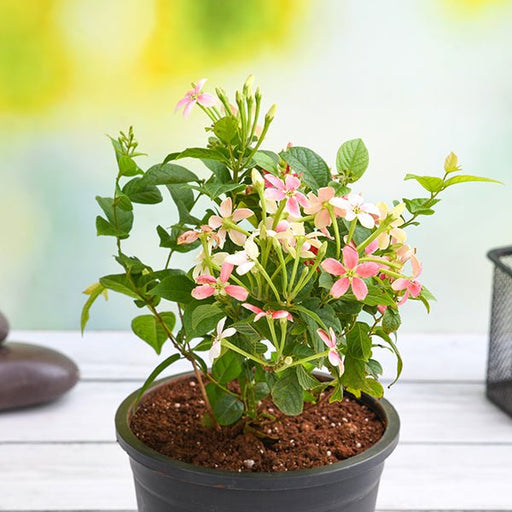
View full detailsMadhumalti Dwarf, Rangoon Creeper - Plant The Madhumalti Dwarf, also known as the Rangoon Creeper (Quisqualis indica), is a stunning perennial vin...
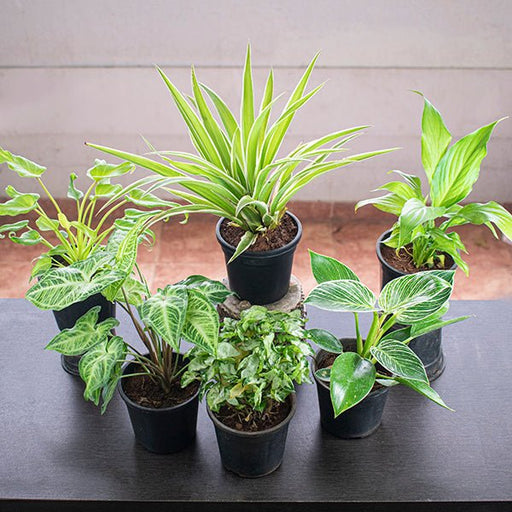
View full detailsBest 6 Plants for Perfect Indoor Garden Transform your living space into a lush oasis with our curated collection of the Best 6 Plants for a...
View full detailsBest 6 Plants for Perfect Indoor Garden Transform your living space into a lush oasis with our curated collection of the Best 6 Plants for a...
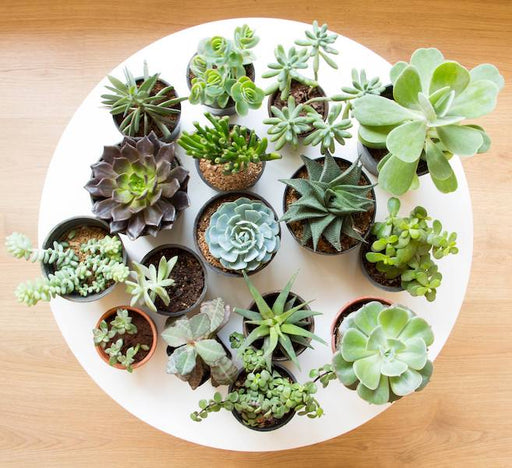
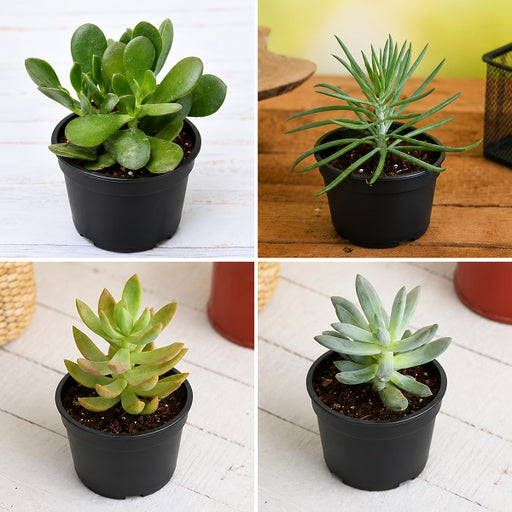
View full detailsMini Succulent Garden Pack Transform your space with our Mini Succulent Garden Pack, featuring a delightful collection of 4 any variety beautiful s...
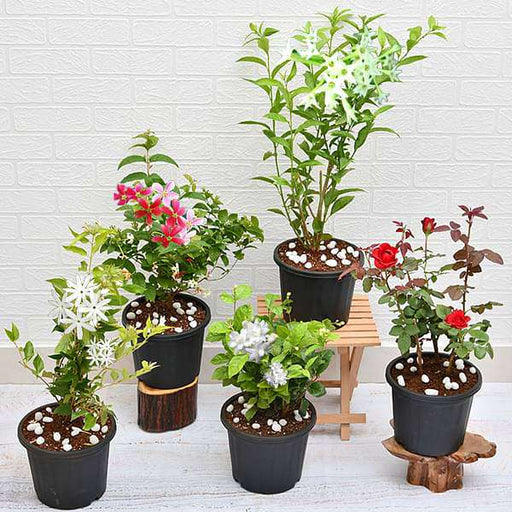
View full details5 Best Fragrant Plants Transform your garden or indoor space into a fragrant paradise with our curated selection of the 5 Best Fragrant Plants. Th...
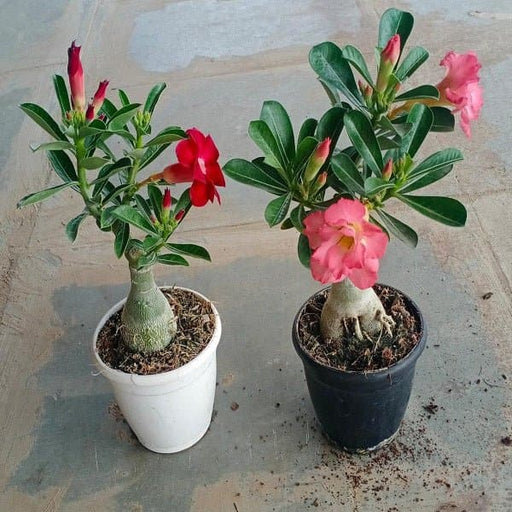
View full detailsSet of 2 Bonsai Looking Grafted Adeniums Transform your indoor or outdoor space with our exquisite Set of 2 Bonsai Looking Grafted Adenium...
View full detailsTop 4 Die Hard Succulents Pack Note: Plants included in this pack will be delivered in a 3-inch nursery pot (any color). Transform your indoor or ...
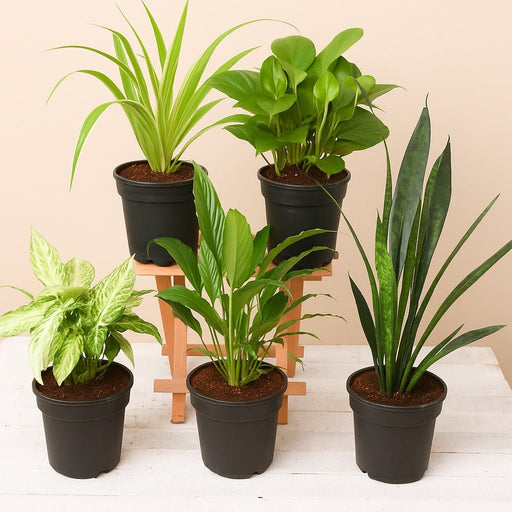
View full details5 Best Indoor Plants Pack Transform your living space into a lush oasis with our '5 Best Indoor Plants Pack.' This carefully curated collection fe...
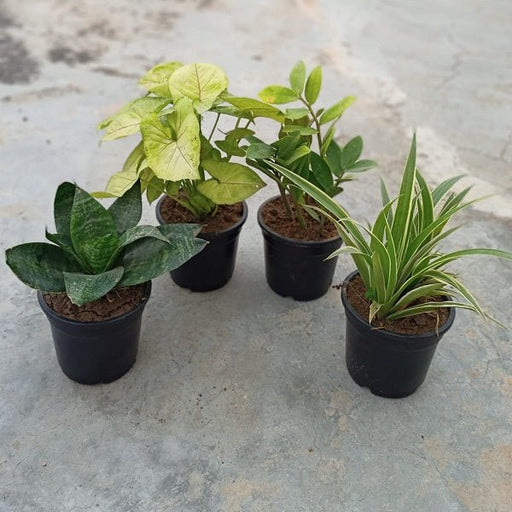
View full detailsSet of 4 Evergreen Air Purifier Plant Pack Transform your indoor space into a lush, green oasis with our Set of 4 Evergreen Air Purifier Pla...
View full detailsTop 5 Pollution Killer Plants Pack Transform your living space into a breath of fresh air with our 'Top 5 Pollution Killer Plants Pack'. This care...
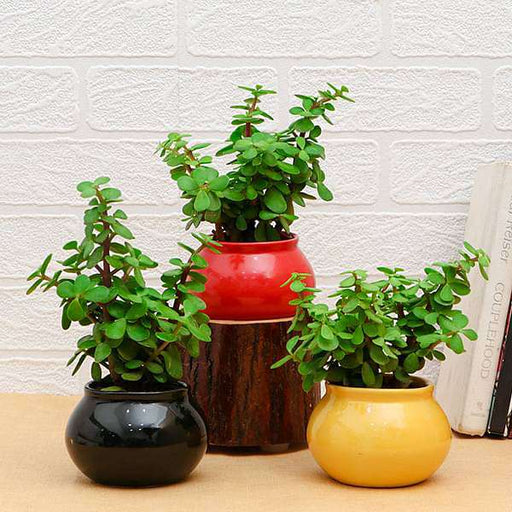
View full detailsPack of 3 Good Luck Jade Plants in Ceramic Pots Bring a touch of nature into your home with our Pack of 3 Good Luck Jade Plants, featuring...
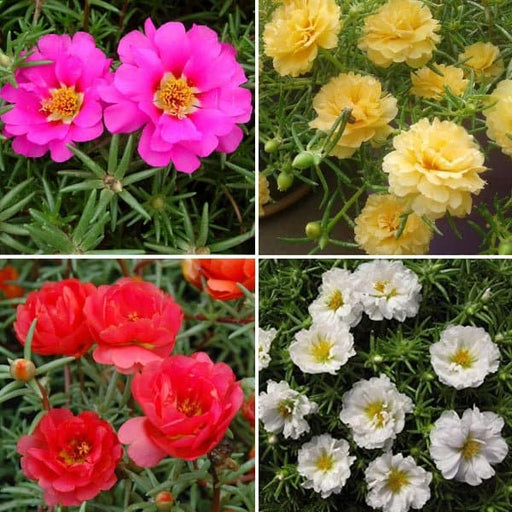
View full detailsPortulaca Garden Pack (4 Plants + 4 Black Pots) Note- You will get any color (Assorted) potted Porulaca plant with this pack. Transform your garde...
View full details






Leave a comment