
Expert Support
Available 24/7 via chat
Available 24/7 via chat
Vinca, affectionately known as sadabahar in Hindi (meaning "always flowering"), is one of India's most reliable and beloved flowering plants. Whether you're tending a balcony garden in Mumbai, a terrace in Delhi, or a sprawling garden in Bangalore, Vinca rewards you with continuous blooms from spring through late autumn. Its vibrant flowers in pink, white, red, and bicolour varieties bring consistent colour to pots, borders, and mixed plantings—and the best part? It's remarkably easy to grow and forgiving of typical Indian gardening challenges.
Vinca (Catharanthus roseus) is native to Madagascar but has become naturalized across India, where it thrives in warm climates. Locally, you'll hear it called Nitya Pushpa, Myrtle, or most commonly, Sadabahar—a name that perfectly captures its character of perpetual flowering. Young plants grow into neat, compact mounds, reaching 23 cm (9 inches) in height and spreading about 10 cm (4 inches) wide. With proper care, individual plants can reach up to 2 feet tall, making them perfect for containers, windowsills, and garden borders alike.
Vinca is one of the easiest flowering plants to grow, even for beginners. It produces continuous five-petalled flowers in a range of colours throughout most of the year in India's warm climate. More importantly, it's drought-tolerant and hardy, meaning it won't abandon you during summer heat spikes or if you occasionally miss a watering. It also attracts pollinators—bees and butterflies—bringing life and movement to your garden.
| Aspect | Requirement |
|---|---|
| Light | Full sun; afternoon shade acceptable in intense heat |
| Water | Moderate watering; drought tolerant |
| Soil | Loamy soil with good drainage |
| Temperature | 26–30°C (ideal); hardy down to 10–15°C |
Vinca is a sun-lover and thrives in full sunlight. For best results, place your plants where they receive at least 6–8 hours of direct morning and midday sun. In India's intense summer heat (especially April to June), afternoon shade is not just acceptable—it's beneficial. If you're gardening in regions with harsh afternoon sun, provide dappled shade between 2 PM and 5 PM to prevent leaf scorching and heat stress.
During monsoon season, when cloud cover reduces light intensity, ensure your Vinca still receives adequate indirect light to maintain vigorous flowering. Insufficient light leads to lanky, weak growth and dramatically reduced blooms, so avoid placing plants in deep shade or corners with blocked sun.
Vinca prefers moderate watering—neither soggy nor bone-dry. Water thoroughly when the top 1–2 cm of soil feels dry to touch. In India's hot season (March to June), you may need to water every 2–3 days, depending on your pot size, local humidity, and air circulation. During monsoon, reduce watering frequency significantly; the soil will retain more moisture naturally, and overwatering invites root rot and fungal issues.
Use the finger test as your guide: push your finger 1 cm into the soil. If it feels moist, wait another day or two. If it feels dry, water until it drains from the bottom. Vinca is considerably more forgiving of underwatering than overwatering, so when in doubt, hold back. If you're using hard water (common in many Indian cities), occasional light misting with filtered or rainwater helps prevent mineral deposits on foliage.
Vinca demands well-draining, loamy soil. A basic potting mix of garden soil, coconut coir, and compost in equal parts works beautifully. Add a handful of coarse sand or perlite to further improve drainage—this is essential to prevent waterlogging, especially during the monsoon season.
For fertilizing, apply any organic fertilizer every 4–6 weeks during the growing season (February to October). Cow manure compost, neem cake, or commercial organic blends all work well. Avoid over-feeding with nitrogen, which encourages leafy growth at the expense of flowers. A balanced approach using organic matter keeps plants thriving without excess.
Vinca's ideal temperature range is 26–30°C, which aligns perfectly with India's warm season. The plant is surprisingly cold-hardy and will survive temperatures as low as 10–15°C, though growth slows significantly in cooler months. In harsh northern winters, bring containerized Vinca to sheltered, warmer spots or provide frost protection on exceptionally cold nights.
Humidity is less critical for Vinca than for many tropical plants. It tolerates both humid monsoon conditions and dry summer heat admirably. Very low humidity (below 30%) during peak summer may occasionally invite spider mite infestations; in such cases, light misting of foliage on cooler mornings helps keep pests in check.
Vinca is easily propagated from seeds or stem cuttings. From seeds: Sow seeds indoors in seed trays with moist, well-draining potting mix in February or March. Seeds germinate in 7–10 days at temperatures around 25–28°C. Once seedlings develop 2–3 true leaves, transplant them into individual small pots. They reach flowering size in 6–8 weeks.
From cuttings: Take 7–10 cm long stem cuttings from healthy, mature plants in spring or early monsoon. Remove the lower leaves, optionally dip in rooting hormone, and insert into moist sand or coir. Keep in bright, indirect light and maintain moisture without waterlogging. Roots typically develop in 2–3 weeks, and plants flower within 4–6 weeks. This method gives you plants identical to the parent and faster blooming.
Yellowing leaves: Usually caused by overwatering or waterlogged soil. Check drainage and adjust watering frequency; repot if the soil remains persistently wet.
Powdery mildew: Common in monsoon or high-humidity conditions. Spray neem oil solution weekly and improve air circulation around plants by spacing them apart.
Spider mites: Appear as fine webbing on foliage during dry, hot spells. Increase misting and use neem oil spray to control infestations.
Few or no flowers: Typically caused by insufficient light or excessive nitrogen fertilizer. Reposition plants to sunnier spots and reduce high-nitrogen feeds.
Leaf-eating insects: Handpick affected leaves or use organic pest control solutions if damage is widespread.
Ready to grow your own? Shop Vinca at Nurserylive →
Vinca, Catharanthus roseus (Any Color) - Plant The Vinca, scientifically known as Catharanthus roseus, is a stunning perennial plant that thrives ...
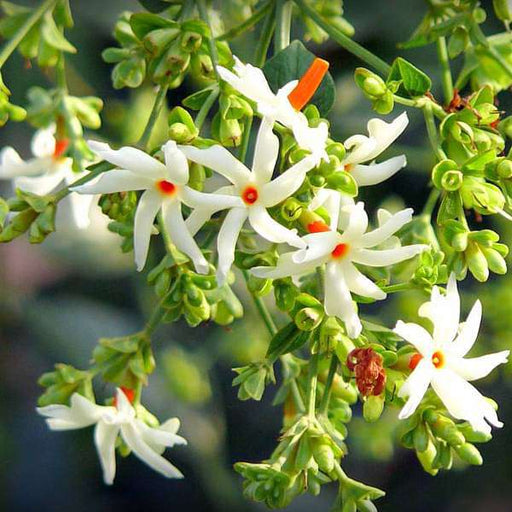
View full detailsCombo Constituents Includes the Parijat Tree (Night-Flowering Jasmine), a culturally significant plant with fragrant flowers. Description The Pari...
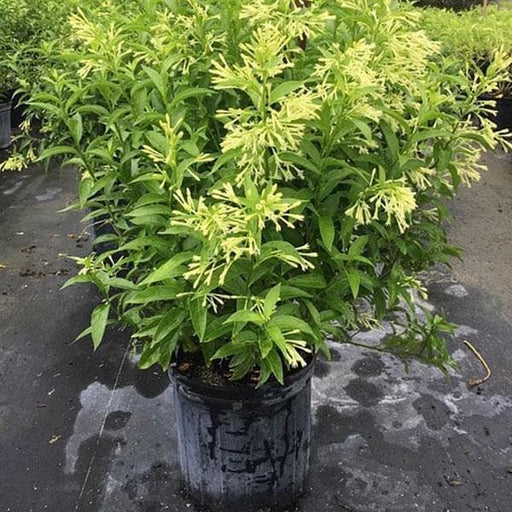
View full detailsDescription Raat Ki Rani (*Cestrum nocturnum*), also known as Night Blooming Jasmine, is a fragrant shrub native to the Caribbean and Central Ameri...
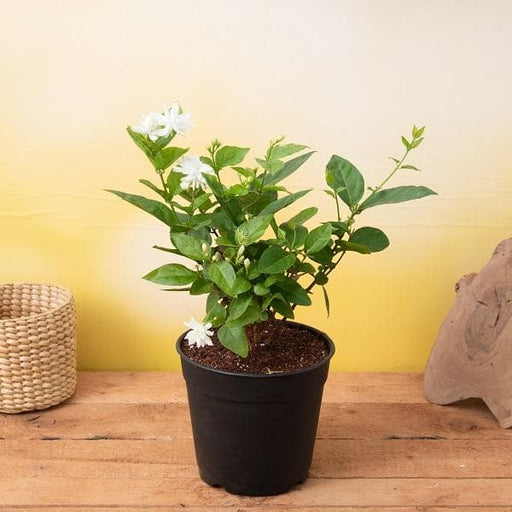
View full detailsJasminum sambac, Mogra, Arabian Jasmine - Plant Jasminum sambac, commonly known as Mogra or Arabian Jasmine, is a fragrant flowering plant...
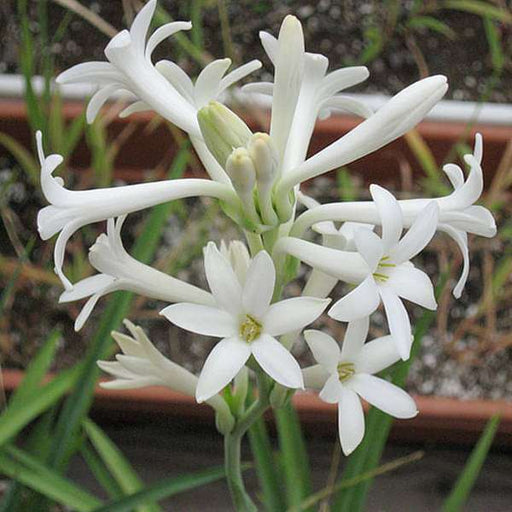
View full detailsRajnigandha, Tuberose - Plant The Rajnigandha, scientifically known as Polianthes tuberosa, is a captivating perennial plant renowned for ...
View full detailsCitronella, Odomas - Plant The Citronella plant, scientifically known as Cymbopogon nardus, is a tropical grass renowned for its aromatic ...
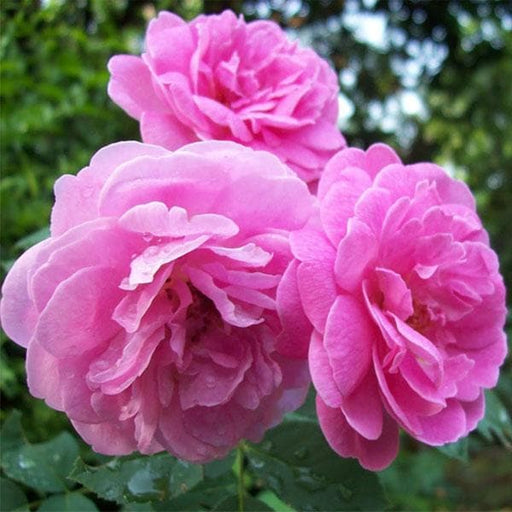
View full detailsDamascus Rose, Scented Rose (Any Color) - Plant The Damascus Rose, also known as Rosa damascena, is a timeless symbol of beauty and romanc...
View full detailsMiniature Rose, Button Rose (Any Color) - Plant The Miniature Rose, also known as the Button Rose, is a charming and compact flowering plant that ...
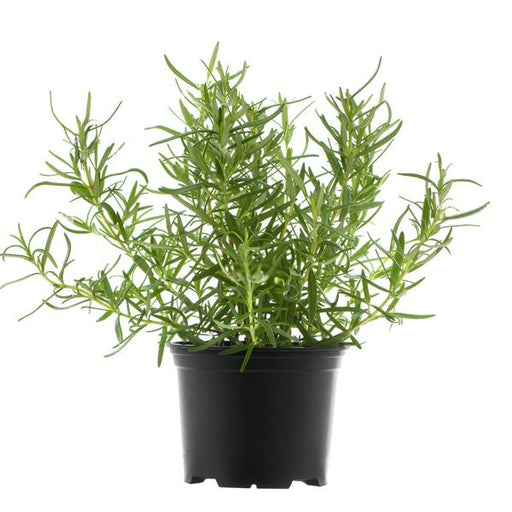
View full detailsRosemary - Plant Rosemary (Rosmarinus officinalis) is a fragrant evergreen herb native to the Mediterranean region. Known for its needle-like leav...
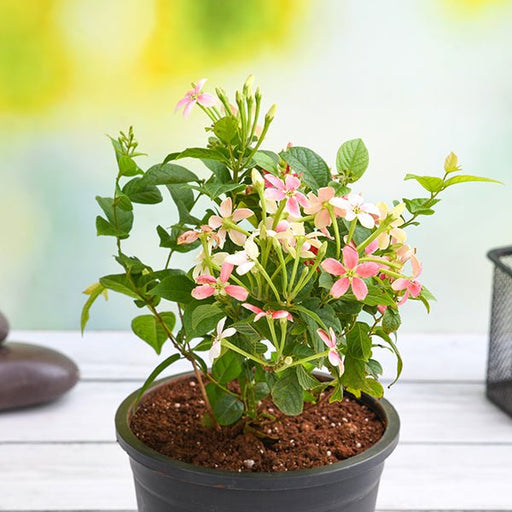
View full detailsMadhumalti Dwarf, Rangoon Creeper - Plant The Madhumalti Dwarf, also known as the Rangoon Creeper (Quisqualis indica), is a stunning perennial vin...
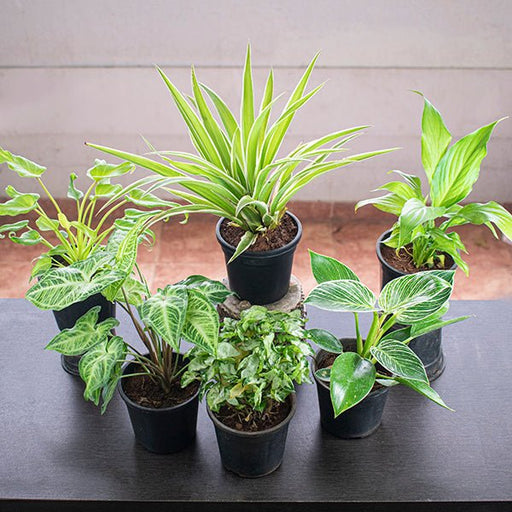
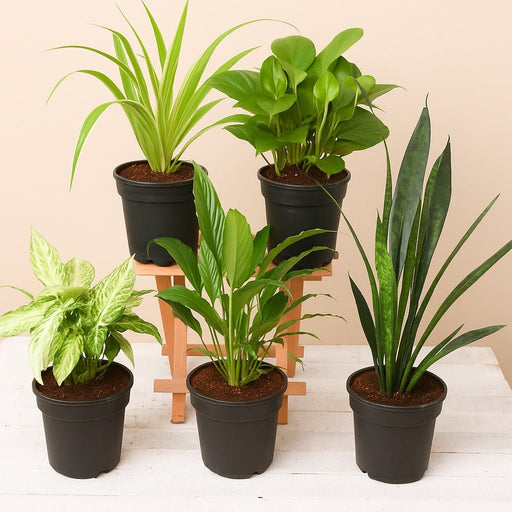
View full detailsBest 6 Plants for Perfect Indoor Garden Transform your living space into a lush oasis with our curated collection of the Best 6 Plants for a...
View full detailsBest 6 Plants for Perfect Indoor Garden Transform your living space into a lush oasis with our curated collection of the Best 6 Plants for a...
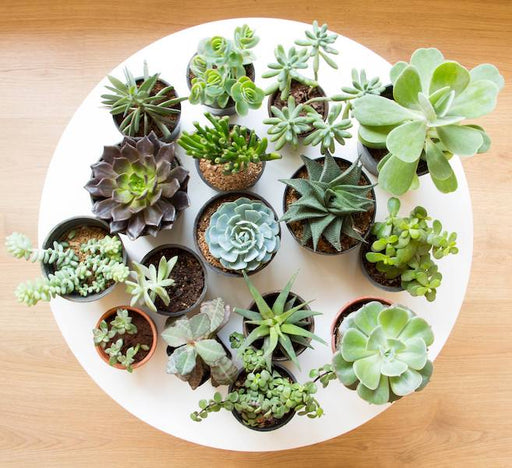
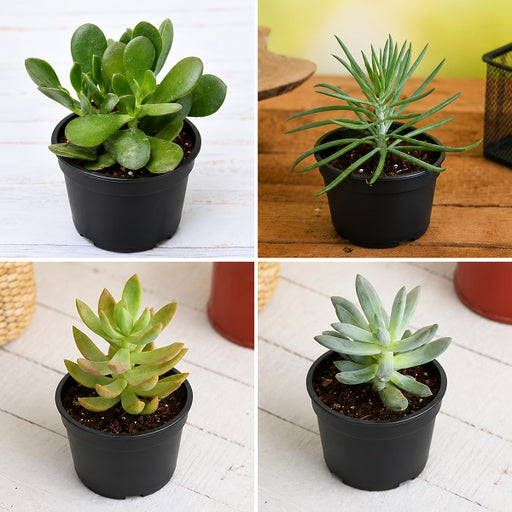
View full detailsMini Succulent Garden Pack Transform your space with our Mini Succulent Garden Pack, featuring a delightful collection of 4 any variety beautiful s...
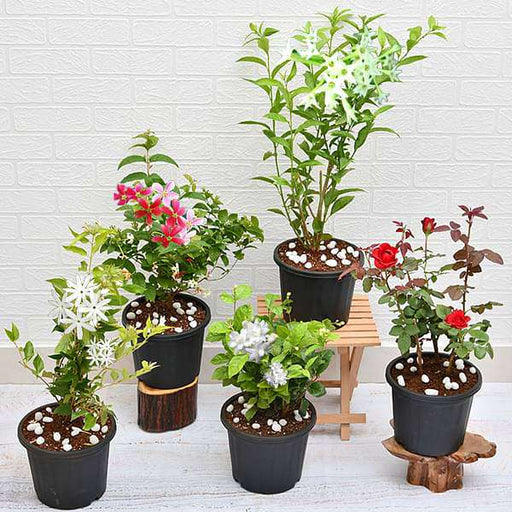
View full details5 Best Fragrant Plants Transform your garden or indoor space into a fragrant paradise with our curated selection of the 5 Best Fragrant Plants. Th...
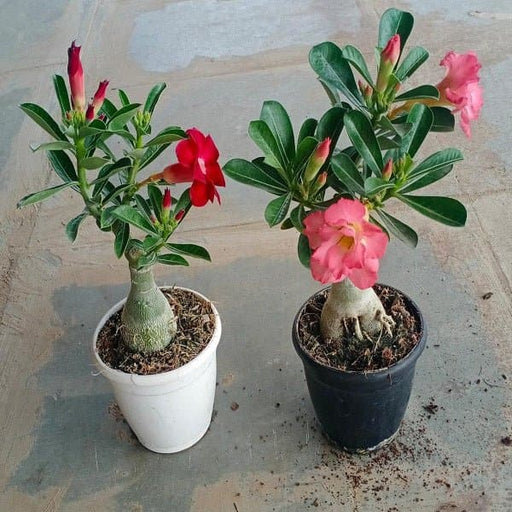
View full detailsSet of 2 Bonsai Looking Grafted Adeniums Transform your indoor or outdoor space with our exquisite Set of 2 Bonsai Looking Grafted Adenium...
View full detailsTop 4 Die Hard Succulents Pack Note: Plants included in this pack will be delivered in a 3-inch nursery pot (any color). Transform your indoor or ...
View full details5 Best Indoor Plants Pack Transform your living space into a lush oasis with our '5 Best Indoor Plants Pack.' This carefully curated collection fe...
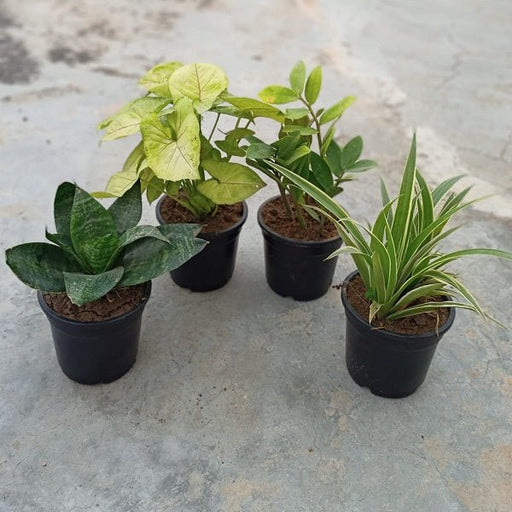
View full detailsSet of 4 Evergreen Air Purifier Plant Pack Transform your indoor space into a lush, green oasis with our Set of 4 Evergreen Air Purifier Pla...
View full detailsTop 5 Pollution Killer Plants Pack Transform your living space into a breath of fresh air with our 'Top 5 Pollution Killer Plants Pack'. This care...
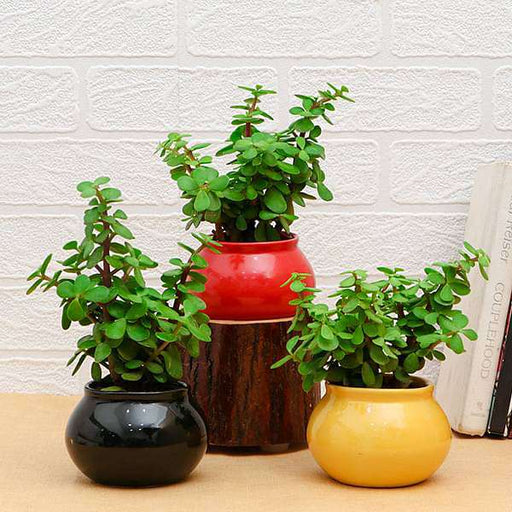
View full detailsPack of 3 Good Luck Jade Plants in Ceramic Pots Bring a touch of nature into your home with our Pack of 3 Good Luck Jade Plants, featuring...
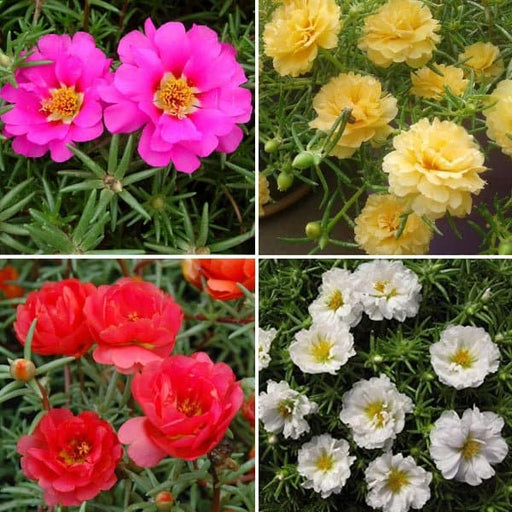
View full detailsPortulaca Garden Pack (4 Plants + 4 Black Pots) Note- You will get any color (Assorted) potted Porulaca plant with this pack. Transform your garde...
View full details






Leave a comment