
Expert Support
Available 24/7 via chat
Available 24/7 via chat
If you're looking for a flowering shrub that delivers brilliant orange blooms year-round without demanding constant attention, Tecoma (Cape Honeysuckle) is your answer. Known locally as Ginger Thomas, this hardy perennial thrives in Indian heat and monsoons, making it ideal for patios, terraces, and balconies. Whether you're a seasoned gardener or just starting out, Tecoma's easy-care nature and stunning summer display make it one of the most rewarding plants to grow. This guide will walk you through everything you need to keep your Tecoma flourishing.
Tecoma, belonging to the Bignoniaceae family, is a tropical shrub prized for its vibrant orange trumpet-shaped flowers. It goes by several common names across India—Cape Honeysuckle, Yellow Trumpetbush, Yellow Bells, Yellow Elder, and Ginger Thomas—but the result is the same: a generous, sun-loving plant that rewards minimal effort with maximum blooms. When young (as you'll receive it, around 12 inches tall with a 5-inch spread), Tecoma is a compact container plant perfect for balcony gardens. Over time, it can reach 2–3 meters, making it ideal for larger spaces, mixed borders, or trained as a specimen shrub. The real magic happens year-round: Tecoma flowers continuously, delivering bright orange color even during India's challenging hot season.
| Care Aspect | Details |
|---|---|
| Light | 3–6 hours of morning sunlight; natural bright light |
| Watering | 4 cups (~200ml) when top 1–2 inches of soil feel dry |
| Soil | Well-drained, fertile, rich in organic matter |
| Temperature | 20–30°C (optimal range for Indian climates) |
| Fertilizer | Organic fertilizer once monthly |
Tecoma is a sun-lover, and this is key to its success in India. Position your plant where it receives 3–6 hours of morning sunlight daily—this gentle, early light energizes the plant without the harsh intensity of afternoon rays. If you're growing on a south- or west-facing balcony, use a shade cloth during peak summer (April–June) to prevent leaf scorch while maintaining the bright light Tecoma craves. Morning sun is ideal because it helps dry dew and reduces fungal issues during the monsoon season. Even if you only have natural bright, indirect light, Tecoma will survive and flower, but blooms will be less abundant. Aim for at least morning sun for best results.
One of Tecoma's greatest strengths is its modest water requirement. Apply approximately 4 cups (around 200ml) of water only when the top 1–2 inches of soil feel dry to the touch. This approach prevents the overwatering that kills most houseplants. In summer and spring, when growth is active, you may water every 4–5 days. During monsoon, reduce frequency dramatically—the atmospheric moisture and rainfall will support the plant, and overwatering in humidity promotes root rot. In winter, when growth slows, water sparingly, only when soil noticeably dries. Use filtered or rainwater if your tap water is hard (common in many Indian cities); hard water can leave mineral deposits on leaves and soil over time. Always ensure your pot has drainage holes, and never let Tecoma sit in stagnant water.
Tecoma thrives in well-drained, fertile soil rich in organic matter. If using regular potting soil, amend it with 20–30% compost or aged vermicompost to boost organic content and improve water retention while maintaining drainage. A good mix might be: potting soil + cocopeat (or peat moss) + compost in equal parts. Ensure your pot has adequate drainage holes. Fertilizing is straightforward: apply organic fertilizer once monthly during the growing season (March–October). Organic options—like neem cake, fish emulsion, or balanced compost—work beautifully without the salt buildup that synthetic fertilizers can cause. In winter months, skip fertilizing, as growth naturally slows. If blooms start fading, it may signal nutrient depletion; increase organic matter in the soil or give an extra feeding.
Tecoma performs best between 20–30°C, a range that aligns perfectly with most Indian climates outside extreme winters. It's heat-tolerant and actually thrives during India's hot season, unlike many delicate houseplants. Humidity isn't a major concern; Tecoma adapts to the drier conditions of terrace gardens and the higher moisture of monsoon seasons equally well. However, during the oppressive pre-monsoon season (May–June), increase air circulation around the plant—a small fan or natural breeze helps prevent fungal issues. If winter temperatures in your region drop below 15°C (common in northern India), bring potted Tecoma indoors or wrap containers in cloth to protect roots. The plant won't die in cold, but growth will pause until warmth returns.
Expand your Tecoma collection through semi-hardwood cuttings, the easiest propagation method. In spring or early monsoon (April–June), take 4–6 inch cuttings from new growth. Remove lower leaves, dip the cut end in rooting hormone (optional but helpful), and insert into moist, well-draining propagation soil (peat + perlite mix works well). Cover with a clear plastic bag to maintain humidity, and place in bright, indirect light. Roots typically develop in 2–3 weeks. Once rooted, gradually acclimate the new plant to normal conditions before potting individually. Seed propagation is also possible but slower; use fresh seeds sown in moist soil in spring, keeping them warm (25–28°C) and in bright light until germination occurs in 2–4 weeks.
Tecoma is remarkably pest-resistant, but watch for spider mites and mealybugs during hot, dry spells—spray affected areas with dilute neem oil solution. If leaves yellow despite adequate light and consistent watering, check for overwatering or poor drainage; repot if soil is waterlogged. Brown, crispy leaf edges signal either hard water mineral accumulation or underwatering; switch to filtered water and ensure consistent soil moisture. Leaf drop in winter is natural and not a concern. If your plant stops blooming, it's usually due to insufficient light or excessive nitrogen fertilizer; reduce nitrogen and increase bright light exposure. Fungal leaf spots may appear during the monsoon if air circulation is poor; increase spacing, prune dense foliage, and avoid wetting leaves during watering.
Ready to grow your own? Shop Tecoma at Nurserylive →
Tecoma (Shrub, Orange) - Plant The Tecoma shrub, known for its vibrant orange flowers, is a stunning addition to any garden or landscape. This har...
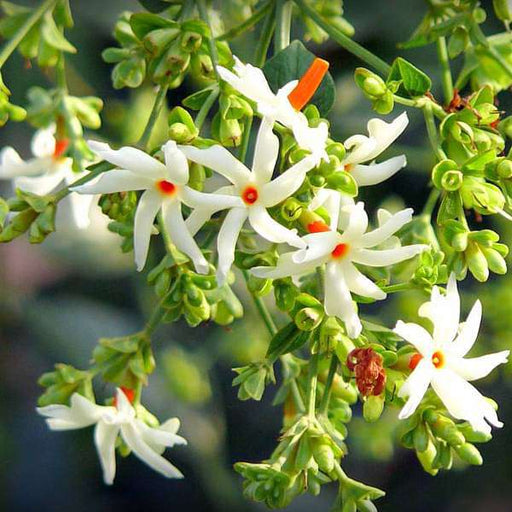
View full detailsCombo Constituents Includes the Parijat Tree (Night-Flowering Jasmine), a culturally significant plant with fragrant flowers. Description The Pari...
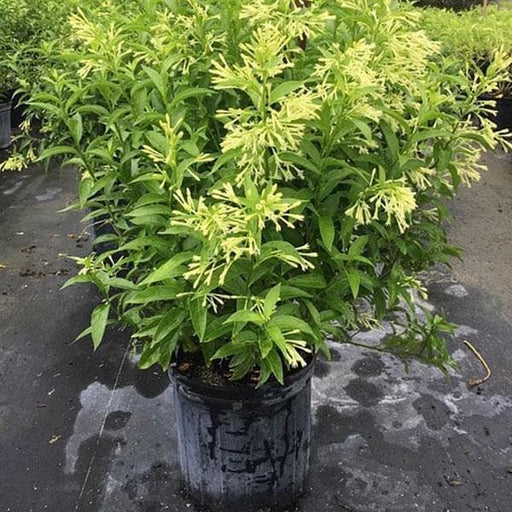
View full detailsDescription Raat Ki Rani (*Cestrum nocturnum*), also known as Night Blooming Jasmine, is a fragrant shrub native to the Caribbean and Central Ameri...
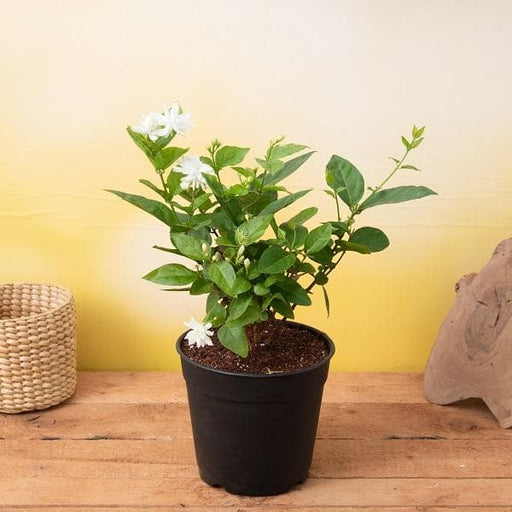
View full detailsJasminum sambac, Mogra, Arabian Jasmine - Plant Jasminum sambac, commonly known as Mogra or Arabian Jasmine, is a fragrant flowering plant...
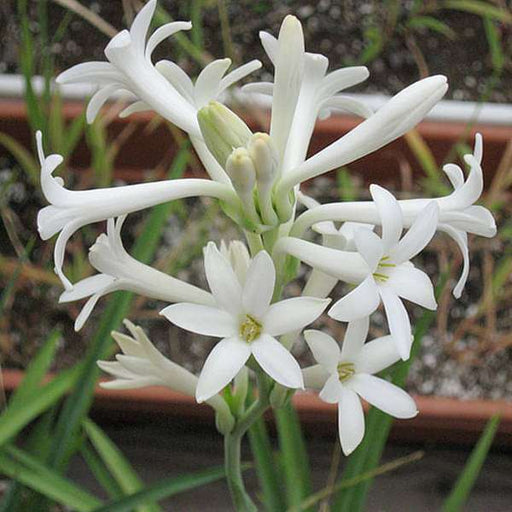
View full detailsRajnigandha, Tuberose - Plant The Rajnigandha, scientifically known as Polianthes tuberosa, is a captivating perennial plant renowned for ...
View full detailsCitronella, Odomas - Plant The Citronella plant, scientifically known as Cymbopogon nardus, is a tropical grass renowned for its aromatic ...
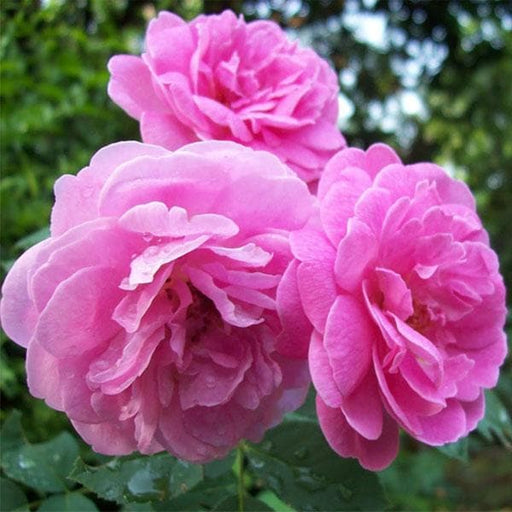
View full detailsDamascus Rose, Scented Rose (Any Color) - Plant The Damascus Rose, also known as Rosa damascena, is a timeless symbol of beauty and romanc...
View full detailsMiniature Rose, Button Rose (Any Color) - Plant The Miniature Rose, also known as the Button Rose, is a charming and compact flowering plant that ...
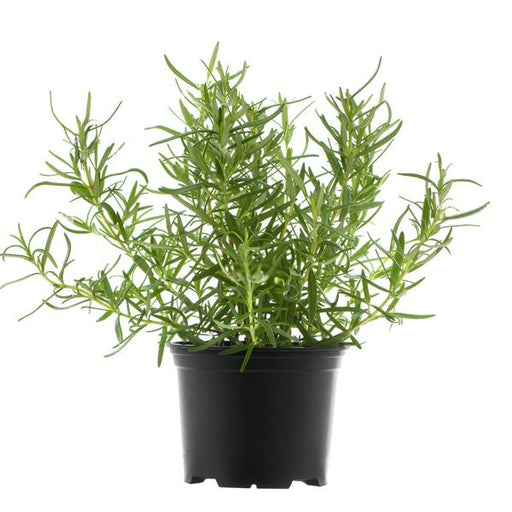
View full detailsRosemary - Plant Rosemary (Rosmarinus officinalis) is a fragrant evergreen herb native to the Mediterranean region. Known for its needle-like leav...
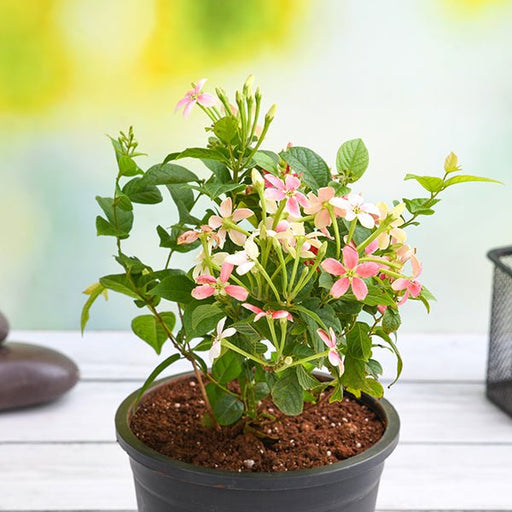
View full detailsMadhumalti Dwarf, Rangoon Creeper - Plant The Madhumalti Dwarf, also known as the Rangoon Creeper (Quisqualis indica), is a stunning perennial vin...
View full detailsBest 6 Plants for Perfect Indoor Garden Transform your living space into a lush oasis with our curated collection of the Best 6 Plants for a...
View full detailsBest 6 Plants for Perfect Indoor Garden Transform your living space into a lush oasis with our curated collection of the Best 6 Plants for a...
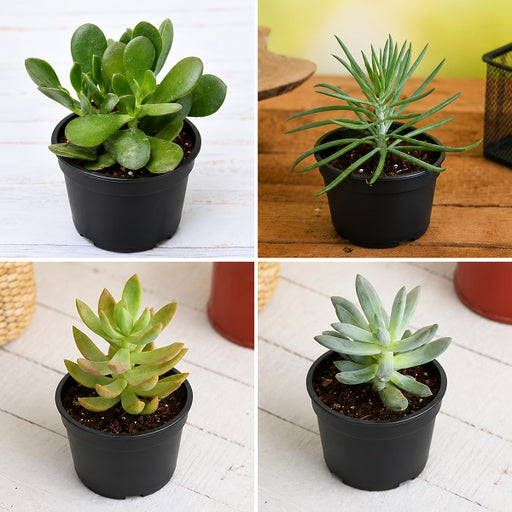
View full detailsMini Succulent Garden Pack Transform your space with our Mini Succulent Garden Pack, featuring a delightful collection of 4 any variety beautiful s...
View full details5 Best Fragrant Plants Transform your garden or indoor space into a fragrant paradise with our curated selection of the 5 Best Fragrant Plants. Th...
View full detailsSet of 2 Bonsai Looking Grafted Adeniums Transform your indoor or outdoor space with our exquisite Set of 2 Bonsai Looking Grafted Adenium...
View full detailsTop 4 Die Hard Succulents Pack Note: Plants included in this pack will be delivered in a 3-inch nursery pot (any color). Transform your indoor or ...
View full details5 Best Indoor Plants Pack Transform your living space into a lush oasis with our '5 Best Indoor Plants Pack.' This carefully curated collection fe...
View full detailsSet of 4 Evergreen Air Purifier Plant Pack Transform your indoor space into a lush, green oasis with our Set of 4 Evergreen Air Purifier Pla...
View full detailsTop 5 Pollution Killer Plants Pack Transform your living space into a breath of fresh air with our 'Top 5 Pollution Killer Plants Pack'. This care...
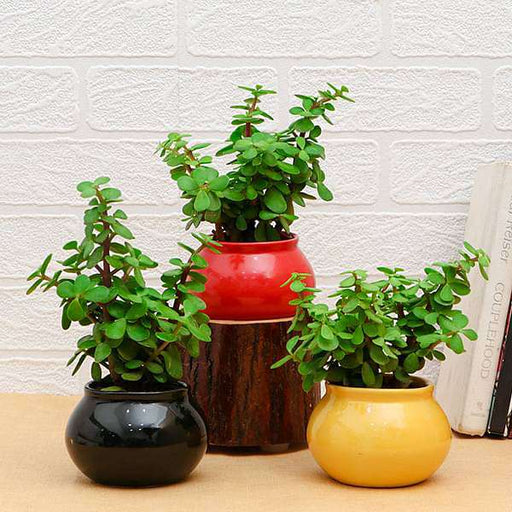
View full detailsPack of 3 Good Luck Jade Plants in Ceramic Pots Bring a touch of nature into your home with our Pack of 3 Good Luck Jade Plants, featuring...
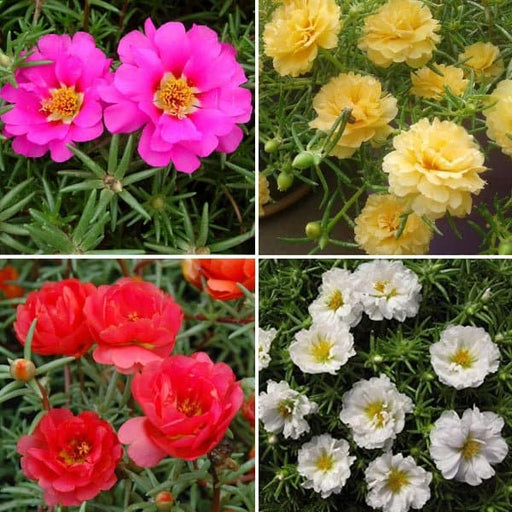
View full detailsPortulaca Garden Pack (4 Plants + 4 Black Pots) Note- You will get any color (Assorted) potted Porulaca plant with this pack. Transform your garde...
View full details












Leave a comment