
Expert Support
Available 24/7 via chat
Available 24/7 via chat
The table palm is one of India's most forgiving houseplants—a compact, architectural beauty that thrives in homes with varying light conditions. Whether you're a first-time plant parent or a seasoned gardener, this tropical gem fits naturally into any interior, bringing air-purifying benefits and effortless elegance to your living space. In its young form, it's perfectly sized for desks and shelves at just 16 inches tall, yet it has the genetic potential to reach up to 12 meters in ideal outdoor conditions, making it a long-term companion that grows with your confidence.
The table palm—also known by its charming aliases of footstool palm, round leaf fan palm, and serdang—belongs to a group of tropical palms that have adapted remarkably well to Indian homes. Its defining feature is its elegant, fan-shaped fronds that radiate outward, creating a natural architectural statement even at its compact 6-inch spread. The plant produces delicate yellow flowers during spring in ideal growing conditions, though this is a rare occurrence indoors. What makes the table palm genuinely special is its dual personality: it tolerates low-light corners that would challenge most plants, yet it also responds enthusiastically to brighter conditions with more vigorous growth. This flexibility is why it consistently earns the "beginner-friendly" label—it forgives neglect better than most houseplants.
Beyond aesthetics, the table palm actively purifies indoor air, removing common toxins and improving the microclimate around your workspace or bedroom. Indian gardeners particularly appreciate its resilience in urban apartments where light and humidity can be unpredictable.
| Aspect | Details |
|---|---|
| Light | 3–6 hours morning sunlight daily plus indirect bright light |
| Water | Check top 1–2 inches of soil; water only when dry to touch |
| Soil | Well-drained, fertile, organic-rich; pH 6.5–7.5 |
| Temperature | 25–35°C (ideal range) |
The table palm is genuinely low-light tolerant, which makes it ideal for Indian homes where interior spaces may not receive direct sun. However, the plant performs its absolute best with a balanced light regimen: provide 3 to 6 hours of preferably morning sunlight daily, followed by indirect bright light for the rest of the day.
Morning sun is gentler than afternoon heat and won't scorch the soft, delicate fronds, especially during peak summer months when temperatures in India regularly exceed 40°C. If your home receives only dappled light or light from north-facing windows, the table palm will still survive and maintain its green color, but growth will slow noticeably. For optimal results, place it near an east-facing window or in a bright corner where it catches ambient daylight without harsh direct rays. If you notice fronds yellowing or drooping, insufficient light is often the culprit—try moving it slightly closer to your brightest window.
Overwatering is the primary reason houseplants fail in Indian homes, and the table palm is no exception. The key to success is simple: before you water, always check the soil. Poke your finger or a small stick 1 to 2 inches into the soil around the base of the plant. If it feels dry to the touch, it's time to water. If the soil still feels moist, hold off—even if it's been several days since your last watering.
During India's hot months (March through June), the soil may dry faster and require more frequent watering, perhaps every 4–5 days depending on your pot size and location. During monsoon season (June–September), rainfall and humidity may reduce watering needs significantly—check soil moisture more frequently in these months to avoid waterlogging. In cooler months, watering frequency drops further.
Always use room-temperature water. If you're in a hard-water region of India (common in many urban areas), consider allowing tap water to sit overnight before using it, or collect rainwater during the monsoon—this reduces mineral buildup that can eventually harm the roots and leaves.
The table palm demands well-drained, fertile soil enriched with organic matter. A blend of potting soil, coarse sand or perlite (for drainage), and aged compost works excellently. The ideal pH range is 6.5 to 7.5—slightly acidic to neutral. If you're unsure about your soil pH, most garden centers in Indian cities can test it inexpensively.
Feeding should align with the plant's natural growing season. The main growing season in India is June and July (monsoon), when increased moisture and warmth trigger active growth. During this period, apply organic fertilizer every 3–4 weeks. Neem-based or bone-meal fertilizers are excellent choices and are readily available across India. In other seasons, reduce feeding or apply a diluted solution monthly. Avoid over-fertilizing, which can cause salt accumulation in the soil and brown leaf tips.
The table palm thrives in temperatures between 25 and 35°C—a range that matches most of India's typical indoor and warm outdoor conditions. This is the sweet spot where growth is vigorous and the plant looks its most vibrant.
While the table palm can tolerate temperatures slightly below 25°C for short periods, it dislikes cold drafts and sudden temperature drops. If you place it outdoors during hot months, shield it from harsh afternoon sun and strong winds that can dry the fronds rapidly. During winter months in colder regions of India (northern states, hill stations), move potted table palms away from air-conditioning vents and windows where cold air might reach them.
Humidity is less critical for the table palm than for some tropical plants, but it appreciates moderate to high humidity levels. In dry indoor environments or during hot, dry pre-monsoon months, mist the fronds occasionally with water using a spray bottle. This not only increases humidity but also removes dust, allowing the leaves to photosynthesize more efficiently and maintain their lustrous appearance.
The table palm can be propagated from seeds or by dividing established clumps at the base. Seed propagation requires patience—soak seeds in warm water for 24 hours before sowing in a humid seedling mix, and germination can take 6–8 weeks. For faster results, if your mature plant has developed multiple stems or basal shoots, carefully separate these with a sharp, sterilized knife, ensuring each division has roots attached. Plant divisions in fresh, well-draining soil and keep moderately moist until new growth appears, typically within 2–3 weeks.
Ready to grow your own? Shop Table palm at Nurserylive →
Table Palm, Umbrella Palm - Plant The Table Palm, also known as the Umbrella Palm (Cyperus alternifolius), is a striking aquatic plant tha...
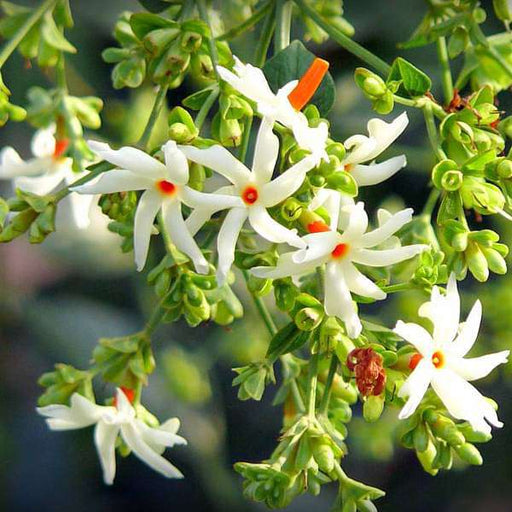
View full detailsCombo Constituents Includes the Parijat Tree (Night-Flowering Jasmine), a culturally significant plant with fragrant flowers. Description The Pari...
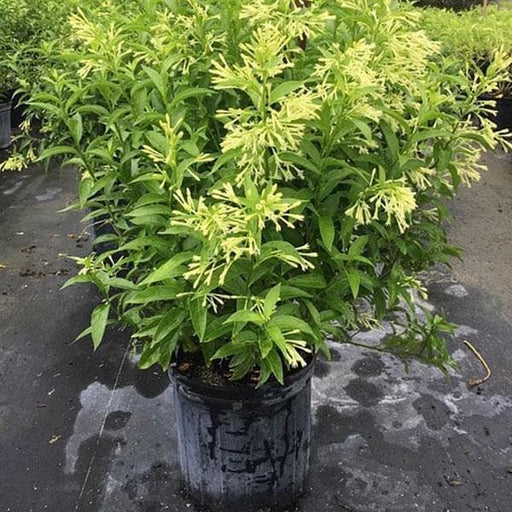
View full detailsDescription Raat Ki Rani (*Cestrum nocturnum*), also known as Night Blooming Jasmine, is a fragrant shrub native to the Caribbean and Central Ameri...
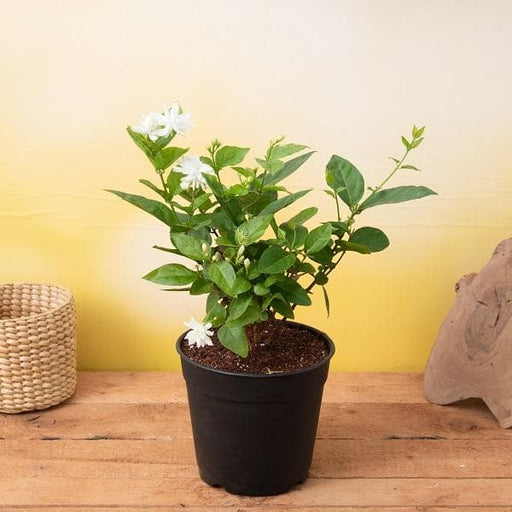
View full detailsJasminum sambac, Mogra, Arabian Jasmine - Plant Jasminum sambac, commonly known as Mogra or Arabian Jasmine, is a fragrant flowering plant...
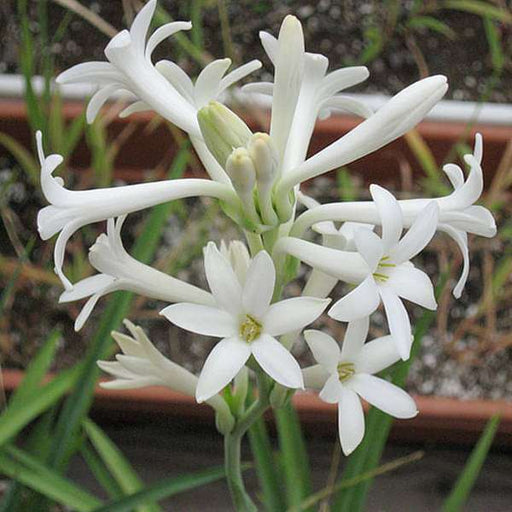
View full detailsRajnigandha, Tuberose - Plant The Rajnigandha, scientifically known as Polianthes tuberosa, is a captivating perennial plant renowned for ...
View full detailsCitronella, Odomas - Plant The Citronella plant, scientifically known as Cymbopogon nardus, is a tropical grass renowned for its aromatic ...
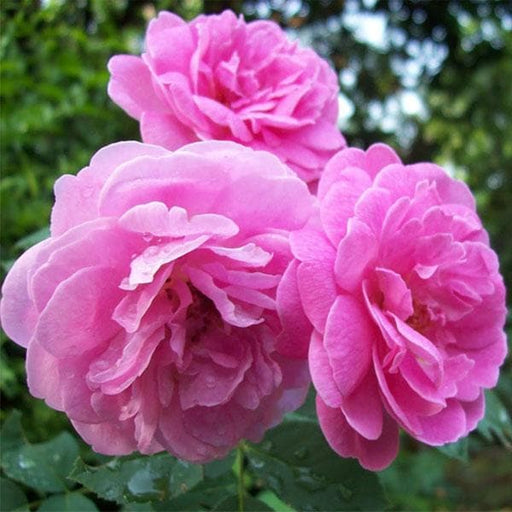
View full detailsDamascus Rose, Scented Rose (Any Color) - Plant The Damascus Rose, also known as Rosa damascena, is a timeless symbol of beauty and romanc...
View full detailsMiniature Rose, Button Rose (Any Color) - Plant The Miniature Rose, also known as the Button Rose, is a charming and compact flowering plant that ...
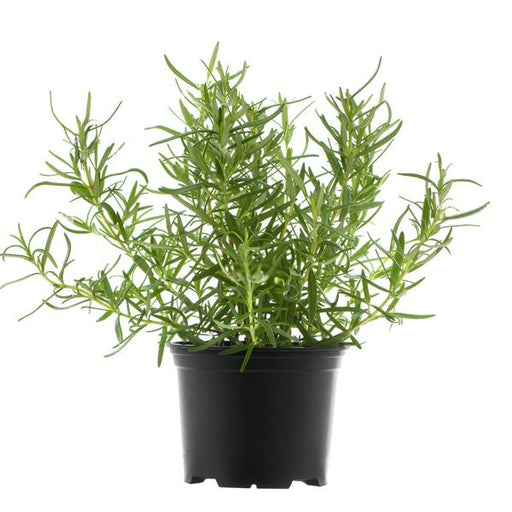
View full detailsRosemary - Plant Rosemary (Rosmarinus officinalis) is a fragrant evergreen herb native to the Mediterranean region. Known for its needle-like leav...
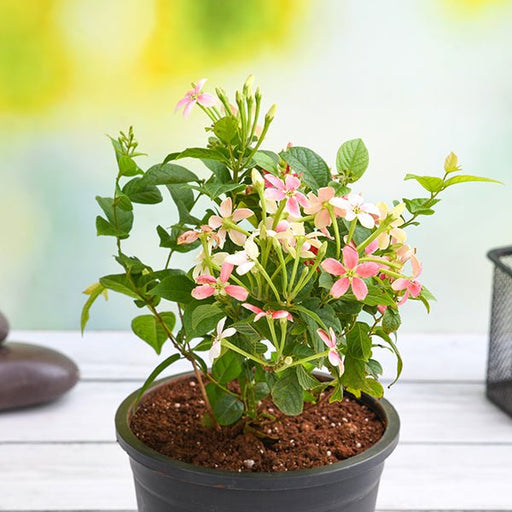
View full detailsMadhumalti Dwarf, Rangoon Creeper - Plant The Madhumalti Dwarf, also known as the Rangoon Creeper (Quisqualis indica), is a stunning perennial vin...
View full detailsBest 6 Plants for Perfect Indoor Garden Transform your living space into a lush oasis with our curated collection of the Best 6 Plants for a...
View full detailsBest 6 Plants for Perfect Indoor Garden Transform your living space into a lush oasis with our curated collection of the Best 6 Plants for a...
View full detailsMini Succulent Garden Pack Transform your space with our Mini Succulent Garden Pack, featuring a delightful collection of 4 any variety beautiful s...
View full details5 Best Fragrant Plants Transform your garden or indoor space into a fragrant paradise with our curated selection of the 5 Best Fragrant Plants. Th...
View full detailsSet of 2 Bonsai Looking Grafted Adeniums Transform your indoor or outdoor space with our exquisite Set of 2 Bonsai Looking Grafted Adenium...
View full detailsTop 4 Die Hard Succulents Pack Note: Plants included in this pack will be delivered in a 3-inch nursery pot (any color). Transform your indoor or ...
View full details5 Best Indoor Plants Pack Transform your living space into a lush oasis with our '5 Best Indoor Plants Pack.' This carefully curated collection fe...
View full detailsSet of 4 Evergreen Air Purifier Plant Pack Transform your indoor space into a lush, green oasis with our Set of 4 Evergreen Air Purifier Pla...
View full detailsTop 5 Pollution Killer Plants Pack Transform your living space into a breath of fresh air with our 'Top 5 Pollution Killer Plants Pack'. This care...
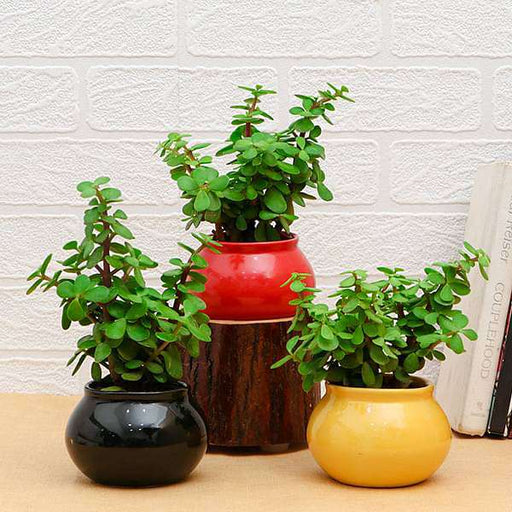
View full detailsPack of 3 Good Luck Jade Plants in Ceramic Pots Bring a touch of nature into your home with our Pack of 3 Good Luck Jade Plants, featuring...
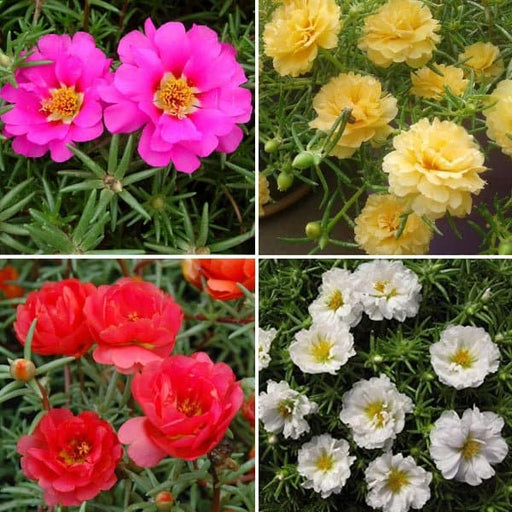
View full detailsPortulaca Garden Pack (4 Plants + 4 Black Pots) Note- You will get any color (Assorted) potted Porulaca plant with this pack. Transform your garde...
View full details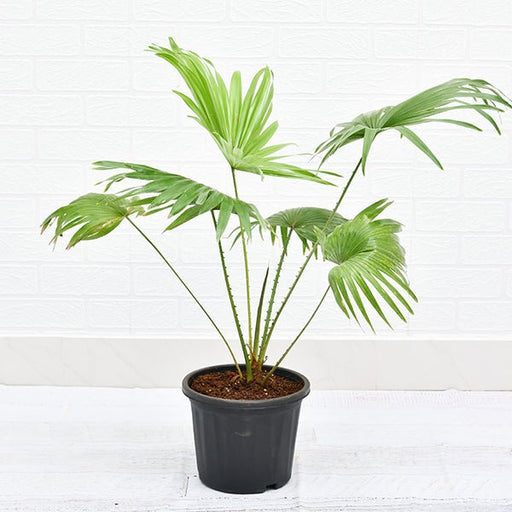













Leave a comment