
Expert Support
Available 24/7 via chat
Available 24/7 via chat
Strawberries hold a special place in Indian home gardens. Unlike many fruits that demand space or complex care, strawberries are pot-friendly champions that produce sweet, juicy berries from your terrace or balcony. Whether you live in Delhi's cold winters, Mumbai's shaded balconies, or Bangalore's mild highlands, strawberries reward even novice gardeners with abundant harvests. As a winter-season grower and perennial producer, a single plant can give you multiple years of production—making it an investment that truly pays back.
The strawberry plant is a low-growing herbaceous perennial that reaches a maximum height of 18–24 inches, making it perfect for restricted spaces. Each plant produces delicate white flowers that appear during the cooler months, followed by the bright red berries we all love. What makes the Nurserylive grafted variety special is its high-yield nature—you'll get more berries per plant compared to standard varieties, and it matures faster. Because it's a winter grower, it's ideally suited to Indian climates where summers are harsh and strawberries naturally prefer the cool season (around 15°C is the sweet spot). The variety's perennial nature means your plant will keep producing for several years, though productivity peaks in the first 2–3 years.
| Factor | Requirement |
|---|---|
| Light | Full Sun (6–8 hours daily) |
| Water | Keep soil moist; avoid waterlogging |
| Soil | Slightly acidic (pH 5.5–6.8), well-draining |
| Temperature | Optimal at 15°C; avoid heat stress above 30°C |
Strawberries demand full sun to produce sweet, full-flavored berries. Provide at least 6–8 hours of unobstructed sunlight daily. In India, this is most easily achieved during the winter months (October to March) when the sun is lower and less intense. If you're gardening in a warm region like Gujarat or Rajasthan, morning sun with afternoon shade during peak summer can prevent heat stress. North-facing or east-facing balconies are ideal in hot regions, while south-facing balconies work well in cooler highland areas. Insufficient light leads to more runners and fewer berries, so prioritize a sunny spot even if you have to rotate pots seasonally.
Strawberries prefer consistently moist soil—never bone-dry, but never waterlogged. During the active growing season (October through May), water whenever the top 1 inch of soil feels dry to the touch. In pots, this typically means watering every 2–3 days in cool weather, more frequently during dry spells. If you're using hard water (common in many Indian cities), water may accumulate salts over time; flush the pot with extra water once a month to prevent salt buildup. During the monsoon, reduce watering significantly and ensure excellent drainage to prevent fungal issues. A drip irrigation setup or soaker hose is ideal for consistent moisture without overhead watering, which can encourage leaf diseases.
Strawberries are particular about soil chemistry. They thrive in slightly acidic soil with a pH between 5.5 and 6.8. If you're using tap water in a hard-water region, the soil can drift toward alkalinity over time; test your soil pH every 6 months using an inexpensive kit from a local nursery. Use a premium potting mix amended with peat moss or coconut coir to achieve the right acidity and drainage. For fertilizing, apply any organic fertilizer every 3–4 weeks during the growing season (October–May). Well-composted vermicompost, neem-based organic fertilizers, or a balanced organic blend work excellently. Avoid high-nitrogen formulas, which promote leaf growth over fruit production. Organic matter also helps retain moisture and improves the plant's resilience to Indian climate stress.
The optimal temperature for strawberry growth is around 15°C—a benchmark that defines why strawberries are winter growers in India. Most Indian regions experience this range from November through February. In warmer months, temperatures above 30°C slow flowering and berry ripening, and can trigger runner production instead of fruit. This is why the winter-season grower designation is crucial for Indian gardeners: plant in September–October and expect peak production from December through March. In very hot regions, move pots to shaded or semi-shaded areas during summer and wait for cooler weather to resume harvesting. Humidity is less critical, but avoid extreme dryness; dry air combined with heat stress weakens the plant. If you're in a very dry region like Delhi or Jaipur, mulching with straw helps retain soil moisture and regulates temperature around the roots.
Strawberries reproduce via runners—long stems that emerge from the mother plant and develop their own roots and leaves. To propagate, allow 2–3 healthy runners to remain on the plant. Peg them into small pots filled with moist potting mix while still attached to the mother plant. Once they develop roots (in 3–4 weeks), snip the runner and grow the plantlet independently. Alternatively, you can start strawberries from seeds, though this is slower and the resulting plants are less uniform than grafted varieties. Seed propagation takes 4–5 months to flowering, whereas runner propagation gives you fruit-ready plants in 2–3 months. Most Indian gardeners prefer runners because they clone the high-yield traits of the parent plant.
Fungal leaf diseases: Excess humidity or overhead watering in monsoon can trigger leaf spots or powdery mildew. Water at the soil level only, and ensure good air circulation between pots. If spotted, remove affected leaves and spray with a sulfur-based fungicide.
Spider mites: These thrive in hot, dry conditions. Mist the plant lightly with water in the evening, and spray with neem oil if you notice fine webbing or stippled leaves.
Slugs and snails: Common in monsoon; they hide under mulch and eat leaves and fruit. Hand-pick at dawn, or create a beer trap (a shallow dish filled with beer) to attract and drown them.
Wilting in heat: If your plant wilts despite moist soil, it's likely heat stress. Move the pot to a shadier location and increase humidity by misting in the early morning.
Poor fruiting: If you see lots of leaves but few berries, the plant may be getting too much nitrogen or insufficient light. Switch to a lower-nitrogen fertilizer and move the pot to sunnier location.
Ready to grow your own? Shop Strawberry at Nurserylive →
Strawberry Plant The Strawberry Plant (Fragaria × ananassa) is a beloved perennial that produces sweet, juicy berries, making it a favorit...
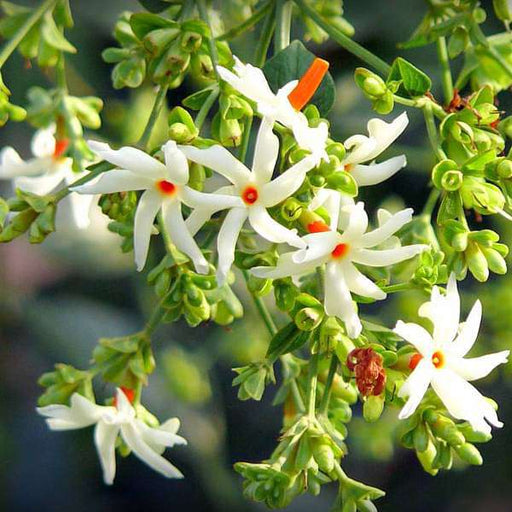
View full detailsCombo Constituents Includes the Parijat Tree (Night-Flowering Jasmine), a culturally significant plant with fragrant flowers. Description The Pari...
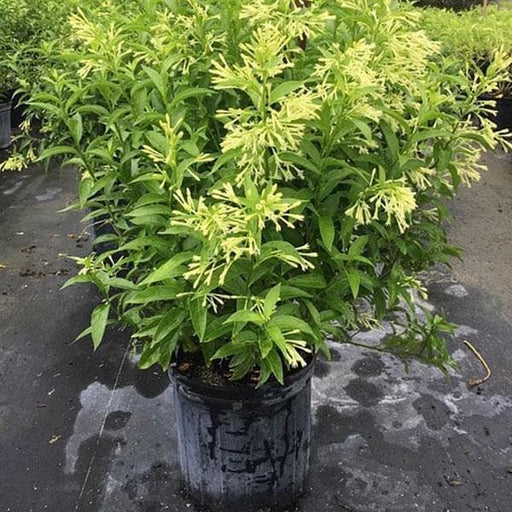
View full detailsDescription Raat Ki Rani (*Cestrum nocturnum*), also known as Night Blooming Jasmine, is a fragrant shrub native to the Caribbean and Central Ameri...
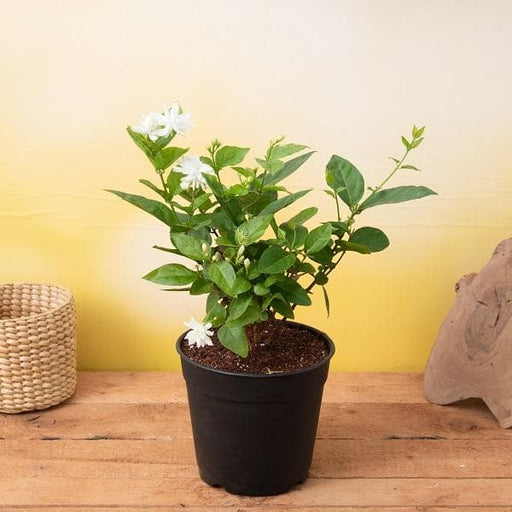
View full detailsJasminum sambac, Mogra, Arabian Jasmine - Plant Jasminum sambac, commonly known as Mogra or Arabian Jasmine, is a fragrant flowering plant...
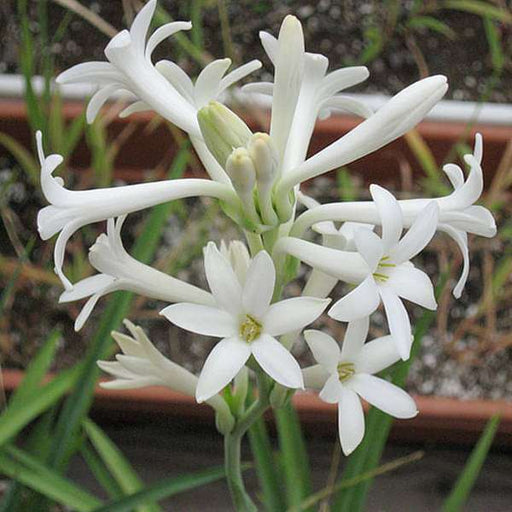
View full detailsRajnigandha, Tuberose - Plant The Rajnigandha, scientifically known as Polianthes tuberosa, is a captivating perennial plant renowned for ...
View full detailsCitronella, Odomas - Plant The Citronella plant, scientifically known as Cymbopogon nardus, is a tropical grass renowned for its aromatic ...
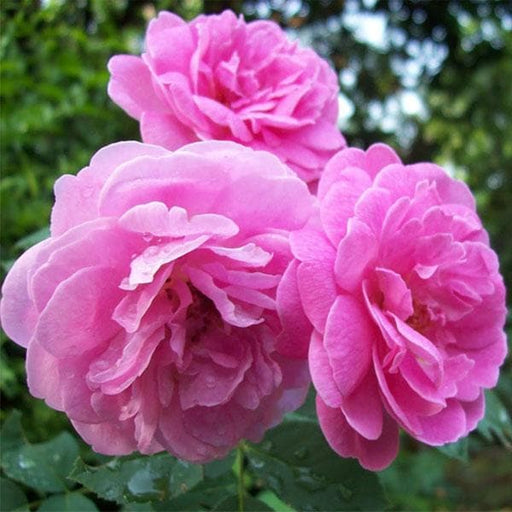
View full detailsDamascus Rose, Scented Rose (Any Color) - Plant The Damascus Rose, also known as Rosa damascena, is a timeless symbol of beauty and romanc...
View full detailsMiniature Rose, Button Rose (Any Color) - Plant The Miniature Rose, also known as the Button Rose, is a charming and compact flowering plant that ...
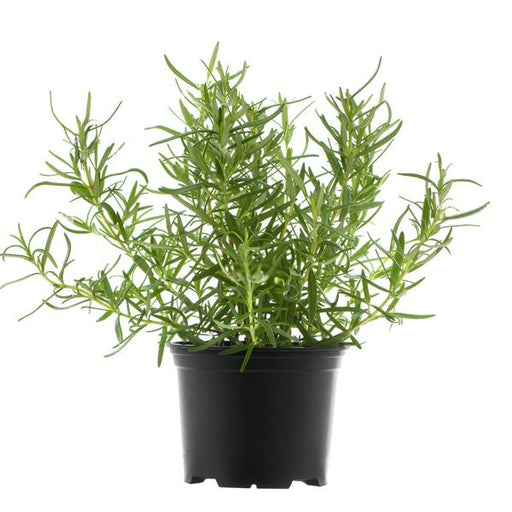
View full detailsRosemary - Plant Rosemary (Rosmarinus officinalis) is a fragrant evergreen herb native to the Mediterranean region. Known for its needle-like leav...
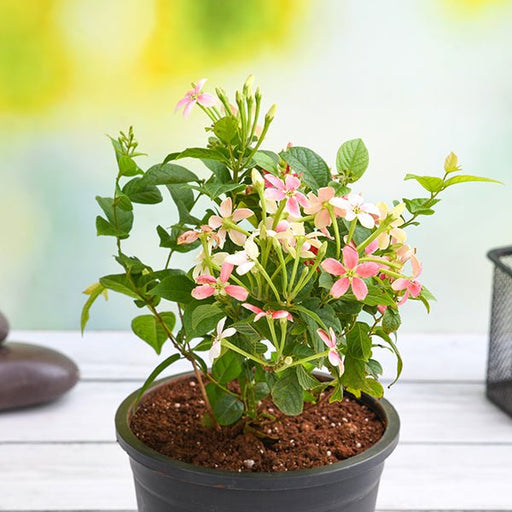
View full detailsMadhumalti Dwarf, Rangoon Creeper - Plant The Madhumalti Dwarf, also known as the Rangoon Creeper (Quisqualis indica), is a stunning perennial vin...
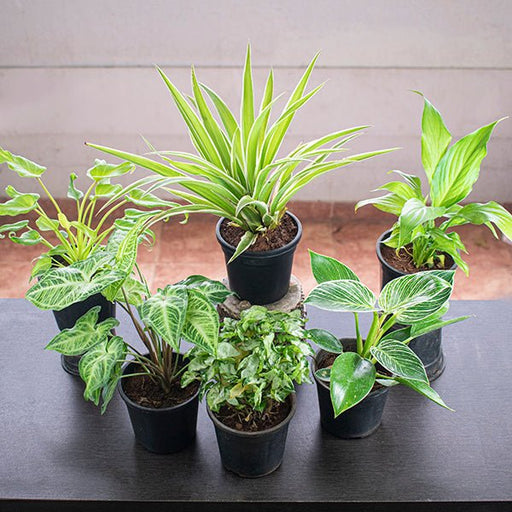
View full detailsBest 6 Plants for Perfect Indoor Garden Transform your living space into a lush oasis with our curated collection of the Best 6 Plants for a...
View full detailsBest 6 Plants for Perfect Indoor Garden Transform your living space into a lush oasis with our curated collection of the Best 6 Plants for a...
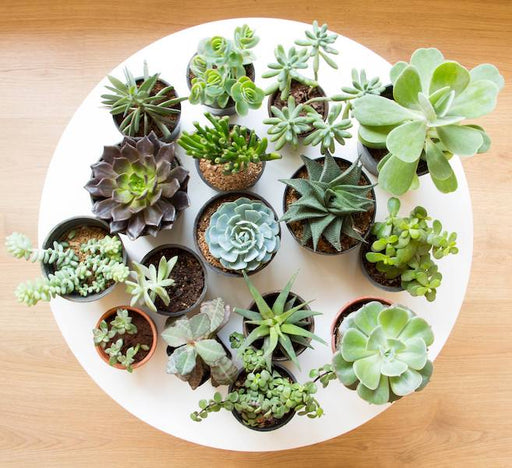
View full detailsMini Succulent Garden Pack Transform your space with our Mini Succulent Garden Pack, featuring a delightful collection of 4 any variety beautiful s...
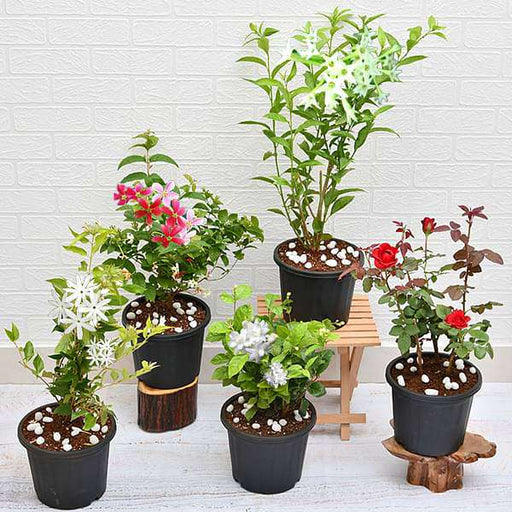
View full details5 Best Fragrant Plants Transform your garden or indoor space into a fragrant paradise with our curated selection of the 5 Best Fragrant Plants. Th...
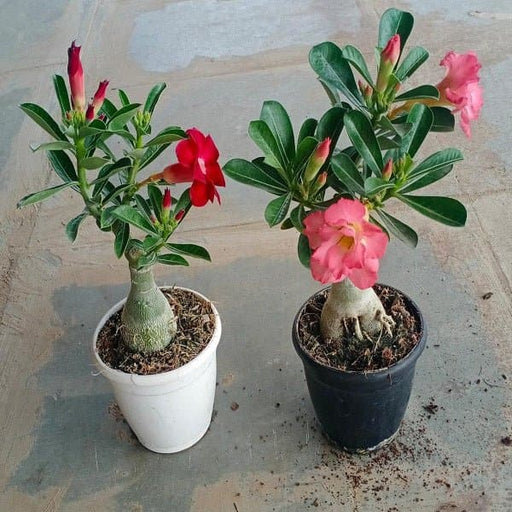
View full detailsSet of 2 Bonsai Looking Grafted Adeniums Transform your indoor or outdoor space with our exquisite Set of 2 Bonsai Looking Grafted Adenium...
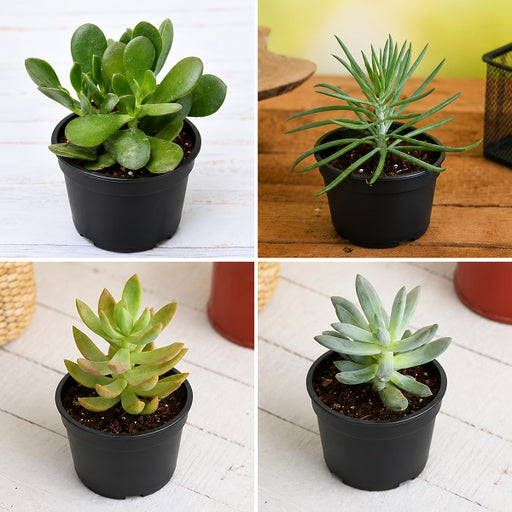
View full detailsTop 4 Die Hard Succulents Pack Note: Plants included in this pack will be delivered in a 3-inch nursery pot (any color). Transform your indoor or ...
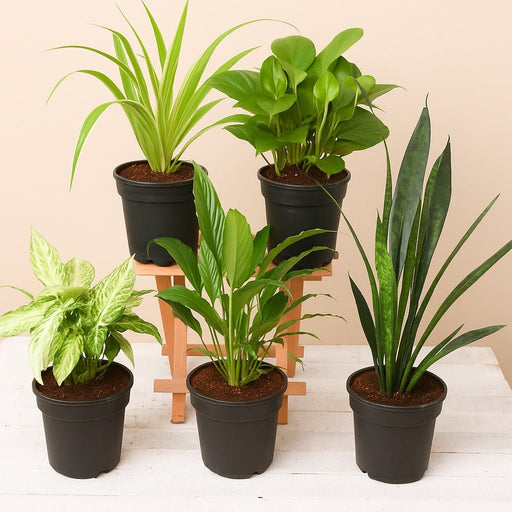
View full details5 Best Indoor Plants Pack Transform your living space into a lush oasis with our '5 Best Indoor Plants Pack.' This carefully curated collection fe...
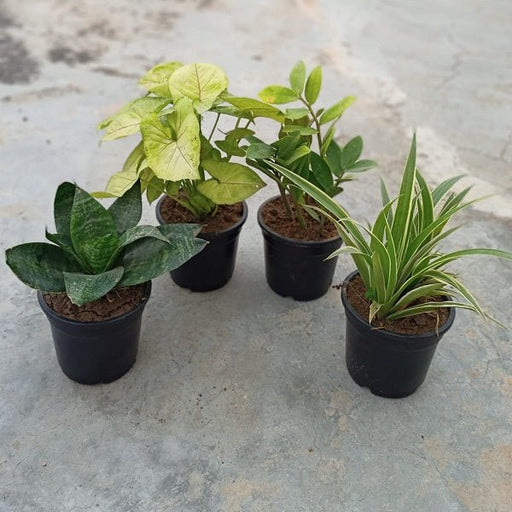
View full detailsSet of 4 Evergreen Air Purifier Plant Pack Transform your indoor space into a lush, green oasis with our Set of 4 Evergreen Air Purifier Pla...
View full detailsTop 5 Pollution Killer Plants Pack Transform your living space into a breath of fresh air with our 'Top 5 Pollution Killer Plants Pack'. This care...
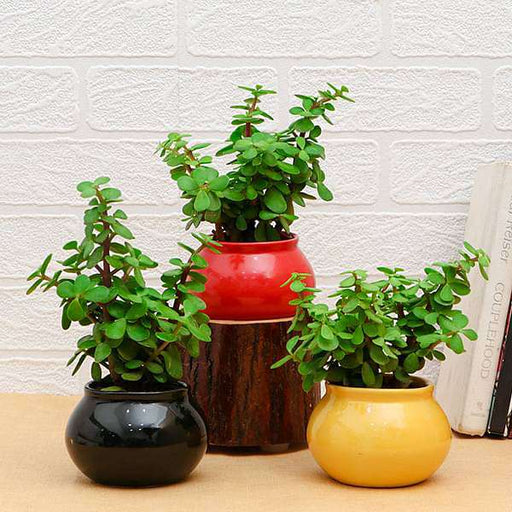
View full detailsPack of 3 Good Luck Jade Plants in Ceramic Pots Bring a touch of nature into your home with our Pack of 3 Good Luck Jade Plants, featuring...
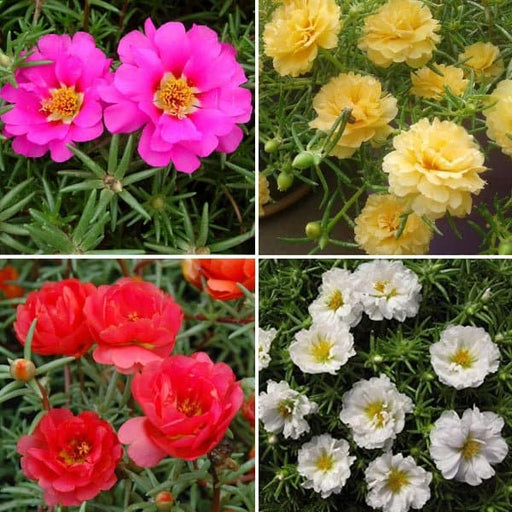
View full detailsPortulaca Garden Pack (4 Plants + 4 Black Pots) Note- You will get any color (Assorted) potted Porulaca plant with this pack. Transform your garde...
View full details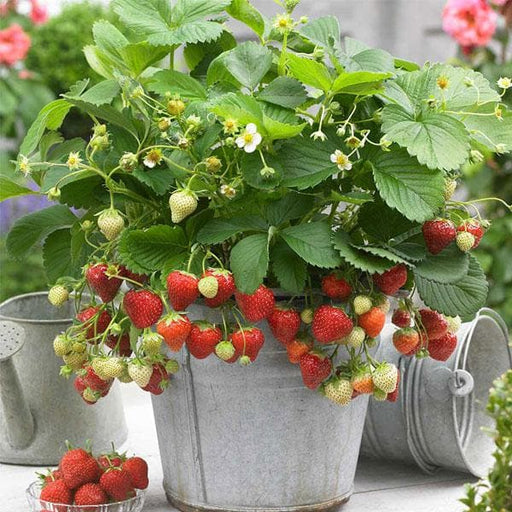






Leave a comment