
Expert Support
Available 24/7 via chat
Available 24/7 via chat
The Snake Plant, scientifically known as Sansevieria trifasciata or Sansevieria zeylanica, is one of the most forgiving houseplants you can grow in India. Called mother-in-law's tongue or tongue of a devil by many, this elegant plant with its distinctive variegated striped leaves has earned its reputation as a must-have for both beginner and seasoned gardeners. Whether you live in the scorching heat of Delhi, the humid monsoons of Mumbai, or the moderate climate of Bangalore, the Snake Plant thrives with minimal fuss. Beyond its visual appeal, this plant works as a natural air purifier, especially during nighttime, making it a valuable addition to your bedroom or living space. If you've struggled to keep other houseplants alive, the Snake Plant is your answer—it's nearly impossible to kill.
The Snake Plant is a succulent native to West Africa, but it has become a favorite across Indian households for its extraordinary resilience. When purchased, a typical plant stands about 12 inches (30 cm) tall with a spread of 5 inches (13 cm), though with proper care it can reach up to 2.4 meters over many years. The plant's most striking feature is its upright, sword-like leaves with bold variegated patterns—combinations of deep green with silvery-gray or golden stripes depending on the variety. While the plant rarely flowers indoors, when it does bloom, it produces delicate greenish-white flowers with a subtle fragrance.
What makes the Snake Plant exceptional is its survival instinct. It tolerates neglect, adapts to various light conditions, and requires minimal watering. It's rated as an easy-to-grow plant, making it perfect for apartments, offices, and homes with inconsistent care routines.
| Care Parameter | Details |
|---|---|
| Light | Bright indirect natural light or bright artificial light |
| Watering | Water when top 3-4 inches of soil feels dry to touch |
| Soil | Well-draining, fertile soil rich in organic content |
| Temperature | 12-29°C (ideal range for Indian homes) |
| Fertilizer | Organic fertilizer (monthly during growing season) |
The Snake Plant is remarkably flexible when it comes to light. It thrives in bright indirect natural light, which is ideal if you have an east or west-facing window with a sheer curtain filtering the afternoon sun. In Indian homes, morning sunlight from an eastern window is perfect—it provides bright light without the intense afternoon heat that can sometimes stress plants.
One of the Snake Plant's superpowers is its ability to tolerate low-light conditions. If your home has limited windows or you want to place the plant in a corner or office space, it will survive under bright artificial light. This adaptability makes it perfect for Indian apartment living where window space is often limited.
Avoid placing the plant in direct harsh sun, especially during peak summer (April to June) when Indian heat intensifies. If leaves turn yellowish, it's often a sign of excessive direct sunlight. Rotate the plant occasionally to ensure even growth on all sides.
Overwatering is the primary reason Snake Plants fail. In India's climate, especially during the monsoon season (June to September), reduce watering significantly. The plant stores water in its fleshy leaves, so it prefers to dry out between waterings.
Always use the finger test: poke your finger or a small stick about 3-4 inches into the soil. If it feels dry to touch, water thoroughly until water drains from the bottom. If the soil still feels moist, wait another week and check again. During summer months (March to June), you might water every 2-3 weeks. During monsoon, water even less frequently—perhaps once a month or every 3-4 weeks—since the air is humid and rainfall naturally maintains soil moisture.
Use filtered or distilled water if your area has hard water (high mineral content), which is common in many Indian cities. Chlorinated tap water can accumulate mineral salts in the soil over time, causing leaf browning. If hard water is unavoidable, let tap water sit for 24 hours before use to allow chlorine to evaporate.
In winter (December to February), the plant's growth slows, so reduce watering further. Once every 4-6 weeks is often sufficient.
The Snake Plant demands well-draining soil rich in organic content—this is non-negotiable. Use a potting mix that includes perlite, coarse sand, or pumice to ensure water doesn't sit around the roots. A mixture of 40% garden soil, 30% coconut coir, 20% perlite, and 10% neem cake or vermicompost works excellently for Indian gardens.
Repot the plant only when it outgrows its current pot (usually every 2-3 years). Snake Plants prefer to be slightly root-bound, and frequent repotting can invite root rot.
For feeding, apply any organic fertilizer during the growing season (March to September). A diluted liquid seaweed fertilizer, neem-based organic fertilizer, or composted manure can be applied monthly. In winter, reduce or stop fertilizing as growth slows. Avoid synthetic fertilizers if possible, as they can accumulate in the soil and damage the plant over time.
The Snake Plant thrives in temperatures between 12-29°C, which fortunately covers most of India's climate range. This means the plant performs well from the cool hill stations to the tropical coasts. However, avoid sudden temperature fluctuations—keep the plant away from air conditioners, heating vents, and drafty windows.
Humidity is generally not a concern for this plant. While it appreciates moderate humidity, it's equally happy in dry conditions. During the harsh, dry Indian summer, you don't need to mist the plant. In fact, wet leaves increase the risk of fungal infections. If you want to clean the leaves (a good practice monthly), use a soft, damp cloth to gently wipe them, or take the plant to an open area for light misting outdoors.
Propagating the Snake Plant is incredibly easy, even for beginners. The most straightforward method is leaf cuttings. Cut a mature, healthy leaf into 2-3 inch segments. Allow the cuts to dry for 2-3 days, then insert them partially into moist, well-draining soil. Keep the soil slightly moist (not wet) and place in bright indirect light. New shoots will emerge in 4-6 weeks, though this can vary.
Another method is division: when repotting, carefully separate the plant into smaller sections, ensuring each has at least one leaf and some roots. Pot them individually in well-draining soil.
The division method is faster and more reliable, so it's recommended if your plant is large enough. Spring and early summer (March to May) are the best times to propagate in India.
The Snake Plant is hardy, but a few issues can occur:
Place your Snake Plant in a location where you'll see it often—this increases the likelihood you'll remember to check soil moisture occasionally. The plant's air-purifying properties make it especially valuable in bedrooms and living areas.
During the monsoon season, move potted Snake Plants to a covered balcony or porch to prevent waterlogging from rainfall. Ensure the pot has drainage holes and isn't sitting in a water-logged saucer.
Rotate the plant every 2-3 weeks to ensure even growth. Dust the leaves quarterly with a soft brush to maximize air purification benefits.
If your plant becomes tall and leggy over years, you can propagate leaf segments to create new plants or trim the older stems (which will regrow from the base).
Finally, be patient with the plant—it's nearly impossible to kill. Even if neglected for weeks, the Snake Plant often recovers beautifully once you resume care. This resilience is exactly why it's beloved across Indian homes.
Ready to grow your own? Shop Snake Plant at Nurserylive →
Snake Plant (Sansevieria trifasciata, Sansevieria zeylanica) The Snake Plant, scientifically known as Sansevieria trifasciata and Sansevie...
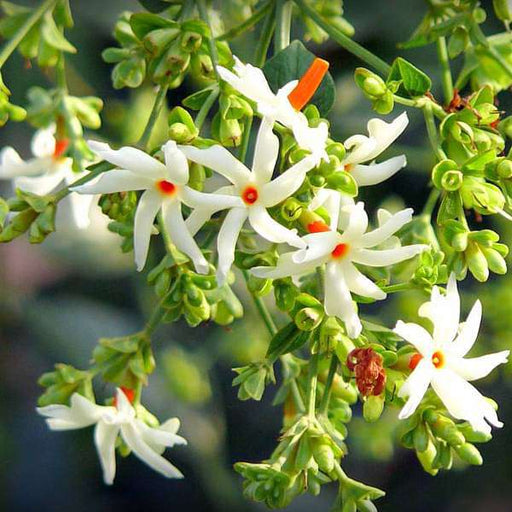
View full detailsCombo Constituents Includes the Parijat Tree (Night-Flowering Jasmine), a culturally significant plant with fragrant flowers. Description The Pari...
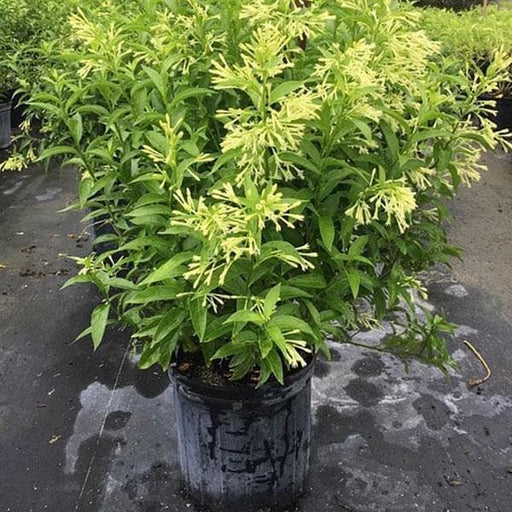
View full detailsDescription Raat Ki Rani (*Cestrum nocturnum*), also known as Night Blooming Jasmine, is a fragrant shrub native to the Caribbean and Central Ameri...
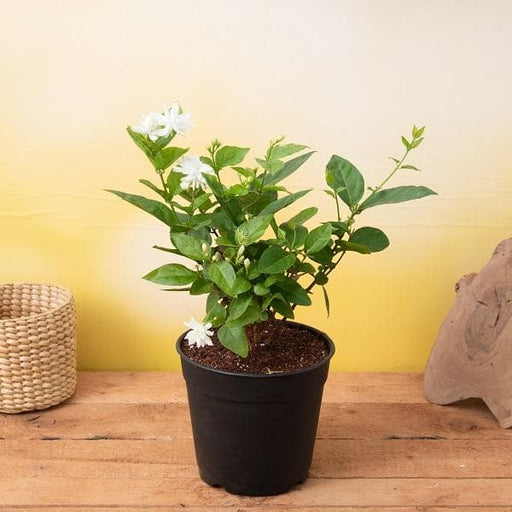
View full detailsJasminum sambac, Mogra, Arabian Jasmine - Plant Jasminum sambac, commonly known as Mogra or Arabian Jasmine, is a fragrant flowering plant...
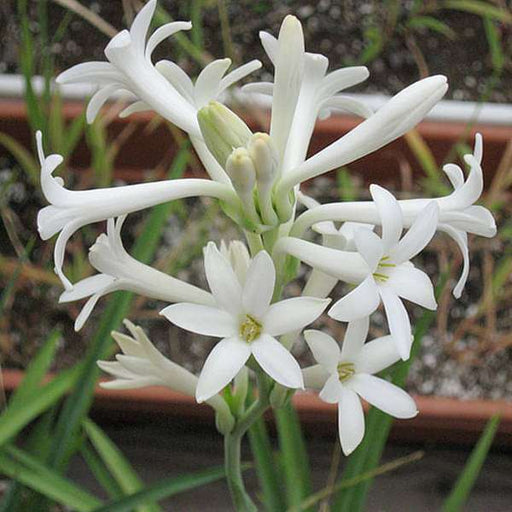
View full detailsRajnigandha, Tuberose - Plant The Rajnigandha, scientifically known as Polianthes tuberosa, is a captivating perennial plant renowned for ...
View full detailsCitronella, Odomas - Plant The Citronella plant, scientifically known as Cymbopogon nardus, is a tropical grass renowned for its aromatic ...
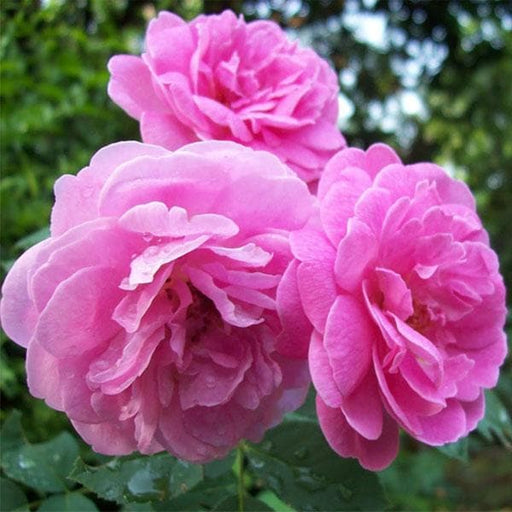
View full detailsDamascus Rose, Scented Rose (Any Color) - Plant The Damascus Rose, also known as Rosa damascena, is a timeless symbol of beauty and romanc...
View full detailsMiniature Rose, Button Rose (Any Color) - Plant The Miniature Rose, also known as the Button Rose, is a charming and compact flowering plant that ...
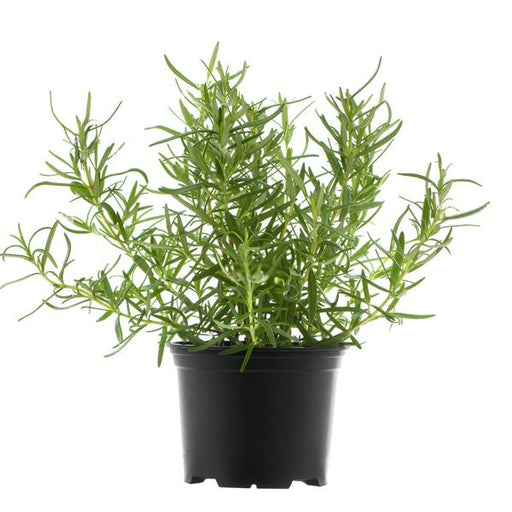
View full detailsRosemary - Plant Rosemary (Rosmarinus officinalis) is a fragrant evergreen herb native to the Mediterranean region. Known for its needle-like leav...
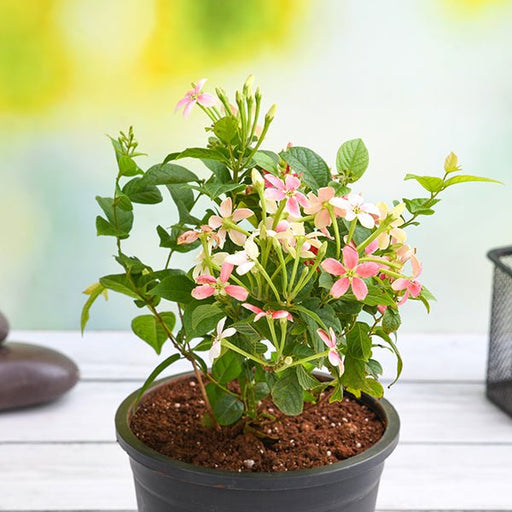
View full detailsMadhumalti Dwarf, Rangoon Creeper - Plant The Madhumalti Dwarf, also known as the Rangoon Creeper (Quisqualis indica), is a stunning perennial vin...
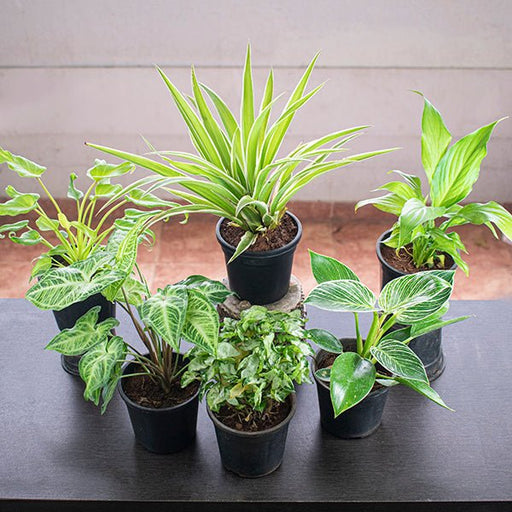
View full detailsBest 6 Plants for Perfect Indoor Garden Transform your living space into a lush oasis with our curated collection of the Best 6 Plants for a...
View full detailsBest 6 Plants for Perfect Indoor Garden Transform your living space into a lush oasis with our curated collection of the Best 6 Plants for a...
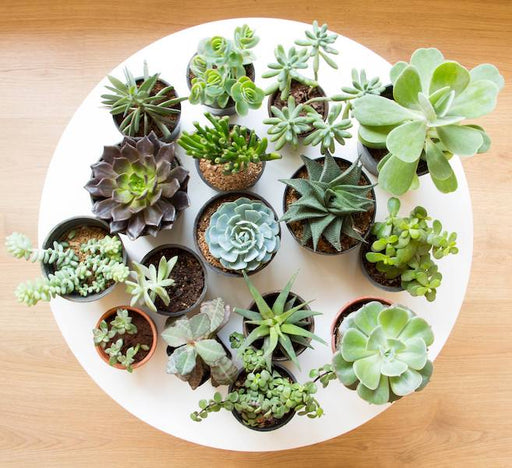
View full detailsMini Succulent Garden Pack Transform your space with our Mini Succulent Garden Pack, featuring a delightful collection of 4 any variety beautiful s...
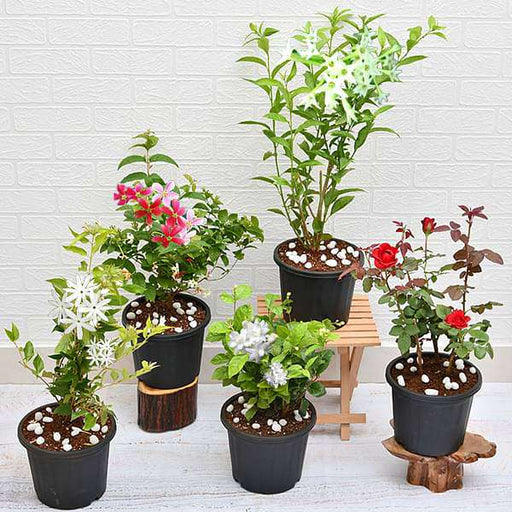
View full details5 Best Fragrant Plants Transform your garden or indoor space into a fragrant paradise with our curated selection of the 5 Best Fragrant Plants. Th...
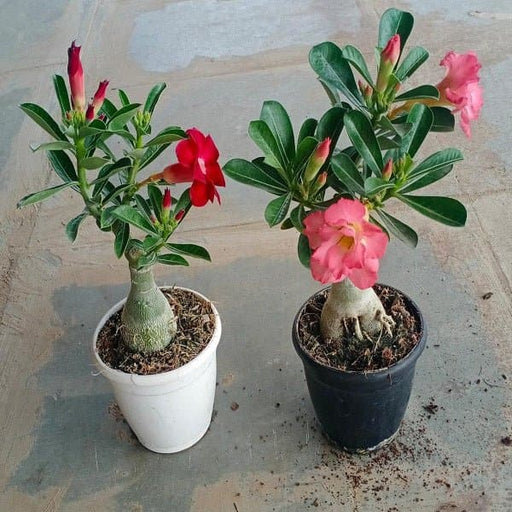
View full detailsSet of 2 Bonsai Looking Grafted Adeniums Transform your indoor or outdoor space with our exquisite Set of 2 Bonsai Looking Grafted Adenium...
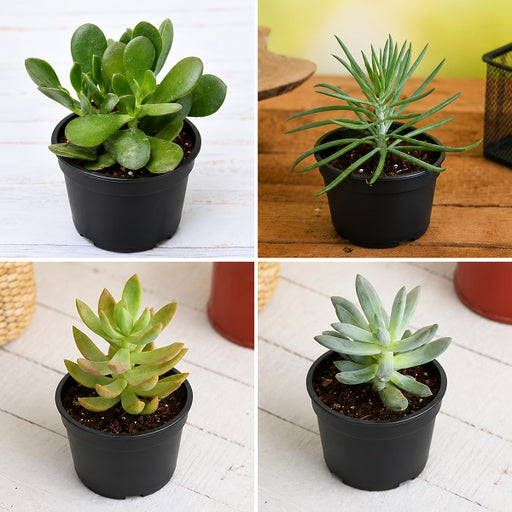
View full detailsTop 4 Die Hard Succulents Pack Note: Plants included in this pack will be delivered in a 3-inch nursery pot (any color). Transform your indoor or ...
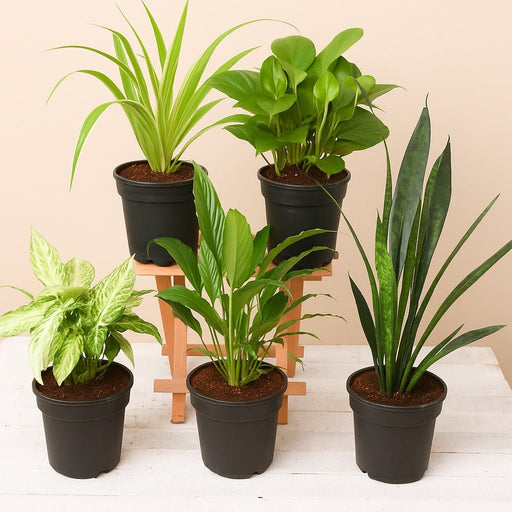
View full details5 Best Indoor Plants Pack Transform your living space into a lush oasis with our '5 Best Indoor Plants Pack.' This carefully curated collection fe...
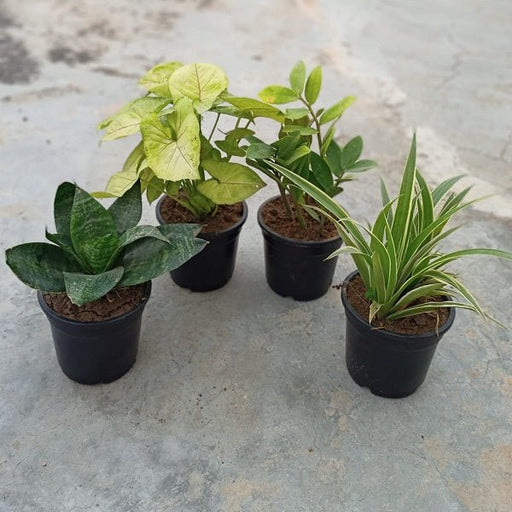
View full detailsSet of 4 Evergreen Air Purifier Plant Pack Transform your indoor space into a lush, green oasis with our Set of 4 Evergreen Air Purifier Pla...
View full detailsTop 5 Pollution Killer Plants Pack Transform your living space into a breath of fresh air with our 'Top 5 Pollution Killer Plants Pack'. This care...
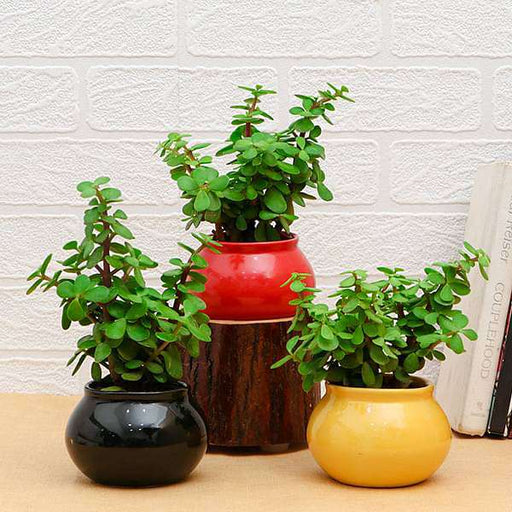
View full detailsPack of 3 Good Luck Jade Plants in Ceramic Pots Bring a touch of nature into your home with our Pack of 3 Good Luck Jade Plants, featuring...
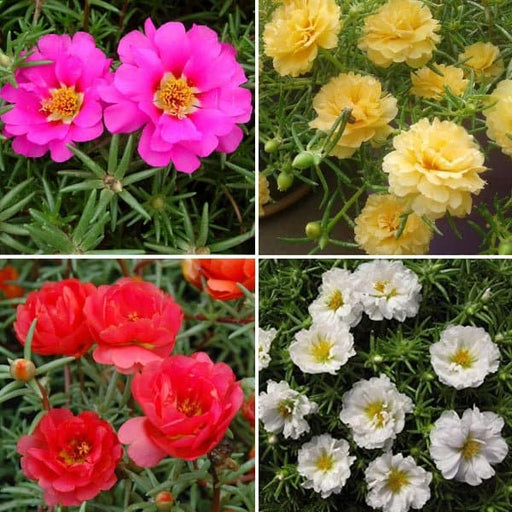
View full detailsPortulaca Garden Pack (4 Plants + 4 Black Pots) Note- You will get any color (Assorted) potted Porulaca plant with this pack. Transform your garde...
View full details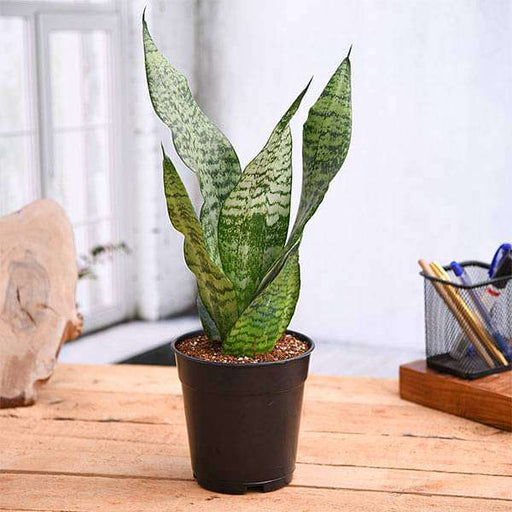





Leave a comment