
Expert Support
Available 24/7 via chat
Available 24/7 via chat
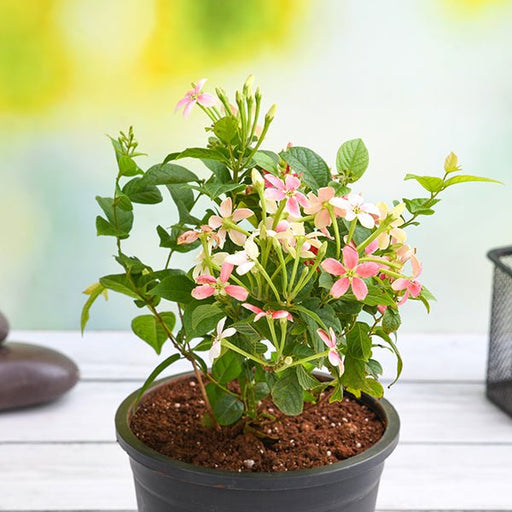
Shevanti holds a special place in Indian gardens—the Marathi name alone carries decades of tradition. Known to gardeners across the subcontinent as the florist's daisy or hardy garden mum, this cheerful pink chrysanthemum transforms outdoor spaces and containers into winter wonderlands. What makes Shevanti so beloved isn't just its rani-pink, fragrant flowers or its ability to attract butterflies and birds; it's the plant's sheer resilience. In a country where summer heat can wilt many ornamentals and monsoon humidity tempts fungal infections, Shevanti stands firm—requiring only basic care and rewarding you with cascades of blooms when little else is flowering.
Shevanti (Chrysanthemum), commonly called daisy of florist or hardy garden mum in English, is a hardy perennial that flourishes in both pots and garden beds across India. The plant you bring home typically stands 12 inches (30 cm) tall with a 6-inch spread, yet given years and ideal conditions, it can eventually reach up to 3 meters—transforming into a substantial flowering shrub. The distinctive rani-pink flowers are notably fragrant, blooming reliably in late summer and fall. Many cultivars also flower in spring, making Shevanti a true season-extender: just when your monsoon garden is recovering and summer heat has exhausted most bloomers, Shevanti steps in with weeks of colour. As a winter blooming specialty, this plant performs exceptionally well during India's cooler months, when it attracts butterflies and birds to gardens and balconies alike. Whether in pots or beds, Shevanti's easy-to-grow nature makes it an ideal choice for both beginners and seasoned gardeners.
| Light | Full sun |
| Water | Once weekly |
| Soil | Well-drained |
| Temperature | 20–27°C |
Shevanti requires full sun to flower abundantly. Plants positioned in bright, direct sunlight develop strong stems and prolific blooms; those in partial shade become leggy, flower sparsely, and grow susceptible to powdery mildew. In most of India, an east or west-facing position receives excellent sunlight throughout the day. During India's intense pre-summer heat (April–May), light afternoon dapple can prevent excessive stress, but this does not substitute for the bright sun the plant craves. If growing Shevanti in a pot, position it where it receives unobstructed, bright sunlight. Avoid consistently shaded locations, as flowering will suffer significantly.
Water your Shevanti once a week under normal conditions—this is your baseline. However, India's seasons demand flexibility. During the pre-monsoon heat surge (April–May), soil dries faster; check soil moisture and water more frequently if the top inch feels dry. Once the monsoon arrives (June–August), rainfall often suffices; hold back supplemental watering to prevent waterlogging and fungal disease—only water if the top inch of soil feels truly dry. Resume regular weekly watering as monsoon fades and autumn coolness sets in. Always water at soil level, never on foliage, to minimize powdery mildew risk. If your region has hard water (common across much of India), occasional feeding with diluted citric acid or liquid seaweed helps counteract alkalinity and keeps foliage vibrant.
Well-drained soil is essential for Shevanti. A waterlogged plant rapidly develops root rot, especially in monsoon humidity. Mix your soil from one part garden earth, one part coarse sand or perlite, and one part aged compost or coconut coir. This airy, light texture prevents water pooling around roots and supports steady growth. In containers, ensure drainage holes are clear and never allow the pot to sit in a saucer of standing water. Feed Shevanti lightly during the growing season (August–February). A balanced, diluted liquid fertilizer applied every two to three weeks supports flowering without forcing excess foliage. Alternatively, work a slow-release organic fertilizer into the soil at planting time. Avoid heavy nitrogen feeding, which delays flowering and invites pest pressure.
Shevanti thrives in the temperature range of 20–27°C, which aligns beautifully with India's cooler months (October–March). During this optimal period, the plant produces its most prolific and vibrant blooms. Humidity fluctuates dramatically with India's seasons—the monsoon brings dampness that invites fungal diseases if air circulation is poor. Ensure plants have adequate spacing, allowing breeze to flow freely through foliage, and avoid overhead watering to keep leaves dry. In drier regions or during arid spells, gentle misting early in the morning can support the plant without raising disease risk. Good air movement is your best defense against mildew and rot during humid seasons.
Shevanti propagates easily from cuttings, making it simple to multiply favourite plants. In late winter or early spring (February–March), snip healthy stem tips from disease-free plants. Remove the lower leaves, dip the cut end in rooting hormone (optional but helpful), and insert cuttings into a light, moist propagation mix—equal parts sand and compost works well. Cover with a clear plastic dome or bag to maintain humidity, and place in bright, indirect light. Roots typically emerge within two to three weeks. Once established and showing new growth, gradually harden off seedlings over a week, then pot individually into standard soil mix. Cuttings taken in late winter flower within four to five months, rewarding your patience with full-sized blooms by autumn.
Powdery mildew is the most frequent foe, appearing as white coating on leaves during humid conditions, especially post-monsoon. Prevent it with good air circulation, dry foliage, and avoiding overhead watering. If mildew appears, spray with diluted baking soda solution (1 teaspoon per litre of water) or neem oil weekly until clear. Whiteflies and spider mites thrive in hot, dry air; strong spray from a hose or insecticidal soap tackles early infestations. Root rot develops quickly in soggy soil—always prioritize drainage and adjust watering to seasonal rainfall patterns. Yellowing lower leaves during dormancy are normal, but sudden yellowing across the plant signals nutrient deficiency or waterlogging; review your soil moisture and feeding practice. Leggy growth and sparse flowering indicate insufficient light; relocate the plant into brighter conditions immediately.
Deadhead spent blooms weekly to encourage continuous flowering and maintain neat appearance. In year two and beyond, light spring pruning (March–April) strengthens the plant's structure and promotes bushier, more floriferous growth. If your Shevanti grows tall and sprawling, pinch back young shoot tips in summer to encourage lateral branching and fuller flowering. Move containerized plants to sheltered locations just before the heaviest monsoon downpours; even hardy plants appreciate protection from relentless rainfall. For stunning winter displays, cluster multiple potted Shevanti together for maximum visual impact, or pair them with other cool-season bloomers like stock and calendula. Finally, refresh the soil every two to three years; over time, compost breaks down and drainage compromises, so refreshing the growing medium keeps plants vigorous, disease-resistant, and long-lived.
Ready to grow your own? Shop Shevanti at Nurserylive →
Shevanti, Chrysanthemum (Pink) - Plant The Shevanti, or Pink Chrysanthemum, is a stunning flowering plant known for its vibrant pink bloom...
View full detailsCombo Constituents Includes the Parijat Tree (Night-Flowering Jasmine), a culturally significant plant with fragrant flowers. Description The Pari...
View full detailsDescription Raat Ki Rani (*Cestrum nocturnum*), also known as Night Blooming Jasmine, is a fragrant shrub native to the Caribbean and Central Ameri...
View full detailsJasminum sambac, Mogra, Arabian Jasmine - Plant Jasminum sambac, commonly known as Mogra or Arabian Jasmine, is a fragrant flowering plant...
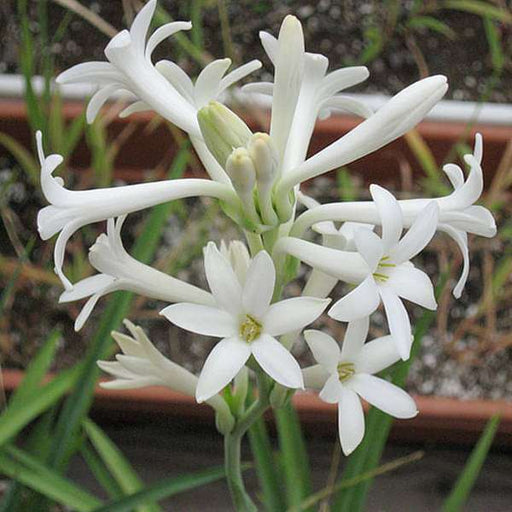
View full detailsRajnigandha, Tuberose - Plant The Rajnigandha, scientifically known as Polianthes tuberosa, is a captivating perennial plant renowned for ...
View full detailsCitronella, Odomas - Plant The Citronella plant, scientifically known as Cymbopogon nardus, is a tropical grass renowned for its aromatic ...
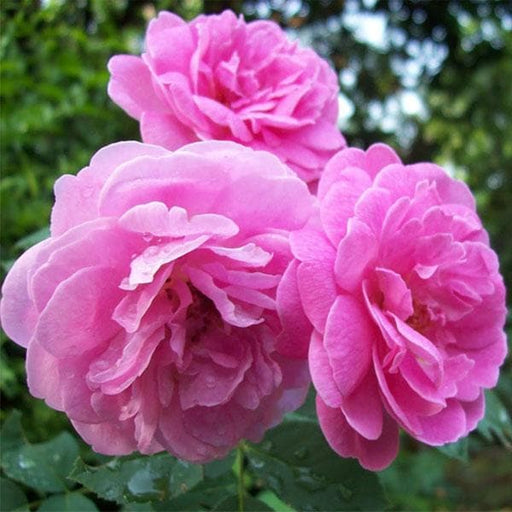
View full detailsDamascus Rose, Scented Rose (Any Color) - Plant The Damascus Rose, also known as Rosa damascena, is a timeless symbol of beauty and romanc...
View full detailsMiniature Rose, Button Rose (Any Color) - Plant The Miniature Rose, also known as the Button Rose, is a charming and compact flowering plant that ...
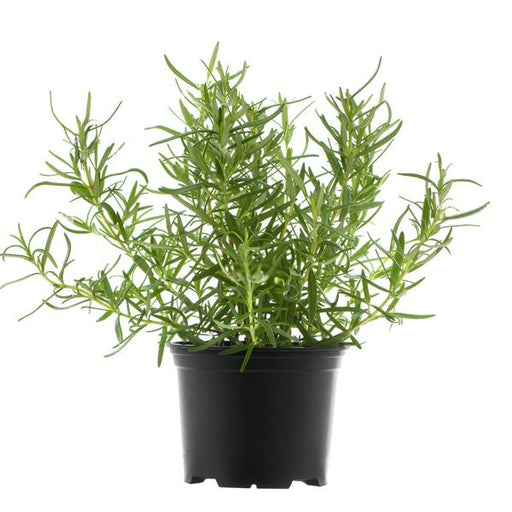
View full detailsRosemary - Plant Rosemary (Rosmarinus officinalis) is a fragrant evergreen herb native to the Mediterranean region. Known for its needle-like leav...
View full detailsMadhumalti Dwarf, Rangoon Creeper - Plant The Madhumalti Dwarf, also known as the Rangoon Creeper (Quisqualis indica), is a stunning perennial vin...
View full detailsBest 6 Plants for Perfect Indoor Garden Transform your living space into a lush oasis with our curated collection of the Best 6 Plants for a...
View full detailsBest 6 Plants for Perfect Indoor Garden Transform your living space into a lush oasis with our curated collection of the Best 6 Plants for a...
View full detailsMini Succulent Garden Pack Transform your space with our Mini Succulent Garden Pack, featuring a delightful collection of 4 any variety beautiful s...
View full details5 Best Fragrant Plants Transform your garden or indoor space into a fragrant paradise with our curated selection of the 5 Best Fragrant Plants. Th...
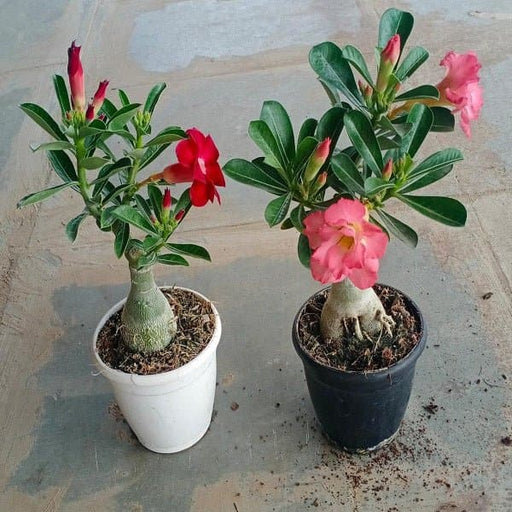
View full detailsSet of 2 Bonsai Looking Grafted Adeniums Transform your indoor or outdoor space with our exquisite Set of 2 Bonsai Looking Grafted Adenium...
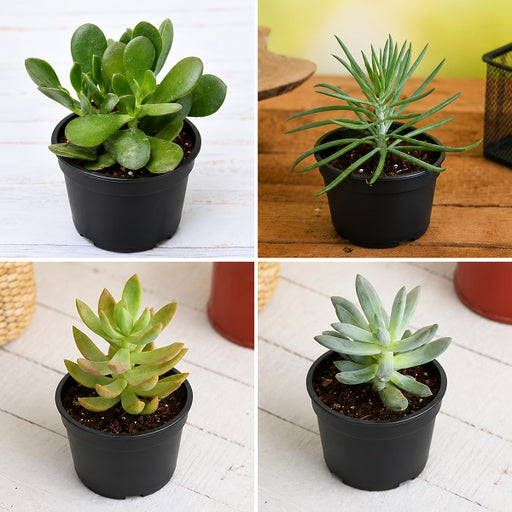
View full detailsTop 4 Die Hard Succulents Pack Note: Plants included in this pack will be delivered in a 3-inch nursery pot (any color). Transform your indoor or ...
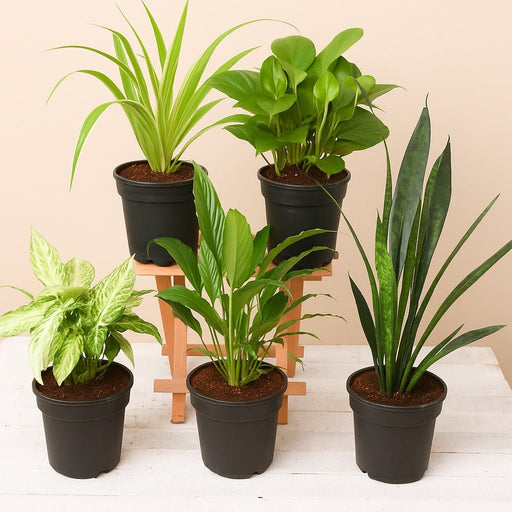
View full details5 Best Indoor Plants Pack Transform your living space into a lush oasis with our '5 Best Indoor Plants Pack.' This carefully curated collection fe...
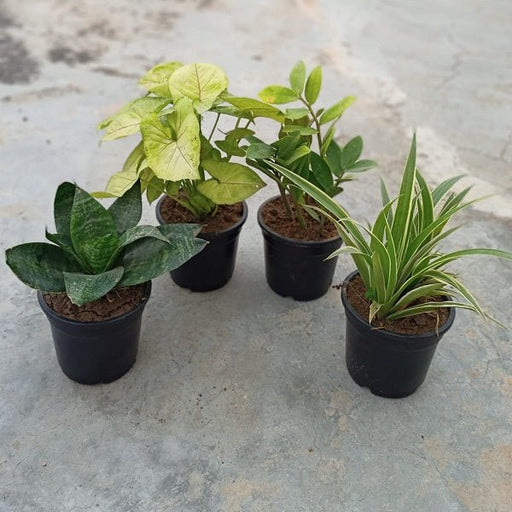
View full detailsSet of 4 Evergreen Air Purifier Plant Pack Transform your indoor space into a lush, green oasis with our Set of 4 Evergreen Air Purifier Pla...
View full detailsTop 5 Pollution Killer Plants Pack Transform your living space into a breath of fresh air with our 'Top 5 Pollution Killer Plants Pack'. This care...
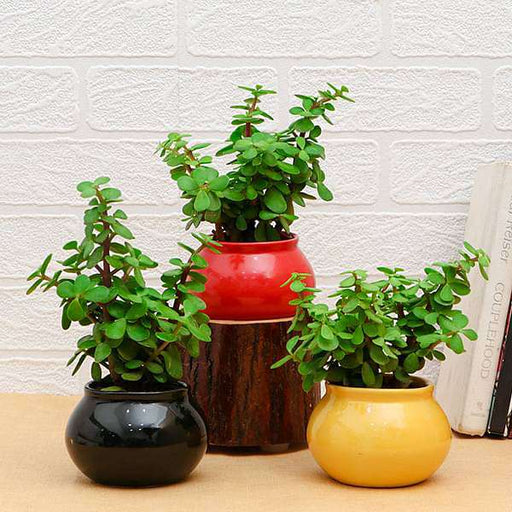
View full detailsPack of 3 Good Luck Jade Plants in Ceramic Pots Bring a touch of nature into your home with our Pack of 3 Good Luck Jade Plants, featuring...
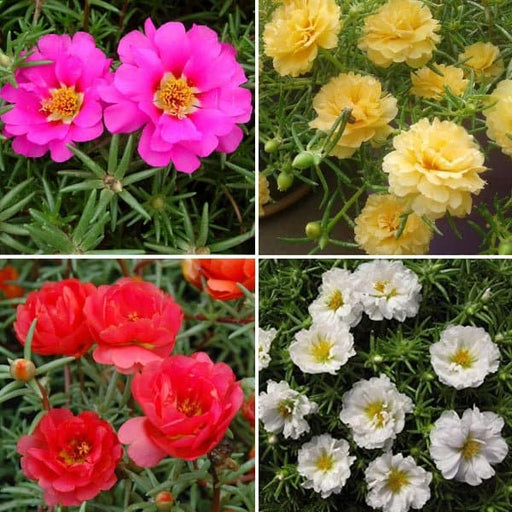
View full detailsPortulaca Garden Pack (4 Plants + 4 Black Pots) Note- You will get any color (Assorted) potted Porulaca plant with this pack. Transform your garde...
View full details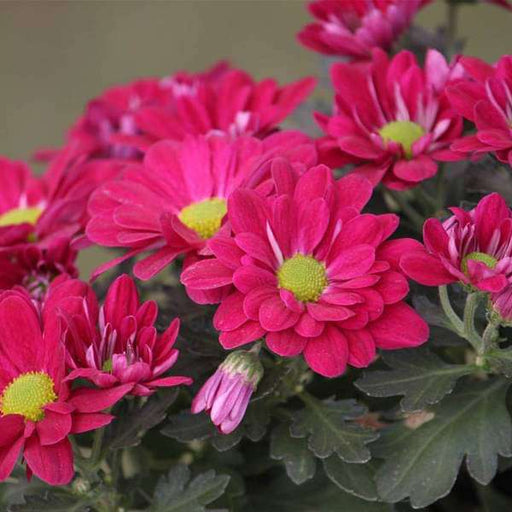






Leave a comment