
Expert Support
Available 24/7 via chat
Available 24/7 via chat
If you're looking for a tree that embodies good fortune while thriving in India's challenging climate, the Shami tree (Prosopis cineraria) is your answer. Also known as Khejri, Jand, or Shemi, this remarkable perennial shrub has been revered across Indian gardens for centuries—not just for its resilience, but for its profound cultural and spiritual significance. Whether you're gardening in Delhi's scorching heat, Mumbai's monsoon rains, or Bangalore's variable climate, the Shami tree adapts with ease. Best of all, with its easy-to-grow nature and low maintenance needs, it's perfect for both beginners and experienced gardeners who want a container-friendly, auspicious addition to their garden.
The Shami tree holds a special place in Indian tradition and horticulture. In Hindu mythology, it's considered deeply auspicious, often planted in homes and temple gardens for prosperity and good luck. The tree's scientific name, Prosopis cineraria, refers to its native habitat in arid and semi-arid regions of India, particularly Rajasthan and Gujarat, where it thrives in harsh, water-scarce environments.
As a perennial shrub, the Shami starts small—you'll typically receive a sapling around 12 inches (30 cm) tall with a spread of 3 inches (8 cm)—but it's a steady grower. With proper care, your Shami can reach up to 15 feet in height, making it suitable for both medium gardens and container cultivation. The tree produces beautiful yellow or creamy white flowers year-round, bringing continuous color to your garden without demanding seasonal attention.
What makes the Shami truly special is its hardiness. It's built to handle India's extreme conditions: intense summer heat, dry spells, poor soil quality, and even hard water—challenges that defeat many ornamental plants. Yet this tree thrives, asking only for well-drained soil, full sun, and moderate watering.
| Factor | Requirement |
|---|---|
| Light | Full Sun (6-8 hours daily minimum) |
| Water | Moderate; allow soil to dry between waterings |
| Soil | Well-drained soil; avoid waterlogging |
| Temperature | 20°C to 32°C (optimal range for India) |
The Shami tree is a sun-lover and performs best in full sunlight. This means at least 6 to 8 hours of direct, unfiltered sunlight daily. In India's context, this is rarely a limitation—whether you're gardening in coastal regions, inland cities, or mountainous areas, the Shami will happily soak up every ray available.
If you're growing your Shami in a container (which it handles beautifully), place it in the brightest spot in your garden or balcony. North-facing positions won't suffice; south or west-facing locations are ideal. The more sun it receives, the bushier and more floriferous your tree becomes. In extreme summer heat exceeding 45°C, afternoon shade might provide relief, but it's not essential—the Shami is built for intense sun.
Moderate watering is the mantra for Shami tree care. This is crucial: the Shami tree is drought-tolerant once established, and overwatering is its primary enemy. In India's heat, it's natural to want to water frequently, but resist the urge.
During the growing season (spring and summer), water your Shami when the top 1 to 2 inches of soil feel dry to the touch. In container gardening, this might mean watering every 7 to 10 days, depending on temperature and humidity. During monsoon season, reduce watering significantly—the rainfall often provides sufficient moisture. Always ensure drainage holes in pots to prevent waterlogging, which causes root rot.
In winter (December to February), when growth slows, water even less frequently. Your established Shami tree can tolerate dry periods, making it perfect for water-conscious gardeners and areas prone to drought.
Well-drained soil is non-negotiable for the Shami tree. This tree evolved in India's arid regions where water retention is minimal. If you're using potting mix, choose a light, sandy loam or add perlite to standard potting soil (30 percent perlite to 70 percent soil). Avoid heavy clay soils and moisture-retentive mixes.
For feeding, the Shami is undemanding. Apply any organic fertilizer during the growing season (March to September)—compost, vermicompost, or well-rotted manure work beautifully. A light feed every 4 to 6 weeks is sufficient. If you're using chemical fertilizers, use a balanced formula like NPK 10:10:10 at half strength. The tree doesn't need heavy feeding; in fact, excess nitrogen can encourage leggy growth at the expense of flowers.
Hard water, common in many Indian regions, is fine for the Shami. Its desert origins mean it handles mineral-rich water without issue.
The Shami tree thrives in temperatures between 20°C and 32°C, a range that encompasses most of India's climate except extreme winter in the north or rare high-altitude locations. This makes it incredibly adaptable across Indian gardens.
What's impressive is how the Shami handles temperature extremes. In summer, when Delhi or Jaipur temperatures soar above 40°C, the Shami doesn't flinch. In winter, it can tolerate temperatures down to 5°C, though growth slows significantly. Sudden temperature drops below this might stress the plant, so if you're in a cold region, provide some shelter during harsh winters.
Humidity isn't a concern. The Shami evolved in low-humidity environments and actually prefers drier air. In humid coastal regions, ensure excellent air circulation around the plant to prevent fungal issues.
Growing new Shami trees is straightforward, making it perfect for sharing with friends and family—a wonderful practice given the tree's auspicious nature.
The Shami tree is remarkably resilient, but a few issues can occasionally arise:
Ready to grow your own? Shop Shami Tree at Nurserylive →
Shami Tree, Prosopis cineraria - Plant The Shami Tree, scientifically known as Prosopis cineraria, is a remarkable drought-resistant tree native t...
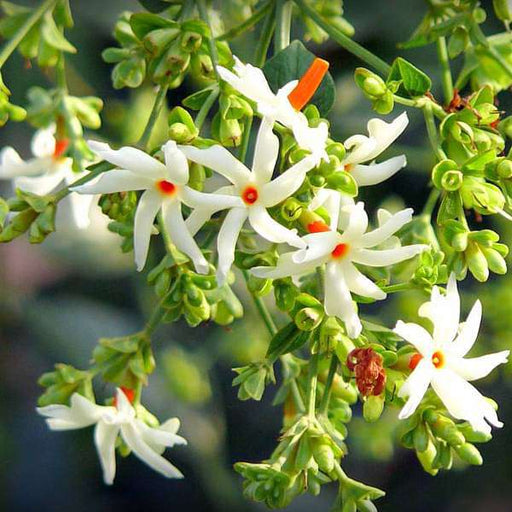
View full detailsCombo Constituents Includes the Parijat Tree (Night-Flowering Jasmine), a culturally significant plant with fragrant flowers. Description The Pari...
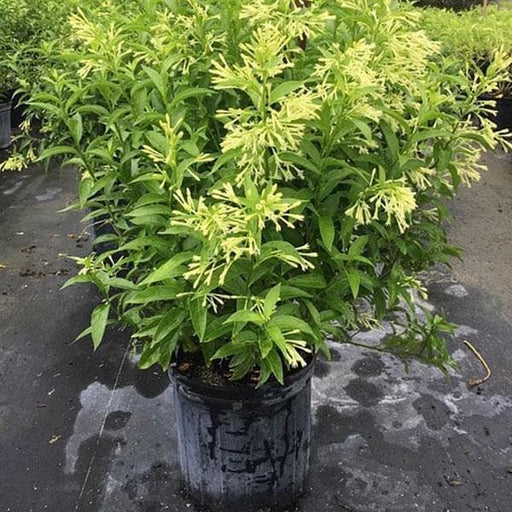
View full detailsDescription Raat Ki Rani (*Cestrum nocturnum*), also known as Night Blooming Jasmine, is a fragrant shrub native to the Caribbean and Central Ameri...
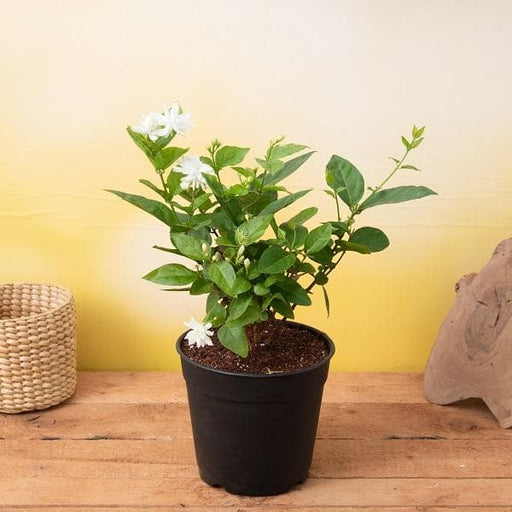
View full detailsJasminum sambac, Mogra, Arabian Jasmine - Plant Jasminum sambac, commonly known as Mogra or Arabian Jasmine, is a fragrant flowering plant...
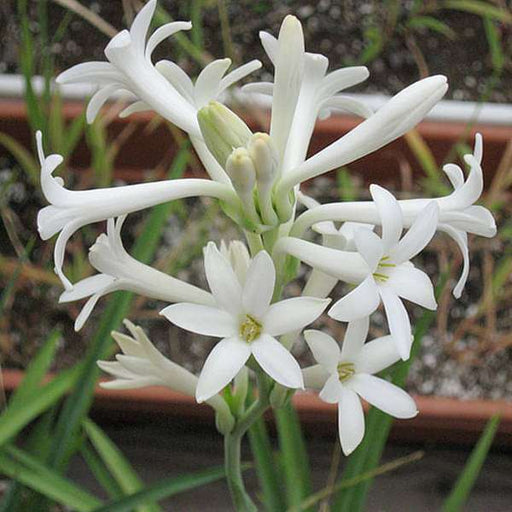
View full detailsRajnigandha, Tuberose - Plant The Rajnigandha, scientifically known as Polianthes tuberosa, is a captivating perennial plant renowned for ...
View full detailsCitronella, Odomas - Plant The Citronella plant, scientifically known as Cymbopogon nardus, is a tropical grass renowned for its aromatic ...
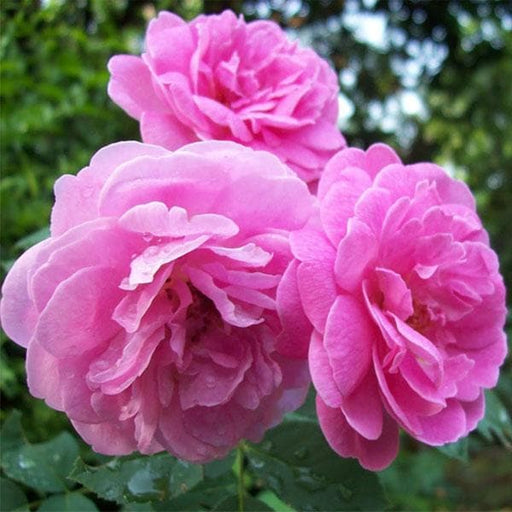
View full detailsDamascus Rose, Scented Rose (Any Color) - Plant The Damascus Rose, also known as Rosa damascena, is a timeless symbol of beauty and romanc...
View full detailsMiniature Rose, Button Rose (Any Color) - Plant The Miniature Rose, also known as the Button Rose, is a charming and compact flowering plant that ...
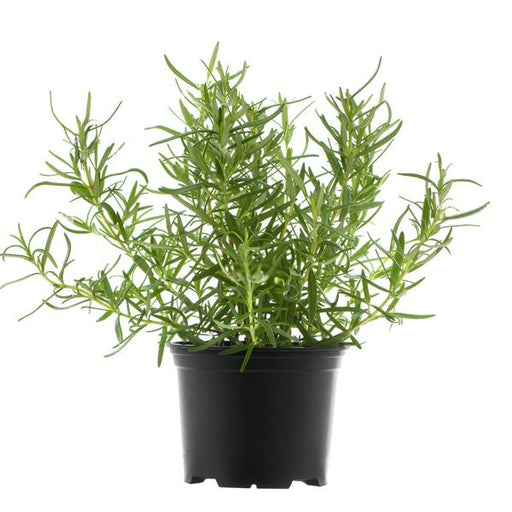
View full detailsRosemary - Plant Rosemary (Rosmarinus officinalis) is a fragrant evergreen herb native to the Mediterranean region. Known for its needle-like leav...
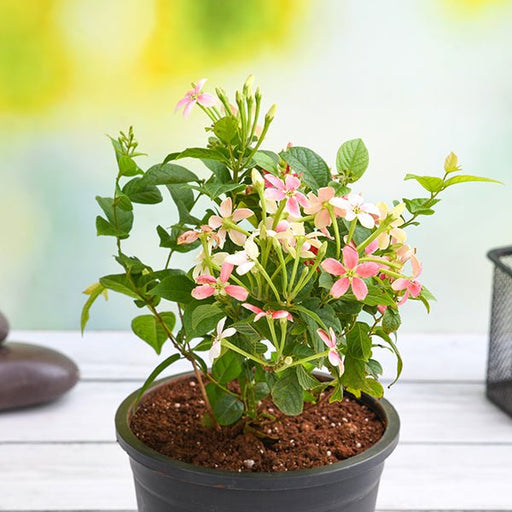
View full detailsMadhumalti Dwarf, Rangoon Creeper - Plant The Madhumalti Dwarf, also known as the Rangoon Creeper (Quisqualis indica), is a stunning perennial vin...
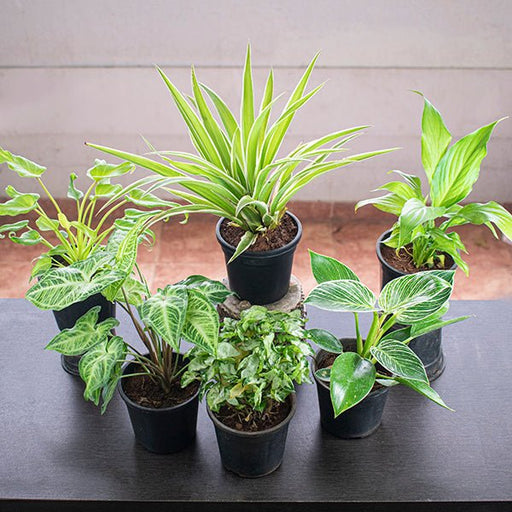
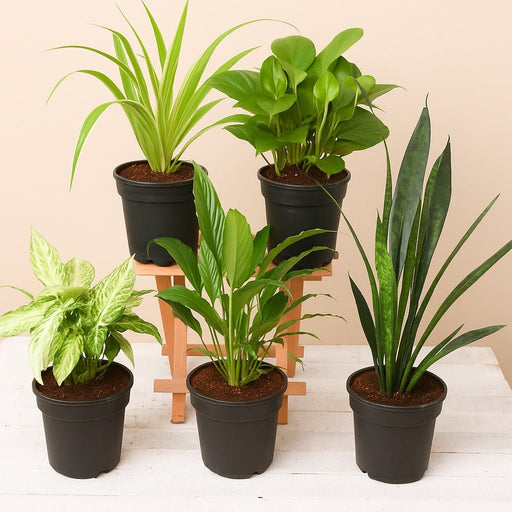
View full detailsBest 6 Plants for Perfect Indoor Garden Transform your living space into a lush oasis with our curated collection of the Best 6 Plants for a...
View full detailsBest 6 Plants for Perfect Indoor Garden Transform your living space into a lush oasis with our curated collection of the Best 6 Plants for a...
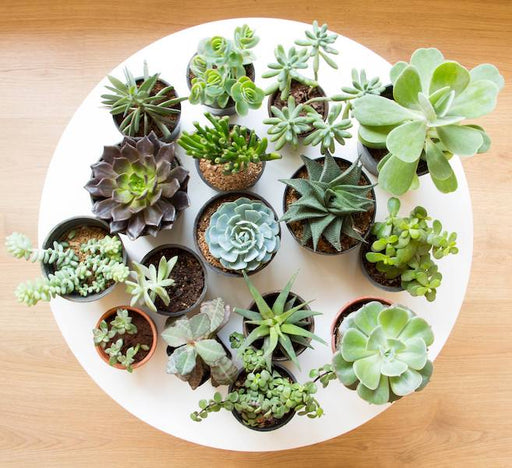
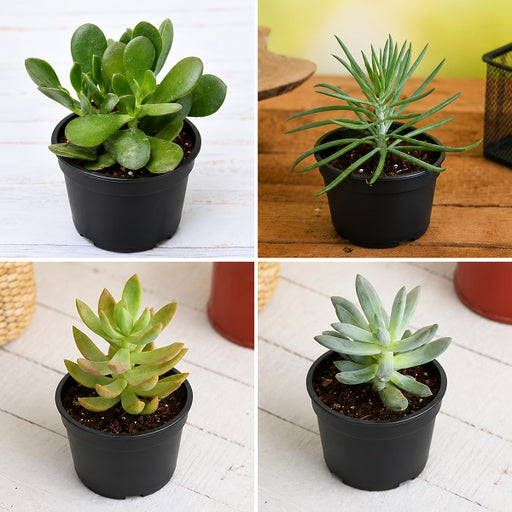
View full detailsMini Succulent Garden Pack Transform your space with our Mini Succulent Garden Pack, featuring a delightful collection of 4 any variety beautiful s...
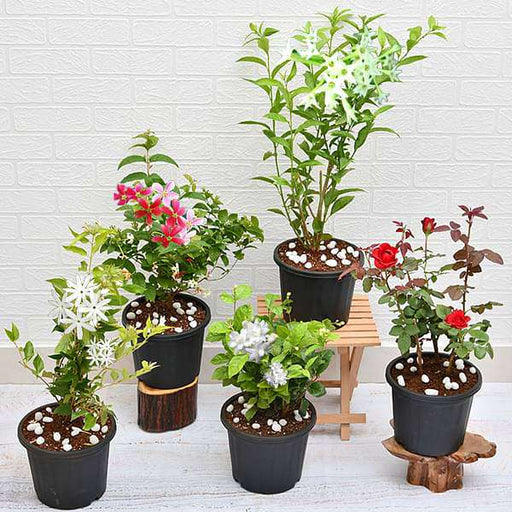
View full details5 Best Fragrant Plants Transform your garden or indoor space into a fragrant paradise with our curated selection of the 5 Best Fragrant Plants. Th...
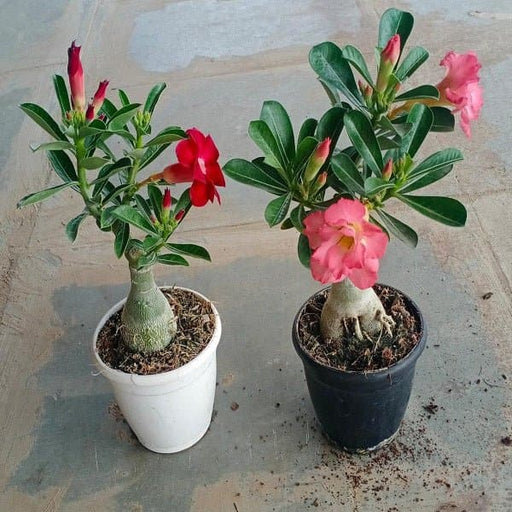
View full detailsSet of 2 Bonsai Looking Grafted Adeniums Transform your indoor or outdoor space with our exquisite Set of 2 Bonsai Looking Grafted Adenium...
View full detailsTop 4 Die Hard Succulents Pack Note: Plants included in this pack will be delivered in a 3-inch nursery pot (any color). Transform your indoor or ...
View full details5 Best Indoor Plants Pack Transform your living space into a lush oasis with our '5 Best Indoor Plants Pack.' This carefully curated collection fe...
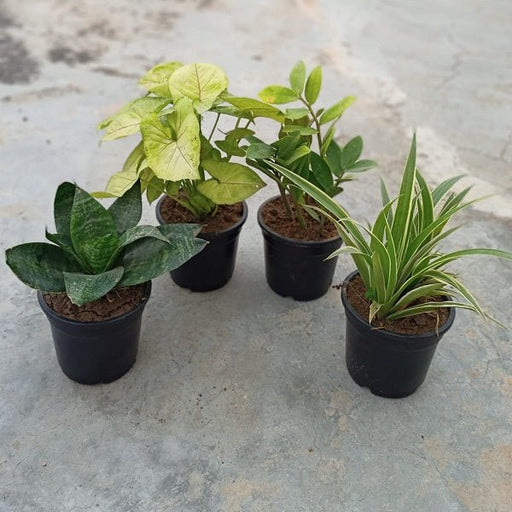
View full detailsSet of 4 Evergreen Air Purifier Plant Pack Transform your indoor space into a lush, green oasis with our Set of 4 Evergreen Air Purifier Pla...
View full detailsTop 5 Pollution Killer Plants Pack Transform your living space into a breath of fresh air with our 'Top 5 Pollution Killer Plants Pack'. This care...
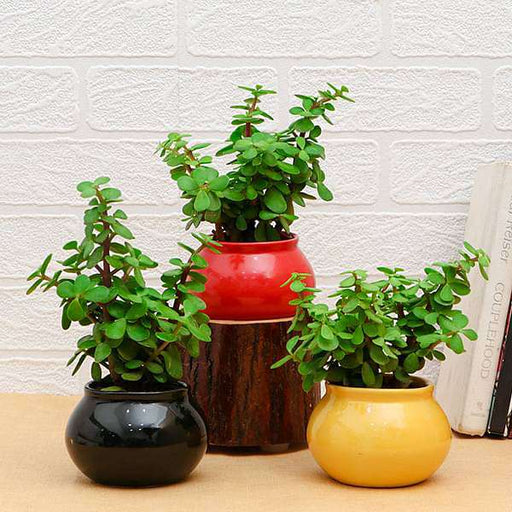
View full detailsPack of 3 Good Luck Jade Plants in Ceramic Pots Bring a touch of nature into your home with our Pack of 3 Good Luck Jade Plants, featuring...
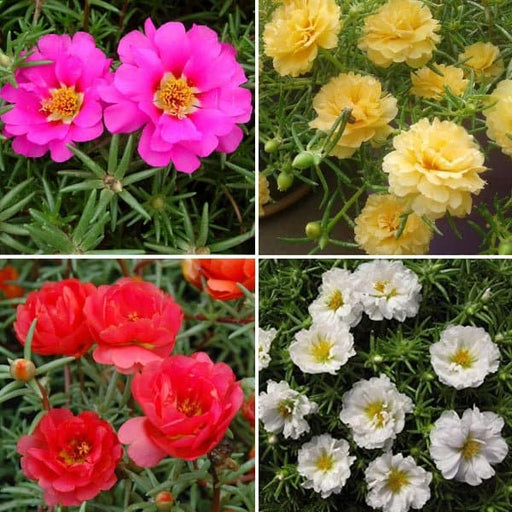
View full detailsPortulaca Garden Pack (4 Plants + 4 Black Pots) Note- You will get any color (Assorted) potted Porulaca plant with this pack. Transform your garde...
View full details






Leave a comment