
Expert Support
Available 24/7 via chat
Available 24/7 via chat
If you follow Vedic astrology or seek to align your home garden with astrological remedies, Shami is a plant that deserves a prominent place. Known as the Tree of Dhanishta Nakshatra and deeply associated with Capricorn (Makar Rashi), Shami holds spiritual significance across Indian households. Beyond its cultural importance, Shami is remarkably easy to grow—a forgiving, drought-tolerant tree that thrives in India's challenging climate with minimal fuss. Whether you're a seasoned gardener or a beginner, this guide will help you cultivate a healthy Shami plant and harness its auspicious energy.
Shami is a sacred plant deeply woven into India's spiritual and mythological fabric. In Hindu tradition, it is venerated as a symbol of prosperity, protection, and divine blessing. The tree is particularly significant for those born under Dhanishta Nakshatra or Capricorn (Makar Rashi), as it is believed to amplify the positive attributes of these astrological placements and strengthen planetary influences.
In Vedic texts, Shami is mentioned as a tree of merit and auspiciousness. Many devotees plant Shami as a living remedy to invoke the blessings of their natal constellation, especially during astrologically significant times. Beyond spirituality, Shami is a practical choice for Indian gardeners—it's native to India's arid and semi-arid regions, endures heat and water scarcity, and requires minimal intervention once established.
| Light | Full sun, 6–8 hours daily |
| Water | Deep watering once established; drought-tolerant |
| Soil | Well-draining, sandy to loamy, low fertility |
| Temperature | Extreme heat tolerant; prefers warm climates |
Shami thrives in full sun and is one of the most light-demanding plants you can grow. It requires a minimum of 6 to 8 hours of direct sunlight daily, though it will perform even better with longer exposure. In India's bright climate, especially in regions prone to intense heat, Shami will flourish without any concern about leaf scorch or sun stress.
Plant Shami in an open garden bed, on a terrace, or in a south or west-facing spot. Avoid shaded or partially shaded locations—trees grown in insufficient light become leggy, produce weak growth, and are more susceptible to pests and diseases. The sunlight also strengthens the plant's spiritual energy, making it a powerful Vedic remedy.
Once established, Shami is exceptionally drought-tolerant. This is one of its greatest strengths for Indian gardeners facing water scarcity. However, during the first year after planting, water the young tree regularly—every 7 to 10 days during the growing season (spring and summer)—to help its root system develop deeply.
After the first year, reduce watering significantly. In monsoon season, rely on natural rainfall and water only if the soil remains bone-dry for more than 2–3 weeks. During winter and extreme heat, the frequency of watering can be minimal. Always allow the soil to dry between waterings; Shami is far more tolerant of underwatering than overwatering. In hard water areas common across India, this plant's tolerance reduces dependency on constant fresh water, making it ideal for sustainable gardening.
Shami prefers well-draining soil and is remarkably tolerant of poor fertility. Sandy, loamy, or gravelly soil is ideal. If you have heavy clay soil, amend it with coarse sand and small pebbles to improve drainage. Poor drainage is the primary risk for Shami—waterlogging can lead to root rot, even in this hardy plant.
Shami does not require heavy feeding. A light application of compost or well-rotted manure once a year, ideally at the start of spring, is sufficient. Avoid high-nitrogen fertilizers, which promote lush foliage at the expense of hardiness. If your soil is particularly poor, a balanced, slow-release fertilizer applied once or twice a year will support steady growth. The tree's ability to thrive in nutrient-poor soil makes it a symbol of resilience and abundance—fitting for its Vedic significance.
Shami is a child of India's heat. It is extraordinary heat-tolerant and performs best in warm climates. Whether you live in the scorching plains of Rajasthan, the summers of the Deccan, or the humid-hot regions of coastal India, Shami will thrive. Temperatures above 30°C are its comfort zone.
The tree is sensitive to cold and frost. If you live in cooler regions like the Himalayas or high-altitude areas, Shami may struggle during winter. Humidity, however, is not a constraint—Shami adapts to both humid and arid environments. In monsoon-heavy regions, ensure good drainage to prevent root issues in waterlogged soil. The tree's heat tolerance is a blessing for gardeners in peninsular India, where conventional ornamental plants often suffer during peak summer.
Shami can be propagated from seeds or cuttings, though seeds are the most reliable method. Collect mature seed pods in late winter or early spring. Extract the seeds and soak them in warm water for 24 hours before sowing to improve germination. Sow seeds in well-draining seed compost and keep the soil lightly moist until germination, which typically occurs within 2–4 weeks.
Seedlings should be grown in individual pots under bright, indirect light for their first few months. Once they develop a strong root system and reach 20–30 cm in height, harden them off gradually and transplant them into the garden. Propagation from semi-hardwood cuttings is possible but less reliable; use rooting hormone if attempting cuttings in the monsoon season when humidity aids root development.
Root rot: The most common issue, caused by waterlogging. Ensure pots and garden soil have excellent drainage. If rot develops, reduce watering immediately and improve aeration in the soil.
Pests: Shami is generally pest-resistant but may occasionally attract scale insects or mealybugs in indoor or poorly ventilated settings. Spray with neem oil if pests appear.
Poor growth: Usually indicates insufficient light or excessively rich soil. Move the plant to a sunnier location and avoid over-fertilizing.
Leaf yellowing: In young plants, this may indicate overwatering or nutrient deficiency. Allow soil to dry and apply a light dose of balanced fertilizer if needed.
Ready to grow your own? Shop Shami at Nurserylive →
Shami Plant - Tree of Dhanishta Nakshatra (Capricorn/Makar Rashi) The Shami plant, revered in Vedic astrology, is associated with the Dhan...
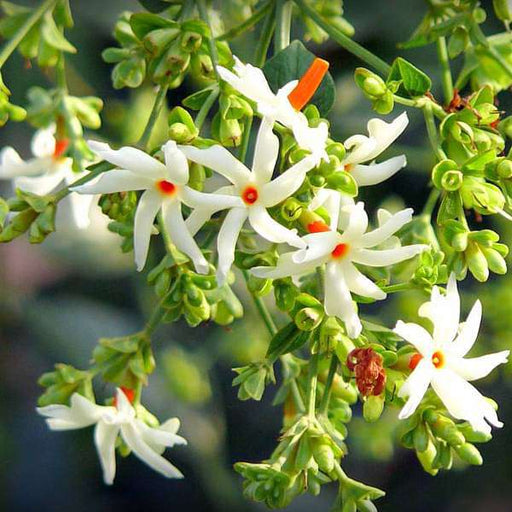
View full detailsCombo Constituents Includes the Parijat Tree (Night-Flowering Jasmine), a culturally significant plant with fragrant flowers. Description The Pari...
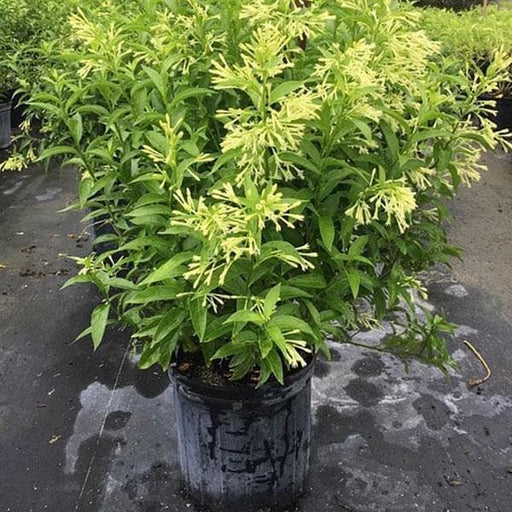
View full detailsDescription Raat Ki Rani (*Cestrum nocturnum*), also known as Night Blooming Jasmine, is a fragrant shrub native to the Caribbean and Central Ameri...
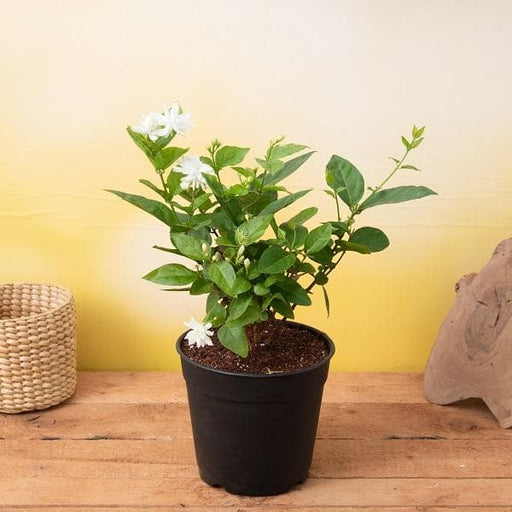
View full detailsJasminum sambac, Mogra, Arabian Jasmine - Plant Jasminum sambac, commonly known as Mogra or Arabian Jasmine, is a fragrant flowering plant...
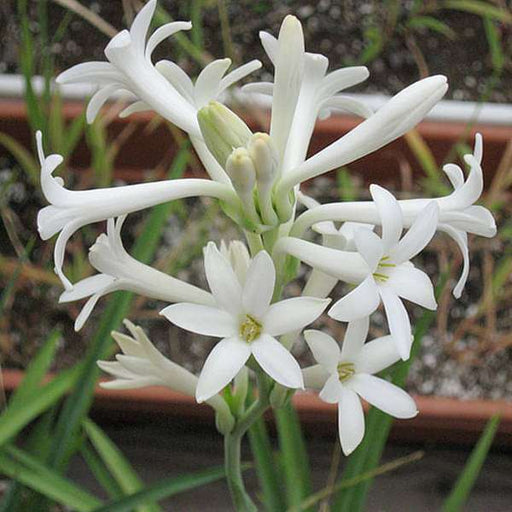
View full detailsRajnigandha, Tuberose - Plant The Rajnigandha, scientifically known as Polianthes tuberosa, is a captivating perennial plant renowned for ...
View full detailsCitronella, Odomas - Plant The Citronella plant, scientifically known as Cymbopogon nardus, is a tropical grass renowned for its aromatic ...
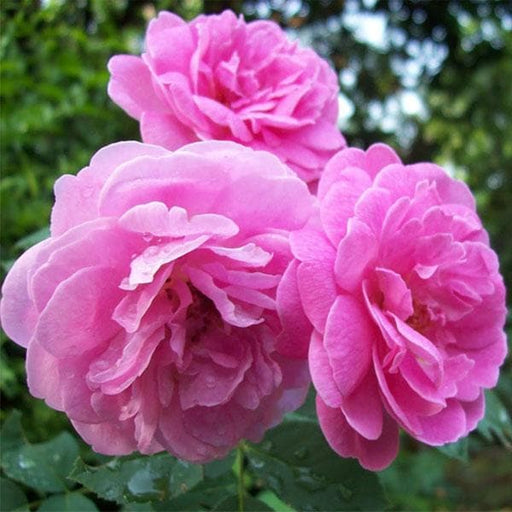
View full detailsDamascus Rose, Scented Rose (Any Color) - Plant The Damascus Rose, also known as Rosa damascena, is a timeless symbol of beauty and romanc...
View full detailsMiniature Rose, Button Rose (Any Color) - Plant The Miniature Rose, also known as the Button Rose, is a charming and compact flowering plant that ...
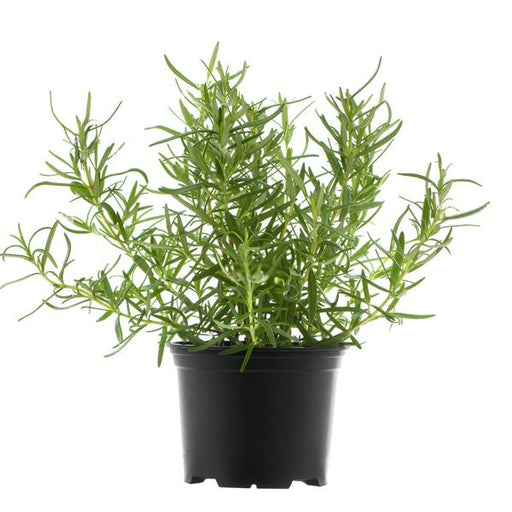
View full detailsRosemary - Plant Rosemary (Rosmarinus officinalis) is a fragrant evergreen herb native to the Mediterranean region. Known for its needle-like leav...
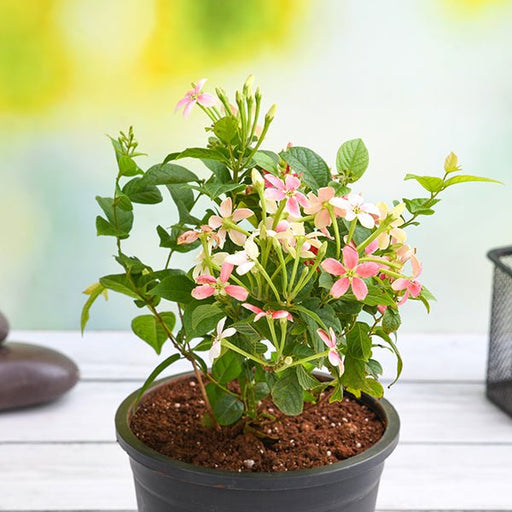
View full detailsMadhumalti Dwarf, Rangoon Creeper - Plant The Madhumalti Dwarf, also known as the Rangoon Creeper (Quisqualis indica), is a stunning perennial vin...
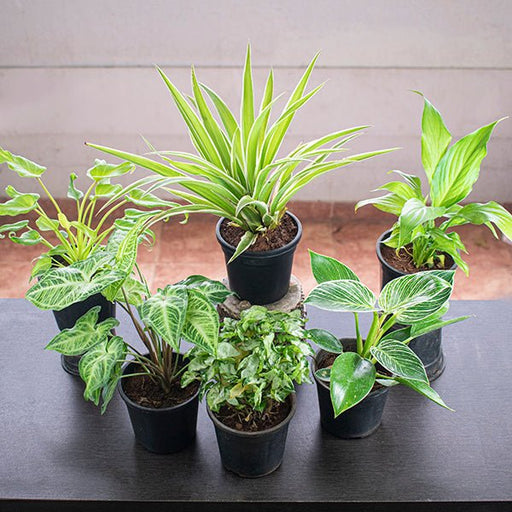
View full detailsBest 6 Plants for Perfect Indoor Garden Transform your living space into a lush oasis with our curated collection of the Best 6 Plants for a...
View full detailsBest 6 Plants for Perfect Indoor Garden Transform your living space into a lush oasis with our curated collection of the Best 6 Plants for a...
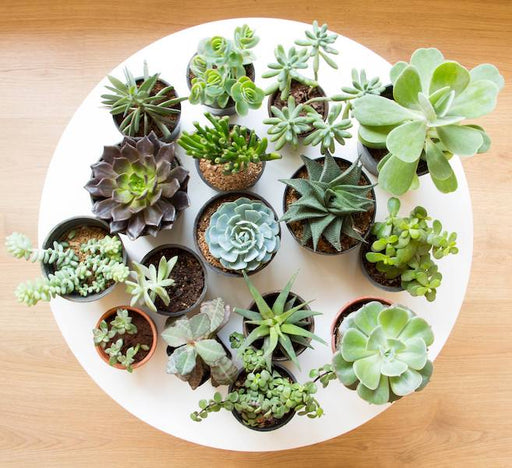
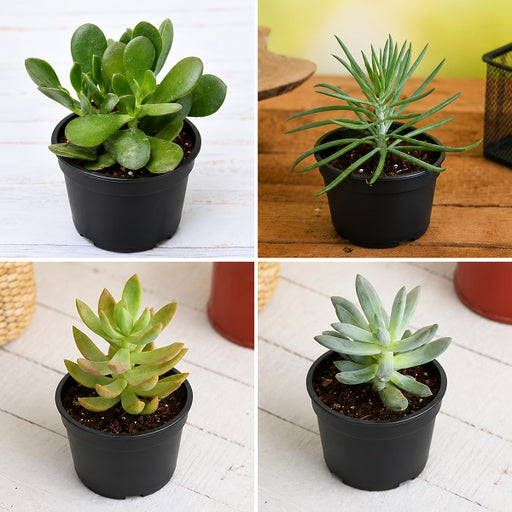
View full detailsMini Succulent Garden Pack Transform your space with our Mini Succulent Garden Pack, featuring a delightful collection of 4 any variety beautiful s...
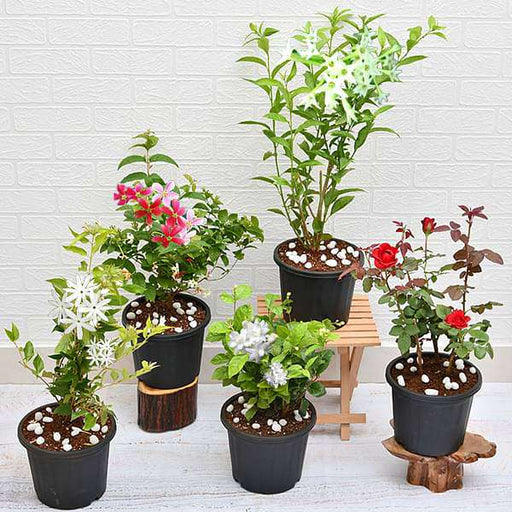
View full details5 Best Fragrant Plants Transform your garden or indoor space into a fragrant paradise with our curated selection of the 5 Best Fragrant Plants. Th...
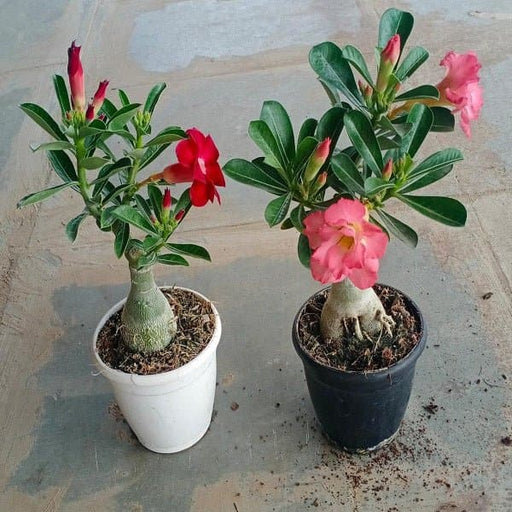
View full detailsSet of 2 Bonsai Looking Grafted Adeniums Transform your indoor or outdoor space with our exquisite Set of 2 Bonsai Looking Grafted Adenium...
View full detailsTop 4 Die Hard Succulents Pack Note: Plants included in this pack will be delivered in a 3-inch nursery pot (any color). Transform your indoor or ...
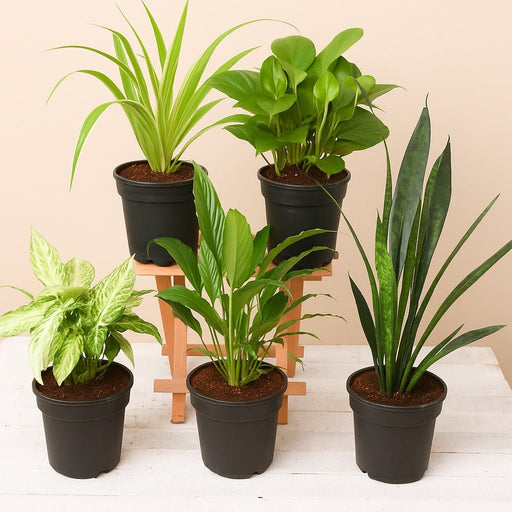
View full details5 Best Indoor Plants Pack Transform your living space into a lush oasis with our '5 Best Indoor Plants Pack.' This carefully curated collection fe...
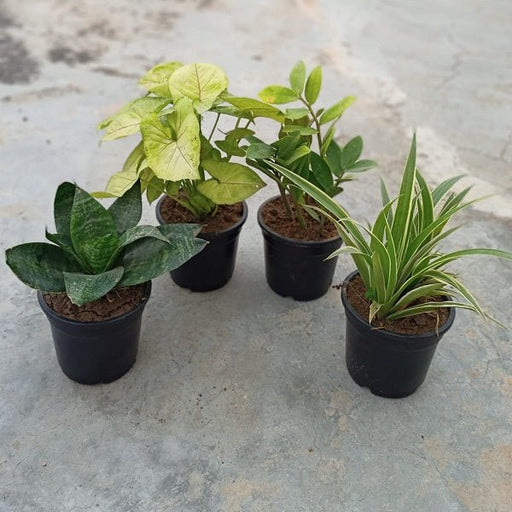
View full detailsSet of 4 Evergreen Air Purifier Plant Pack Transform your indoor space into a lush, green oasis with our Set of 4 Evergreen Air Purifier Pla...
View full detailsTop 5 Pollution Killer Plants Pack Transform your living space into a breath of fresh air with our 'Top 5 Pollution Killer Plants Pack'. This care...
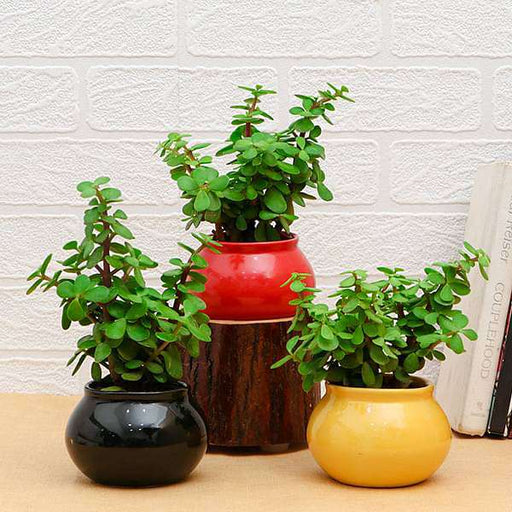
View full detailsPack of 3 Good Luck Jade Plants in Ceramic Pots Bring a touch of nature into your home with our Pack of 3 Good Luck Jade Plants, featuring...
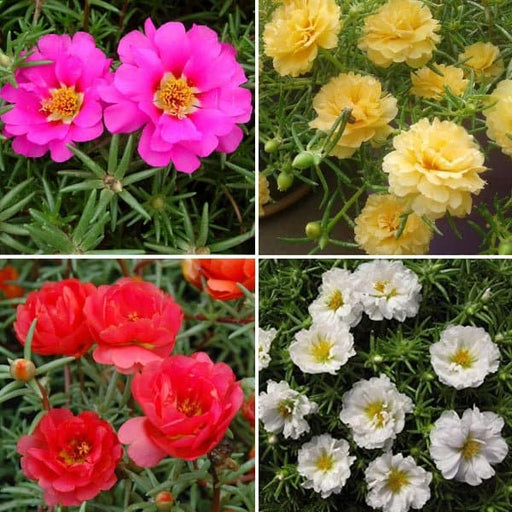
View full detailsPortulaca Garden Pack (4 Plants + 4 Black Pots) Transform your garden into a vibrant oasis with our Portulaca Garden Pack, featuring four ...
View full details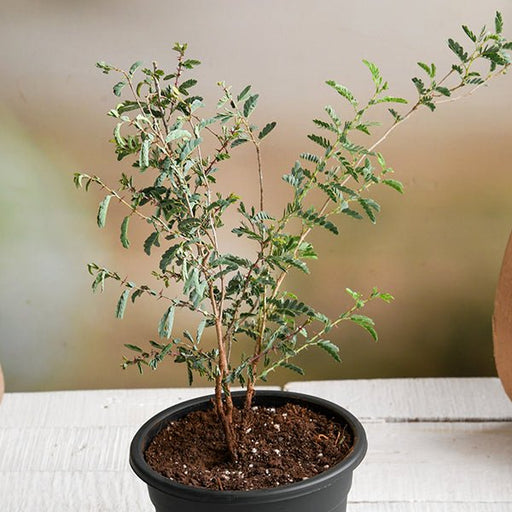






Leave a comment