
Expert Support
Available 24/7 via chat
Available 24/7 via chat
There's nothing quite like the intoxicating fragrance of a scented rose on a warm evening. Whether you're a gardening novice or an experienced horticulturist, scented roses—particularly the Damask variety (also called rose of Castile)—are among the most rewarding plants to cultivate in India. These aromatic perennials deliver year-round blooms in any color you desire, while attracting butterflies and birds to your garden or balcony. The best part? They're remarkably easy to grow, even for beginners.
Scented roses are flowering plants prized for their fragrant, colorful blooms that appear throughout the year in Indian gardens. The Damask rose and rose of Castile are classic varieties known for their strong, sweet fragrance and ornamental appeal. These plants are incredibly versatile—they thrive equally well in pots on your balcony or planted directly in garden beds. When you first receive a scented rose from Nurserylive, it typically stands at about 12 inches (30 cm) tall with a 5-inch (13 cm) spread. With proper care, these plants can reach up to 2.5 meters in height, transforming into robust, fragrant focal points in your landscape. Their year-round blooming habit means you'll enjoy fresh flowers and delightful fragrance across all seasons.
| Light | 3–6 hours direct sunlight daily; bright, natural light for remaining hours |
| Water | 4 cups (~200 ml) when topsoil (1–2 inch) feels dry to touch |
| Soil | Well-drained, fertile soil rich in organic content |
| Temperature | 20–30°C (68–86°F) ideal range |
Scented roses are sun-lovers and perform best with 3 to 6 hours of direct sunlight daily, followed by bright, natural light for the rest of the day. In India's intense summer heat, especially in regions like Delhi, Mumbai, and Bangalore, a little afternoon shade during peak months (April–June) can prevent leaf scorch while maintaining excellent blooming. Morning sun is ideal—it dries dew and reduces fungal issues common in humid Indian climates. If you're growing your rose in a pot, position it on an east-facing or southeast-facing balcony or windowsill for optimal results. Indoor plants should be placed near a bright window with filtered sunlight; avoid deep shade, which will reduce flowering and weaken the plant.
Proper watering is crucial for scented roses, and the golden rule is simple: water when the top 1 to 2 inches of soil feel dry to touch. Apply approximately 4 cups (around 200 ml) of water per watering session. In India's hot, dry seasons, this might mean watering every 2–3 days, while during monsoon and winter, the frequency decreases significantly. Hard water, common in many Indian cities, can accumulate salts in the soil over time—if you notice white crusty deposits on soil surface or pot edges, flush the soil thoroughly with soft water or rainwater once a month. During the monsoon, be cautious of waterlogging; ensure your pot or garden bed has excellent drainage to prevent root rot. Always water at the base of the plant, avoiding wetting the foliage, which can promote fungal diseases in humid conditions. Consistent moisture—not soggy, not bone-dry—is the sweet spot for year-round blooms.
Scented roses demand well-drained, fertile soil rich in organic matter. If using potting soil, ensure it contains compost, coco peat, and perlite or coarse sand for drainage. For garden beds, amend soil with 2–3 inches of well-decomposed compost or aged manure before planting. This organic-rich foundation supports vigorous growth and continuous flowering. Apply an organic fertilizer once a month during the growing season (roughly year-round in Indian climates, though growth slows slightly in winter). Natural options include neem cake, bone meal, cow dung compost, or liquid seaweed extract—all are available from Nurserylive and regional agricultural suppliers. Avoid synthetic fertilizers on sensitive soil or in regions with water scarcity, as they can accumulate salts. Top-dress the soil with fresh compost every 2–3 months to replenish organic content and maintain soil health.
Scented roses thrive in temperatures between 20 and 30°C (68 to 86°F). India's tropical and subtropical climates naturally fall within this range, making scented roses ideal for most regions. During extreme summer heat (above 35°C), the plant may experience reduced flowering and leaf stress—mulch around the base with 2 inches of straw or compost to cool the roots, and increase watering frequency. Winter in temperate Indian zones (North India, Nilgiris) can occasionally dip below 20°C; if frost threatens, move potted roses indoors or provide frost cloth protection. Humidity is generally not a limiting factor in India; however, in regions with very high monsoon humidity, ensure air circulation around the plant to reduce fungal and bacterial infections. Space plants adequately if growing multiple roses in a bed, and consider a light pruning after monsoon to promote new, healthy growth.
Scented roses can be propagated through hardwood cuttings in late autumn or early winter. Select healthy, mature stems about the thickness of a pencil, cut 8–10 inch segments, and dip the cut end in rooting hormone (available from garden centers). Plant cuttings in moist, well-draining rooting medium (equal parts sand and compost) in a pot, cover loosely with a plastic bag, and place in bright, indirect light. Roots typically form within 4–6 weeks. Once rooted, pot the young plants individually and nurture them for 2–3 months before transplanting to final locations. Spring (February–March) is an ideal time to plant new roses in Indian gardens. Alternatively, layer branches by bending them to soil, pinning them down, and allowing roots to develop before severing from the mother plant—this requires patience but often results in robust new plants.
Scented roses are generally easy to grow, but a few issues can arise in Indian conditions. Powdery mildew, common in humid regions with poor air circulation, appears as white powder on leaves; spray with sulfur or neem oil every 7–10 days. Aphids and spider mites love roses—spray infested plants with water or neem solution regularly. Black spot fungus causes dark lesions on leaves, especially during monsoon; remove affected leaves, improve drainage, and spray with fungicide if severe. Nutrient deficiency (yellowing leaves despite watering) often signals poor soil or hard-water mineral buildup; flush soil and apply balanced organic fertilizer. Leggy, sparse growth indicates insufficient light; prune back by one-third and relocate to a sunnier spot. Most issues are preventable through consistent care, good drainage, and regular monitoring.
Ready to grow your own? Shop Scented rose at Nurserylive →
Scented Rose (Any Variety, Any Color) - Plant Experience the timeless beauty and enchanting fragrance of our Scented Rose plants. Available in a v...
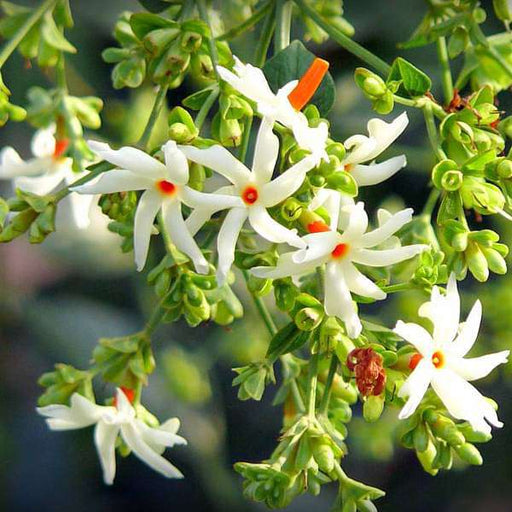
View full detailsCombo Constituents Includes the Parijat Tree (Night-Flowering Jasmine), a culturally significant plant with fragrant flowers. Description The Pari...
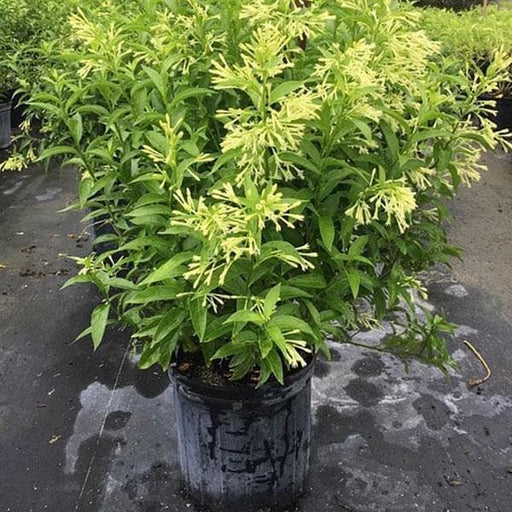
View full detailsDescription Raat Ki Rani (*Cestrum nocturnum*), also known as Night Blooming Jasmine, is a fragrant shrub native to the Caribbean and Central Ameri...
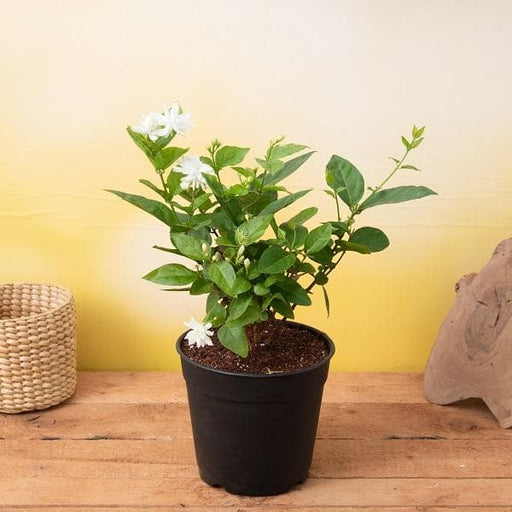
View full detailsJasminum sambac, Mogra, Arabian Jasmine - Plant Jasminum sambac, commonly known as Mogra or Arabian Jasmine, is a fragrant flowering plant...
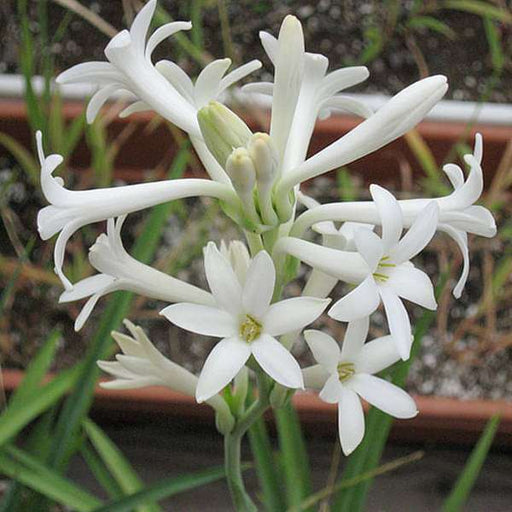
View full detailsRajnigandha, Tuberose - Plant The Rajnigandha, scientifically known as Polianthes tuberosa, is a captivating perennial plant renowned for ...
View full detailsCitronella, Odomas - Plant The Citronella plant, scientifically known as Cymbopogon nardus, is a tropical grass renowned for its aromatic ...
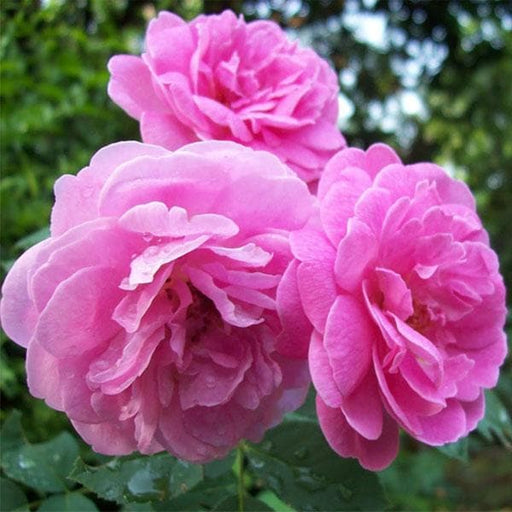
View full detailsDamascus Rose, Scented Rose (Any Color) - Plant The Damascus Rose, also known as Rosa damascena, is a timeless symbol of beauty and romanc...
View full detailsMiniature Rose, Button Rose (Any Color) - Plant The Miniature Rose, also known as the Button Rose, is a charming and compact flowering plant that ...
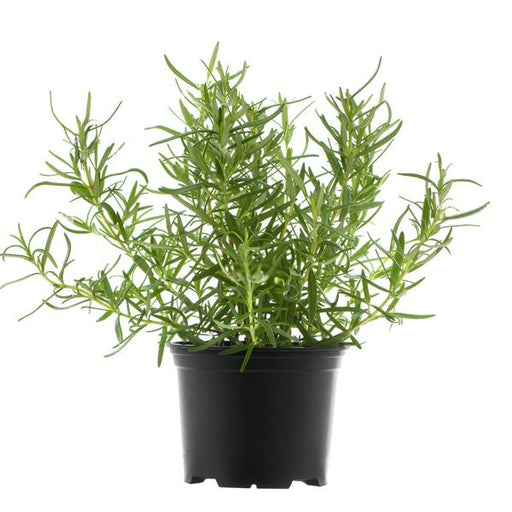
View full detailsRosemary - Plant Rosemary (Rosmarinus officinalis) is a fragrant evergreen herb native to the Mediterranean region. Known for its needle-like leav...
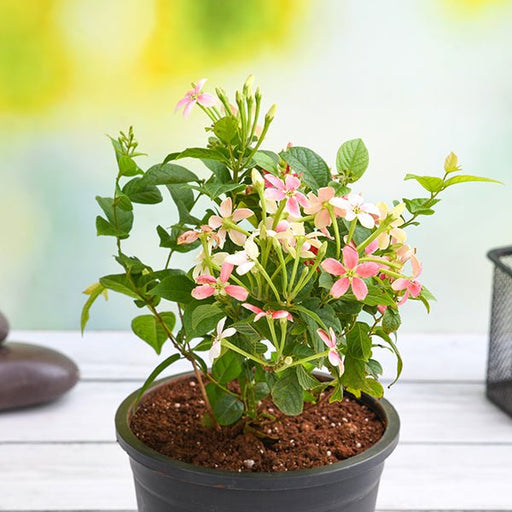
View full detailsMadhumalti Dwarf, Rangoon Creeper - Plant The Madhumalti Dwarf, also known as the Rangoon Creeper (Quisqualis indica), is a stunning perennial vin...
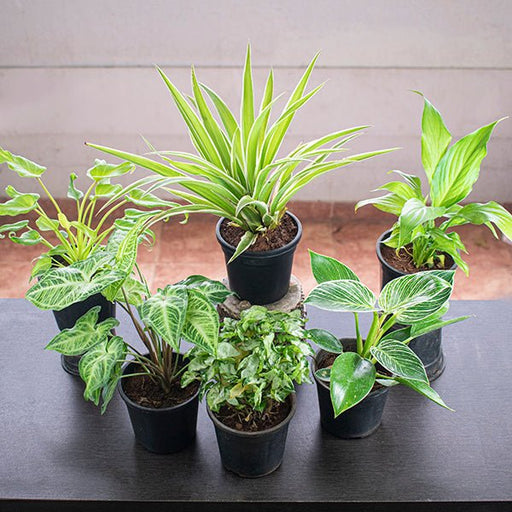
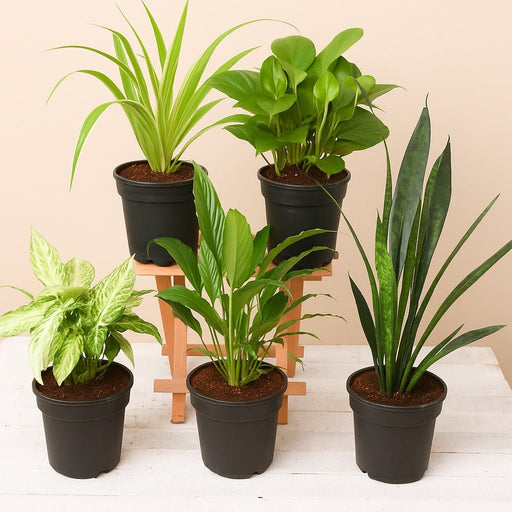
View full detailsBest 6 Plants for Perfect Indoor Garden Transform your living space into a lush oasis with our curated collection of the Best 6 Plants for a...
View full detailsBest 6 Plants for Perfect Indoor Garden Transform your living space into a lush oasis with our curated collection of the Best 6 Plants for a...
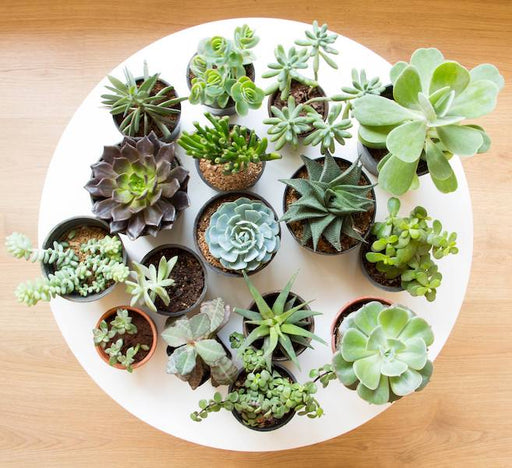
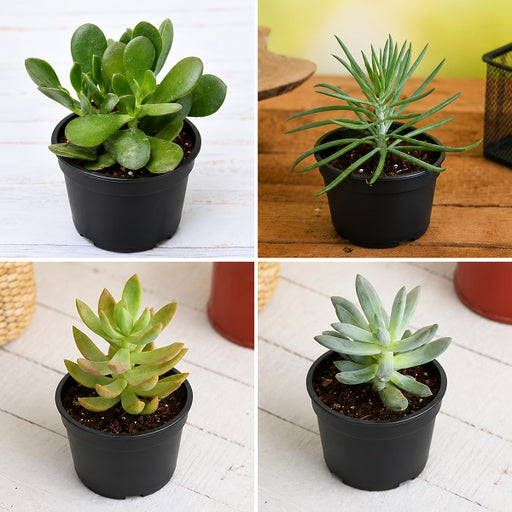
View full detailsMini Succulent Garden Pack Transform your space with our Mini Succulent Garden Pack, featuring a delightful collection of 4 any variety beautiful s...
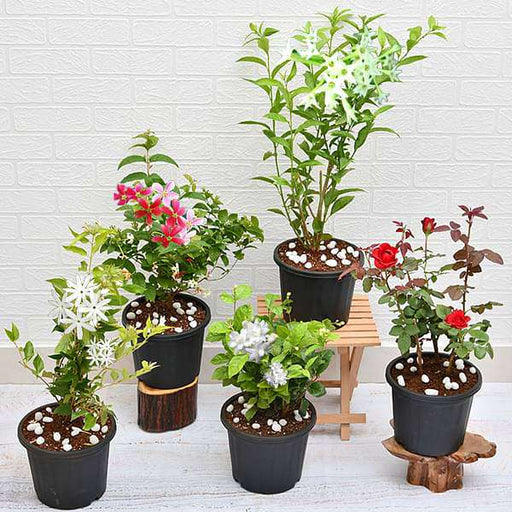
View full details5 Best Fragrant Plants Transform your garden or indoor space into a fragrant paradise with our curated selection of the 5 Best Fragrant Plants. Th...
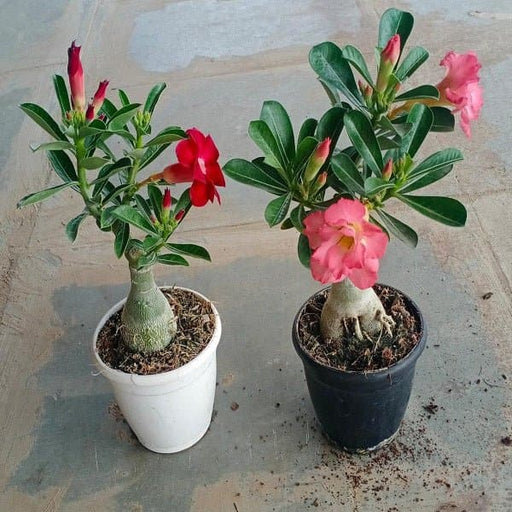
View full detailsSet of 2 Bonsai Looking Grafted Adeniums Transform your indoor or outdoor space with our exquisite Set of 2 Bonsai Looking Grafted Adenium...
View full detailsTop 4 Die Hard Succulents Pack Note: Plants included in this pack will be delivered in a 3-inch nursery pot (any color). Transform your indoor or ...
View full details5 Best Indoor Plants Pack Transform your living space into a lush oasis with our '5 Best Indoor Plants Pack.' This carefully curated collection fe...
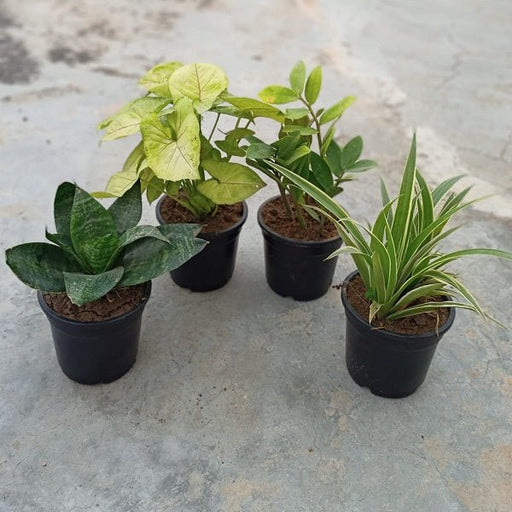
View full detailsSet of 4 Evergreen Air Purifier Plant Pack Transform your indoor space into a lush, green oasis with our Set of 4 Evergreen Air Purifier Pla...
View full detailsTop 5 Pollution Killer Plants Pack Transform your living space into a breath of fresh air with our 'Top 5 Pollution Killer Plants Pack'. This care...
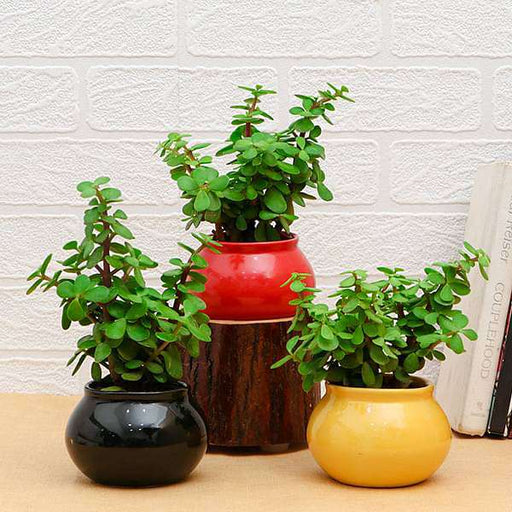
View full detailsPack of 3 Good Luck Jade Plants in Ceramic Pots Bring a touch of nature into your home with our Pack of 3 Good Luck Jade Plants, featuring...
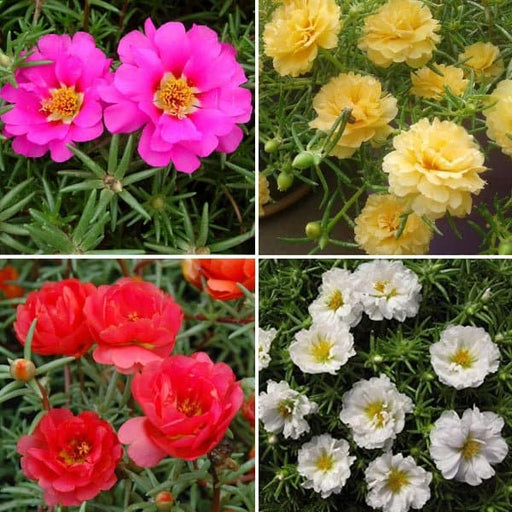
View full detailsPortulaca Garden Pack (4 Plants + 4 Black Pots) Note- You will get any color (Assorted) potted Porulaca plant with this pack. Transform your garde...
View full details






Leave a comment