
Expert Support
Available 24/7 via chat
Available 24/7 via chat
Russelia, affectionately known as the Firecracker plant, Coral plant, or Rasili, is one of India's most beloved low-maintenance flowering plants. With its delicate, arching branches crowned in vibrant red flowers that seem to sparkle like firecrackers, this perennial beauty has earned its place in thousands of Indian gardens. Whether cascading from a hanging pot on your balcony or nestled in a corner bed, Russelia rewards you with prolific blooms year-round—and asks very little in return.
Russelia is a tender perennial shrub that has adapted beautifully to Indian growing conditions. The plant you'll receive from Nurserylive is typically 12 inches (30 cm) tall with a compact 3-inch (8 cm) spread, but don't let its modest size fool you. With care, Russelia can reach 2 to 4 feet in height and width, making it an excellent choice for creating fuller, more dramatic displays over time. The stunning red, tubular flowers appear almost year-round under the right conditions, attracting butterflies and other pollinators to your garden. Its ease of cultivation and prolific flowering habit make it perfect for both beginners and experienced gardeners.
| Care Factor | Requirement |
|---|---|
| Light | Full sun (6–8 hours daily) |
| Water | Medium (moist, not waterlogged) |
| Soil | Loam, sand, well-drained |
| Temperature | 65–75°F (18–24°C ideal); heat-tolerant |
Russelia is a sun worshipper. To achieve those prolific, jewel-toned red flowers you see in pictures, plant it in a spot that receives full sun—at least 6 to 8 hours of direct sunlight daily. In Indian gardens, this means a north-facing balcony in summer or an open bed with morning and afternoon light. During intense peak summer heat (April to June), if you're in an extreme heat zone, afternoon shade for an hour or two is acceptable, but don't make it a habit. Partial shade will slow flowering and may result in leggy, sparse growth. If you're growing Russelia indoors, place it near a bright window or use grow lights to supplement natural light.
Russelia requires medium watering—think "moist but not wet." During the growing season (spring through early autumn), water when the top inch of soil feels dry to the touch. In India's hot, dry months, this could mean watering every 2 to 3 days, depending on pot size and location. During the monsoon, reduce watering frequency since rainfall will contribute moisture; be especially careful not to let the pot sit in standing water or waterlogged soil, as this invites root rot. In cooler months (November to February), scale back watering further—the plant's water needs drop significantly. Always use pots with drainage holes, and avoid using hard or heavily chlorinated water if possible; if your tap water is hard, let it sit overnight before using it on your plants.
Russelia thrives in well-draining soil blended from loam and sand. A simple recipe: mix equal parts garden loam, coarse sand, and compost or aged cow manure. This combination ensures good drainage while retaining enough moisture and nutrients. Poor drainage is the number-one killer of Russelia, so prioritize this step. Fertilizer is straightforward: apply any organic fertilizer every 4 to 6 weeks during the growing season (spring through early autumn). Neem cake, cow manure, bone meal, or a balanced organic fertilizer all work beautifully. Organic feeding not only encourages steady, vigorous growth but also attracts beneficial insects and pollinators.
Russelia's ideal temperature range is 65–75°F (18–24°C), which represents peak growing conditions. However, the plant is remarkably heat-tolerant and will thrive in India's warm climate, even during hot summers. The catch: extreme heat combined with low soil moisture can stress the plant and reduce flowering. Maintain consistent soil moisture during peak summer, and Russelia will handle the heat without complaint. Humidity is not a limiting factor in most of India; the plant adapts well to both dry and humid climates. During monsoon months, ensure good air circulation around the plant to prevent fungal issues.
Russelia is one of the easiest plants to propagate, making it perfect for sharing with friends or expanding your garden. Take 4- to 6-inch stem cuttings in spring or early summer, remove the lower leaves, and place them directly in moist potting soil or a sand-peat mixture. Keep the medium consistently moist (not waterlogged) and place the pot in bright, indirect light. Most cuttings will root within 3 to 4 weeks. Once rooted, gradually introduce them to brighter light and begin feeding lightly. You'll have new plants ready to pot up or gift within 2 months.
Despite its robustness, a few issues can arise:
Ready to grow your own? Shop Russelia at Nurserylive →
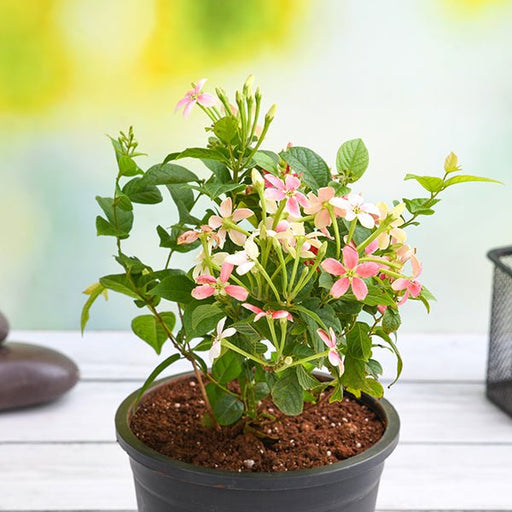
Russelia (Red) - Plant The Russelia (Red), commonly known as the Firecracker Plant, is a stunning perennial that captivates with its vibra...
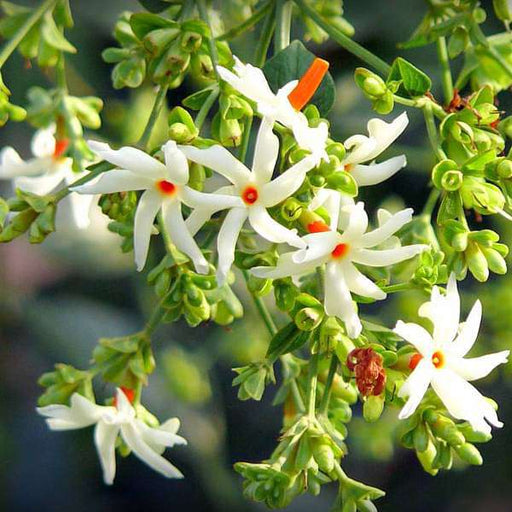
View full detailsCombo Constituents Includes the Parijat Tree (Night-Flowering Jasmine), a culturally significant plant with fragrant flowers. Description The Pari...
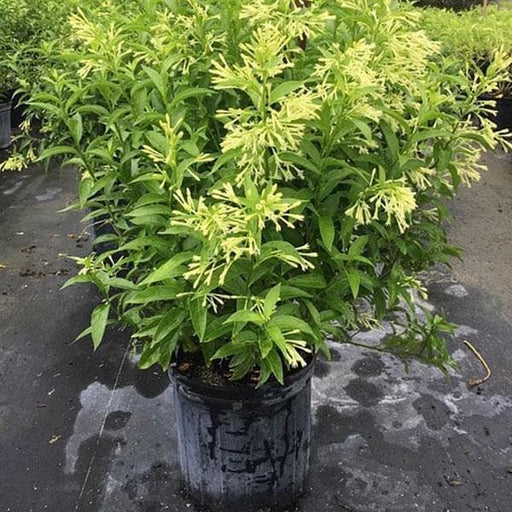
View full detailsDescription Raat Ki Rani (*Cestrum nocturnum*), also known as Night Blooming Jasmine, is a fragrant shrub native to the Caribbean and Central Ameri...
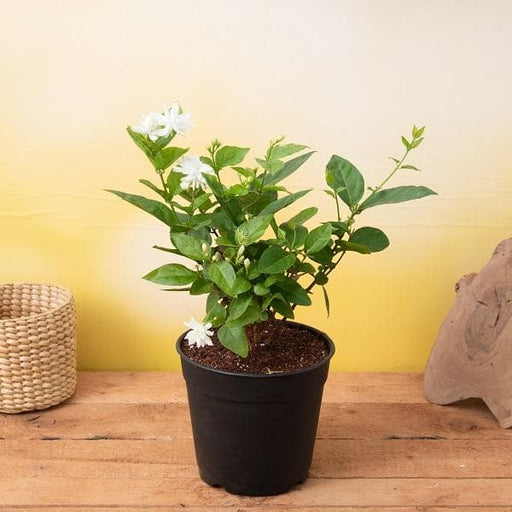
View full detailsJasminum sambac, Mogra, Arabian Jasmine - Plant Jasminum sambac, commonly known as Mogra or Arabian Jasmine, is a fragrant flowering plant...
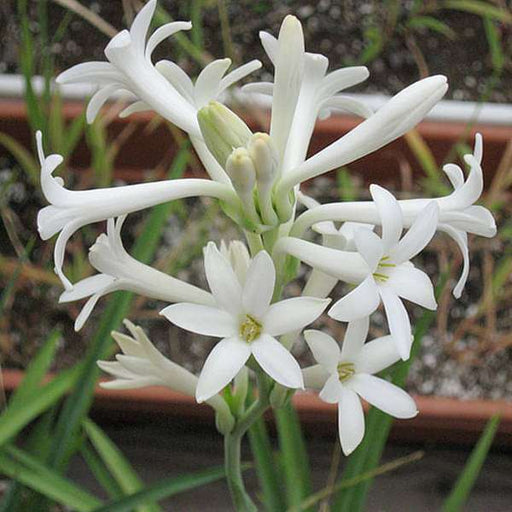
View full detailsRajnigandha, Tuberose - Plant The Rajnigandha, scientifically known as Polianthes tuberosa, is a captivating perennial plant renowned for ...
View full detailsCitronella, Odomas - Plant The Citronella plant, scientifically known as Cymbopogon nardus, is a tropical grass renowned for its aromatic ...
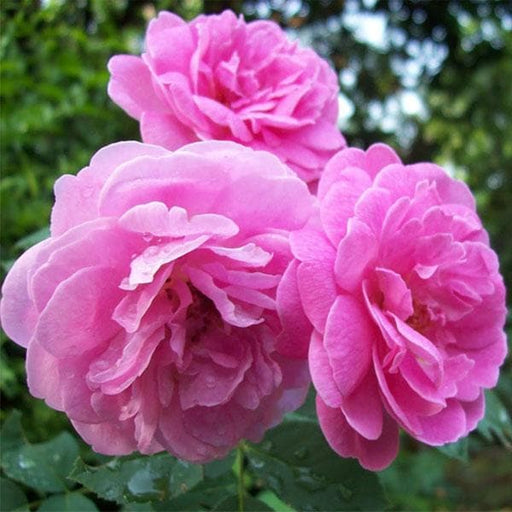
View full detailsDamascus Rose, Scented Rose (Any Color) - Plant The Damascus Rose, also known as Rosa damascena, is a timeless symbol of beauty and romanc...
View full detailsMiniature Rose, Button Rose (Any Color) - Plant The Miniature Rose, also known as the Button Rose, is a charming and compact flowering plant that ...
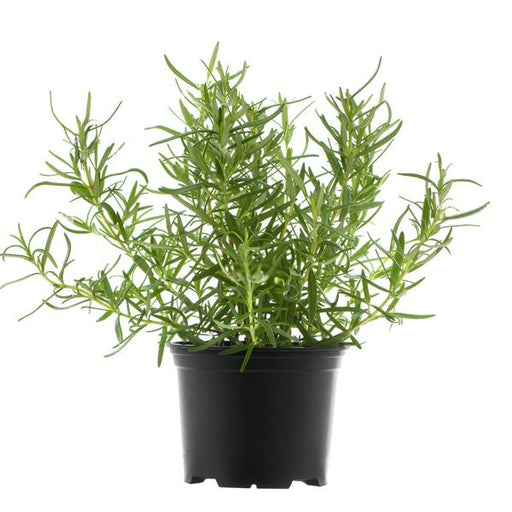
View full detailsRosemary - Plant Rosemary (Rosmarinus officinalis) is a fragrant evergreen herb native to the Mediterranean region. Known for its needle-like leav...
View full detailsMadhumalti Dwarf, Rangoon Creeper - Plant The Madhumalti Dwarf, also known as the Rangoon Creeper (Quisqualis indica), is a stunning perennial vin...
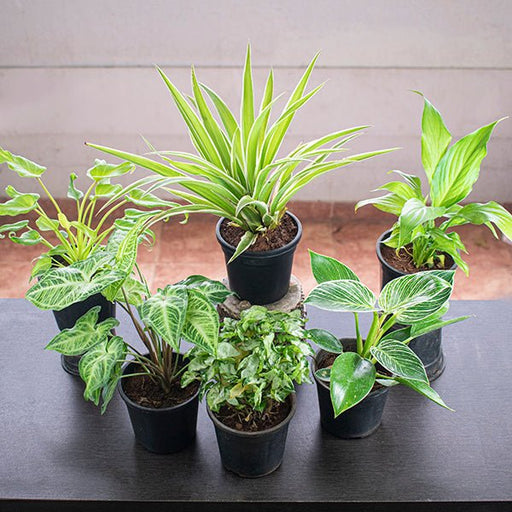
View full detailsBest 6 Plants for Perfect Indoor Garden Transform your living space into a lush oasis with our curated collection of the Best 6 Plants for a...
View full detailsBest 6 Plants for Perfect Indoor Garden Transform your living space into a lush oasis with our curated collection of the Best 6 Plants for a...
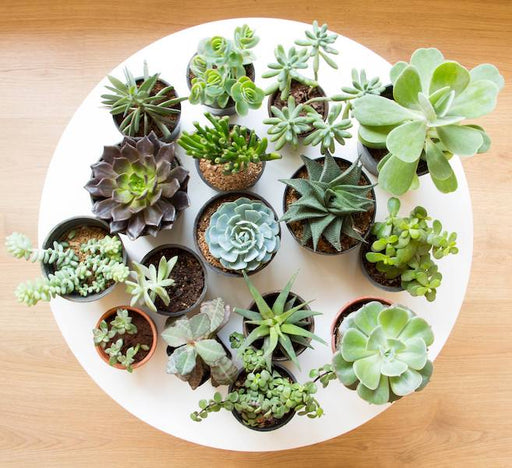
View full detailsMini Succulent Garden Pack Transform your space with our Mini Succulent Garden Pack, featuring a delightful collection of 4 any variety beautiful s...
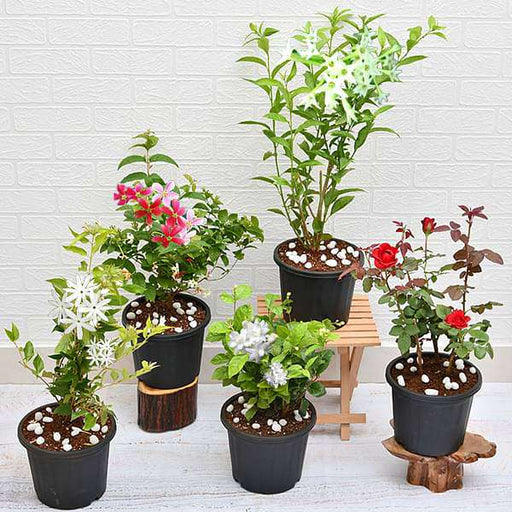
View full details5 Best Fragrant Plants Transform your garden or indoor space into a fragrant paradise with our curated selection of the 5 Best Fragrant Plants. Th...
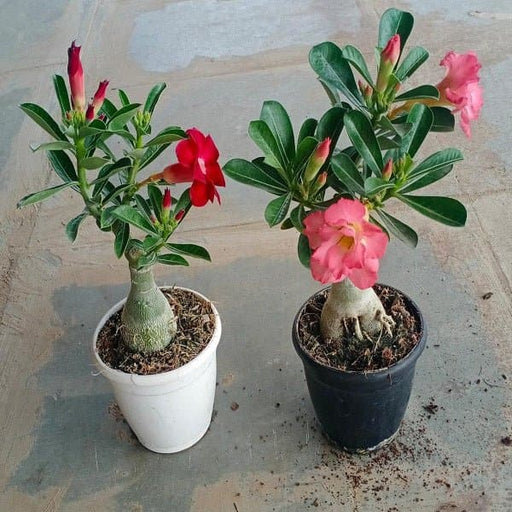
View full detailsSet of 2 Bonsai Looking Grafted Adeniums Transform your indoor or outdoor space with our exquisite Set of 2 Bonsai Looking Grafted Adenium...
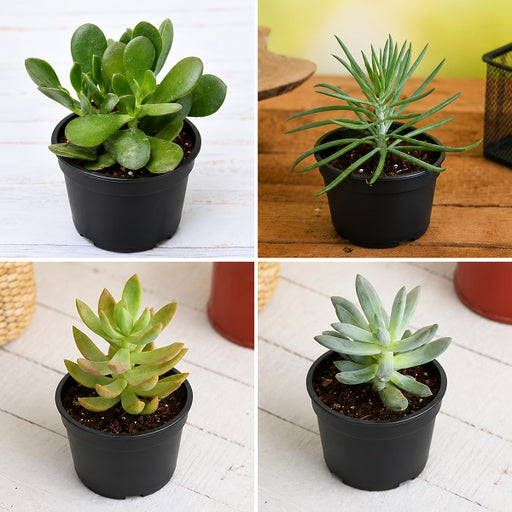
View full detailsTop 4 Die Hard Succulents Pack Note: Plants included in this pack will be delivered in a 3-inch nursery pot (any color). Transform your indoor or ...
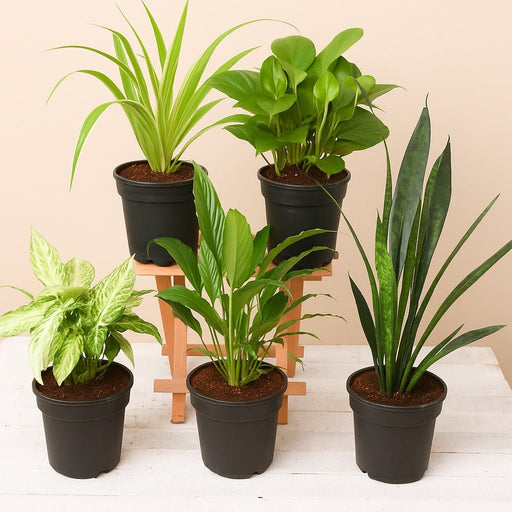
View full details5 Best Indoor Plants Pack Transform your living space into a lush oasis with our '5 Best Indoor Plants Pack.' This carefully curated collection fe...
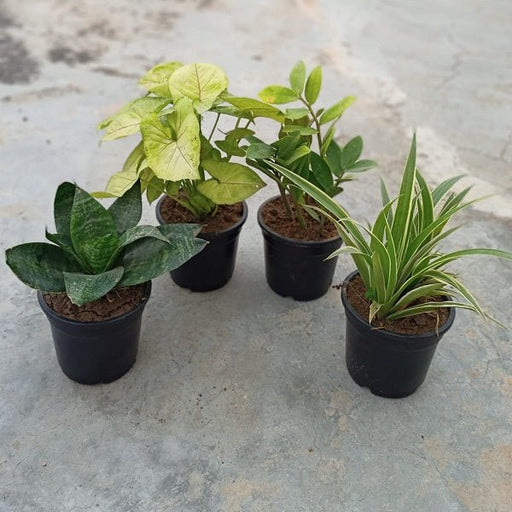
View full detailsSet of 4 Evergreen Air Purifier Plant Pack Transform your indoor space into a lush, green oasis with our Set of 4 Evergreen Air Purifier Pla...
View full detailsTop 5 Pollution Killer Plants Pack Transform your living space into a breath of fresh air with our 'Top 5 Pollution Killer Plants Pack'. This care...
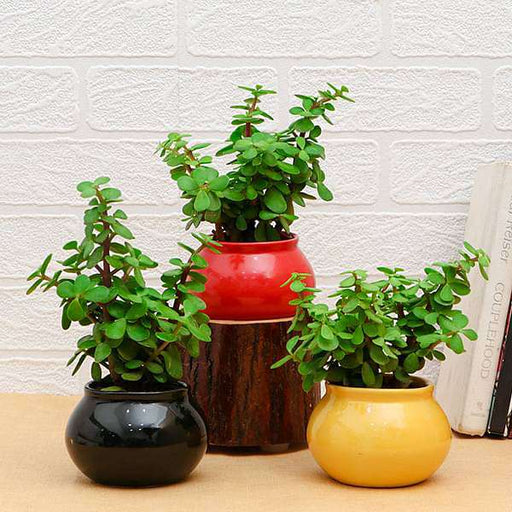
View full detailsPack of 3 Good Luck Jade Plants in Ceramic Pots Bring a touch of nature into your home with our Pack of 3 Good Luck Jade Plants, featuring...
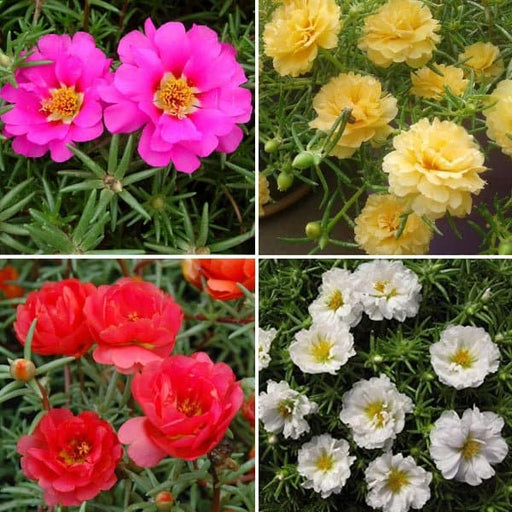
View full detailsPortulaca Garden Pack (4 Plants + 4 Black Pots) Note- You will get any color (Assorted) potted Porulaca plant with this pack. Transform your garde...
View full details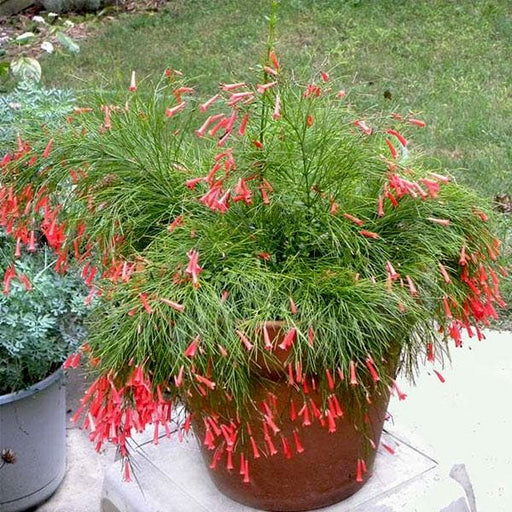






Leave a comment