
Expert Support
Available 24/7 via chat
Available 24/7 via chat
Rosemary is one of the most rewarding herbs for Indian gardeners—it's nearly impossible to kill, grows year-round, and rewards you with fragrant foliage and delicate flowers in spring and summer. Whether you're planting it for the kitchen, for its natural pest-repelling properties, or simply for the pollinators it attracts, this hardy perennial adapts beautifully to India's diverse climates. What's more, it thrives in the heat and actually prefers drier conditions, making it ideal for regions that experience intense summers and erratic monsoon rains.
Rosemary, scientifically known as Salvia rosmarinus, is a Mediterranean herb that has become a staple in Indian gardens. Young plants typically reach 18 inches (46 cm) in height with a 6-inch spread when you bring them home, but given time and proper care, they'll mature into substantial 4- to 6-foot shrubs. The plant produces delicate flowers in white, pink, and purple hues, blooming reliably through spring and summer.
This is truly a beginner-friendly plant—its difficulty level is rated as Easy, meaning even new gardeners will succeed. Beyond the kitchen, rosemary's strong aromatic oils make it a natural pest repellent, keeping unwanted insects at bay, while its flowers are beloved by pollinators like bees and butterflies. It's a perennial investment that will serve your garden for years with minimal complaint.
| Care Factor | Requirements |
|---|---|
| Light | 3–6 hours of morning sunlight daily; indirect bright light for the remainder |
| Water | Check top 1–2 inches of soil; water only when dry to touch |
| Soil | Well-drained, fertile, organic-rich soil |
| Temperature | 15–37°C; thrives in Indian heat |
Rosemary is a sun-lover and will perform best with at least 3 to 6 hours of direct morning sunlight each day. Morning sun is especially valuable in India because it helps dry dew and rainfall, reducing the risk of fungal issues during humid seasons. After those initial morning hours, your rosemary appreciates bright, indirect light for the rest of the day.
If you're gardening in regions that experience scorching afternoons—particularly in central and northern India—your plant will appreciate afternoon shade during the peak heat months (May–July). In coastal or western regions where humidity runs high, ensure maximum air circulation and morning sun exposure to keep the foliage dry and healthy.
This is where rosemary earns its reputation for hardiness: it actually prefers drier conditions and dislikes waterlogged soil. Before watering, always check the soil moisture yourself. Poke your finger or a small stick into the top 1 to 2 inches of soil. If it feels dry to the touch, water thoroughly. If it still feels moist, wait a few more days.
During India's monsoon season (June–September), drastically reduce watering frequency—excess rain combined with poor drainage can lead to root rot, which is one of the few ways to kill this resilient plant. During dry seasons (October–May), you may water once every 7–10 days, depending on your local temperature and humidity. The golden rule: it's better to underwater than overwater rosemary.
If you're in a region with hard water, occasional watering with collected rainwater can help prevent mineral buildup on the foliage. Always water at the base of the plant, avoiding the leaves.
Rosemary demands well-drained soil to thrive. Heavy, clay-rich soils common in many Indian regions must be amended with organic matter—add aged compost, peat moss, or coir to improve drainage. The soil should be fertile and rich in organic content, creating a balanced environment where the plant can establish strong roots without sitting in moisture.
If planting in pots (ideal for monsoon-prone areas where you can move the plant to shelter), use a good-quality potting mix combined with extra perlite or coarse sand for drainage. During the main growing season—June and July in India—feed your rosemary with organic fertilizer. This could be well-decomposed farmyard manure, neem cake, or a balanced organic granular fertilizer. Feed once monthly during these peak growing months, then reduce feeding in winter when growth naturally slows.
Rosemary thrives in temperatures between 15 and 37°C, which covers nearly all of India's climate zones. It actually performs exceptionally well in hot weather—the higher end of this range suits it perfectly. The plant is hardy and can tolerate temperature fluctuations, making it reliable across seasons.
However, humidity is a consideration, particularly in coastal and western Indian regions. Rosemary originates from the dry Mediterranean and prefers lower humidity. High monsoon humidity combined with still air can promote fungal diseases. Combat this by ensuring excellent air circulation, planting in well-draining soil, and avoiding overhead watering. If your region is very humid, consider growing rosemary in pots where you can move it to a sheltered, well-ventilated spot during the heavy monsoon months.
Rosemary is easily propagated from stem cuttings, allowing you to create new plants from an established one. In spring or early summer, take 3- to 4-inch cuttings from fresh, tender growth, just below a leaf node. Remove lower leaves, leaving only a few at the top. Dip the cut end in rooting hormone (optional but helpful), then insert into moist, well-draining seed-starting mix or a 50:50 blend of peat moss and perlite.
Keep the soil consistently moist but not waterlogged, and maintain warm temperatures (20–25°C). Roots typically develop in 3–4 weeks. Once rooted, gradually acclimate the young plant to normal watering and light conditions before transplanting to larger pots or the garden. This method gives you endless rosemary plants to share or expand your own collection.
Ready to grow your own? Shop Rosemary at Nurserylive →
Rosemary - Plant Rosemary (Rosmarinus officinalis) is a fragrant evergreen herb native to the Mediterranean region. Known for its needle-like leav...
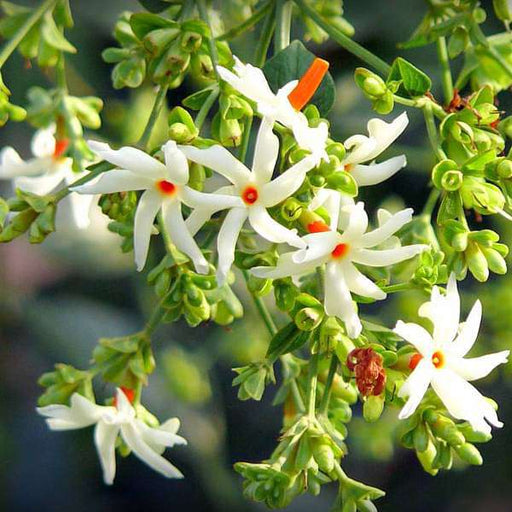
View full detailsCombo Constituents Includes the Parijat Tree (Night-Flowering Jasmine), a culturally significant plant with fragrant flowers. Description The Pari...
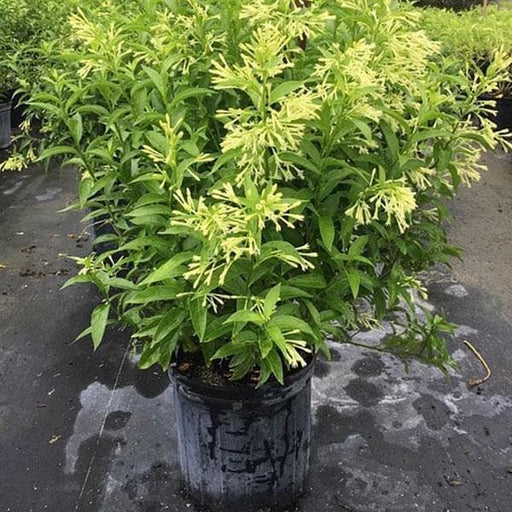
View full detailsDescription Raat Ki Rani (*Cestrum nocturnum*), also known as Night Blooming Jasmine, is a fragrant shrub native to the Caribbean and Central Ameri...
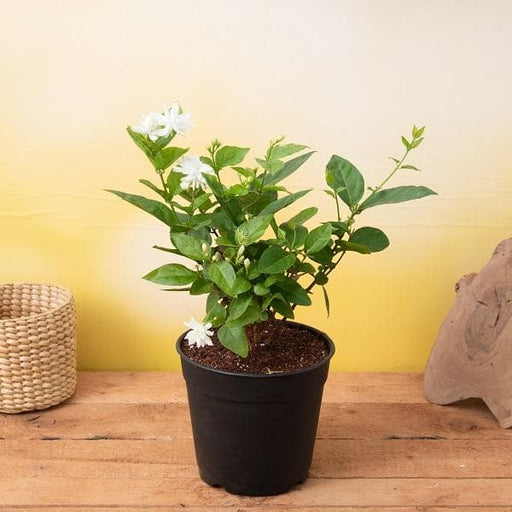
View full detailsJasminum sambac, Mogra, Arabian Jasmine - Plant Jasminum sambac, commonly known as Mogra or Arabian Jasmine, is a fragrant flowering plant...
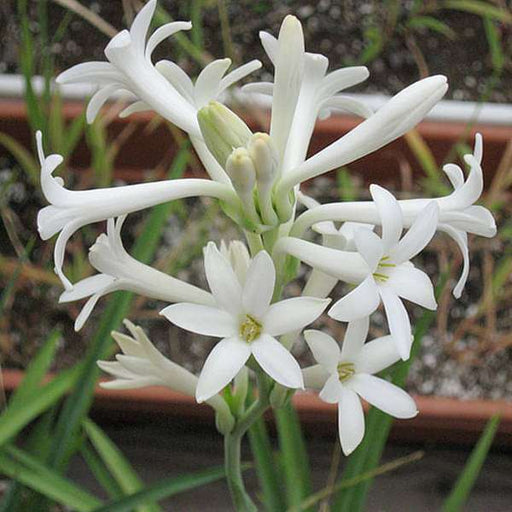
View full detailsRajnigandha, Tuberose - Plant The Rajnigandha, scientifically known as Polianthes tuberosa, is a captivating perennial plant renowned for ...
View full detailsCitronella, Odomas - Plant The Citronella plant, scientifically known as Cymbopogon nardus, is a tropical grass renowned for its aromatic ...
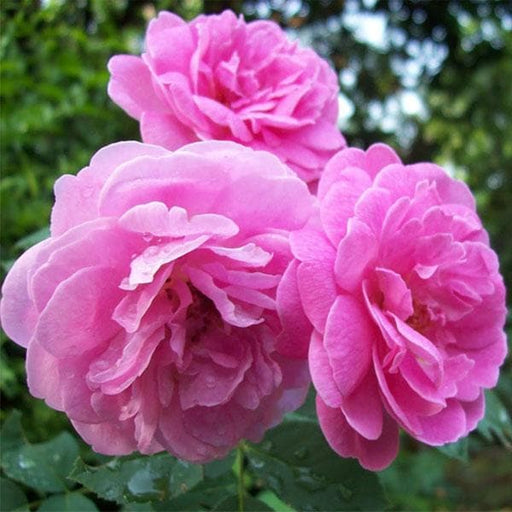
View full detailsDamascus Rose, Scented Rose (Any Color) - Plant The Damascus Rose, also known as Rosa damascena, is a timeless symbol of beauty and romanc...
View full detailsMiniature Rose, Button Rose (Any Color) - Plant The Miniature Rose, also known as the Button Rose, is a charming and compact flowering plant that ...
View full detailsRosemary - Plant Rosemary (Rosmarinus officinalis) is a fragrant evergreen herb native to the Mediterranean region. Known for its needle-like leav...
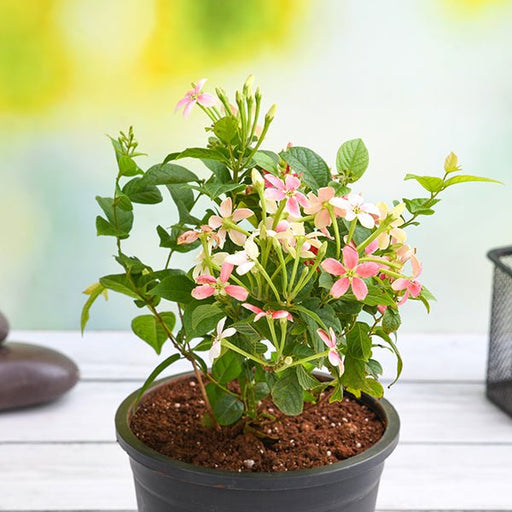
View full detailsMadhumalti Dwarf, Rangoon Creeper - Plant The Madhumalti Dwarf, also known as the Rangoon Creeper (Quisqualis indica), is a stunning perennial vin...
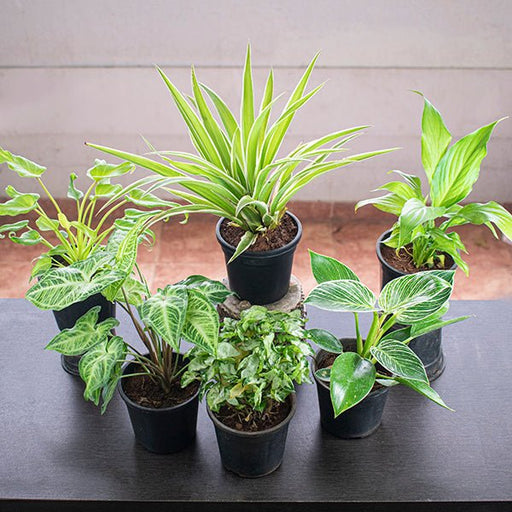
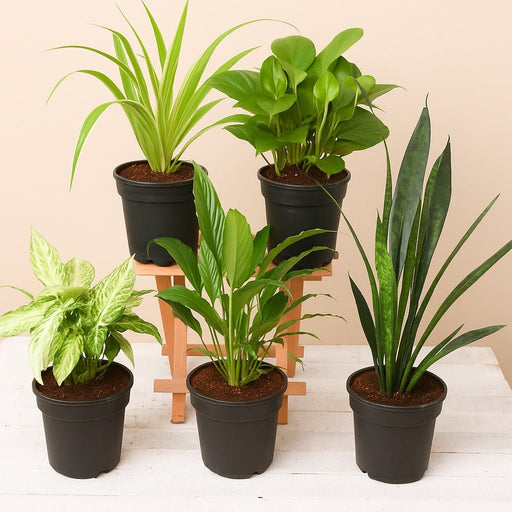
View full detailsBest 6 Plants for Perfect Indoor Garden Transform your living space into a lush oasis with our curated collection of the Best 6 Plants for a...
View full detailsBest 6 Plants for Perfect Indoor Garden Transform your living space into a lush oasis with our curated collection of the Best 6 Plants for a...
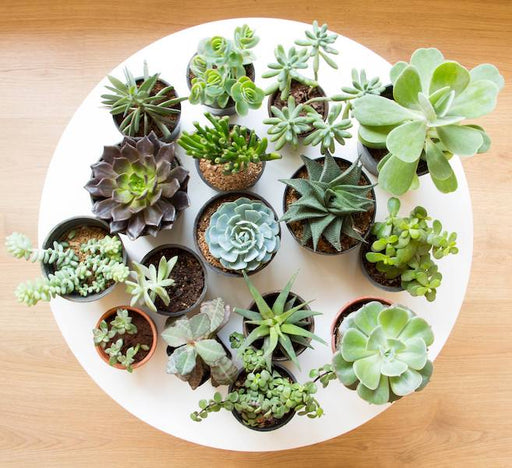
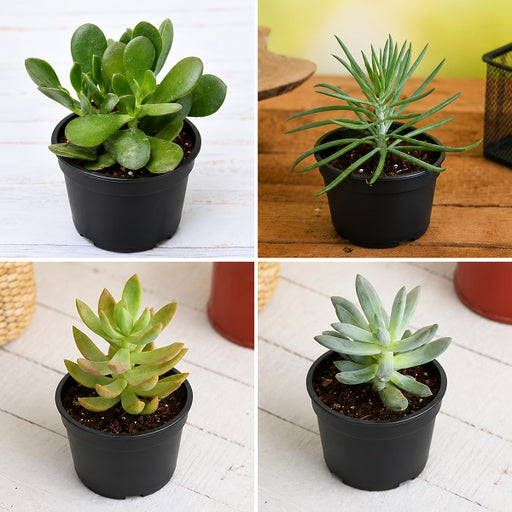
View full detailsMini Succulent Garden Pack Transform your space with our Mini Succulent Garden Pack, featuring a delightful collection of 4 any variety beautiful s...
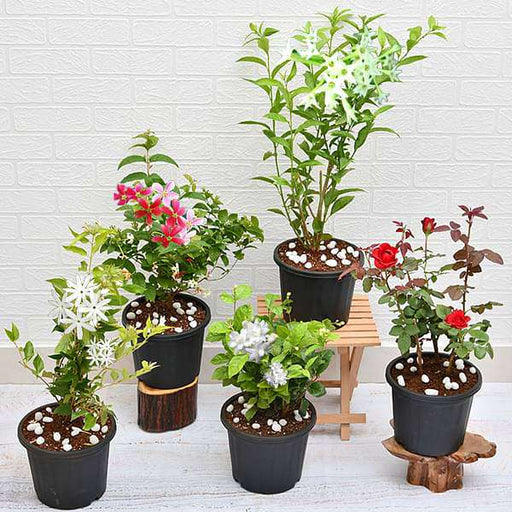
View full details5 Best Fragrant Plants Transform your garden or indoor space into a fragrant paradise with our curated selection of the 5 Best Fragrant Plants. Th...
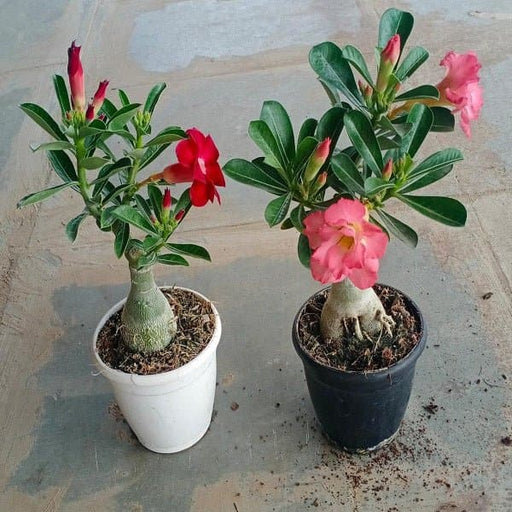
View full detailsSet of 2 Bonsai Looking Grafted Adeniums Transform your indoor or outdoor space with our exquisite Set of 2 Bonsai Looking Grafted Adenium...
View full detailsTop 4 Die Hard Succulents Pack Note: Plants included in this pack will be delivered in a 3-inch nursery pot (any color). Transform your indoor or ...
View full details5 Best Indoor Plants Pack Transform your living space into a lush oasis with our '5 Best Indoor Plants Pack.' This carefully curated collection fe...
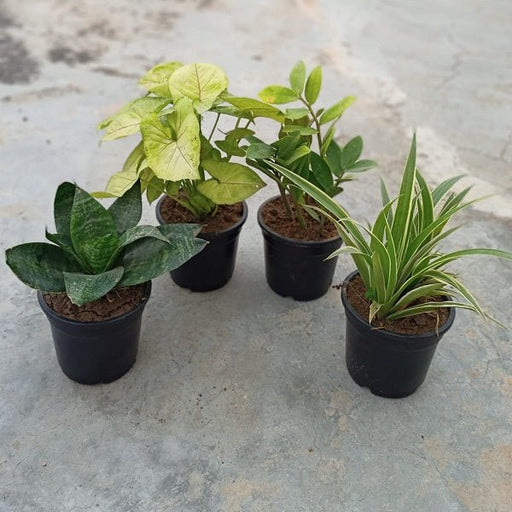
View full detailsSet of 4 Evergreen Air Purifier Plant Pack Transform your indoor space into a lush, green oasis with our Set of 4 Evergreen Air Purifier Pla...
View full detailsTop 5 Pollution Killer Plants Pack Transform your living space into a breath of fresh air with our 'Top 5 Pollution Killer Plants Pack'. This care...
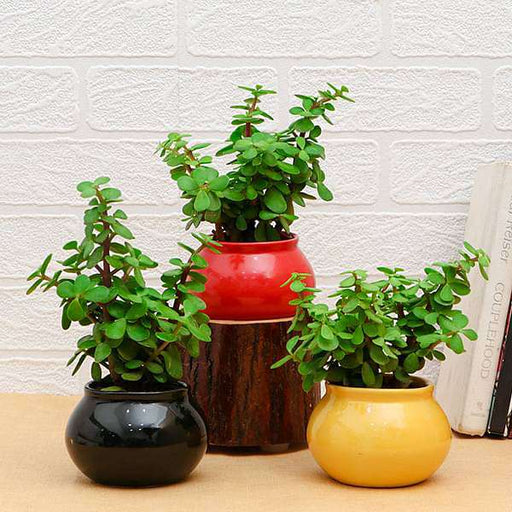
View full detailsPack of 3 Good Luck Jade Plants in Ceramic Pots Bring a touch of nature into your home with our Pack of 3 Good Luck Jade Plants, featuring...
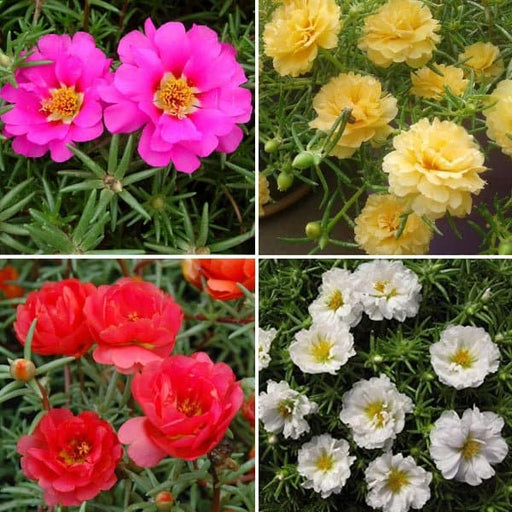
View full detailsPortulaca Garden Pack (4 Plants + 4 Black Pots) Note- You will get any color (Assorted) potted Porulaca plant with this pack. Transform your garde...
View full details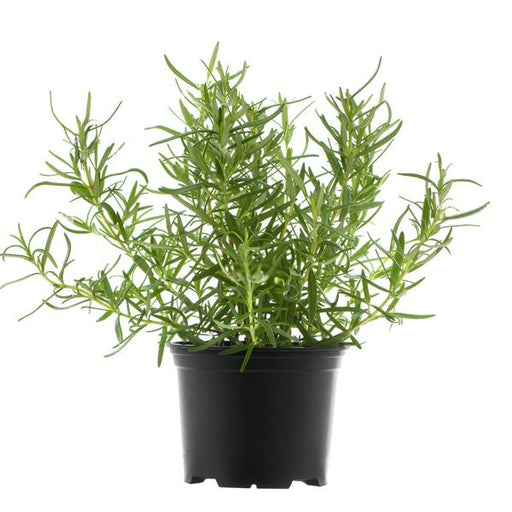






Leave a comment