
Expert Support
Available 24/7 via chat
Available 24/7 via chat
Roses are the queen of flowers, and India's tropical and subtropical climate is ideal for growing these beauties year-round. Whether you're cultivating the stunning vibrant orange rose or other varieties, this guide will walk you through everything you need to know to keep your plants blooming beautifully in pots or garden beds.
The orange rose (Gulab in Hindi, also known as Gulaaf or Rosa) is one of Nurserylive's best-selling rose varieties, prized for its vibrant blooms and remarkable ease of cultivation. These plants start at a modest 12 inches (30 cm) tall but can eventually reach up to 2 metres in ideal conditions, making them perfect for both compact container gardens and expansive landscaping projects. Orange roses bloom year-round in India, making them a rewarding choice for both seasoned gardeners and beginners. Their versatility is one reason they're so popular—they thrive equally well in pots on balconies, patios, or directly in garden beds. This is an easy-to-grow variety that rewards consistent care with continuous, vibrant orange blooms.
| Factor | Requirement |
|---|---|
| Light | 3–6 hours direct sunlight + natural indirect bright light |
| Water | 4 cups (200 ml) when top 1–2 inches of soil feel dry |
| Soil | Well-drained, fertile, rich in organic matter |
| Temperature | 20–30°C optimal; protect from extreme heat |
Roses are sun-lovers and need 3 to 6 hours of direct sunlight daily to produce those vibrant orange blooms. After receiving direct morning or early afternoon light, they benefit from natural, indirect bright light for the remainder of the day. In India, this balance is crucial—particularly during peak summer months (May–June) when the midday sun is extremely intense. During these months, consider placing pots where they receive gentle morning sun but are shaded during the harshest afternoon hours (12 p.m. to 3 p.m.). For north or east-facing balconies with limited direct light, you may need to rotate the pot to catch more sunlight or supplement with grow lights. Insufficient light is a common reason roses fail to bloom, so prioritise finding the sunniest spot available in your home or garden.
Water is the lifeline of your rose plant, but overwatering is a common killer. The golden rule: apply approximately 4 cups (200 ml) of water when the top 1 to 2 inches of soil feel dry to the touch. In India's hot, dry season (February–May), this might mean watering every 2–3 days; during monsoons, you may need to water only once or twice a week as soil stays moist longer.
Monsoon care is particularly important in India. During the rainy season (June–September), reduce watering frequency significantly and ensure your pot has excellent drainage—waterlogged soil invites fungal diseases and root rot. If your region has hard water, as many parts of India do, collect rainwater during monsoons for irrigation, as it is gentler on plants and reduces salt buildup in the soil. Always water at the base of the plant, avoiding wetting the foliage, to prevent fungal infections like powdery mildew.
Roses demand well-drained, fertile soil rich in organic matter. For potted roses, use a high-quality potting mix combined with compost or well-rotted manure in a ratio of 2:1. This ensures nutrients are available while excess water drains freely. If you're planting in garden beds, amend the soil generously with organic compost—Indian soils often lack organic content, so this step is non-negotiable.
Feed your roses with organic fertiliser once a month during the growing season (February–November in most of India). You can use neem cake, bone meal, or well-balanced organic fertilisers. During peak bloom months and after heavy pruning, you may increase feeding to every 3 weeks. Reduce or stop fertilising during December and January, as growth naturally slows in cooler months. Organic feeding encourages steady, healthy growth and vibrant blooms without the salt accumulation that synthetic fertilisers can cause—especially important if you're dealing with hard water.
Orange roses thrive in temperatures between 20 and 30°C. India's climate varies dramatically by region and season. In tropical areas (Kerala, Karnataka, coastal regions), temperatures regularly exceed 30°C during summer. Your roses will survive and continue blooming, but growth may slow and flowers may be smaller or fewer. Provide afternoon shade during these periods and increase watering to compensate for higher evaporation.
In cooler regions (Himalayan foothills, northern plains), winter temperatures may dip below 20°C. While roses are hardy, growth slows significantly, so don't be alarmed by fewer blooms or dormancy-like behaviour in winter—it's normal. Humidity is another consideration. During monsoons, high humidity combined with poor air circulation encourages fungal diseases. Ensure pots are spaced adequately and prune out dense growth to improve airflow. Light misting of foliage in early morning or evening (never midday) can help during dry months, though it's not essential if you're watering roots regularly.
Orange roses are easily propagated from semi-hardwood cuttings, making it simple to expand your collection or gift plants to friends. Take cuttings 6 to 8 inches long from healthy stems during spring (February–March) or autumn (September–October). Ensure each cutting has at least 3–4 leaf nodes. Remove lower leaves, dip the cut end in rooting hormone, and plant in moist, well-draining potting mix. Keep the soil consistently moist (but not waterlogged) and place the pot in bright, indirect light. Roots typically develop within 3–4 weeks. Once you see new growth, gradually expose the plant to direct light and treat it like a mature rose.
Ready to grow your own? Shop Rose at Nurserylive →
Rose (Orange) - Plant The Orange Rose, a symbol of enthusiasm and passion, is a stunning addition to any garden or indoor space. With its vibrant,...
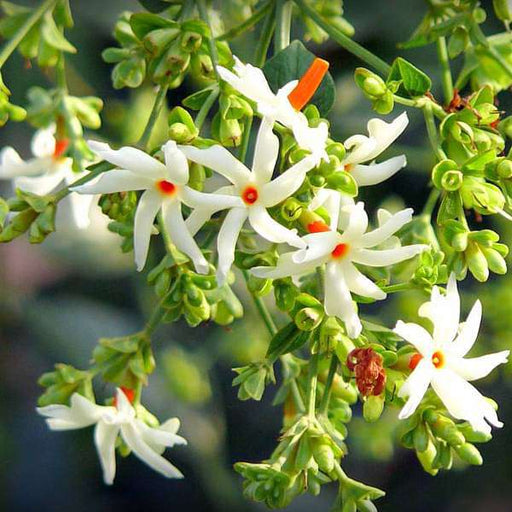
View full detailsCombo Constituents Includes the Parijat Tree (Night-Flowering Jasmine), a culturally significant plant with fragrant flowers. Description The Pari...
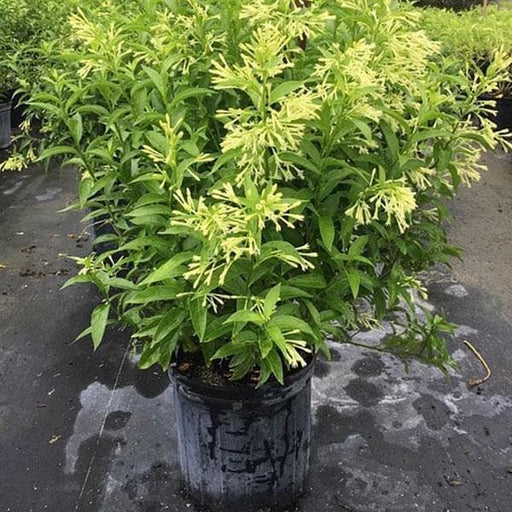
View full detailsDescription Raat Ki Rani (*Cestrum nocturnum*), also known as Night Blooming Jasmine, is a fragrant shrub native to the Caribbean and Central Ameri...
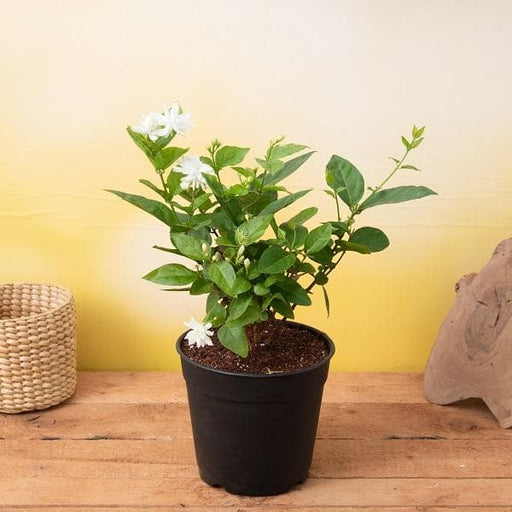
View full detailsJasminum sambac, Mogra, Arabian Jasmine - Plant Jasminum sambac, commonly known as Mogra or Arabian Jasmine, is a fragrant flowering plant...
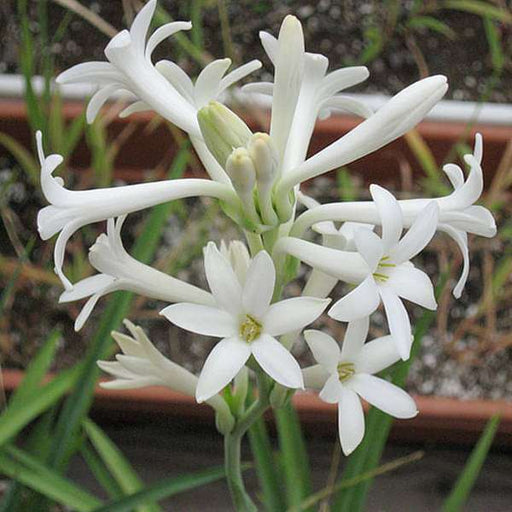
View full detailsRajnigandha, Tuberose - Plant The Rajnigandha, scientifically known as Polianthes tuberosa, is a captivating perennial plant renowned for ...
View full detailsCitronella, Odomas - Plant The Citronella plant, scientifically known as Cymbopogon nardus, is a tropical grass renowned for its aromatic ...
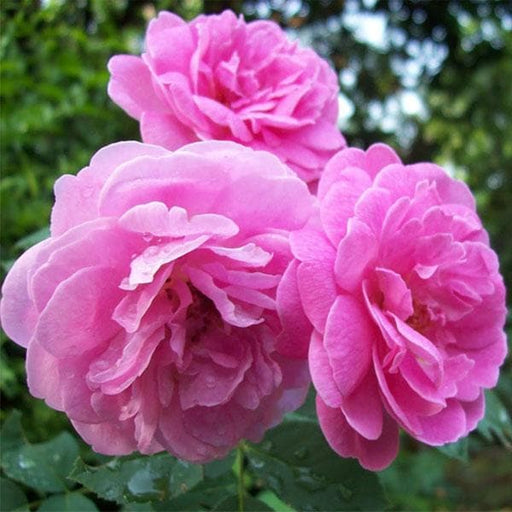
View full detailsDamascus Rose, Scented Rose (Any Color) - Plant The Damascus Rose, also known as Rosa damascena, is a timeless symbol of beauty and romanc...
View full detailsMiniature Rose, Button Rose (Any Color) - Plant The Miniature Rose, also known as the Button Rose, is a charming and compact flowering plant that ...
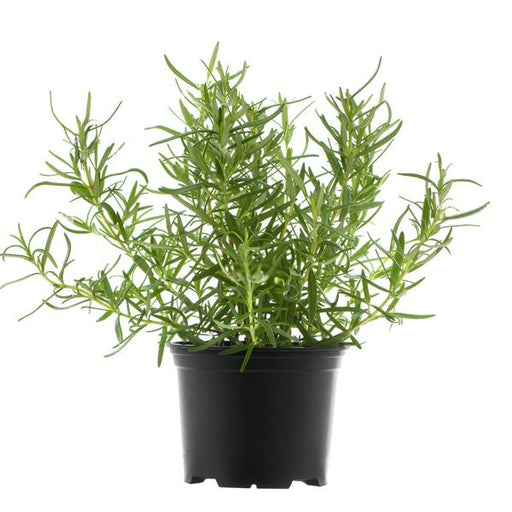
View full detailsRosemary - Plant Rosemary (Rosmarinus officinalis) is a fragrant evergreen herb native to the Mediterranean region. Known for its needle-like leav...
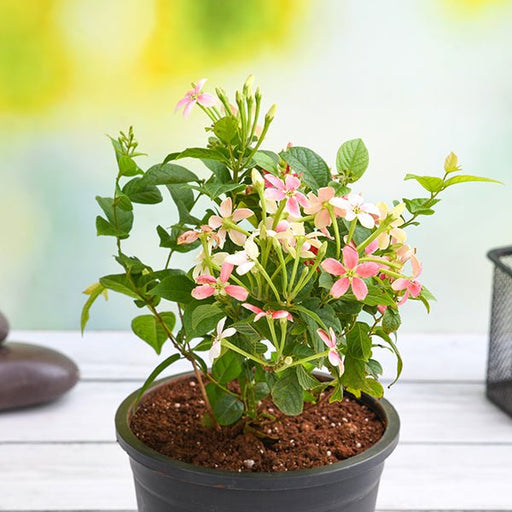
View full detailsMadhumalti Dwarf, Rangoon Creeper - Plant The Madhumalti Dwarf, also known as the Rangoon Creeper (Quisqualis indica), is a stunning perennial vin...
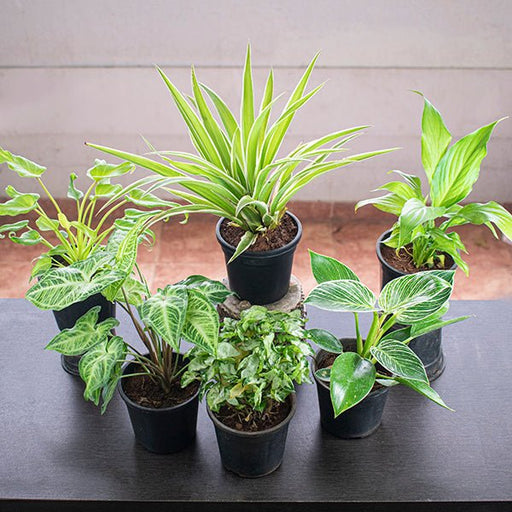
View full detailsBest 6 Plants for Perfect Indoor Garden Transform your living space into a lush oasis with our curated collection of the Best 6 Plants for a...
View full detailsBest 6 Plants for Perfect Indoor Garden Transform your living space into a lush oasis with our curated collection of the Best 6 Plants for a...
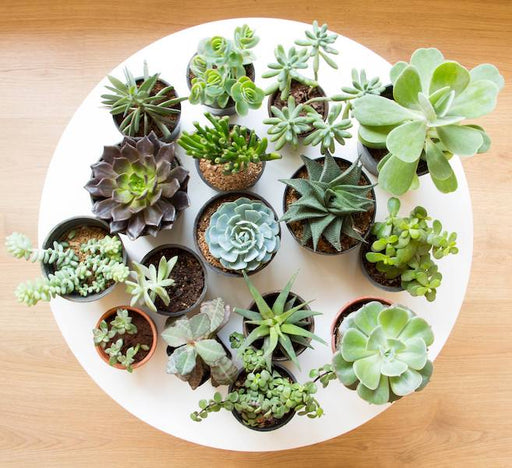
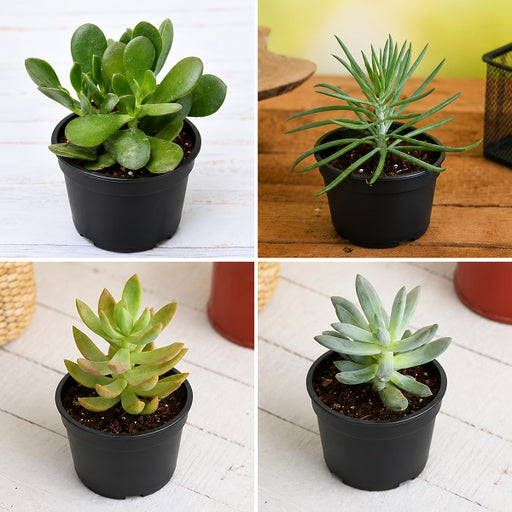
View full detailsMini Succulent Garden Pack Transform your space with our Mini Succulent Garden Pack, featuring a delightful collection of 4 any variety beautiful s...
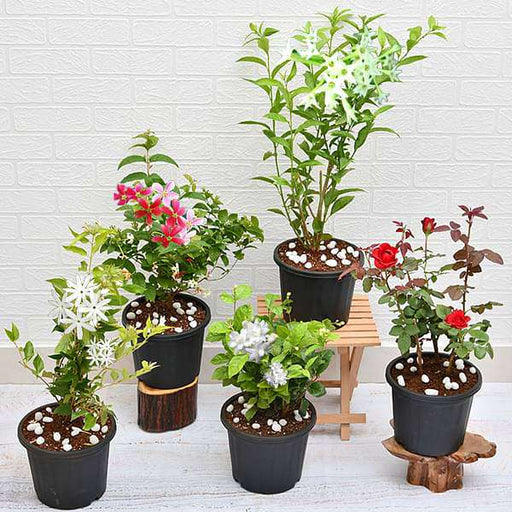
View full details5 Best Fragrant Plants Transform your garden or indoor space into a fragrant paradise with our curated selection of the 5 Best Fragrant Plants. Th...
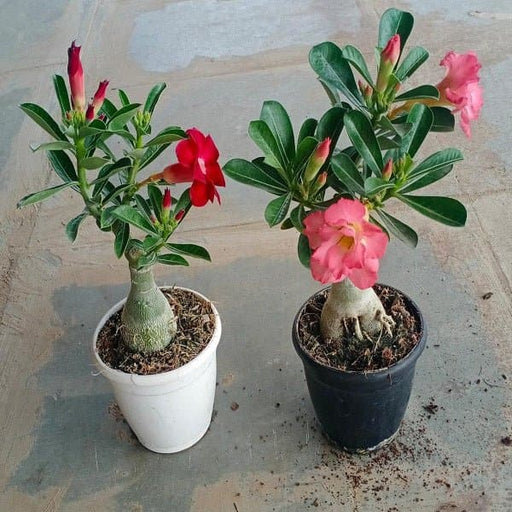
View full detailsSet of 2 Bonsai Looking Grafted Adeniums Transform your indoor or outdoor space with our exquisite Set of 2 Bonsai Looking Grafted Adenium...
View full detailsTop 4 Die Hard Succulents Pack Note: Plants included in this pack will be delivered in a 3-inch nursery pot (any color). Transform your indoor or ...
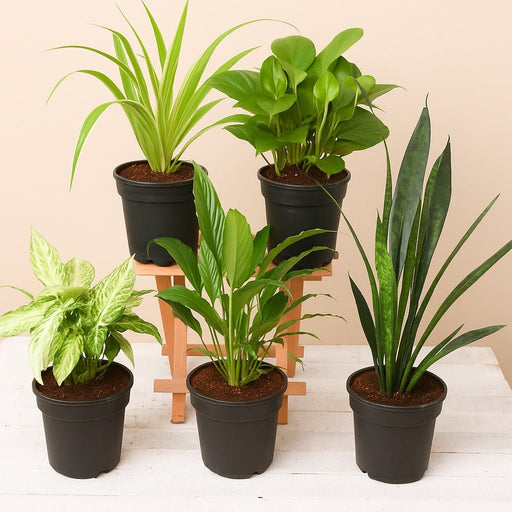
View full details5 Best Indoor Plants Pack Transform your living space into a lush oasis with our '5 Best Indoor Plants Pack.' This carefully curated collection fe...
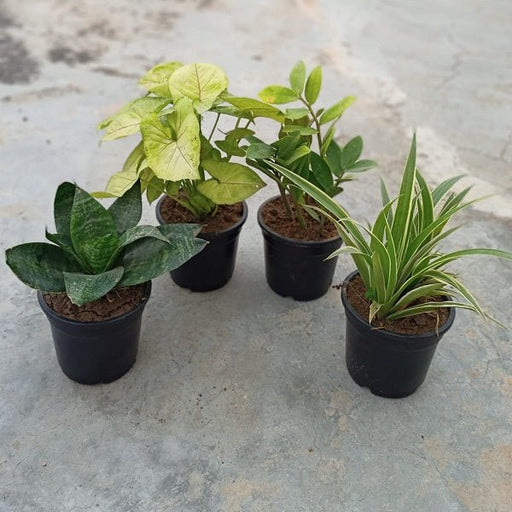
View full detailsSet of 4 Evergreen Air Purifier Plant Pack Transform your indoor space into a lush, green oasis with our Set of 4 Evergreen Air Purifier Pla...
View full detailsTop 5 Pollution Killer Plants Pack Transform your living space into a breath of fresh air with our 'Top 5 Pollution Killer Plants Pack'. This care...
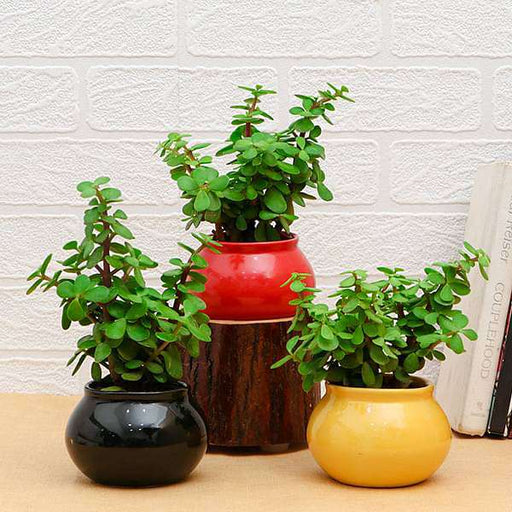
View full detailsPack of 3 Good Luck Jade Plants in Ceramic Pots Bring a touch of nature into your home with our Pack of 3 Good Luck Jade Plants, featuring...
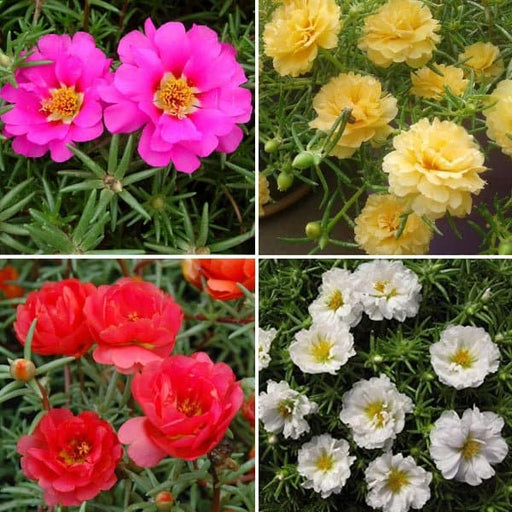
View full detailsPortulaca Garden Pack (4 Plants + 4 Black Pots) Note- You will get any color (Assorted) potted Porulaca plant with this pack. Transform your garde...
View full details






Leave a comment