
Expert Support
Available 24/7 via chat
Available 24/7 via chat
Ranjai is one of the most rewarding climbing plants for Indian gardens. Whether you're a beginner gardener in a Mumbai apartment or an experienced gardener in Bangalore, Clematis heynei—known locally as Churhar, Murhar, or Morvel—will give you reliable, beautiful white blooms with minimal fuss. This deciduous perennial vine grows steadily through the monsoons and rewards you with its most spectacular flowering from September through December, exactly when you want vibrant color in your garden as the weather cools. With very easy difficulty level, container compatibility, and elegant white flowers, Ranjai deserves a place in every Indian garden.
Ranjai (Clematis heynei) is a vigorous perennial climbing vine that thrives across India's diverse climates. It's prized for growing quickly—reaching up to 3 meters in height—while remaining manageable and straightforward to care for. The plant arrives at your doorstep at a modest 24 inches tall with a 7-inch spread, ready to establish itself and climb. Its defining feature is the profusion of pure white, star-like flowers that blanket the vine during its bloom season from September to December. This timing is particularly valuable in India, where many other climbers fade or go dormant during these pleasant autumn-winter months. The vine is deciduous, meaning it sheds leaves during winter—completely normal and actually helpful for easier pruning and maintenance come spring.
| Care Element | Requirement |
|---|---|
| Light | 3-6 hours morning sunlight; bright indirect light for rest of day |
| Water | Water when top 1-2 inches of soil feel dry; check before watering |
| Soil | Well-drained, fertile, organic-rich; pH 6.5-7.5 |
| Temperature | 22-35°C (ideal Indian garden and room temperature) |
Ranjai thrives with 3 to 6 hours of preferably morning sunlight daily. Morning light is ideal because it gently wakes the plant and dries dew, reducing fungal issues common in India's monsoon climate. After receiving this direct morning light, the plant appreciates bright, indirect light for the rest of the day. If you're growing Ranjai in a Delhi balcony or a Kochi courtyard, position it where it catches early morning sun but is protected from harsh afternoon heat (especially in May-June). A north or east-facing wall works beautifully. The plant will survive with less light, but flowering may thin considerably. Avoid deep shade, which results in sparse blooms and weak, leggy growth. In regions with intense summer sun (Rajasthan, Gujarat, central India), afternoon shade from 2 PM onward prevents leaf burn during May-June heat.
This is the most critical aspect of Ranjai care in India's variable climate. The simple rule: before you water, check the soil. Poke your finger or a small stick into the soil to a depth of 1-2 inches. If it feels dry to the touch, water thoroughly. If it still feels moist, wait another day or two. This approach prevents the most common problem in Indian gardening—waterlogging during monsoons. In summer (March-June), when water evaporates rapidly and temperatures soar, you may water every 2-3 days. During the monsoon (June-September), rain provides much moisture, so reduce watering frequency drastically and monitor soil carefully to prevent soggy conditions. In winter (November-February), when the plant slows growth, water less frequently—perhaps once a week or even less. Always use water at room temperature; in hard-water regions like Delhi, collect rainwater when possible to avoid mineral accumulation in soil. Never allow soil to stay waterlogged for extended periods, as this causes root rot and fungal disease.
Ranjai demands well-drained soil enriched with organic matter. For containers, blend garden soil, compost, and coarse sand or perlite in a 2:2:1 ratio. The ideal pH range is 6.5 to 7.5—slightly acidic to neutral—achievable in most parts of India with proper soil preparation. If planting in the ground, amend native soil generously with well-decomposed compost before planting. Good drainage is absolutely non-negotiable, especially during India's monsoon season when waterlogging risks are high. Feeding is straightforward: during the main growing season (June and July), feed once with organic fertilizer such as well-decomposed cow manure or compost. A balanced organic granular fertilizer also works well. Single feeding is usually sufficient; over-feeding leads to excessive leafy growth at the expense of flowers. If growing in containers, you may add a second feeding in late August to support the upcoming flowering season without overdoing it.
Ranjai is remarkably well-adapted to Indian climatic conditions. It thrives in the temperature range of 22-35°C, which covers most of India's comfortable months (October-March) comfortably. The plant naturally slows or goes semi-dormant during extreme heat (above 35°C in May-June), which is normal and actually beneficial—this dormancy conserves energy before peak flowering season. In regions with harsh sun (Delhi, Jaipur, Pune, Ahmedabad), provide afternoon shade from 2 PM onward during April-June using a 30-50% shade cloth or by positioning near tall trees or structures. Humidity-wise, Ranjai adapts well to both dry and humid conditions across India. In dry regions (Rajasthan, Gujarat, parts of Deccan), regular misting during hot months improves growth. During monsoons, ensure good air circulation around the plant to prevent fungal issues. In humid coastal areas (Mumbai, Kochi, Mangalore, Goa), waterlogging prevention becomes even more critical, though the plant's humidity tolerance is high.
While growing Ranjai from a purchased plant is easiest, propagating your own is rewarding and straightforward. Softwood cuttings work best—take 4-6 inch cuttings from young, green stems during the monsoon season (June-July) when the plant actively grows. Trim just below a leaf node, remove the lower leaves, and dip the cut end in rooting hormone powder if available. Insert into moist potting soil (a mix of coarse sand with peat or coco coir), cover with a clear plastic bag to retain humidity, and place in bright, indirect light. Mist daily and keep soil moist but not waterlogged. Roots typically develop within 3-4 weeks. Once you see new growth, gradually expose the cutting to more light and air. Harden off over a week before potting into individual containers with full potting mix. Alternatively, try layering: bend a low-growing stem to the ground, pin it down with a U-shaped wire, cover with soil, and keep moist. Once rooted (typically 4-6 weeks), sever from the mother plant and pot separately. Both methods work reliably in India's climate.
Yellowing Leaves: Usually caused by overwatering or poor drainage. Verify that pots drain freely and that you're using the finger-test watering method. If leaves yellow despite correct watering, nutrient deficiency may be the issue—apply a light organic fertilizer feeding.
Sparse Flowering: The most common complaint. Almost always results from insufficient light. Ensure your plant receives the full 3-6 hours of morning sun daily. Too much shade produces foliage but few flowers.
Pest Issues: In Indian gardens, watch for spider mites (especially in dry seasons) and mealybugs on new growth. Spray affected plants with neem oil solution (5% dilution) every 7-10 days until resolved. Scale insects may also appear; remove manually with an old toothbrush dipped in alcohol, then spray with neem oil.
Powdery Mildew: More common in humid regions. Prevent by avoiding wetting foliage and ensuring good air circulation. If infection occurs, spray with baking soda solution (1 tablespoon baking soda + 1 tablespoon horticultural oil + 1 teaspoon dish soap per liter of water) every 7 days until resolved.
Ready to grow your own? Shop Ranjai at Nurserylive →
Ranjai Plant, Clematis heynei - Plant The Ranjai Plant, scientifically known as Clematis heynei, is a stunning perennial vine native to the lush l...
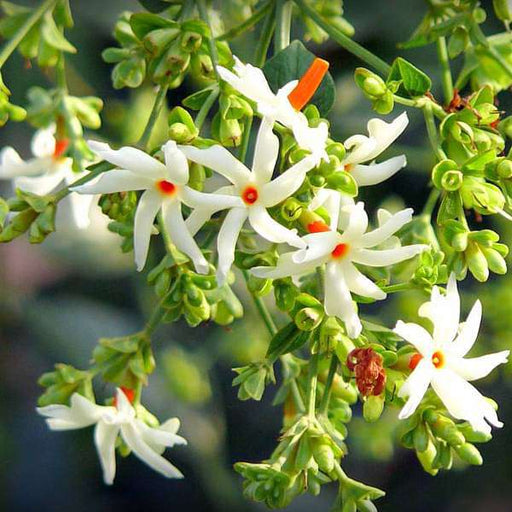
View full detailsCombo Constituents Includes the Parijat Tree (Night-Flowering Jasmine), a culturally significant plant with fragrant flowers. Description The Pari...
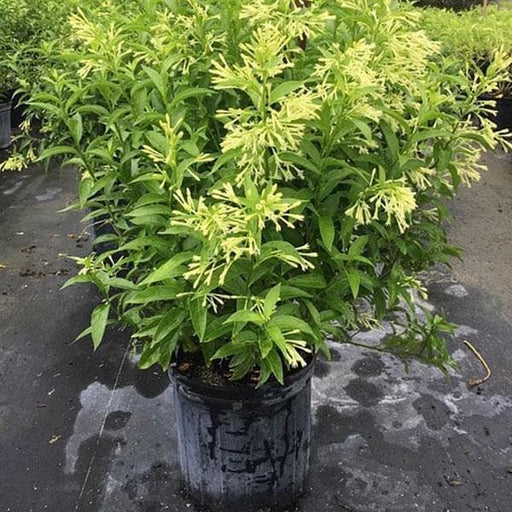
View full detailsDescription Raat Ki Rani (*Cestrum nocturnum*), also known as Night Blooming Jasmine, is a fragrant shrub native to the Caribbean and Central Ameri...
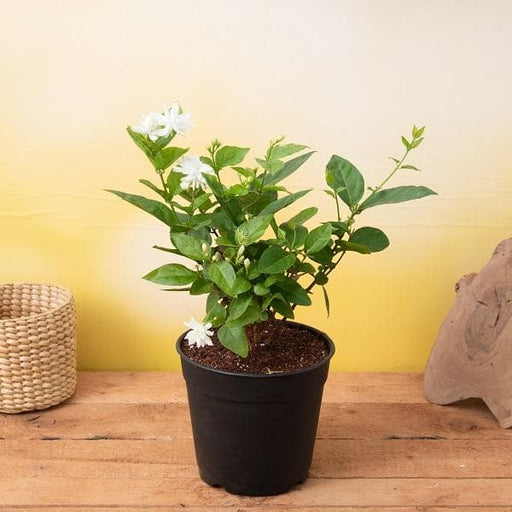
View full detailsJasminum sambac, Mogra, Arabian Jasmine - Plant Jasminum sambac, commonly known as Mogra or Arabian Jasmine, is a fragrant flowering plant...
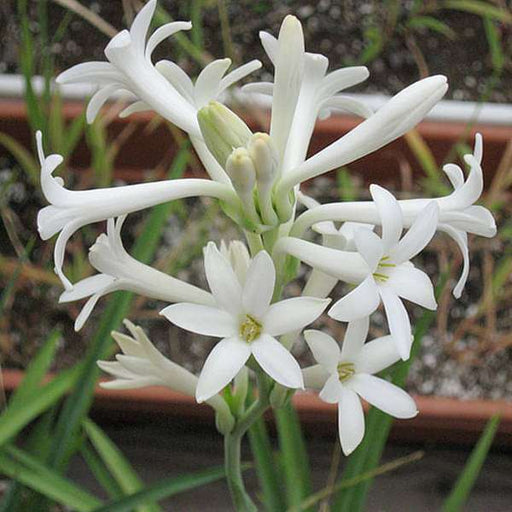
View full detailsRajnigandha, Tuberose - Plant The Rajnigandha, scientifically known as Polianthes tuberosa, is a captivating perennial plant renowned for ...
View full detailsCitronella, Odomas - Plant The Citronella plant, scientifically known as Cymbopogon nardus, is a tropical grass renowned for its aromatic ...
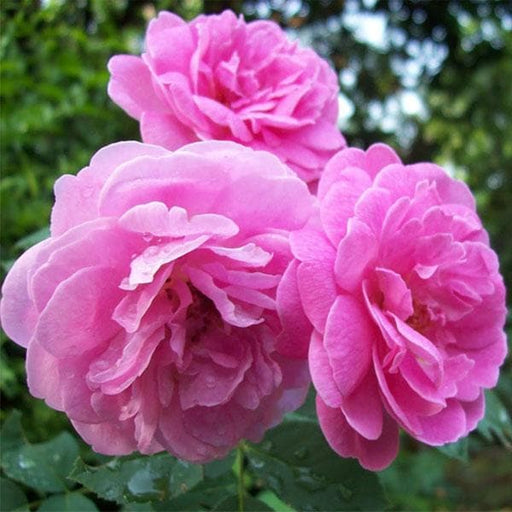
View full detailsDamascus Rose, Scented Rose (Any Color) - Plant The Damascus Rose, also known as Rosa damascena, is a timeless symbol of beauty and romanc...
View full detailsMiniature Rose, Button Rose (Any Color) - Plant The Miniature Rose, also known as the Button Rose, is a charming and compact flowering plant that ...
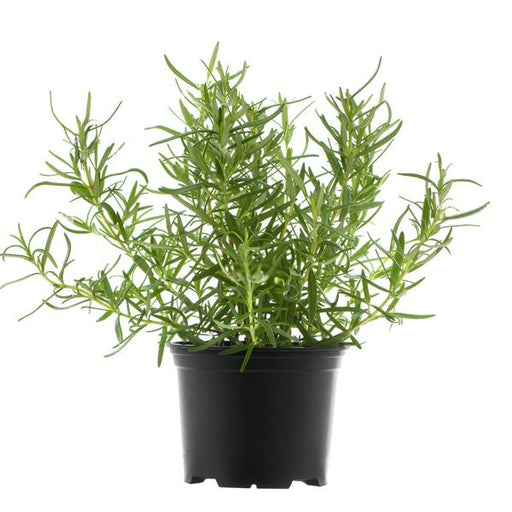
View full detailsRosemary - Plant Rosemary (Rosmarinus officinalis) is a fragrant evergreen herb native to the Mediterranean region. Known for its needle-like leav...
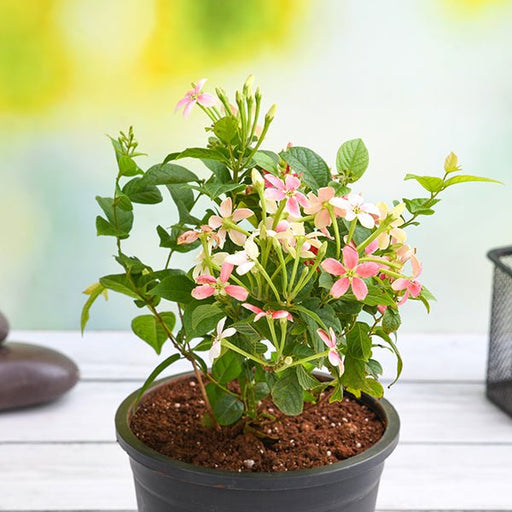
View full detailsMadhumalti Dwarf, Rangoon Creeper - Plant The Madhumalti Dwarf, also known as the Rangoon Creeper (Quisqualis indica), is a stunning perennial vin...
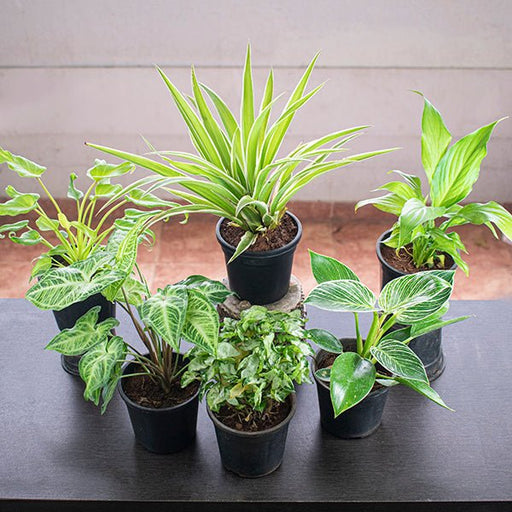
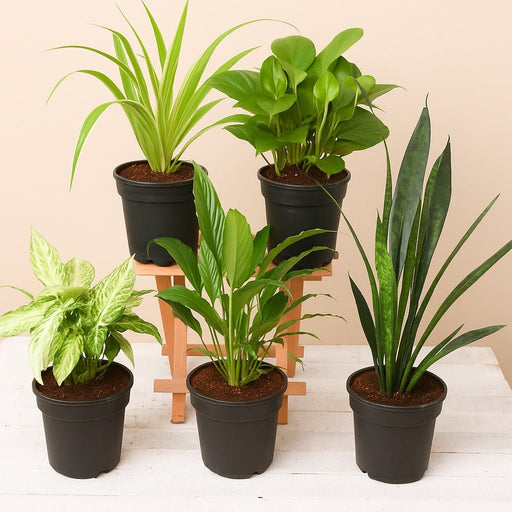
View full detailsBest 6 Plants for Perfect Indoor Garden Transform your living space into a lush oasis with our curated collection of the Best 6 Plants for a...
View full detailsBest 6 Plants for Perfect Indoor Garden Transform your living space into a lush oasis with our curated collection of the Best 6 Plants for a...
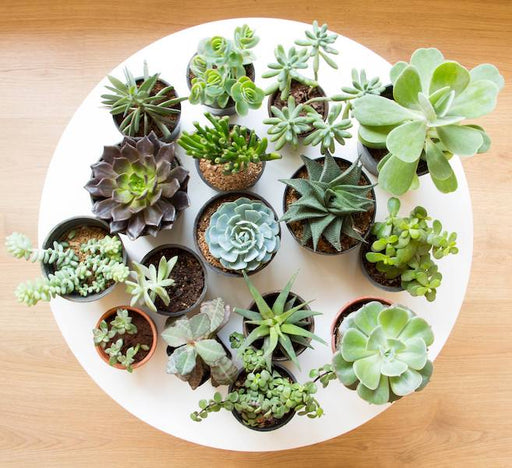
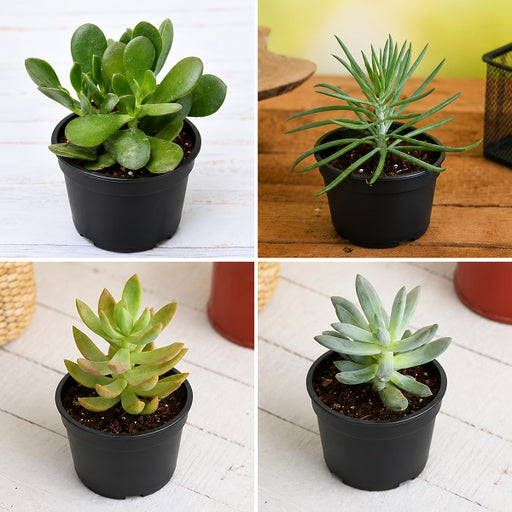
View full detailsMini Succulent Garden Pack Transform your space with our Mini Succulent Garden Pack, featuring a delightful collection of 4 any variety beautiful s...
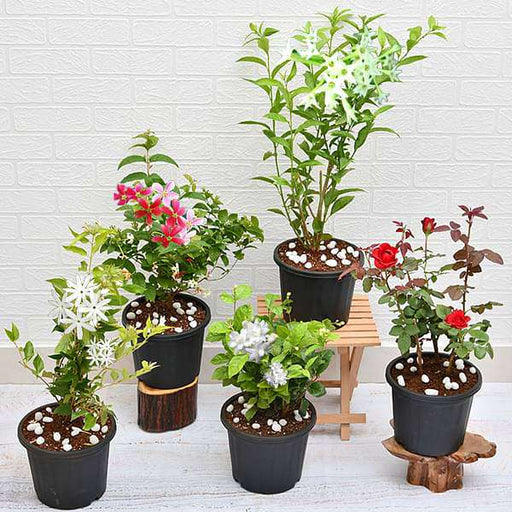
View full details5 Best Fragrant Plants Transform your garden or indoor space into a fragrant paradise with our curated selection of the 5 Best Fragrant Plants. Th...
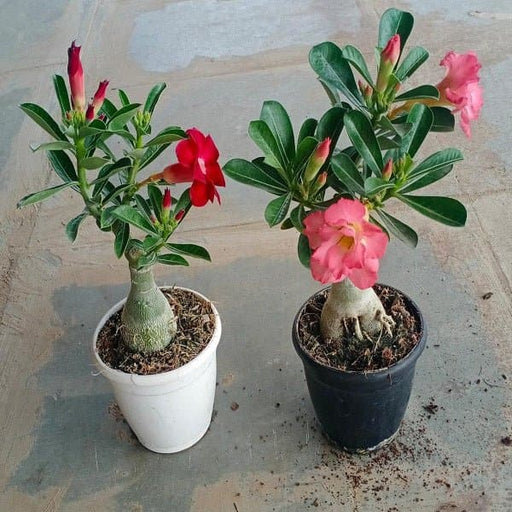
View full detailsSet of 2 Bonsai Looking Grafted Adeniums Transform your indoor or outdoor space with our exquisite Set of 2 Bonsai Looking Grafted Adenium...
View full detailsTop 4 Die Hard Succulents Pack Note: Plants included in this pack will be delivered in a 3-inch nursery pot (any color). Transform your indoor or ...
View full details5 Best Indoor Plants Pack Transform your living space into a lush oasis with our '5 Best Indoor Plants Pack.' This carefully curated collection fe...
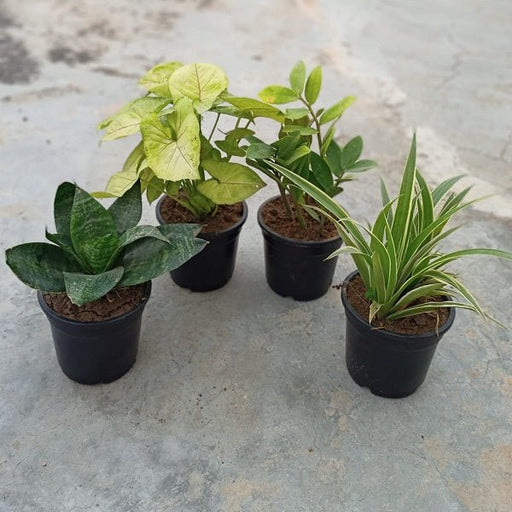
View full detailsSet of 4 Evergreen Air Purifier Plant Pack Transform your indoor space into a lush, green oasis with our Set of 4 Evergreen Air Purifier Pla...
View full detailsTop 5 Pollution Killer Plants Pack Transform your living space into a breath of fresh air with our 'Top 5 Pollution Killer Plants Pack'. This care...
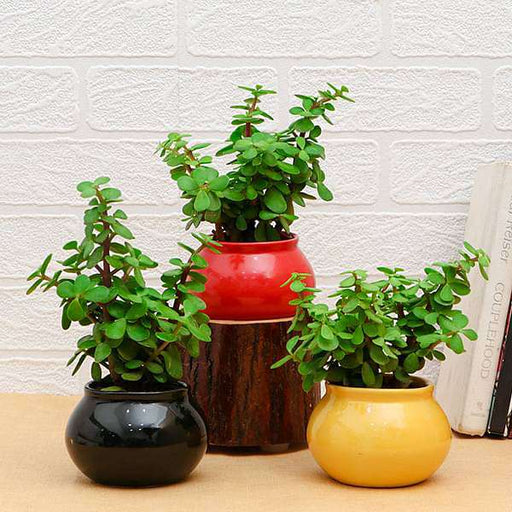
View full detailsPack of 3 Good Luck Jade Plants in Ceramic Pots Bring a touch of nature into your home with our Pack of 3 Good Luck Jade Plants, featuring...
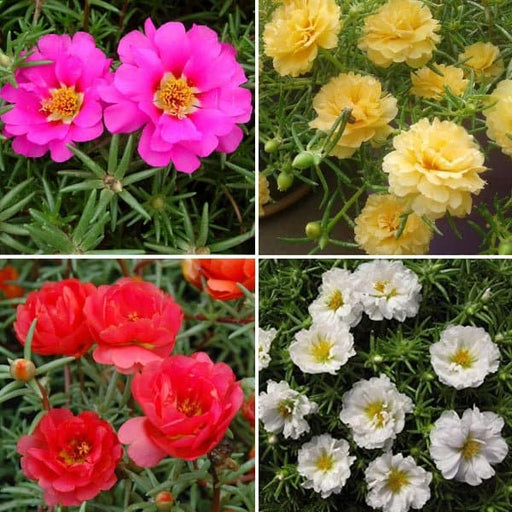
View full detailsPortulaca Garden Pack (4 Plants + 4 Black Pots) Note- You will get any color (Assorted) potted Porulaca plant with this pack. Transform your garde...
View full details






Leave a comment