
Expert Support
Available 24/7 via chat
Available 24/7 via chat
Rama Tulsi holds a special place in Indian households and gardens—revered not just for its culinary and medicinal qualities but for its spiritual significance in Hindu traditions. Known by many names across India—Kala Tulsi, Krishna Tulasi, Sri Tulasi, Brinda, or Ajaka—this aromatic herb has been cultivated for centuries in home gardens, temple courtyards, and wellness spaces. Whether you're growing it in a small container on your Delhi balcony or in a sprawling garden in Kerala, Rama Tulsi rewards you with fresh, fragrant leaves year-round. Better yet, it's remarkably easy to grow, making it perfect for both experienced gardeners and beginners stepping into the world of medicinal herbs.
Rama Tulsi (Ocimum sanctum) is a compact, bushy herb that typically reaches between 1.5 to 2 feet in height, making it ideal for container gardening. The plant produces delicate magenta flowers that bloom throughout the year, with peak flowering during early summer and late spring—though in warm Indian climates, you'll often see blooms extending well beyond traditional seasons. What makes Rama Tulsi particularly valuable is its dual purpose: it serves as both a fresh leaf harvest herb for daily wellness rituals and a decorative addition to any garden space. The plant thrives in India's diverse climate zones, from the intense heat of northern plains to the monsoon-heavy regions of the coasts.
| Care Factor | Requirement |
|---|---|
| Light | Full sun (6-8 hours minimum) |
| Watering | Medium (keep soil consistently moist, not waterlogged) |
| Soil | Well-drained soil with organic matter |
| Temperature | 36-40°C tolerance; thrives in warm climates |
Rama Tulsi is a sun-loving plant that demands full sunlight to flourish. In the Indian context, this means placing your plant where it receives at least 6 to 8 hours of direct sunlight daily. Whether it's a south-facing window, a balcony, or an open garden space, the more sunshine your Rama Tulsi gets, the more vigorous its growth and the more aromatic its leaves will be. During peak summer in regions like Delhi, Rajasthan, or Mumbai, the intense afternoon sun is actually beneficial rather than harmful—Rama Tulsi has evolved to thrive in such conditions. However, in extremely hot zones exceeding 40°C consistently, you might provide light afternoon shade (30% shade cloth) to prevent leaf scorching, though this is rarely necessary given the plant's remarkable heat tolerance. If you're growing indoors, place the pot near a bright window; insufficient light will result in leggy, weak growth and reduced leaf quality.
Rama Tulsi prefers medium, consistent moisture—the key is finding the balance between wet and dry. Water the plant when the top inch of soil feels dry to the touch. In Indian summers, depending on your region and pot size, this might mean watering every 2-3 days; during monsoons, reduce frequency significantly to avoid waterlogging, which can cause root rot. During cooler months (October-February), water less frequently, perhaps every 4-5 days. A practical tip: always water at the base of the plant early in the morning to keep foliage dry and reduce fungal issues, which can be problematic during monsoon season. If you're growing in containers, ensure pots have drainage holes; standing water is the enemy of Rama Tulsi. Hard water common in many Indian cities won't harm the plant, but if possible, collect rainwater or let tap water sit overnight before using to allow chlorine to dissipate.
Well-drained soil is non-negotiable for Rama Tulsi. Mix regular garden soil with at least 20-30% compost or aged cow manure to improve drainage and nutrient content. Adding perlite or coarse sand (10-15%) further enhances drainage, preventing the soggy conditions that invite disease. For container growing, use a potting mix that combines soil, compost, and perlite in equal parts. Regarding fertilization, Rama Tulsi responds beautifully to organic inputs. Apply any organic fertilizer—neem cake, bone meal, vermicompost, or homemade compost—once every 4-6 weeks during the growing season (March-October). During winter and monsoon, reduce feeding to once every 8 weeks or skip altogether if the plant appears vigorous. Avoid chemical fertilizers; they promote excessive vegetative growth at the expense of the essential oils that make Rama Tulsi's leaves valuable for wellness purposes.
Rama Tulsi is remarkably heat-tolerant, comfortably thriving in temperatures between 36-40°C—the scorching heat that challenges many Indian gardeners is actually this plant's comfort zone. This makes it a practical choice for gardens across most of India. The plant grows actively in warm weather and slows down in cooler months, though it doesn't go fully dormant unless temperatures drop below 10°C. During monsoon season, when humidity soars and rainfall is frequent, watch carefully for fungal issues like leaf spot or powdery mildew. Ensure adequate air circulation by pruning dense foliage and spacing plants appropriately. If humidity-related problems arise, reduce watering frequency and apply a sulfur-based fungicide as a preventive measure. In high-humidity coastal regions, Rama Tulsi still performs well but demands more careful watering management.
Rama Tulsi is effortlessly propagated through both seeds and cuttings. For seeds: sow in a seed tray or small pots filled with moist seed-raising mix during spring (February-March) or monsoon (June-July). Seeds germinate within 7-10 days in warm conditions. Once seedlings develop 2-3 true leaves, transplant to individual pots. For cuttings: take 4-5 inch soft stem cuttings from healthy plants, remove lower leaves, and place in water or moist sand. Roots develop within 10-14 days. Once rooted, transfer to soil-filled pots. Both methods typically take 4-6 weeks to produce plants ready for harvesting. Cuttings are faster and preserve the exact characteristics of the mother plant, making them ideal if you have a particularly aromatic specimen you wish to replicate.
Despite its hardiness, Rama Tulsi can face challenges in Indian gardens. Mealybugs and spider mites occasionally infest leaves during dry seasons; spray with neem oil solution (5% concentration) weekly until resolved. Leaf spot diseases, caused by fungal pathogens, appear as brown patches during monsoon; improve air circulation, reduce overhead watering, and remove affected leaves. Whiteflies occasionally attack; use yellow sticky traps and neem spray. The most common issue is root rot from overwatering, particularly in heavy clay soils or during monsoon—prevent this by ensuring excellent drainage and exercising restraint with the watering can. If root rot occurs, repot into fresh, dry soil and reduce watering immediately.
Harvest leaves regularly from the top of the plant to encourage bushy growth and prevent flowering (though the flowers are lovely, harvesting delays them). Begin harvesting once the plant reaches 6 inches in height. Morning harvests, after dew dries but before intense heat, yield the most aromatic leaves. Pinch off flower heads to extend the leaf-harvesting season. Rama Tulsi thrives in containers—even a 6-8 inch pot works well, making it perfect for apartment balconies and small spaces. Rotate container-grown plants weekly to ensure even light exposure. For maximum freshness and medicinal benefit, use leaves within a few hours of harvesting, or dry them in shade for later use. In regions with severe winters (below 10°C), grow Rama Tulsi as an annual or bring container plants indoors. Finally, consider planting multiple pots staggered by a few weeks; as one plant ages and flowering intensifies, a younger plant provides fresh leaves for continuous harvest.
Ready to grow your own? Shop Rama Tulsi at Nurserylive →
Rama Tulsi Plant, Holy Basil, Ocimum sanctum (Green) - Plant The Rama Tulsi Plant, also known as Holy Basil, is a revered herb in traditio...
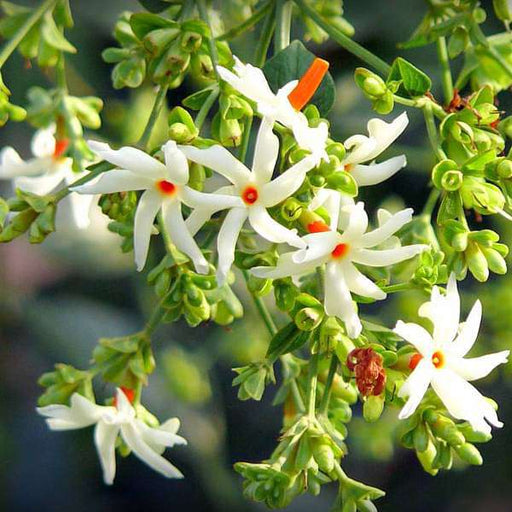
View full detailsCombo Constituents Includes the Parijat Tree (Night-Flowering Jasmine), a culturally significant plant with fragrant flowers. Description The Pari...
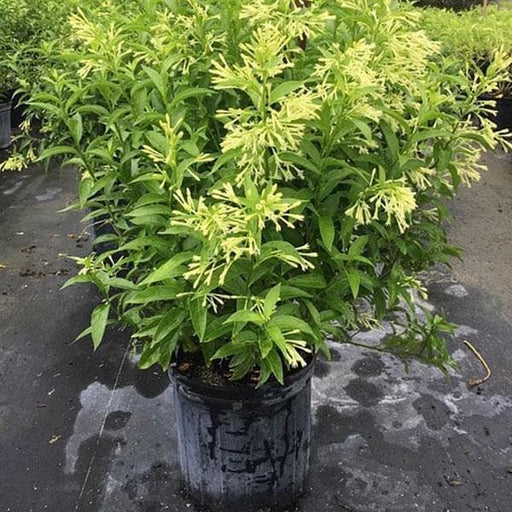
View full detailsDescription Raat Ki Rani (*Cestrum nocturnum*), also known as Night Blooming Jasmine, is a fragrant shrub native to the Caribbean and Central Ameri...
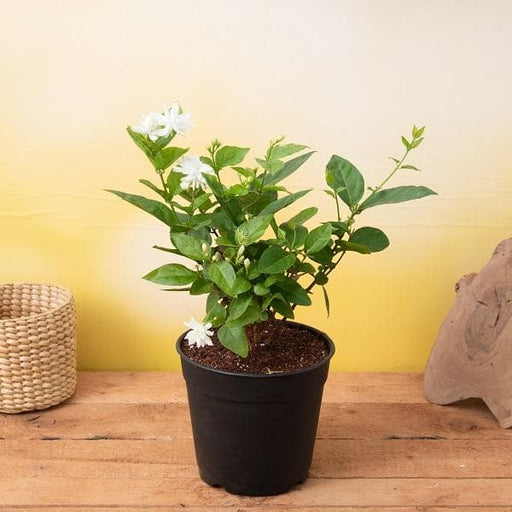
View full detailsJasminum sambac, Mogra, Arabian Jasmine - Plant Jasminum sambac, commonly known as Mogra or Arabian Jasmine, is a fragrant flowering plant...
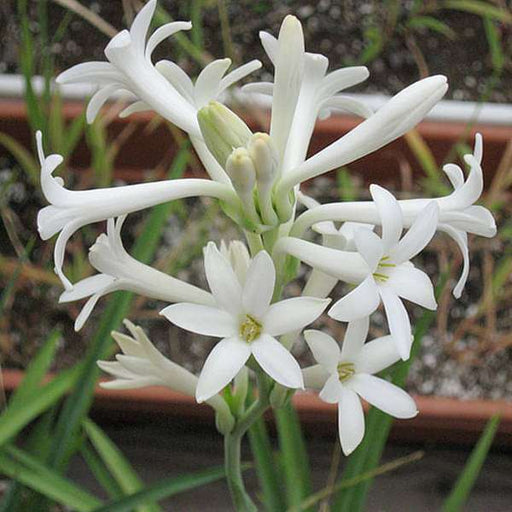
View full detailsRajnigandha, Tuberose - Plant The Rajnigandha, scientifically known as Polianthes tuberosa, is a captivating perennial plant renowned for ...
View full detailsCitronella, Odomas - Plant The Citronella plant, scientifically known as Cymbopogon nardus, is a tropical grass renowned for its aromatic ...
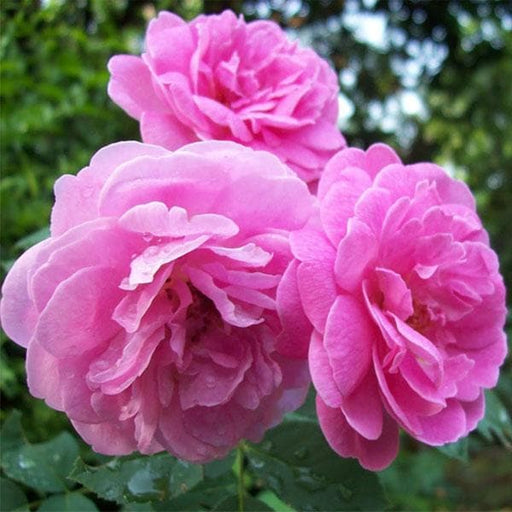
View full detailsDamascus Rose, Scented Rose (Any Color) - Plant The Damascus Rose, also known as Rosa damascena, is a timeless symbol of beauty and romanc...
View full detailsMiniature Rose, Button Rose (Any Color) - Plant The Miniature Rose, also known as the Button Rose, is a charming and compact flowering plant that ...
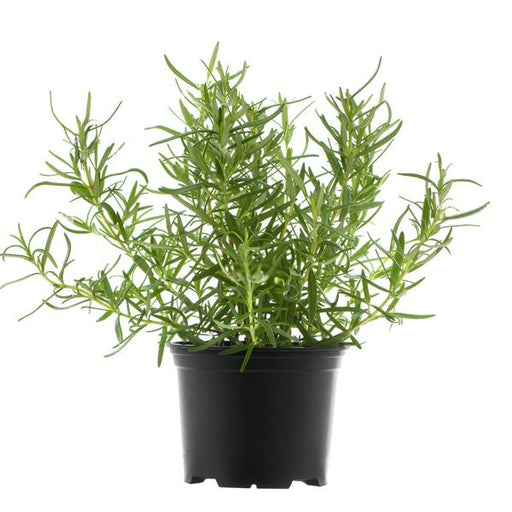
View full detailsRosemary - Plant Rosemary (Rosmarinus officinalis) is a fragrant evergreen herb native to the Mediterranean region. Known for its needle-like leav...
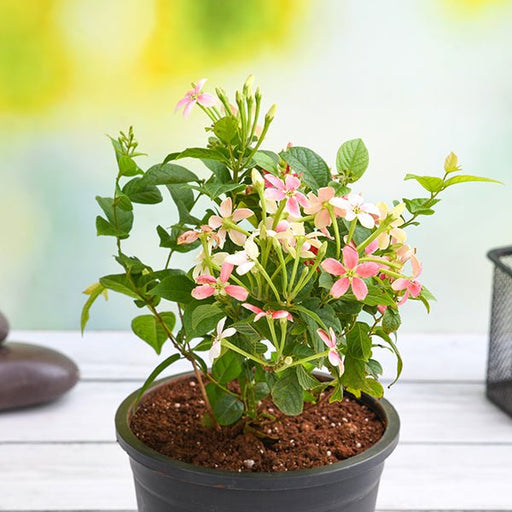
View full detailsMadhumalti Dwarf, Rangoon Creeper - Plant The Madhumalti Dwarf, also known as the Rangoon Creeper (Quisqualis indica), is a stunning perennial vin...
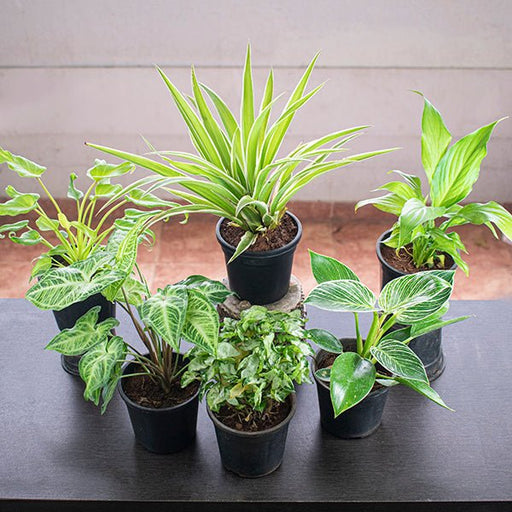
View full detailsBest 6 Plants for Perfect Indoor Garden Transform your living space into a lush oasis with our curated collection of the Best 6 Plants for a...
View full detailsBest 6 Plants for Perfect Indoor Garden Transform your living space into a lush oasis with our curated collection of the Best 6 Plants for a...
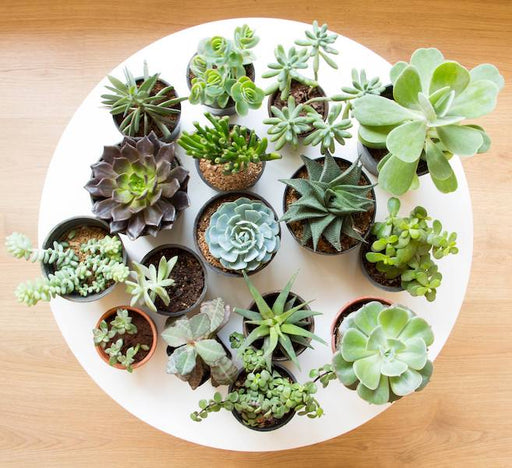
View full detailsMini Succulent Garden Pack Transform your space with our Mini Succulent Garden Pack, featuring a delightful collection of 4 any variety beautiful s...
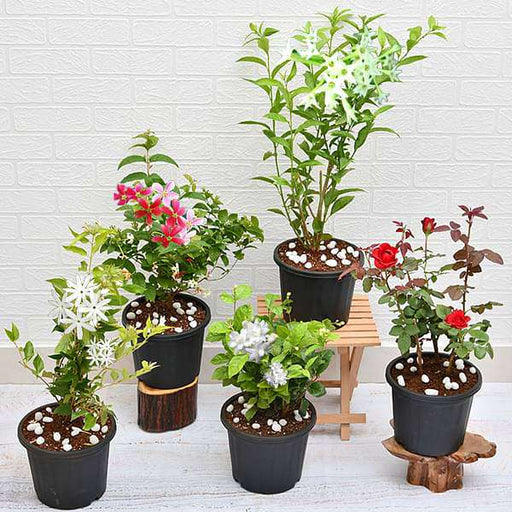
View full details5 Best Fragrant Plants Transform your garden or indoor space into a fragrant paradise with our curated selection of the 5 Best Fragrant Plants. Th...
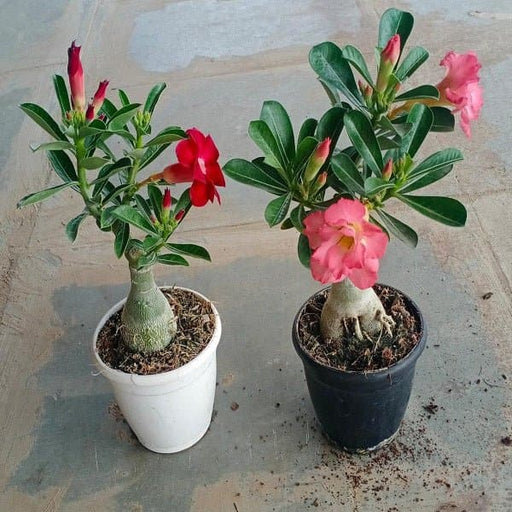
View full detailsSet of 2 Bonsai Looking Grafted Adeniums Transform your indoor or outdoor space with our exquisite Set of 2 Bonsai Looking Grafted Adenium...
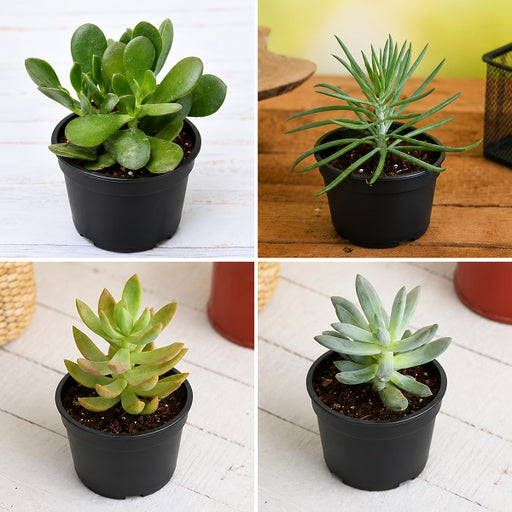
View full detailsTop 4 Die Hard Succulents Pack Note: Plants included in this pack will be delivered in a 3-inch nursery pot (any color). Transform your indoor or ...
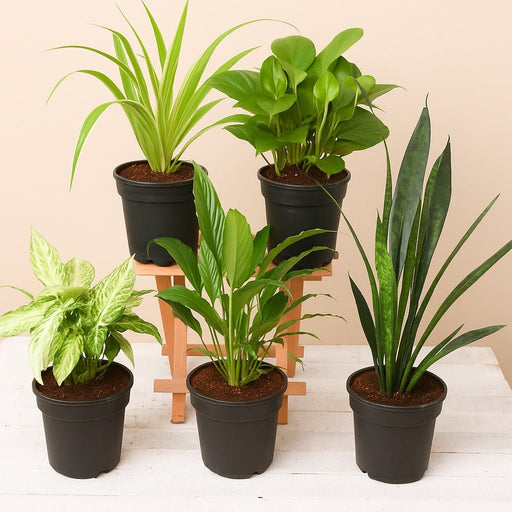
View full details5 Best Indoor Plants Pack Transform your living space into a lush oasis with our '5 Best Indoor Plants Pack.' This carefully curated collection fe...
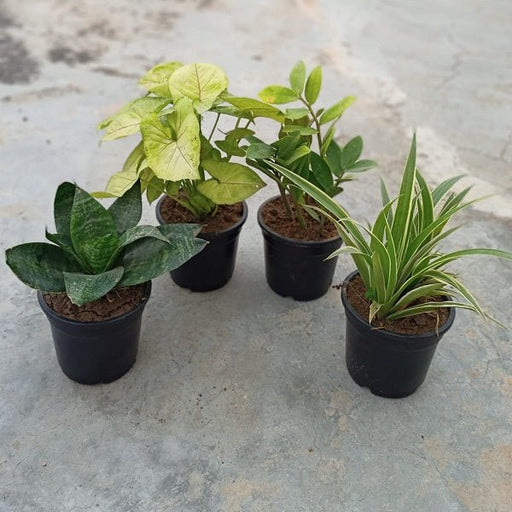
View full detailsSet of 4 Evergreen Air Purifier Plant Pack Transform your indoor space into a lush, green oasis with our Set of 4 Evergreen Air Purifier Pla...
View full detailsTop 5 Pollution Killer Plants Pack Transform your living space into a breath of fresh air with our 'Top 5 Pollution Killer Plants Pack'. This care...
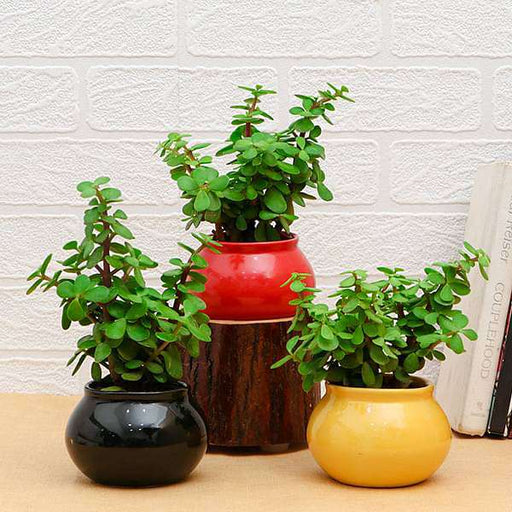
View full detailsPack of 3 Good Luck Jade Plants in Ceramic Pots Bring a touch of nature into your home with our Pack of 3 Good Luck Jade Plants, featuring...
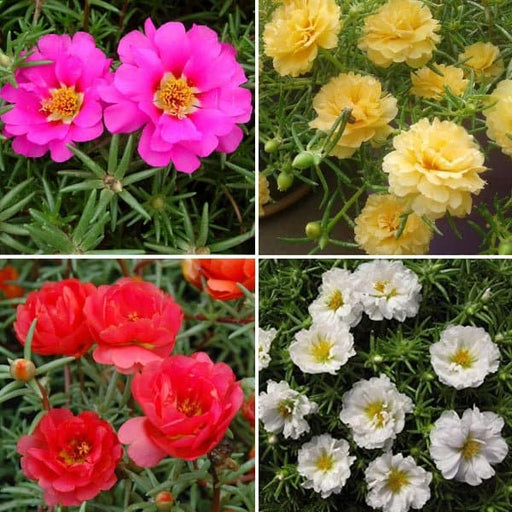
View full detailsPortulaca Garden Pack (4 Plants + 4 Black Pots) Note- You will get any color (Assorted) potted Porulaca plant with this pack. Transform your garde...
View full details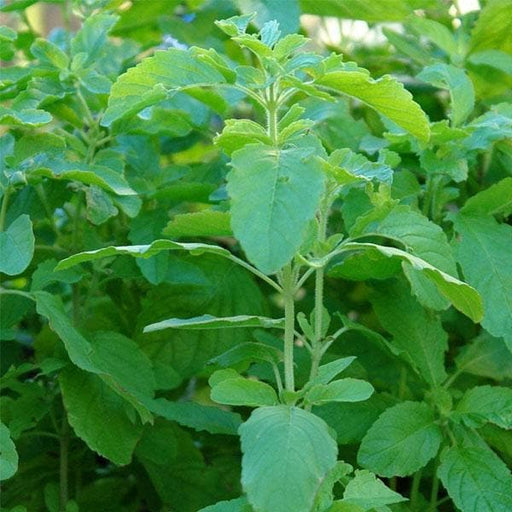






Leave a comment