
Expert Support
Available 24/7 via chat
Available 24/7 via chat
Rajnigandha, known locally as tuberose or bone flower, is a beloved ornamental plant in Indian gardens. Its enchanting fragrance and pristine white flowers make it a favorite for both home gardens and commercial cultivation. Whether you're an experienced gardener or just starting out, this easy-to-grow plant rewards you with long-lasting blooms and the kind of aromatic display that transforms any garden space.
Rajnigandha is a perennial flowering plant celebrated for its delicate white blooms and intoxicating fragrance. Reaching a maximum height of 2 to 3 feet, it starts as a compact 12-inch (30 cm) plant with a spread of just 3 inches (8 cm), making it perfect for flower beds or container gardening. The white flowers appear in late summer, attracting butterflies and birds while providing a multi-season blooming display. Its long-lasting ornamental flowers make it an ideal choice for both cut flower arrangements and garden aesthetics.
| Care Aspect | Requirement |
|---|---|
| Light | Full Sun |
| Watering | Medium |
| Soil | Well-drained soil |
| Temperature | 21-24°C (approximately 70-75°F) |
| Fertilizer | Organic fertilizer |
| Difficulty Level | Easy to grow |
Rajnigandha thrives best in full sun conditions. Position your plant where it receives maximum direct sunlight throughout the day. In India's varied climate zones, this means placing it in the brightest spot available during the growing season. If you're growing in a container, place it on a south-facing balcony or terrace where it gets the most light exposure. Even during monsoon season when sunlight is limited, try to position the plant in the brightest available location to maintain vigorous growth and abundant flowering.
This plant requires medium watering—neither too much nor too little. Water deeply but allow the soil to dry slightly between waterings. During India's hot summer months, you may need to water more frequently, while in cooler months, reduce watering. Ensure water drains away quickly; waterlogged conditions can lead to root problems. If you're in an area with hard water (common in many parts of India), consider collecting rainwater during monsoons for watering, as Rajnigandha appreciates softer water conditions.
Rajnigandha demands well-drained soil to prevent waterlogging and root rot. A mix of garden soil with compost or sand improves drainage significantly. Apply organic fertilizer as the plant grows; this could be neem cake, seaweed extract, or well-rotted compost worked into the soil at planting time. Feed once every month during the growing season to support healthy foliage and abundant blooming. Avoid over-fertilizing, as this can promote leaf growth at the expense of flowers.
Rajnigandha prefers temperatures in the range of 21-24°C (approximately 70-75°F), making it suitable for India's varied climates. This easy-to-grow plant adapts well to warm conditions, which is fortunate in most of India where summer temperatures are typically much warmer. However, avoid exposing young plants to extreme temperature fluctuations. During winter in northern regions, provide some protection if temperatures drop significantly below the preferred range. The plant tolerates moderate to high humidity and performs exceptionally well during the monsoon season, provided drainage remains excellent.
Rajnigandha propagates easily from bulblets that develop around the mother bulb. Carefully separate mature bulbs during dormancy (usually after flowering), and replant them in well-prepared soil. Each bulblet can become a new flowering plant within a season or two. For best results, store separated bulbs in a cool, dry place until the next planting season. Container-friendly as it is, you can propagate in pots filled with well-draining potting mix for easy management and flexibility in placement.
The main issues Rajnigandha faces in Indian gardens include:
Ready to grow your own? Shop Rajnigandha at Nurserylive →
Rajnigandha, Tuberose - Plant The Rajnigandha, scientifically known as Polianthes tuberosa, is a captivating perennial plant renowned for ...
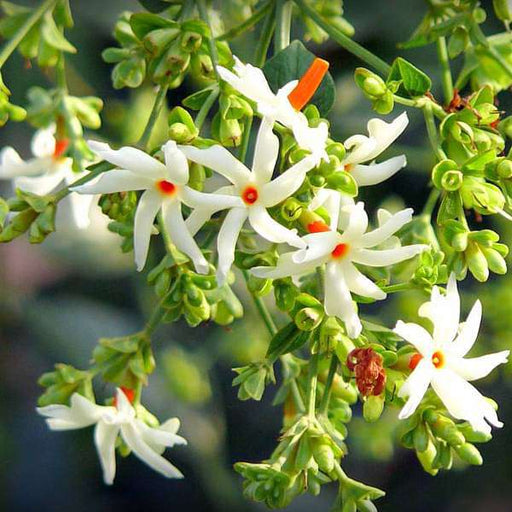
View full detailsCombo Constituents Includes the Parijat Tree (Night-Flowering Jasmine), a culturally significant plant with fragrant flowers. Description The Pari...
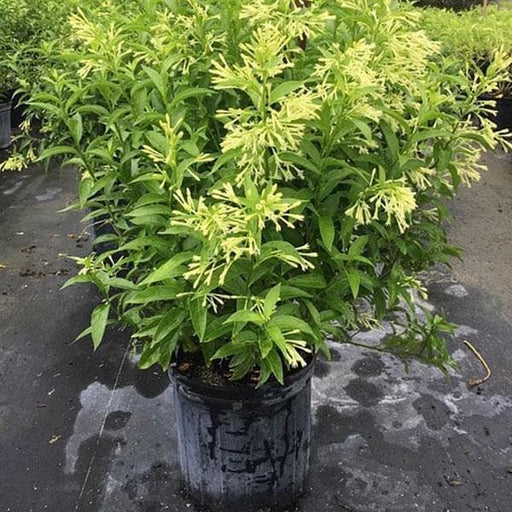
View full detailsDescription Raat Ki Rani (*Cestrum nocturnum*), also known as Night Blooming Jasmine, is a fragrant shrub native to the Caribbean and Central Ameri...
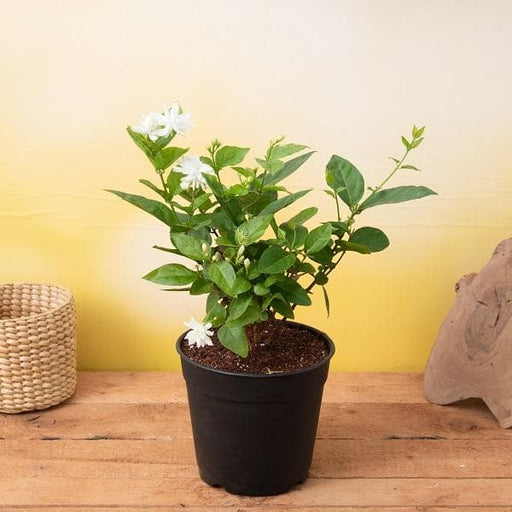
View full detailsJasminum sambac, Mogra, Arabian Jasmine - Plant Jasminum sambac, commonly known as Mogra or Arabian Jasmine, is a fragrant flowering plant...
View full detailsRajnigandha, Tuberose - Plant The Rajnigandha, scientifically known as Polianthes tuberosa, is a captivating perennial plant renowned for ...
View full detailsCitronella, Odomas - Plant The Citronella plant, scientifically known as Cymbopogon nardus, is a tropical grass renowned for its aromatic ...
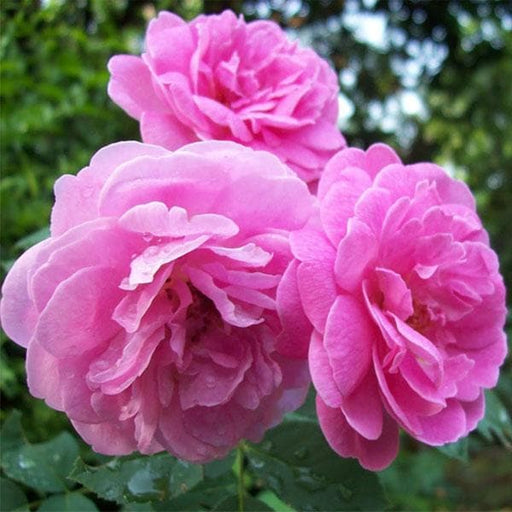
View full detailsDamascus Rose, Scented Rose (Any Color) - Plant The Damascus Rose, also known as Rosa damascena, is a timeless symbol of beauty and romanc...
View full detailsMiniature Rose, Button Rose (Any Color) - Plant The Miniature Rose, also known as the Button Rose, is a charming and compact flowering plant that ...
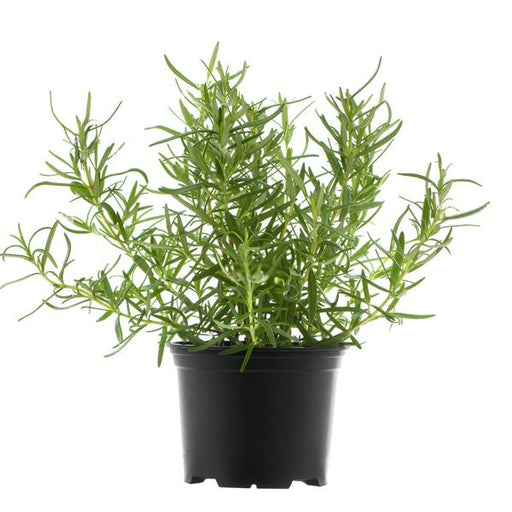
View full detailsRosemary - Plant Rosemary (Rosmarinus officinalis) is a fragrant evergreen herb native to the Mediterranean region. Known for its needle-like leav...
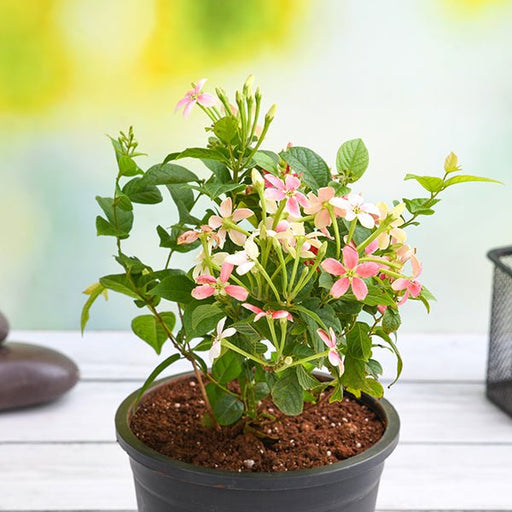
View full detailsMadhumalti Dwarf, Rangoon Creeper - Plant The Madhumalti Dwarf, also known as the Rangoon Creeper (Quisqualis indica), is a stunning perennial vin...
View full detailsBest 6 Plants for Perfect Indoor Garden Transform your living space into a lush oasis with our curated collection of the Best 6 Plants for a...
View full detailsBest 6 Plants for Perfect Indoor Garden Transform your living space into a lush oasis with our curated collection of the Best 6 Plants for a...
View full detailsMini Succulent Garden Pack Transform your space with our Mini Succulent Garden Pack, featuring a delightful collection of 4 any variety beautiful s...
View full details5 Best Fragrant Plants Transform your garden or indoor space into a fragrant paradise with our curated selection of the 5 Best Fragrant Plants. Th...
View full detailsSet of 2 Bonsai Looking Grafted Adeniums Transform your indoor or outdoor space with our exquisite Set of 2 Bonsai Looking Grafted Adenium...
View full detailsTop 4 Die Hard Succulents Pack Note: Plants included in this pack will be delivered in a 3-inch nursery pot (any color). Transform your indoor or ...
View full details5 Best Indoor Plants Pack Transform your living space into a lush oasis with our '5 Best Indoor Plants Pack.' This carefully curated collection fe...
View full detailsSet of 4 Evergreen Air Purifier Plant Pack Transform your indoor space into a lush, green oasis with our Set of 4 Evergreen Air Purifier Pla...
View full detailsTop 5 Pollution Killer Plants Pack Transform your living space into a breath of fresh air with our 'Top 5 Pollution Killer Plants Pack'. This care...
View full detailsPack of 3 Good Luck Jade Plants in Ceramic Pots Bring a touch of nature into your home with our Pack of 3 Good Luck Jade Plants, featuring...
View full detailsPortulaca Garden Pack (4 Plants + 4 Black Pots) Note- You will get any color (Assorted) potted Porulaca plant with this pack. Transform your garde...
View full details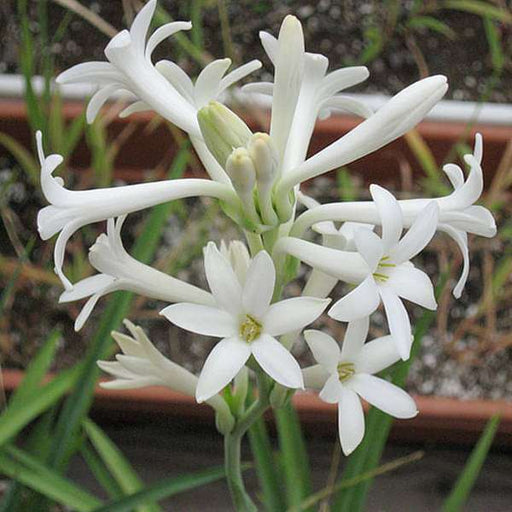















Leave a comment