
Expert Support
Available 24/7 via chat
Available 24/7 via chat
Portulaca, lovingly called the "Nine O'Clock" or "Eleven O'Clock" flower, is one of India's most beloved summer succulents. If you're looking for a vibrant, low-maintenance groundcover that thrives in harsh heat and needs minimal water, Portulaca is your answer. This rapid-spreading succulent rewards Indian gardeners with explosive color throughout summer, asking for nothing more than sun, well-drained soil, and occasional attention. Whether you're a beginner or experienced plant parent, Portulaca's extreme drought tolerance and easy-care nature make it a must-have in every Indian garden.
Portulaca (Portulaca oleracea), commonly known as Purslane, Sun Plant, Nine O'Clock, or Eleven O'Clock, is a low-growing succulent that spreads rapidly across garden beds and containers. This heat-loving plant is naturally designed for tough conditions—a trait that makes it ideal for India's unpredictable climate. When you purchase a young Portulaca, it typically arrives at 6 inches (15 cm) in height with a 4-inch (10 cm) spread, but with proper care, it grows up to 30–40 cm tall and spreads up to 1 foot wide, creating a dense, colorful carpet of blooms.
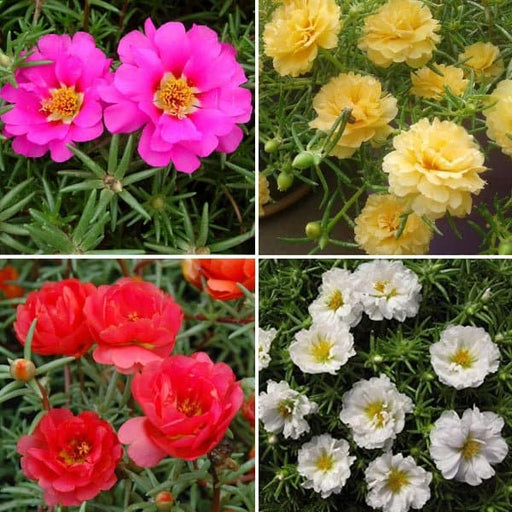
The flowers appear in nearly every color imaginable—vibrant pinks, deep purples, bright oranges, pristine whites, and sunshine yellows—each opening in full sunlight and closing as evening approaches (hence the "O'Clock" names). During the summer bloom season, a mature Portulaca plant becomes a non-stop flower factory, making it perfect for landscaping borders, rock gardens, and container displays.
| Care Aspect | Requirement |
|---|---|
| Light | Full sunlight |
| Water | Moderate; infrequent |
| Soil | Sandy, well-drained |
| Temperature | 20–30°C ideal |
Portulaca is a sun-worshiper and demands full sunlight to thrive. In India, this means placing your plant where it receives at least 6–8 hours of direct sunlight daily. During the intense summer months, even the harsh midday sun won't scorch it—this plant has evolved to love heat and light. In fact, insufficient light is one of the few ways you can truly disappoint a Portulaca; without adequate sun, it becomes leggy, stops flowering, and loses its compact, attractive shape.
If you live in a region with particularly intense summer afternoons (such as Northern or Central India), your Portulaca will still flourish. The scorching heat that makes other plants wilt is precisely what Portulaca craves. However, in very dim corners or heavily shaded areas, the plant will sulk and refuse to bloom, no matter how well you care for it otherwise.
One of Portulaca's greatest gifts to Indian gardeners is its extreme drought tolerance. This succulent stores water in its fleshy leaves and stems, making it incredibly forgiving during dry spells. Water moderately—meaning deeply but infrequently. During the growing season (summer), water only when the top inch of soil feels dry to the touch. In most Indian climates, this translates to once every 5–7 days in peak summer, and even less frequently if you've had rain.
The golden rule: overwatering is Portulaca's only real enemy. Never let the plant sit in soggy soil or waterlogged containers. When the monsoon season arrives, reduce watering significantly or water only if there hasn't been rain for several days. Hard water (which is common in many Indian households) is not a problem for Portulaca; it adapts well to tap water.
Container plants dry out faster than ground plantings, so monitor them more closely. If you're unsure whether to water, err on the side of caution and wait another day—a slightly under-watered Portulaca is infinitely better than an over-watered one.
Portulaca thrives in sandy, well-drained soils. If your garden has heavy clay (common in many parts of India), amend it with coarse sand, perlite, or grit to improve drainage. The plant hates waterlogging, and good drainage is non-negotiable for long-term success. For container growing, use a cactus or succulent potting mix, or create your own by mixing equal parts sand, perlite, and regular potting soil.
Portulaca is not a heavy feeder and thrives even in poor soil. Apply any organic fertilizer once during the growing season—early summer is ideal. A light sprinkle of compost or a diluted liquid organic fertilizer is all it needs. Over-fertilizing can actually reduce flowering and encourage excessive foliage at the expense of blooms, so resist the urge to feed heavily.
Portulaca's ideal temperature range is 20 to 30°C, which aligns beautifully with India's summer months. The plant is a warm-season lover and will begin to decline once temperatures drop below 15°C. In regions with cold winters, treat Portulaca as an annual, or move potted plants indoors to a bright, warm location.
Humidity is generally not a concern; Portulaca adapts well to varying humidity levels and actually prefers drier air. During India's monsoon season, when humidity spikes, ensure air circulation around the plant to prevent fungal issues. Spacing plants adequately and avoiding overhead watering will help protect against moisture-related problems.
Portulaca propagates effortlessly, making it simple to expand your collection or share with fellow plant enthusiasts. The easiest method is stem cuttings: snip 2–3 inch pieces from healthy stems, let them dry in shade for 2–3 days, and insert them into sandy soil. Water lightly and place in bright light. Roots develop within 1–2 weeks, and new growth appears shortly after.
Alternatively, collect seeds from spent flowers at the end of summer. Scatter seeds on moist, sandy soil in spring, maintain moderate moisture until germination (7–10 days), and gradually reduce watering as seedlings establish. Seeds are tiny but plentiful, and germination is reliably fast.
Root Rot: Caused by overwatering or poor drainage. Prevention is the cure—water less and ensure sandy, well-draining soil. If root rot occurs, repot the plant in fresh, dry soil and prune away affected portions.
Fungal Issues: During humid monsoon seasons, leaf spots or powdery mildew can appear. Improve air circulation, reduce watering, and apply neem oil if needed. Remove affected leaves promptly.
Pest Problems: Portulaca is generally pest-resistant, but spider mites or mealybugs may occasionally appear. A spray of soapy water or neem solution resolves most issues quickly.
Leggy Growth & No Flowers: This indicates insufficient sunlight. Move the plant to a brighter location immediately.
Ready to grow your own? Shop Portulaca at Nurserylive →
Portulaca, 9 O'Clock (Any Color) - Plant The Portulaca, commonly known as 9 O'Clock, is a vibrant, succulent flowering plant that thrives ...
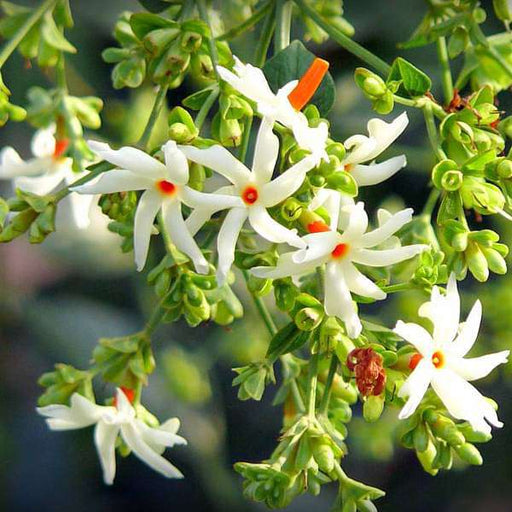
View full detailsCombo Constituents Includes the Parijat Tree (Night-Flowering Jasmine), a culturally significant plant with fragrant flowers. Description The Pari...
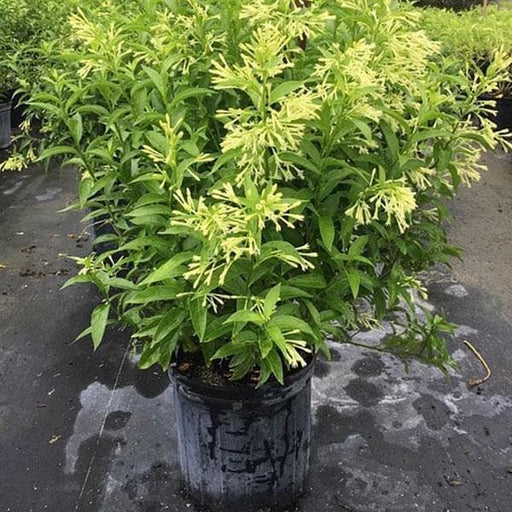
View full detailsDescription Raat Ki Rani (*Cestrum nocturnum*), also known as Night Blooming Jasmine, is a fragrant shrub native to the Caribbean and Central Ameri...
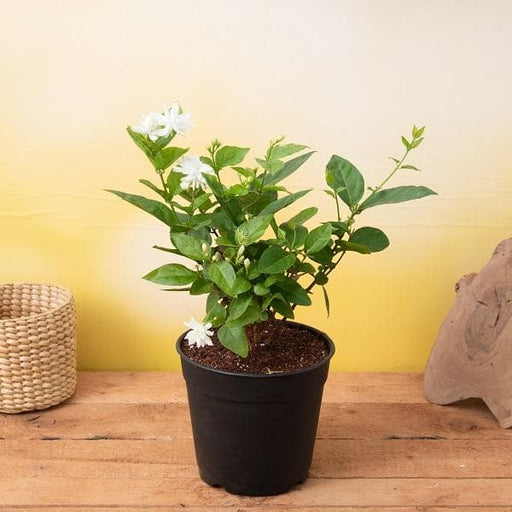
View full detailsJasminum sambac, Mogra, Arabian Jasmine - Plant Jasminum sambac, commonly known as Mogra or Arabian Jasmine, is a fragrant flowering plant...
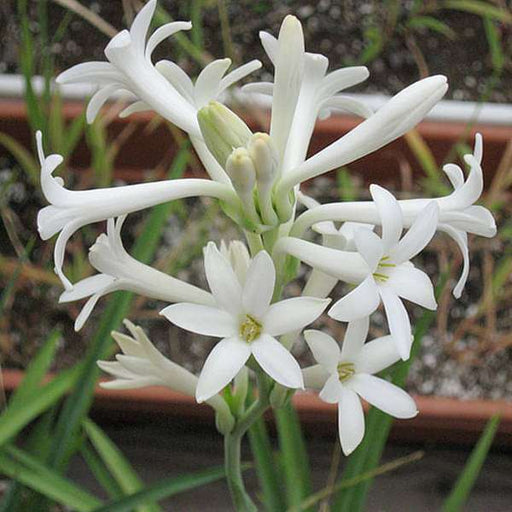
View full detailsRajnigandha, Tuberose - Plant The Rajnigandha, scientifically known as Polianthes tuberosa, is a captivating perennial plant renowned for ...
View full detailsCitronella, Odomas - Plant The Citronella plant, scientifically known as Cymbopogon nardus, is a tropical grass renowned for its aromatic ...
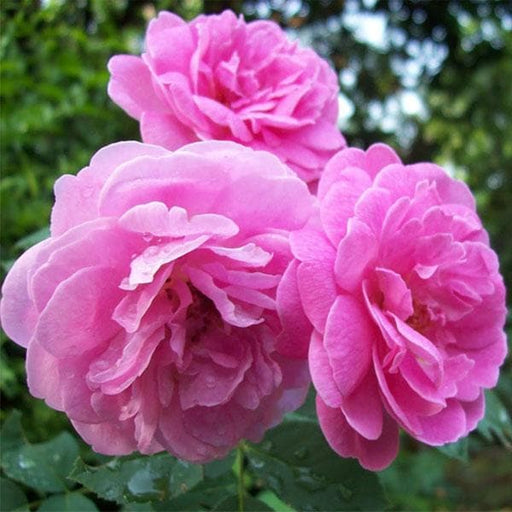
View full detailsDamascus Rose, Scented Rose (Any Color) - Plant The Damascus Rose, also known as Rosa damascena, is a timeless symbol of beauty and romanc...
View full detailsMiniature Rose, Button Rose (Any Color) - Plant The Miniature Rose, also known as the Button Rose, is a charming and compact flowering plant that ...
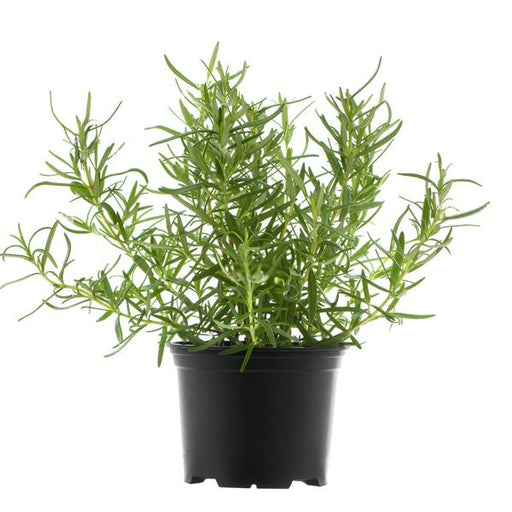
View full detailsRosemary - Plant Rosemary (Rosmarinus officinalis) is a fragrant evergreen herb native to the Mediterranean region. Known for its needle-like leav...
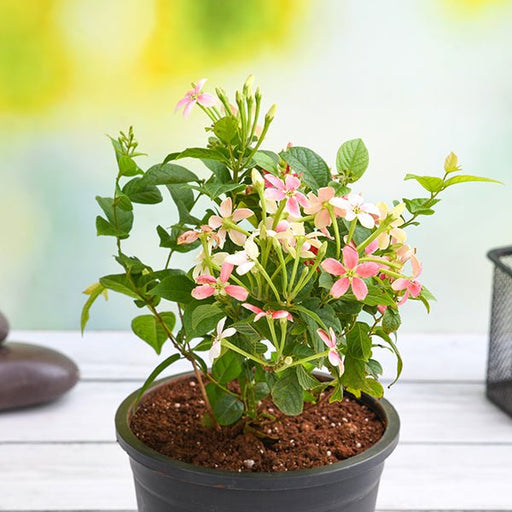
View full detailsMadhumalti Dwarf, Rangoon Creeper - Plant The Madhumalti Dwarf, also known as the Rangoon Creeper (Quisqualis indica), is a stunning perennial vin...
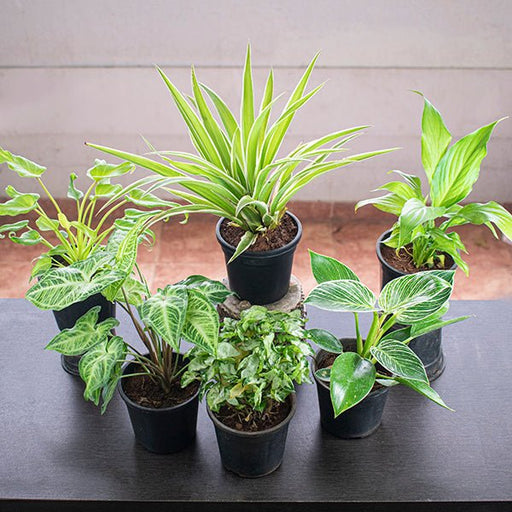
View full detailsBest 6 Plants for Perfect Indoor Garden Transform your living space into a lush oasis with our curated collection of the Best 6 Plants for a...
View full detailsBest 6 Plants for Perfect Indoor Garden Transform your living space into a lush oasis with our curated collection of the Best 6 Plants for a...
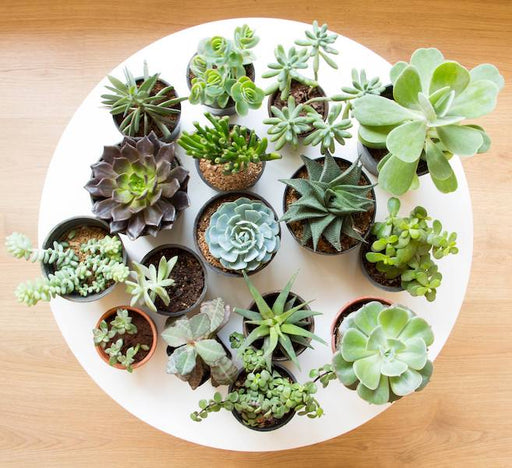
View full detailsMini Succulent Garden Pack Transform your space with our Mini Succulent Garden Pack, featuring a delightful collection of 4 any variety beautiful s...
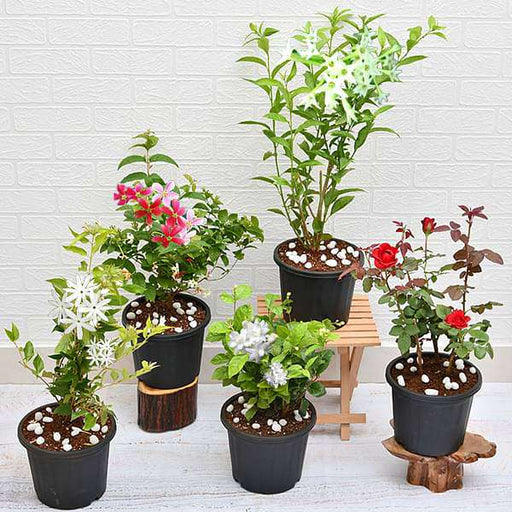
View full details5 Best Fragrant Plants Transform your garden or indoor space into a fragrant paradise with our curated selection of the 5 Best Fragrant Plants. Th...
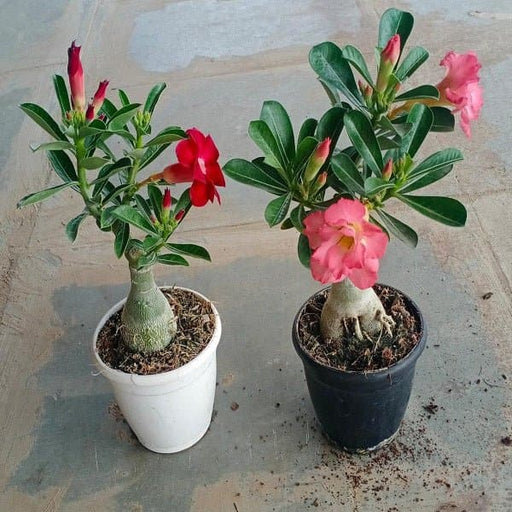
View full detailsSet of 2 Bonsai Looking Grafted Adeniums Transform your indoor or outdoor space with our exquisite Set of 2 Bonsai Looking Grafted Adenium...
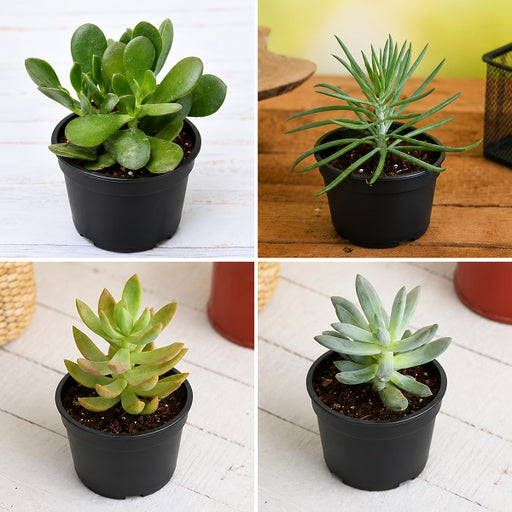
View full detailsTop 4 Die Hard Succulents Pack Note: Plants included in this pack will be delivered in a 3-inch nursery pot (any color). Transform your indoor or ...
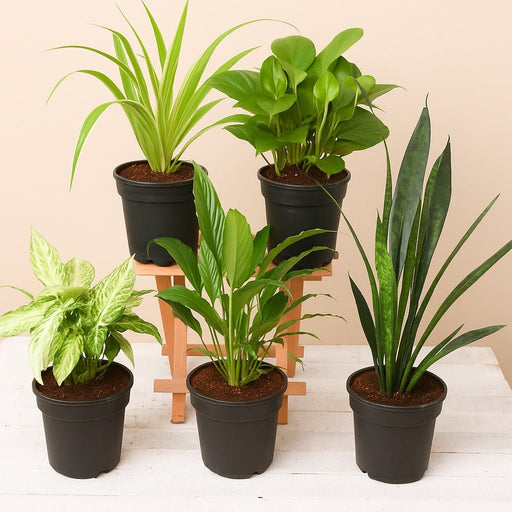
View full details5 Best Indoor Plants Pack Transform your living space into a lush oasis with our '5 Best Indoor Plants Pack.' This carefully curated collection fe...
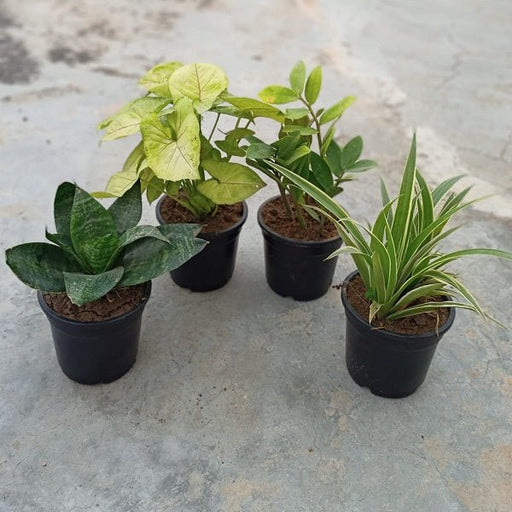
View full detailsSet of 4 Evergreen Air Purifier Plant Pack Transform your indoor space into a lush, green oasis with our Set of 4 Evergreen Air Purifier Pla...
View full detailsTop 5 Pollution Killer Plants Pack Transform your living space into a breath of fresh air with our 'Top 5 Pollution Killer Plants Pack'. This care...
View full detailsPack of 3 Good Luck Jade Plants in Ceramic Pots Bring a touch of nature into your home with our Pack of 3 Good Luck Jade Plants, featuring...
View full detailsPortulaca Garden Pack (4 Plants + 4 Black Pots) Note- You will get any color (Assorted) potted Porulaca plant with this pack. Transform your garde...
View full details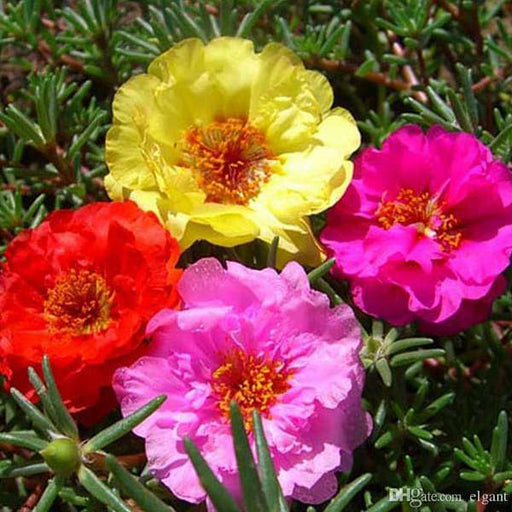





Leave a comment