
Expert Support
Available 24/7 via chat
Available 24/7 via chat
The pomegranate—known locally as annar, anar, or dalimb—is a treasure of Indian gardens. For centuries, this hardy fruit plant has flourished in our tropical and subtropical climate, rewarding patient gardeners with vibrant orange-red blooms and glossy crimson fruits packed with antioxidant-rich arils. Whether you're a seasoned gardener or picking up your first plant, pomegranate is forgiving, productive, and deeply satisfying to grow. Our grafted varieties fruit early, making it possible to harvest your own pomegranates in as little as 12–18 months, even in containers.
The pomegranate is a deciduous to semi-evergreen shrub native to the Mediterranean and widely cultivated across India for over 2,000 years. In Indian gardens, it adapts beautifully to diverse climates—from the dry heat of Rajasthan to the monsoon regions of the Deccan and coastal areas. The plant we supply arrives at 18 inches (46 cm) tall and 6 inches (15 cm) wide, but can grow to 2–10 feet depending on your space and pruning approach.
Pomegranate flowers arrive in multiple flushes during the year—January to February, June to July, and September to October—meaning you can harvest fruit across different seasons. Our bestselling grafted varieties are selected for early fruiting and compact growth, making them ideal for urban gardens and containers. The plant is a perennial fruit bearer, so with proper care, it will reward you year after year.
| Light | More than 6 hours of direct bright sunlight daily |
| Water | Regular watering; loosen topsoil before feeding; allow soil to dry between waterings in winter |
| Soil | Well-drained, fertile, organic-rich; pH 5.5–7.5 |
| Temperature | Optimal 25–35°C; thrives in Indian heat; protect from frost below 10°C |
Pomegranate is a sun-loving plant and performs best with more than 6 hours of direct bright sunlight every day. In India's intense heat, this is rarely a limitation—even in the warmest months, the plant thrives. However, placement matters. If your garden receives afternoon shade in summer (especially in zones prone to temperatures above 40°C), a spot with morning sun and light afternoon dappling can prevent leaf scorch while still providing ample light for flowering and fruiting. Indoor plants near a south-facing window work well, though they may flower less prolifically than outdoor plants. Insufficient light delays blooming and reduces fruit set, so prioritize brightness when placing your pomegranate.
Pomegranate appreciates consistent moisture during the growing season but is relatively drought-tolerant once established. Water deeply and regularly from June to September, when the plant is actively growing and flowering. Frequency depends on rainfall and soil drainage—in well-draining soil, water every 2–3 days during hot months, reducing to once a week in cooler weather.
Before applying fertilizer, loosen the topsoil gently around the plant's base without disturbing the roots. This improves water and nutrient uptake. Always water after fertilizing to help dissolve and deliver nutrients to the roots. During the monsoon, reduce watering frequency as rain provides moisture. In winter (November to January), the plant enters a rest phase—water sparingly, allowing the soil to dry between waterings. Waterlogging invites root rot, so ensure your pot or garden bed drains freely. Hard water, common in many parts of India, is tolerated by pomegranate but may cause nutrient lock-up over time; if leaves appear yellowed despite feeding, flush the soil with rainwater if possible.
The ideal soil for pomegranate is well-drained and fertile, rich in organic matter. A pH range of 5.5 to 7.5 suits the plant perfectly. If planting in garden soil, amend with 3–4 inches of mature compost or aged manure to improve structure and nutrient content. For container growing, use a mix of one-third coco peat, one-third compost, and one-third perlite or sand for excellent drainage.
During the main growing season (June to July), feed the plant with organic fertilizer. A balanced formulation—such as well-decomposed cow manure, neem cake, or commercial organic granules—applied every 4–6 weeks supports vigorous growth and abundant flowering. Apply around the base, water thoroughly, and avoid contact with the stem. Reduce or stop feeding during winter dormancy. A light dusting of rock phosphate or bone meal before the flowering window (May–June) can encourage prolific blooms.
Pomegranate thrives in the warm, dry climate of most of India. The optimal temperature range is 25–35°C, which aligns with India's summer and monsoon seasons. The plant handles heat exceptionally well—even temperatures above 40°C are tolerated provided it receives adequate water. Humidity is less critical; pomegranate adapts to both humid coastal regions and dry inland zones. However, in extremely humid, low-air-flow conditions (common indoors or in dense gardens), watch for fungal issues on leaves.
Frost is the main concern. If your region experiences winter temperatures below 10°C (rare in most of India but possible in higher elevations), move container plants indoors or provide frost protection with cloth covers. Extended cold slows growth and can drop flower buds.
Pomegranate propagates readily from semi-hardwood cuttings taken during the growing season (July to September). Select pencil-thick, disease-free stems, cut 6–8 inch lengths just below a node, remove lower leaves, dip the base in rooting hormone, and insert into a moist mix of sand and peat. Keep warm and humid under a plastic tent for 4–6 weeks until roots form. Cuttings typically root within 30–45 days.
Seeds are another option but slower and less reliable for fruiting; seeds germinate in 2–3 weeks under warm, moist conditions, but seedlings often take 3–4 years to produce fruit. Our grafted nursery stock bypasses this lag, delivering fruit-bearing maturity far sooner.
Leaf spots and powdery mildew: High humidity without air circulation can trigger fungal diseases. Improve airflow, prune dense growth, and avoid wetting the foliage during irrigation. If severe, apply a sulfur dust or neem spray every 10 days.
Fruit splitting: Erratic watering—especially heavy rain after drought—causes the fruit skin to crack. Mulch to regulate soil moisture and water consistently. Once established, avoid sudden soaking.
Whiteflies and scale insects: These sap-suckers occasionally infest pomegranate in warm months. Spray neem oil or insecticidal soap on affected areas. Inspect stems and leaf undersides during routine checks.
Poor fruiting: Insufficient sunlight, excessive nitrogen fertilizer (promoting leaf growth over fruit), or young plant age are typical causes. Ensure 6+ hours of sun and switch to a lower-nitrogen feed once flowering begins.
Ready to grow your own? Shop Pomegranate at Nurserylive →
Pomegranate Plant (Punica granatum) The Pomegranate, known scientifically as Punica granatum, is a deciduous shrub or small tree that prod...
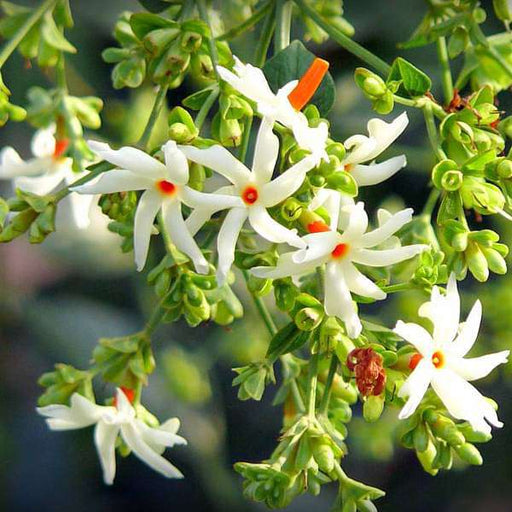
View full detailsCombo Constituents Includes the Parijat Tree (Night-Flowering Jasmine), a culturally significant plant with fragrant flowers. Description The Pari...
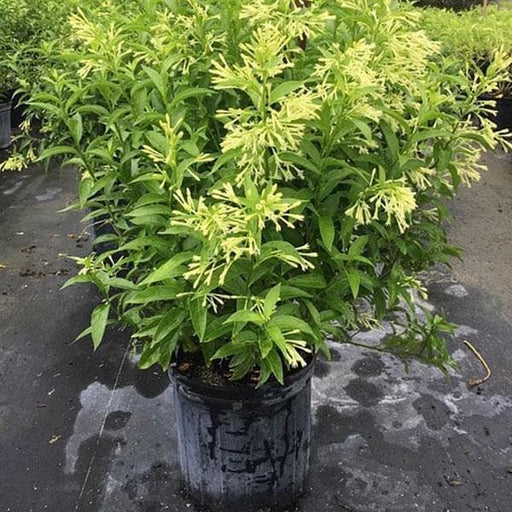
View full detailsDescription Raat Ki Rani (*Cestrum nocturnum*), also known as Night Blooming Jasmine, is a fragrant shrub native to the Caribbean and Central Ameri...
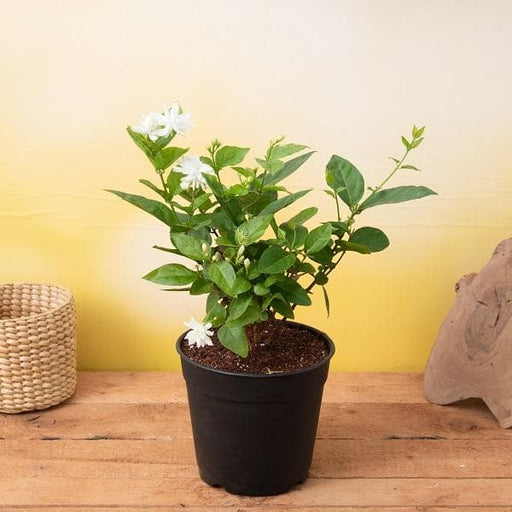
View full detailsJasminum sambac, Mogra, Arabian Jasmine - Plant Jasminum sambac, commonly known as Mogra or Arabian Jasmine, is a fragrant flowering plant...
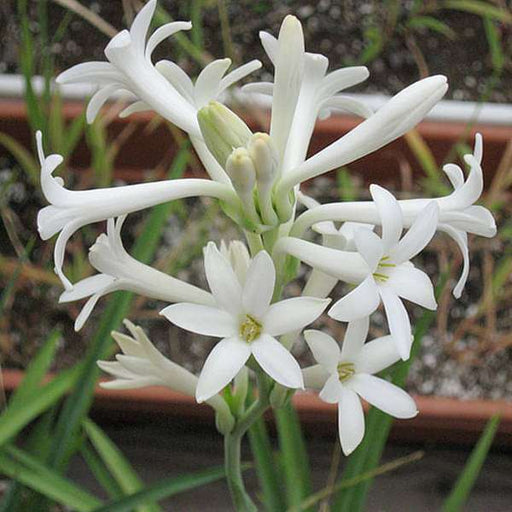
View full detailsRajnigandha, Tuberose - Plant The Rajnigandha, scientifically known as Polianthes tuberosa, is a captivating perennial plant renowned for ...
View full detailsCitronella, Odomas - Plant The Citronella plant, scientifically known as Cymbopogon nardus, is a tropical grass renowned for its aromatic ...
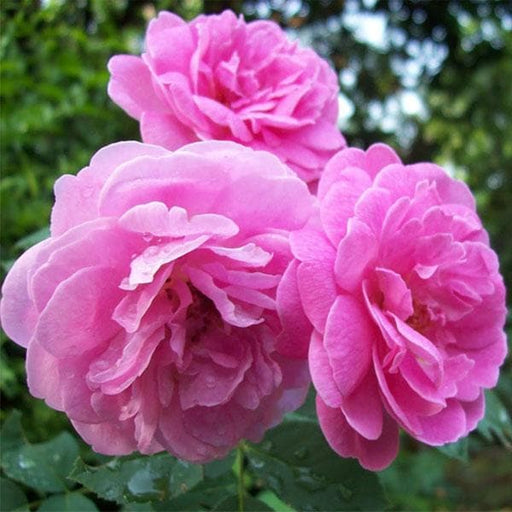
View full detailsDamascus Rose, Scented Rose (Any Color) - Plant The Damascus Rose, also known as Rosa damascena, is a timeless symbol of beauty and romanc...
View full detailsMiniature Rose, Button Rose (Any Color) - Plant The Miniature Rose, also known as the Button Rose, is a charming and compact flowering plant that ...
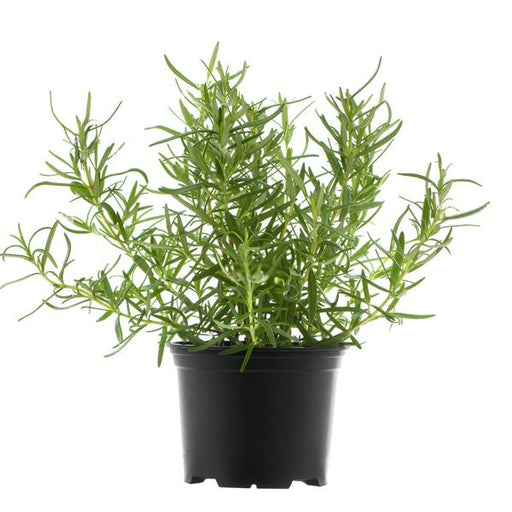
View full detailsRosemary - Plant Rosemary (Rosmarinus officinalis) is a fragrant evergreen herb native to the Mediterranean region. Known for its needle-like leav...
View full detailsMadhumalti Dwarf, Rangoon Creeper - Plant The Madhumalti Dwarf, also known as the Rangoon Creeper (Quisqualis indica), is a stunning perennial vin...
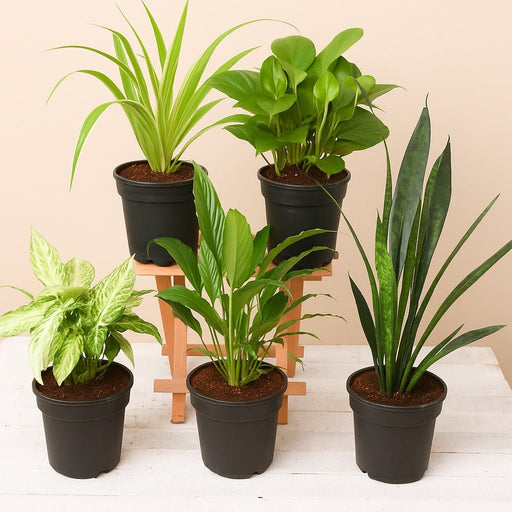
View full detailsBest 6 Plants for Perfect Indoor Garden Transform your living space into a lush oasis with our curated collection of the Best 6 Plants for a...
View full detailsBest 6 Plants for Perfect Indoor Garden Transform your living space into a lush oasis with our curated collection of the Best 6 Plants for a...
View full detailsMini Succulent Garden Pack Transform your space with our Mini Succulent Garden Pack, featuring a delightful collection of 4 any variety beautiful s...
View full details5 Best Fragrant Plants Transform your garden or indoor space into a fragrant paradise with our curated selection of the 5 Best Fragrant Plants. Th...
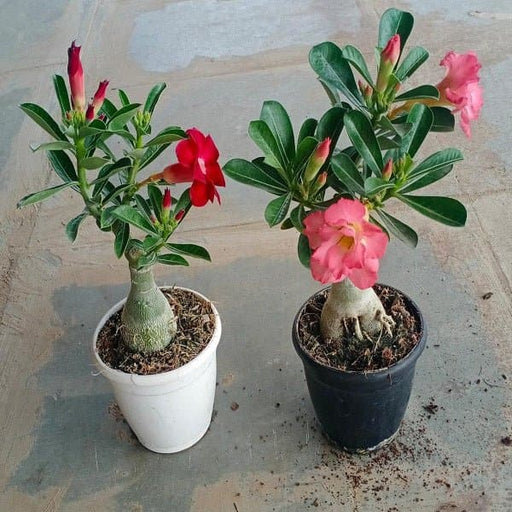
View full detailsSet of 2 Bonsai Looking Grafted Adeniums Transform your indoor or outdoor space with our exquisite Set of 2 Bonsai Looking Grafted Adenium...
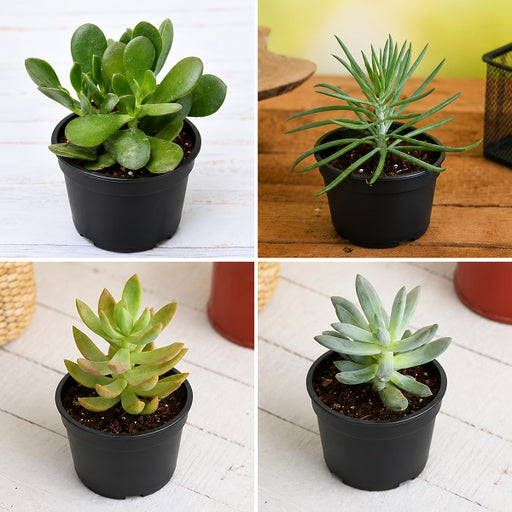
View full detailsTop 4 Die Hard Succulents Pack Note: Plants included in this pack will be delivered in a 3-inch nursery pot (any color). Transform your indoor or ...
View full details5 Best Indoor Plants Pack Transform your living space into a lush oasis with our '5 Best Indoor Plants Pack.' This carefully curated collection fe...
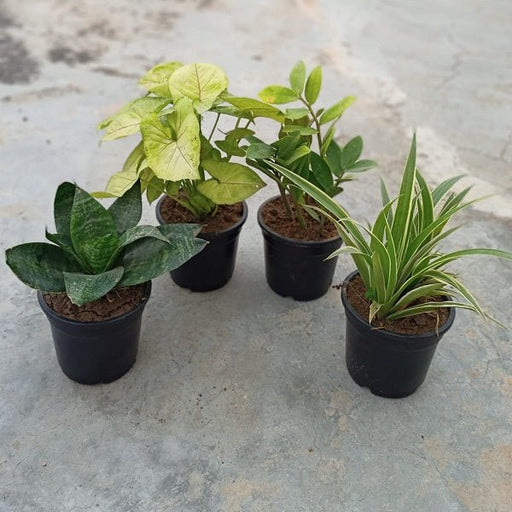
View full detailsSet of 4 Evergreen Air Purifier Plant Pack Transform your indoor space into a lush, green oasis with our Set of 4 Evergreen Air Purifier Pla...
View full detailsTop 5 Pollution Killer Plants Pack Transform your living space into a breath of fresh air with our 'Top 5 Pollution Killer Plants Pack'. This care...
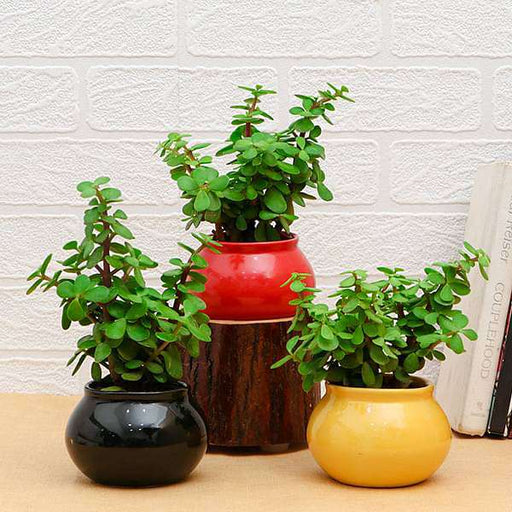
View full detailsPack of 3 Good Luck Jade Plants in Ceramic Pots Bring a touch of nature into your home with our Pack of 3 Good Luck Jade Plants, featuring...
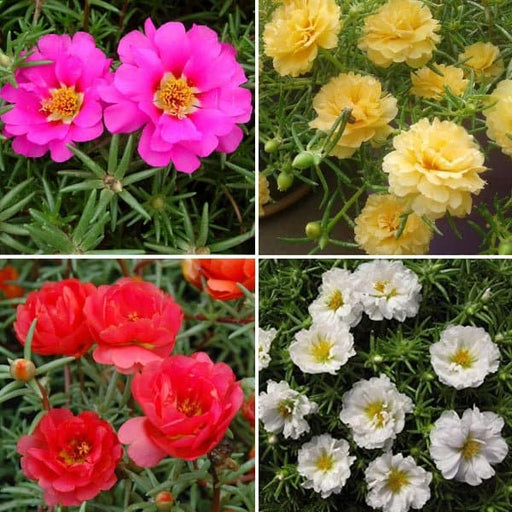
View full detailsPortulaca Garden Pack (4 Plants + 4 Black Pots) Note- You will get any color (Assorted) potted Porulaca plant with this pack. Transform your garde...
View full details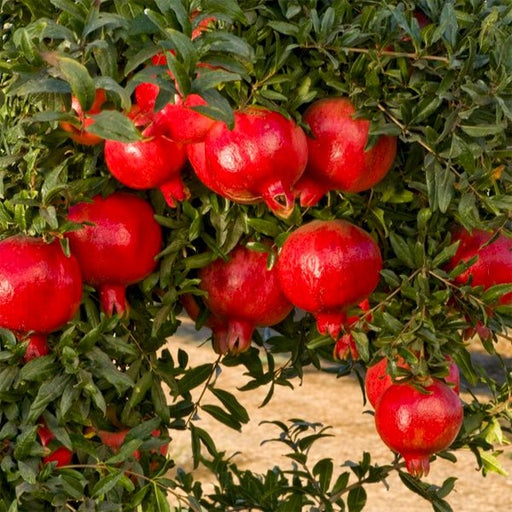






Leave a comment