
Expert Support
Available 24/7 via chat
Available 24/7 via chat
The poinsettia, affectionately called the Christmas flower, is one of the most recognizable seasonal bloomers worldwide—and it's surprisingly easy to grow in India. With its striking red bracts and delicate yellow flowers at the center, this plant delivers maximum visual impact with minimal fuss. Whether you're a seasoned gardener or just starting out, poinsettia adapts well to Indian homes and gardens, especially during the cooler months. This guide walks you through everything you need to know to keep your poinsettia thriving year-round.
Poinsettia (Euphorbia pulcherrima) is a woody shrub native to Mexico, but has become a global symbol of holiday festivity. The stunning "flowers" you admire are actually modified leaves called bracts—the true flowers are the small yellow blooms in the center. When you purchase a poinsettia from Nurserylive, it typically arrives as a compact plant standing about 24 inches tall with a 6-inch spread, but under ideal conditions, it can grow into a substantial shrub reaching 3 to 10 feet in height.
The plant is classified as a seasonal bloomer, meaning it flowers at specific times of the year—typically during the shorter days of autumn and winter. This makes it perfect for gifting around the festive season, or for creating holiday-themed garden displays. Being easy to grow, poinsettias tolerate a range of conditions, though they perform best when you honor their basic preferences.
| Aspect | Details |
|---|---|
| Light | Part shade |
| Watering | Medium (keep soil consistently moist, not waterlogged) |
| Soil | Well-drained soil |
| Temperature | 10°C minimum for blooming; warm days preferred |
Poinsettia thrives in part shade, making it ideal for Indian homes and gardens. It needs bright, indirect light to maintain its vibrant red color and prevent the bracts from fading. Place your plant near an east-facing or north-facing window where it receives filtered sunlight for most of the day. Avoid harsh, direct afternoon sun, especially during India's intense summer months (April–June), as this can scorch the bracts and dry out the plant rapidly.
If you're growing poinsettia indoors, ensure it receives at least 6–8 hours of bright, indirect light daily. During monsoon, when natural light is reduced, supplement with a grow light if the plant appears leggy or loses color. A key point: poinsettia is sensitive to day length. The plant naturally triggers its blooming cycle in response to shorter daylight hours, which is why it flowers beautifully in autumn and winter in India.
Poinsettia requires medium watering—think of it as consistent but not soggy. Water when the top inch of soil feels dry to the touch. In India's heat (especially in metros like Delhi, Mumbai, and Bangalore), you may need to water more frequently during summer, potentially every 1–2 days. During monsoon, reduce watering because rainfall and humidity will contribute to soil moisture. In winter, when the plant is flowering and growth slows, water less frequently—perhaps every 3–4 days.
Always use well-drained soil to prevent root rot. After watering, ensure excess water drains out completely. If your area has hard water (common in North India), consider using collected rainwater or allowing tap water to sit overnight before use—this helps prevent mineral buildup that can harm the plant over time. Never allow the plant to sit in standing water.
Poinsettia demands well-drained soil as its foundation. A premium quality potting mix combined with perlite or coarse sand (in a 3:1 ratio) works excellently. This ensures that water passes through without pooling, protecting the roots. If your garden soil is heavy clay (common in many Indian regions), amend it generously with compost or coco peat before planting directly in the ground.
Feed your poinsettia with organic fertilizer during the growing season (spring through early autumn). Nurserylive recommends applying any organic fertilizer—neem cake, vermicompost, or well-rotted cow manure—every 3–4 weeks. During blooming (winter), reduce feeding frequency to once every 4–6 weeks, as the plant prioritizes flower production over new growth. Avoid over-feeding, which can lead to excessive foliage at the expense of vibrant bracts.
The ideal temperature for poinsettia blooming is around 10°C, which is challenging in most of India except during winter in northern regions. However, the plant tolerates warm days (up to 25–28°C) well, as long as nighttime temperatures drop to 15–18°C. This natural cooling cycle triggers and sustains the blooming response. In tropical regions like Kerala or Goa, growing poinsettia as a seasonal plant (October–February) is most successful.
Humidity management is important, especially in India's dry climates (Delhi, Rajasthan) and during air-conditioned indoor settings. Aim for moderate humidity (50–60%). Mist the plant lightly every 2–3 days in dry seasons, but avoid wetting the bracts excessively, as this can cause spotting. During monsoon in humid regions, ensure good air circulation to prevent fungal issues—place a small fan nearby or maintain spacing between plants.
Propagating poinsettia is straightforward using stem cuttings. In late spring or early summer, take 4–6 inch cuttings from healthy, new growth. Dip the cut end in rooting hormone to speed up the process, then place the cutting in moist, well-drained potting soil. Keep the soil warm (18–21°C) and maintain consistent moisture without waterlogging. Roots typically develop within 2–3 weeks. Once rooted, gradually acclimate the new plant to bright, indirect light and follow standard care practices.
Leaf drop is the most common issue, usually triggered by sudden temperature fluctuations, drafts, or inconsistent watering. Maintain steady conditions and stable soil moisture to prevent this. Pest infestations (spider mites, mealybugs) can occur, especially in dry conditions; spray affected areas with a dilute neem oil solution. Yellowing leaves often indicate poor drainage or overwatering—check your soil and adjust your watering schedule. Fading bracts may result from insufficient light or low humidity; move the plant to a brighter location and increase misting.
Ready to grow your own? Shop Poinsettia at Nurserylive →
Poinsettia, Christmas Flower (Red) - Plant The Poinsettia, known scientifically as Euphorbia pulcherrima, is a vibrant symbol of the holid...
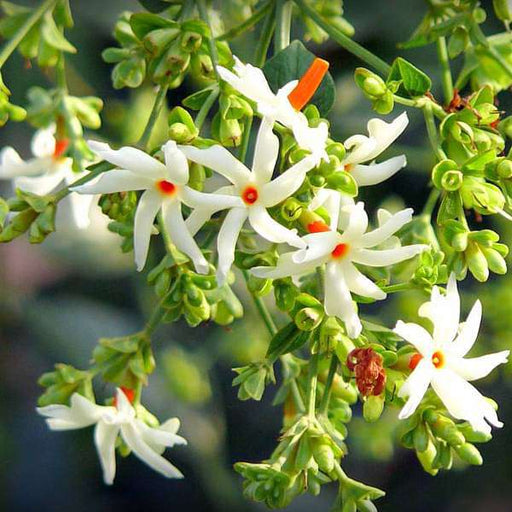
View full detailsCombo Constituents Includes the Parijat Tree (Night-Flowering Jasmine), a culturally significant plant with fragrant flowers. Description The Pari...
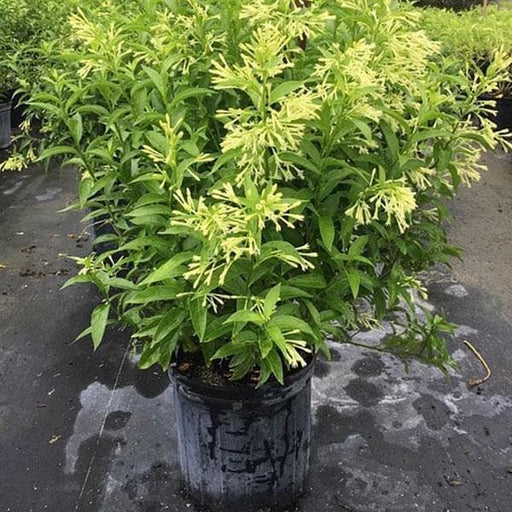
View full detailsDescription Raat Ki Rani (*Cestrum nocturnum*), also known as Night Blooming Jasmine, is a fragrant shrub native to the Caribbean and Central Ameri...
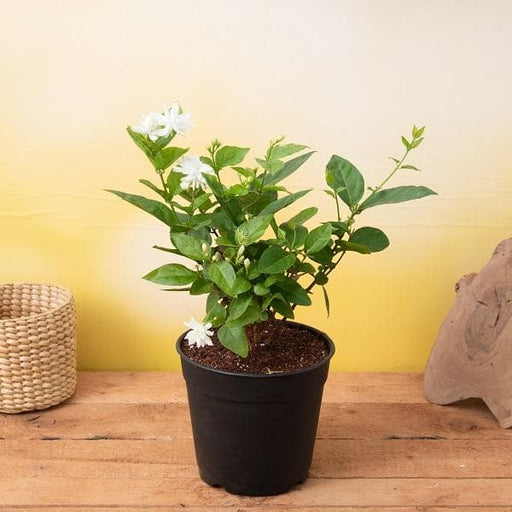
View full detailsJasminum sambac, Mogra, Arabian Jasmine - Plant Jasminum sambac, commonly known as Mogra or Arabian Jasmine, is a fragrant flowering plant...
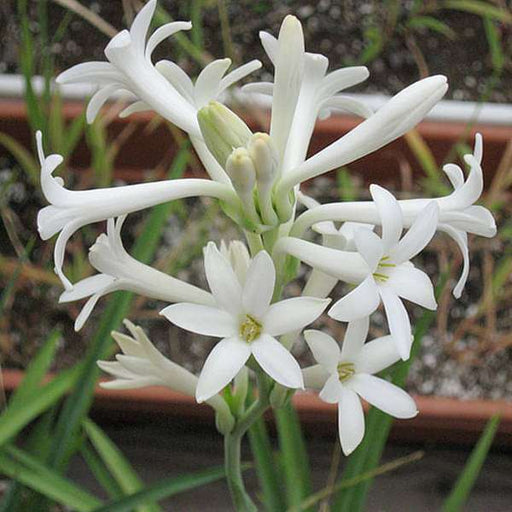
View full detailsRajnigandha, Tuberose - Plant The Rajnigandha, scientifically known as Polianthes tuberosa, is a captivating perennial plant renowned for ...
View full detailsCitronella, Odomas - Plant The Citronella plant, scientifically known as Cymbopogon nardus, is a tropical grass renowned for its aromatic ...
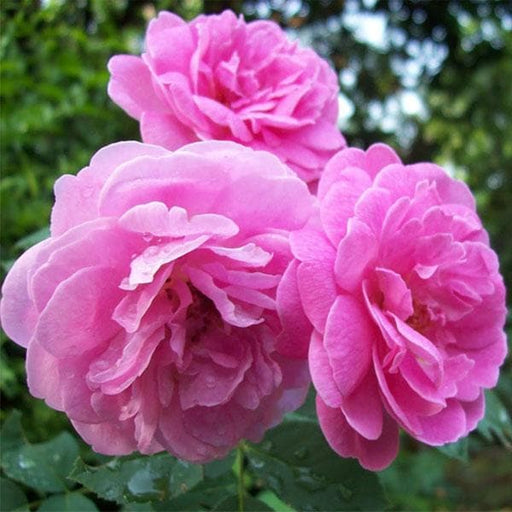
View full detailsDamascus Rose, Scented Rose (Any Color) - Plant The Damascus Rose, also known as Rosa damascena, is a timeless symbol of beauty and romanc...
View full detailsMiniature Rose, Button Rose (Any Color) - Plant The Miniature Rose, also known as the Button Rose, is a charming and compact flowering plant that ...
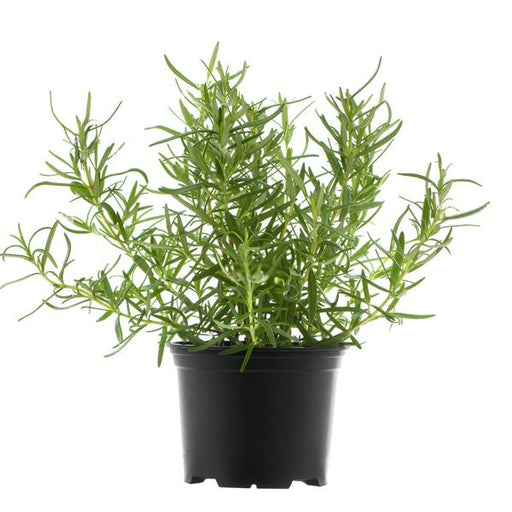
View full detailsRosemary - Plant Rosemary (Rosmarinus officinalis) is a fragrant evergreen herb native to the Mediterranean region. Known for its needle-like leav...
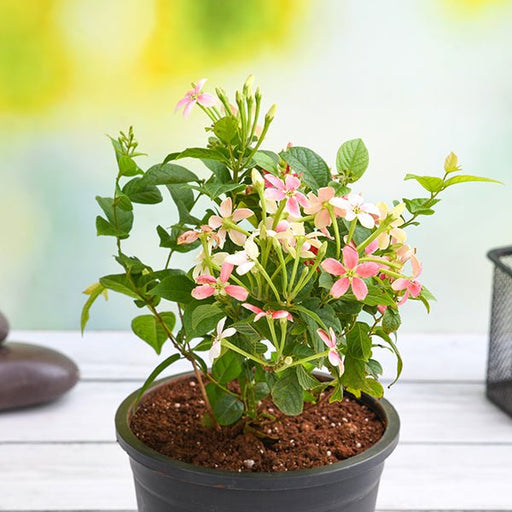
View full detailsMadhumalti Dwarf, Rangoon Creeper - Plant The Madhumalti Dwarf, also known as the Rangoon Creeper (Quisqualis indica), is a stunning perennial vin...
View full detailsBest 6 Plants for Perfect Indoor Garden Transform your living space into a lush oasis with our curated collection of the Best 6 Plants for a...
View full detailsBest 6 Plants for Perfect Indoor Garden Transform your living space into a lush oasis with our curated collection of the Best 6 Plants for a...
View full detailsMini Succulent Garden Pack Transform your space with our Mini Succulent Garden Pack, featuring a delightful collection of 4 any variety beautiful s...
View full details5 Best Fragrant Plants Transform your garden or indoor space into a fragrant paradise with our curated selection of the 5 Best Fragrant Plants. Th...
View full detailsSet of 2 Bonsai Looking Grafted Adeniums Transform your indoor or outdoor space with our exquisite Set of 2 Bonsai Looking Grafted Adenium...
View full detailsTop 4 Die Hard Succulents Pack Note: Plants included in this pack will be delivered in a 3-inch nursery pot (any color). Transform your indoor or ...
View full details5 Best Indoor Plants Pack Transform your living space into a lush oasis with our '5 Best Indoor Plants Pack.' This carefully curated collection fe...
View full detailsSet of 4 Evergreen Air Purifier Plant Pack Transform your indoor space into a lush, green oasis with our Set of 4 Evergreen Air Purifier Pla...
View full detailsTop 5 Pollution Killer Plants Pack Transform your living space into a breath of fresh air with our 'Top 5 Pollution Killer Plants Pack'. This care...
View full detailsPack of 3 Good Luck Jade Plants in Ceramic Pots Bring a touch of nature into your home with our Pack of 3 Good Luck Jade Plants, featuring...
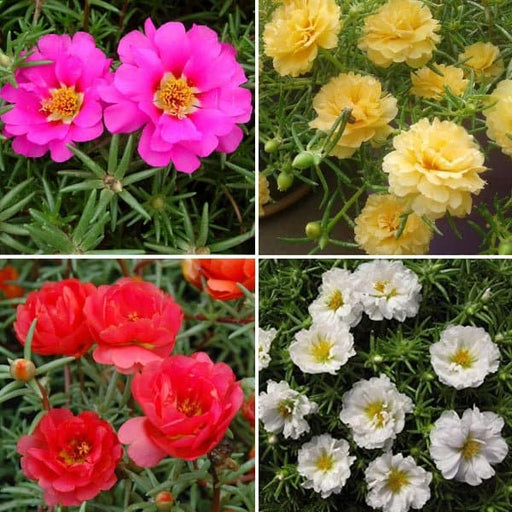
View full detailsPortulaca Garden Pack (4 Plants + 4 Black Pots) Note- You will get any color (Assorted) potted Porulaca plant with this pack. Transform your garde...
View full details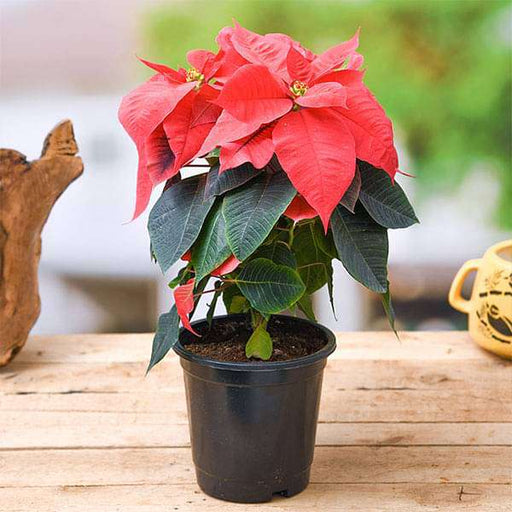













Leave a comment