
Expert Support
Available 24/7 via chat
Available 24/7 via chat
Plumeria—champa or frangipani as it's known locally—is one of India's most beloved flowering trees. With its fragrant summer blooms and drought tolerance, it's perfect for Indian gardens where it flourishes in heat and bright sun. Whether you're starting with a nursery specimen or a mature landscape tree, this care guide will help you grow healthy, abundant blooms.
Plumeria is a tropical deciduous tree celebrated for its exquisitely fragrant flowers and elegant form. Commercially available as a young plant (typically 42 inches / 107 cm at purchase), plumeria grows up to 30 feet at maturity, making it a statement piece in gardens and landscapes. The golden yellow champa variety we offer blooms reliably from June through November in India's warm climate, attracting gardeners who appreciate both beauty and resilience.
Plumeria's medium difficulty level makes it accessible to most gardeners, though it does have specific preferences: it demands full sun, excellent drainage, and a steady hand with the watering can. Once established, it's remarkably drought tolerant, thriving where many other ornamentals would struggle.
| Aspect | Requirement |
|---|---|
| Light | Full sun |
| Water | Test soil 1 inch deep; water only if dry |
| Soil | Well-drained; no waterlogging |
| Temperature | Warm tropical climate; frost intolerant |
Plumeria's fragrant blooms depend entirely on light. Provide full sun for at least 6–8 hours daily; plants in shadier spots will produce fewer flowers and weaker growth. In India's intense summer sun, this actually works in your favor—plumeria thrives in the heat and bright light that would stress less sun-loving plants.
Plant in an open, unshaded location. Avoid placing it near walls or structures that block morning or afternoon sun. If you're growing plumeria in a container, position it where it receives maximum light throughout the day.
Plumeria is drought tolerant and highly sensitive to overwatering. The simplest method is the finger test: push your finger 1 inch deep into the soil. If the soil feels moist, do not water. Wait until it's completely dry before watering again.
During the growing and blooming season (May through September), you may water more frequently as the plant actively produces flowers. In the cooler months (October through April), watering frequency naturally decreases as growth slows. In India's monsoon regions, plumeria needs extra caution—ensure soil drains quickly after heavy rain, as standing water leads to root rot.
Container-grown plants dry out faster and may need watering more often than ground-planted trees. Check the soil regularly rather than following a fixed schedule.
Drainage is non-negotiable for plumeria. Use well-draining potting mix or garden soil amended with sand, perlite, or coconut coir to improve aeration. Avoid heavy clay soils or dense mixtures that retain moisture. If your garden has poor drainage, build raised beds or use containers to give plumeria the conditions it needs.
Feed plumeria every two weeks during the blooming season, from May through September. Use a balanced fertilizer or one slightly higher in phosphorus to encourage flowering. Stop feeding during the dormant season (October through April) when the plant naturally slows its growth. Indian hard water is generally fine for plumeria; the plant tolerates mineral-rich water well.
Plumeria is a tropical plant and thrives in India's warm climate. It grows best in temperatures between 20–30°C (68–86°F) and tolerates heat well. However, it's frost-sensitive and cannot survive freezing temperatures. In cooler zones (like hill stations), protect plants or bring containers indoors during winter.
Humidity is generally not a limiting factor in Indian gardens. The plant adapts to both coastal (humid) and inland (drier) regions. In very humid climates, ensure good air circulation to prevent fungal issues. During the monsoon, increase drainage vigilance to avoid waterlogging.
Plumeria propagates readily from cuttings. Take 8–10 inch cuttings from mature stems during the growing season. Allow the cutting to dry for 1–2 days, then insert it into well-draining soil (sand or perlite mix). Keep soil barely moist—not wet—and provide bright, indirect light until roots develop (4–6 weeks). Once rooted, gradually move the young plant to full sun and follow standard plumeria care.
Seeds are also viable but take longer and may not produce flowers true to the parent plant. Cuttings are the preferred method for home gardeners.
Root Rot: The most common issue, caused by waterlogging or poor drainage. Prevent by following the soil-moisture test and ensuring excellent drainage. If roots rot, repot into fresh, dry soil and adjust watering.
Poor Flowering: Usually due to insufficient light. Ensure full sun exposure for 6–8 hours daily. Inconsistent watering or skipping fertilizer during bloom season also reduces flowers.
Leaf Drop: Plumeria naturally sheds leaves in cooler months. Excessive leaf drop in growing season may indicate cold stress, overwatering, or poor light. Adjust conditions accordingly.
Pests: Mealybugs and scale insects occasionally appear in warm climates. Spray affected areas with neem oil or insecticidal soap.
Ready to grow your own? Shop Plumeria at Nurserylive →
Plumeria, Champa (Yellow) - Plant The Plumeria, commonly known as Champa, is a stunning tropical plant renowned for its fragrant, vibrant ...
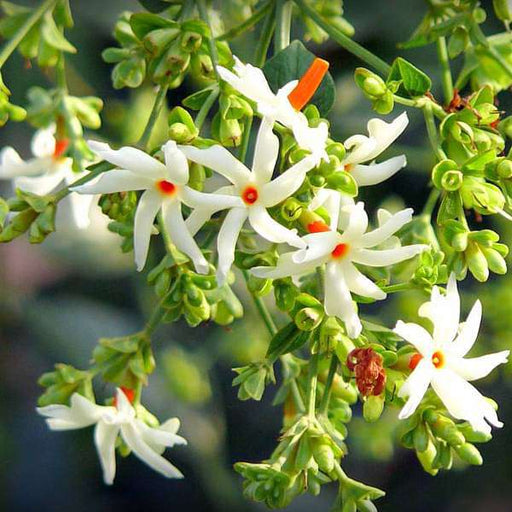
View full detailsCombo Constituents Includes the Parijat Tree (Night-Flowering Jasmine), a culturally significant plant with fragrant flowers. Description The Pari...
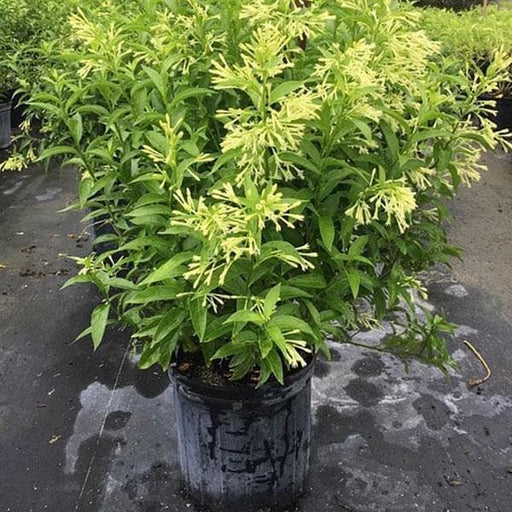
View full detailsDescription Raat Ki Rani (*Cestrum nocturnum*), also known as Night Blooming Jasmine, is a fragrant shrub native to the Caribbean and Central Ameri...
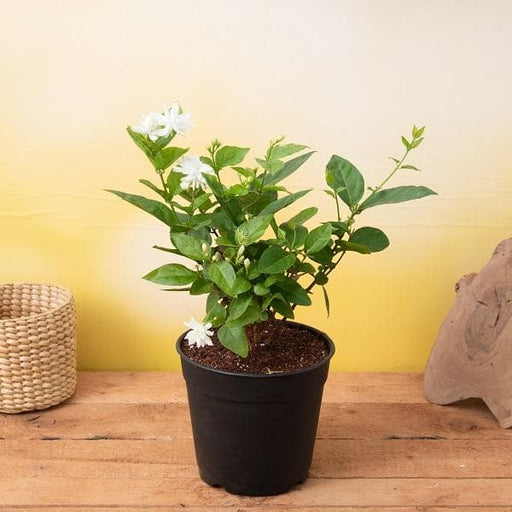
View full detailsJasminum sambac, Mogra, Arabian Jasmine - Plant Jasminum sambac, commonly known as Mogra or Arabian Jasmine, is a fragrant flowering plant...
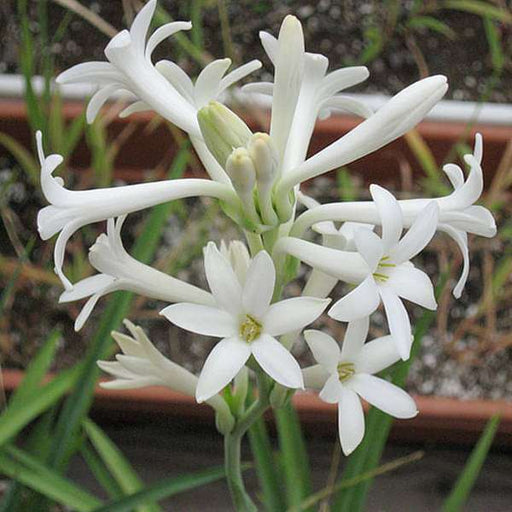
View full detailsRajnigandha, Tuberose - Plant The Rajnigandha, scientifically known as Polianthes tuberosa, is a captivating perennial plant renowned for ...
View full detailsCitronella, Odomas - Plant The Citronella plant, scientifically known as Cymbopogon nardus, is a tropical grass renowned for its aromatic ...
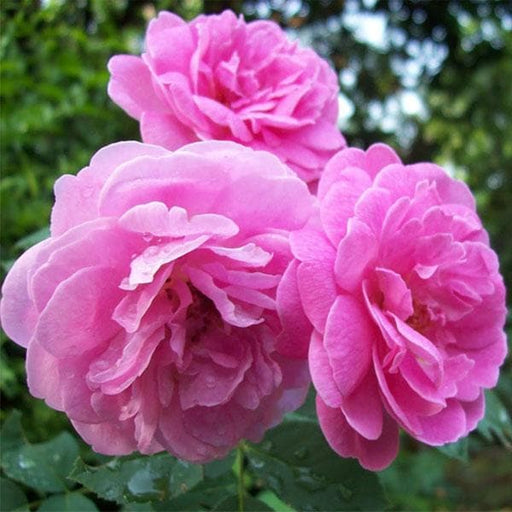
View full detailsDamascus Rose, Scented Rose (Any Color) - Plant The Damascus Rose, also known as Rosa damascena, is a timeless symbol of beauty and romanc...
View full detailsMiniature Rose, Button Rose (Any Color) - Plant The Miniature Rose, also known as the Button Rose, is a charming and compact flowering plant that ...
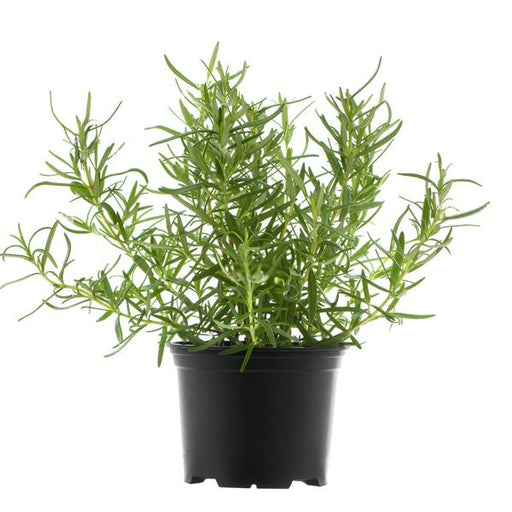
View full detailsRosemary - Plant Rosemary (Rosmarinus officinalis) is a fragrant evergreen herb native to the Mediterranean region. Known for its needle-like leav...
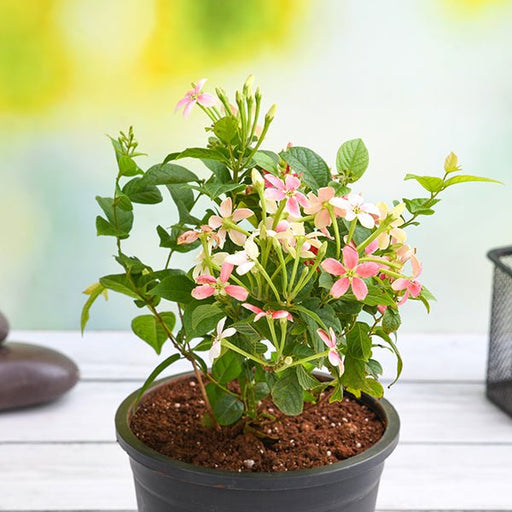
View full detailsMadhumalti Dwarf, Rangoon Creeper - Plant The Madhumalti Dwarf, also known as the Rangoon Creeper (Quisqualis indica), is a stunning perennial vin...
View full detailsBest 6 Plants for Perfect Indoor Garden Transform your living space into a lush oasis with our curated collection of the Best 6 Plants for a...
View full detailsBest 6 Plants for Perfect Indoor Garden Transform your living space into a lush oasis with our curated collection of the Best 6 Plants for a...
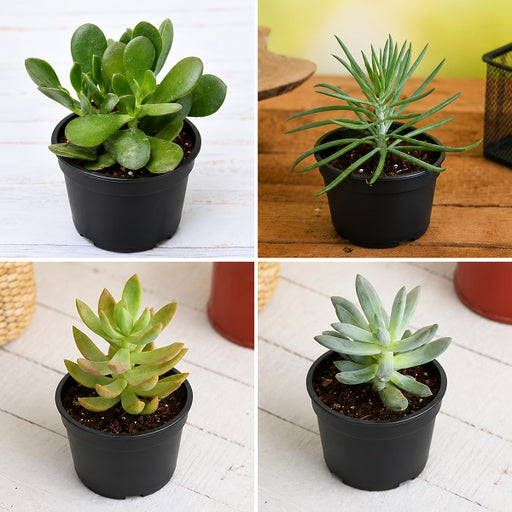
View full detailsMini Succulent Garden Pack Transform your space with our Mini Succulent Garden Pack, featuring a delightful collection of 4 any variety beautiful s...
View full details5 Best Fragrant Plants Transform your garden or indoor space into a fragrant paradise with our curated selection of the 5 Best Fragrant Plants. Th...
View full detailsSet of 2 Bonsai Looking Grafted Adeniums Transform your indoor or outdoor space with our exquisite Set of 2 Bonsai Looking Grafted Adenium...
View full detailsTop 4 Die Hard Succulents Pack Note: Plants included in this pack will be delivered in a 3-inch nursery pot (any color). Transform your indoor or ...
View full details5 Best Indoor Plants Pack Transform your living space into a lush oasis with our '5 Best Indoor Plants Pack.' This carefully curated collection fe...
View full detailsSet of 4 Evergreen Air Purifier Plant Pack Transform your indoor space into a lush, green oasis with our Set of 4 Evergreen Air Purifier Pla...
View full detailsTop 5 Pollution Killer Plants Pack Transform your living space into a breath of fresh air with our 'Top 5 Pollution Killer Plants Pack'. This care...
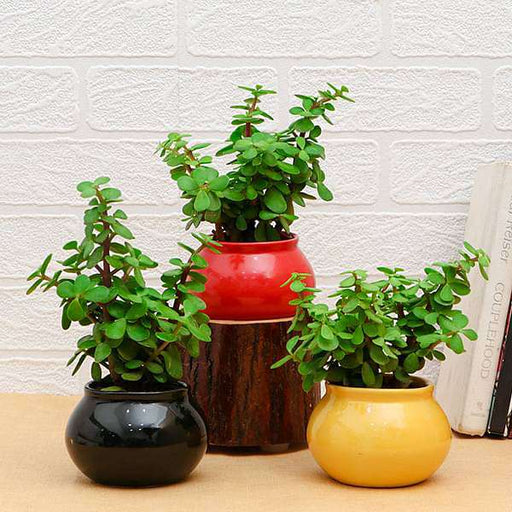
View full detailsPack of 3 Good Luck Jade Plants in Ceramic Pots Bring a touch of nature into your home with our Pack of 3 Good Luck Jade Plants, featuring...
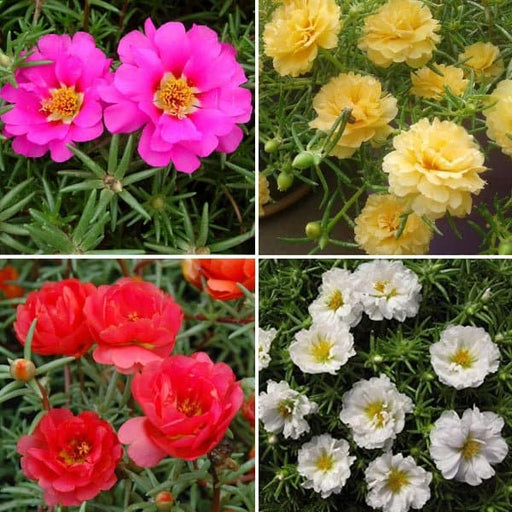
View full detailsPortulaca Garden Pack (4 Plants + 4 Black Pots) Note- You will get any color (Assorted) potted Porulaca plant with this pack. Transform your garde...
View full details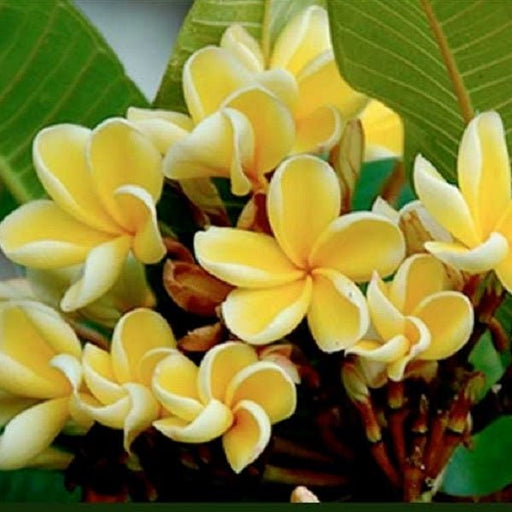











Leave a comment