
Expert Support
Available 24/7 via chat
Available 24/7 via chat
Piper Betel, known as Naagarvel or Vidyache Paan in different regions of India, is one of the easiest medicinal herbs to grow at home—even if you're a complete beginner. This perennial vine has been treasured for centuries in Indian culture, and now you can cultivate fresh, aromatic betel leaves right on your terrace or in a pot. Within just 4 to 6 months of planting, you'll have a continuous harvest of tender leaves for personal use or gifting. Our beginner-friendly guide walks you through every step to keep your Piper Betel thriving in India's warm, sometimes unpredictable climate.
Piper Betel is a slow-climbing perennial vine with deep cultural roots across India. Young plants arrive at about 30 cm (12 inches) tall with a 15 cm spread, but given proper support and care, they can reach an impressive 150 to 180 cm over time. The plant produces beautiful dark-red flowers during spring and early summer—or even year-round in tropical regions. What makes Piper Betel truly special is how remarkably easy it is to grow: it tolerates typical Indian home conditions, thrives in pots, and requires no special expertise. Whether you live in a warm southern state or a moderate climate zone, this plant adapts well and rewards you with fresh, aromatic leaves that carry the authentic taste of homegrown paan.
| Aspect | Details |
|---|---|
| Light | 3–6 hours morning sunlight + indirect bright light rest of day |
| Water | Check top 1–2 inches; water when soil feels dry to touch |
| Soil | Well-drained, fertile, organic-rich; pH 6.5–7.0 |
| Temperature | Thrives in warmth; tolerates up to 40°C |
Piper Betel thrives in bright, filtered light. Aim for at least 3 to 6 hours of morning sunlight daily—this is the sweet spot. Morning sun energizes the plant without the harsh afternoon heat that can stress leaves in peak summer. For the remaining hours, position your plant in a spot with natural, indirect bright light. A north-facing or east-facing window works beautifully in most Indian homes. If you're growing on a terrace, use a shade cloth or place it under a semi-shaded roof area during the hottest months (May–June) to prevent leaf scorch. The plant will slow its growth in deep shade, so avoid dark corners or heavily screened areas.
Proper watering is key to healthy Piper Betel leaves. Before reaching for your watering can, always check the soil first: poke your finger or a small stick about 1 to 2 inches into the soil. If it feels dry to the touch, it's time to water. If soil still holds moisture, wait another day or two. This simple test prevents overwatering, which can rot the roots. During the monsoon, your terrace or outdoor plant will receive natural rainfall—adjust your watering frequency accordingly and reduce manual watering. In the drier months (November–March), you may need to water more frequently, especially in a pot. Use room-temperature water, and if possible, collect rainwater or let tap water sit overnight to allow chlorine and salts to settle, particularly if your area has hard water. Hard water with high mineral content can gradually accumulate salts in the pot soil, so occasional draining or adding a small amount of compost helps refresh the soil.
Piper Betel demands well-drained, fertile soil rich in organic matter. This vine is not fussy, but it won't flourish in waterlogged or compacted earth. Prepare your potting mix by combining garden soil, coco peat, and well-rotted compost in roughly equal parts, then add a handful of perlite or coarse sand for drainage. Aim for a soil pH between 6.5 and 7.0—neutral to slightly acidic. If you're planting directly in a terrace bed, mix in 3 to 4 inches of aged compost before planting. Feed your plant during the main growing season, which runs from June through July in most of India (aligned with monsoon vigor). Use an organic fertilizer such as neem cake, bone meal, or well-composted kitchen waste. A light feeding every 3 to 4 weeks is sufficient; over-feeding with nitrogen can produce lush foliage at the expense of flavor and density. After the plant begins flowering or as it matures, reduce feeding frequency to support leaf quality rather than excessive vine growth.
Piper Betel is a tropical plant and loves warmth. It tolerates temperatures up to 40°C, making it well-suited to Indian summers, and actually performs best in consistently warm conditions year-round. If you live in a cooler region (like hilly areas), protect the plant during winter months by bringing it indoors or wrapping the base loosely with burlap during frost risk. Humidity is a bonus: Piper Betel appreciates moisture in the air. In drier climates or during peak summer, misting the leaves once or twice a week helps prevent stress and keeps them tender. The monsoon naturally provides humidity, so your plant often thrives with minimal effort during those months. If growing indoors, a nearby humidifier or grouping plants together can create a favorable microclimate.
Propagating Piper Betel is straightforward and lets you expand your plant collection or share with neighbors. The easiest method is via stem cuttings. During the active growing season (June–August or after pruning), select healthy, mature stems about 20 to 25 cm long with 3 to 4 nodes (the bumps where leaves emerge). Cut just below a node. Strip the lower 2 to 3 leaves and dip the cut end in rooting hormone powder (optional but helpful). Insert cuttings into a moist, well-draining propagation medium—a mix of coco peat and perlite works well. Cover loosely with a plastic bag to retain humidity and keep in bright, indirect light. Roots usually develop within 2 to 4 weeks. Once you see new growth, gradually remove the plastic covering and transition the young plantlet to potting soil. Within a month, it's ready for a larger pot or garden bed.
Piper Betel is remarkably resilient, but watch for these occasional issues. Overwatering is the most common culprit—if leaves turn yellow or soft and the base smells musty, reduce watering and improve drainage immediately. Spider mites can appear in very dry indoor conditions; spray affected leaves with neem oil or insecticidal soap, then increase humidity. Fungal leaf spots may develop during prolonged humidity without air circulation—ensure adequate spacing and gentle air flow, and remove affected leaves promptly. Pale or slow growth usually signals insufficient light; move the plant to a brighter spot. Brown leaf edges in hard-water areas suggest salt accumulation; water with filtered or rainwater and periodically refresh the top layer of soil with fresh compost. These issues are easily managed with simple adjustments, and your plant bounces back quickly.
Ready to grow your own? Shop Piper Betel at Nurserylive →
Piper Betel, Maghai Paan - Plant Piper Betel, commonly known as Maghai Paan, is a tropical vine renowned for its heart-shaped leaves and a...
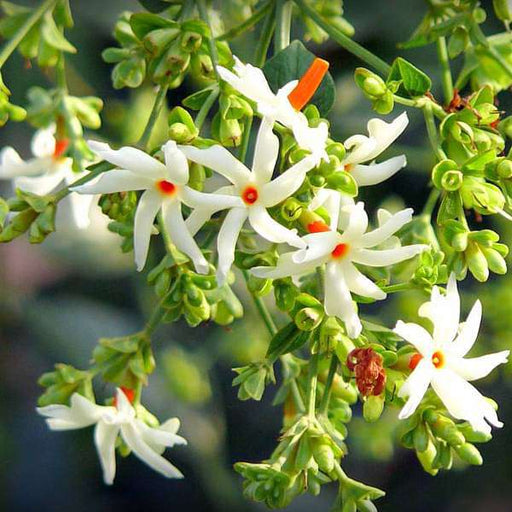
View full detailsCombo Constituents Includes the Parijat Tree (Night-Flowering Jasmine), a culturally significant plant with fragrant flowers. Description The Pari...
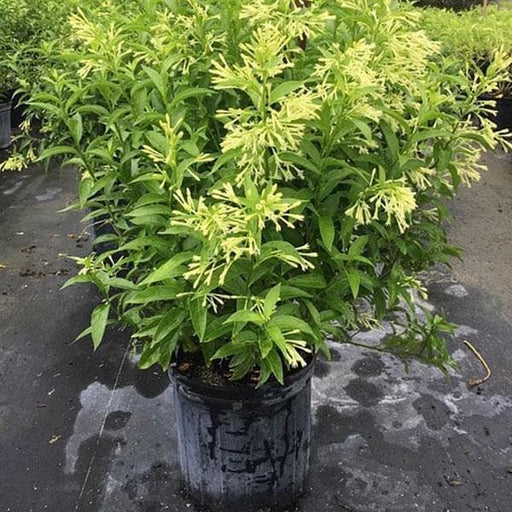
View full detailsDescription Raat Ki Rani (*Cestrum nocturnum*), also known as Night Blooming Jasmine, is a fragrant shrub native to the Caribbean and Central Ameri...
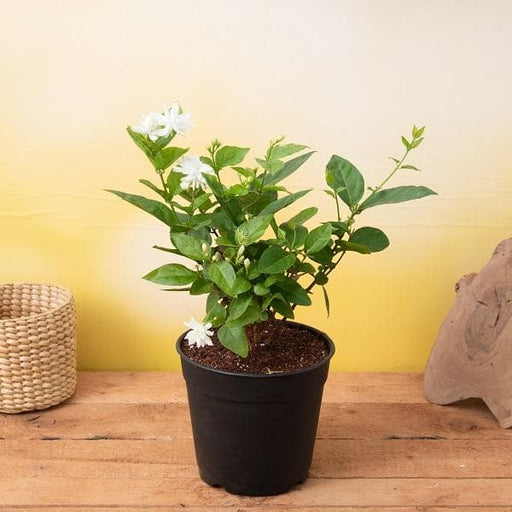
View full detailsJasminum sambac, Mogra, Arabian Jasmine - Plant Jasminum sambac, commonly known as Mogra or Arabian Jasmine, is a fragrant flowering plant...
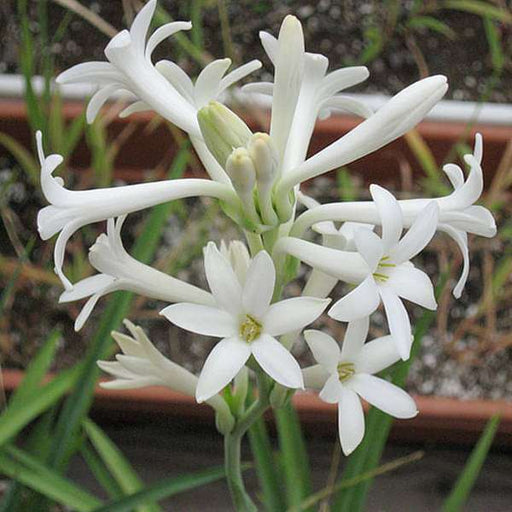
View full detailsRajnigandha, Tuberose - Plant The Rajnigandha, scientifically known as Polianthes tuberosa, is a captivating perennial plant renowned for ...
View full detailsCitronella, Odomas - Plant The Citronella plant, scientifically known as Cymbopogon nardus, is a tropical grass renowned for its aromatic ...
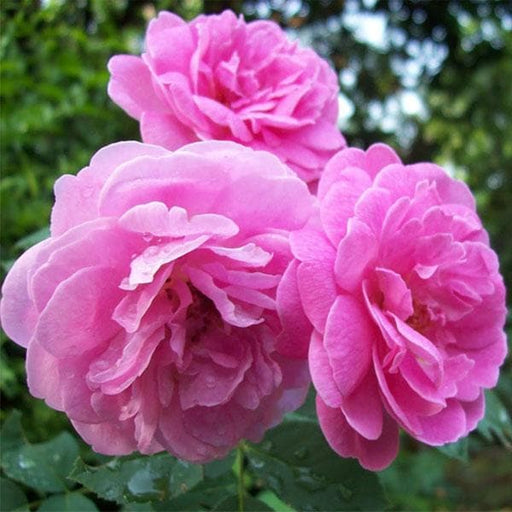
View full detailsDamascus Rose, Scented Rose (Any Color) - Plant The Damascus Rose, also known as Rosa damascena, is a timeless symbol of beauty and romanc...
View full detailsMiniature Rose, Button Rose (Any Color) - Plant The Miniature Rose, also known as the Button Rose, is a charming and compact flowering plant that ...
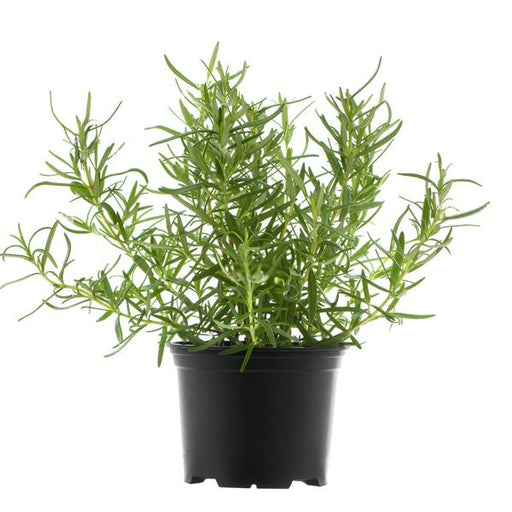
View full detailsRosemary - Plant Rosemary (Rosmarinus officinalis) is a fragrant evergreen herb native to the Mediterranean region. Known for its needle-like leav...
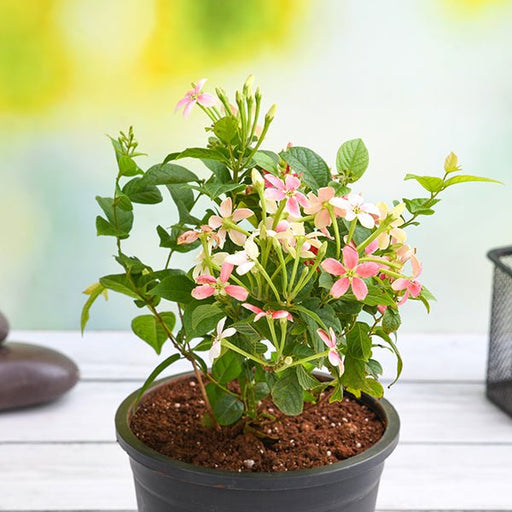
View full detailsMadhumalti Dwarf, Rangoon Creeper - Plant The Madhumalti Dwarf, also known as the Rangoon Creeper (Quisqualis indica), is a stunning perennial vin...
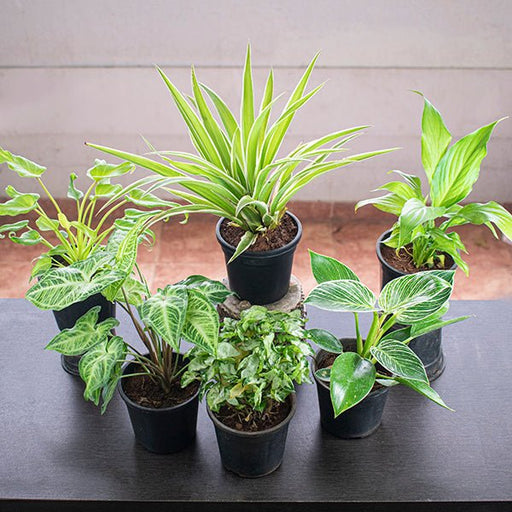
View full detailsBest 6 Plants for Perfect Indoor Garden Transform your living space into a lush oasis with our curated collection of the Best 6 Plants for a...
View full detailsBest 6 Plants for Perfect Indoor Garden Transform your living space into a lush oasis with our curated collection of the Best 6 Plants for a...
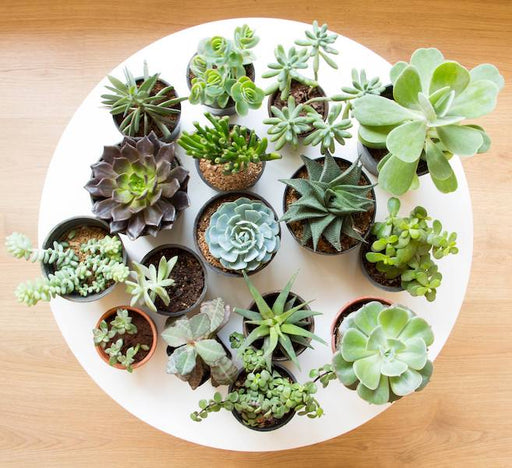
View full detailsMini Succulent Garden Pack Transform your space with our Mini Succulent Garden Pack, featuring a delightful collection of 4 any variety beautiful s...
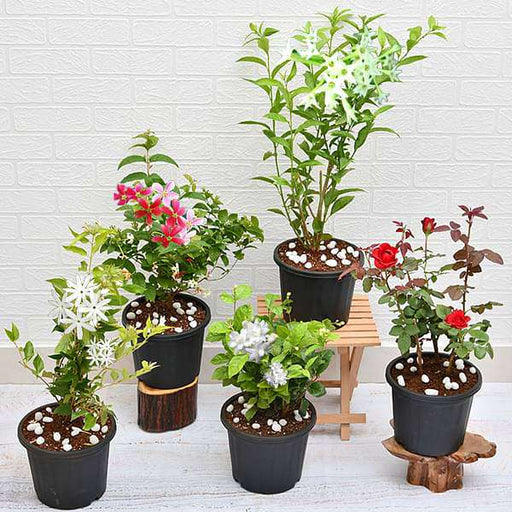
View full details5 Best Fragrant Plants Transform your garden or indoor space into a fragrant paradise with our curated selection of the 5 Best Fragrant Plants. Th...
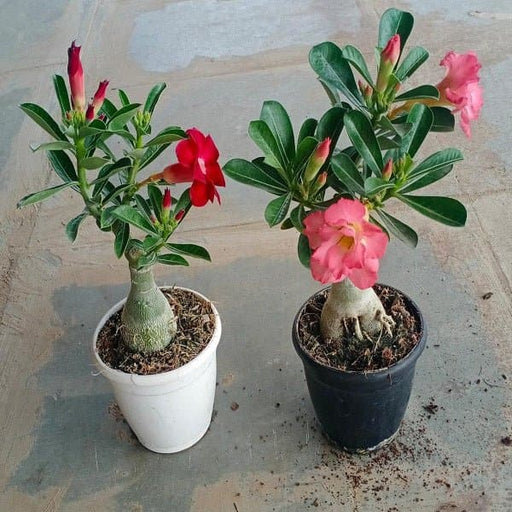
View full detailsSet of 2 Bonsai Looking Grafted Adeniums Transform your indoor or outdoor space with our exquisite Set of 2 Bonsai Looking Grafted Adenium...
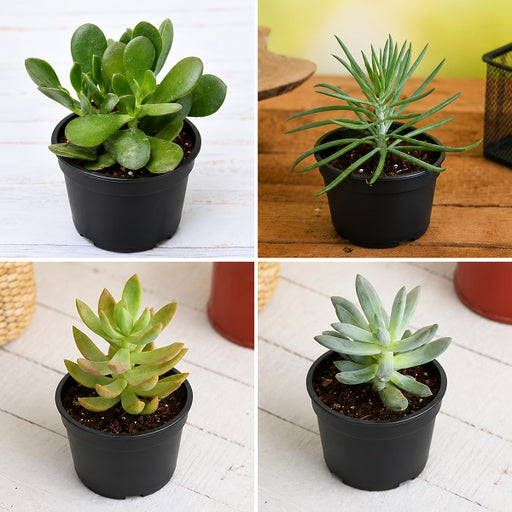
View full detailsTop 4 Die Hard Succulents Pack Note: Plants included in this pack will be delivered in a 3-inch nursery pot (any color). Transform your indoor or ...
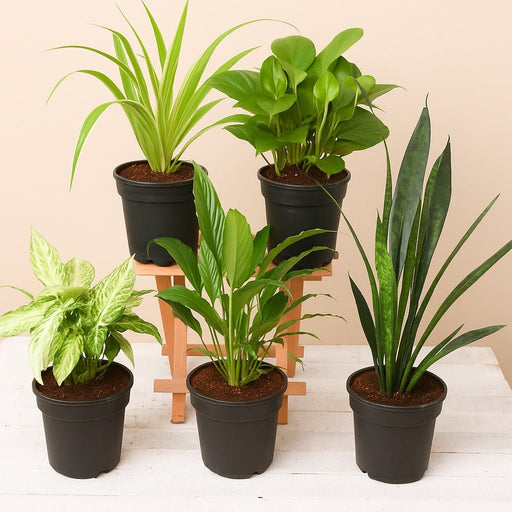
View full details5 Best Indoor Plants Pack Transform your living space into a lush oasis with our '5 Best Indoor Plants Pack.' This carefully curated collection fe...
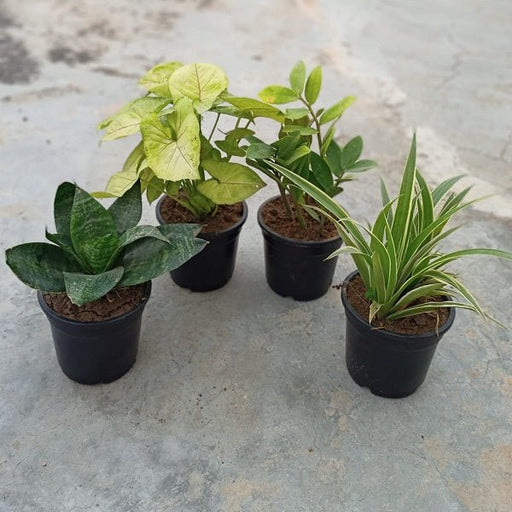
View full detailsSet of 4 Evergreen Air Purifier Plant Pack Transform your indoor space into a lush, green oasis with our Set of 4 Evergreen Air Purifier Pla...
View full detailsTop 5 Pollution Killer Plants Pack Transform your living space into a breath of fresh air with our 'Top 5 Pollution Killer Plants Pack'. This care...
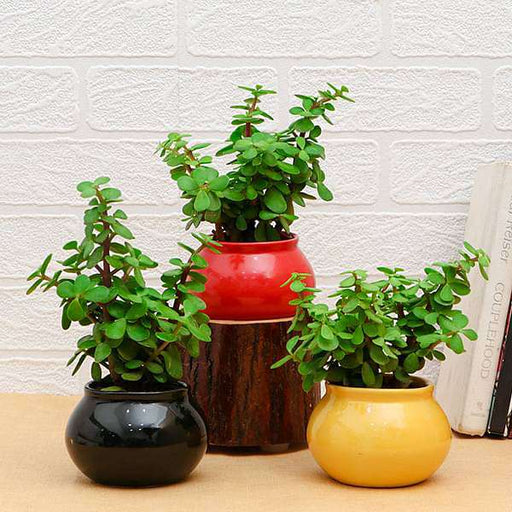
View full detailsPack of 3 Good Luck Jade Plants in Ceramic Pots Bring a touch of nature into your home with our Pack of 3 Good Luck Jade Plants, featuring...
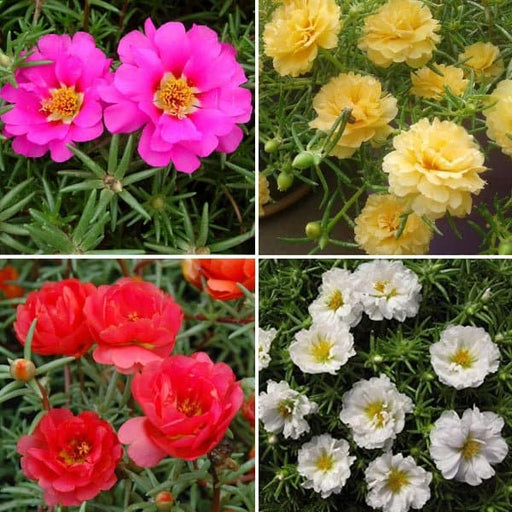
View full detailsPortulaca Garden Pack (4 Plants + 4 Black Pots) Note- You will get any color (Assorted) potted Porulaca plant with this pack. Transform your garde...
View full details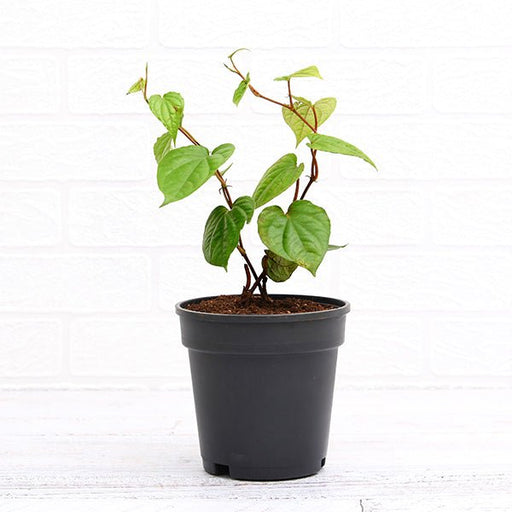






Leave a comment