
Expert Support
Available 24/7 via chat
Available 24/7 via chat
If you're looking for a low-maintenance, visually striking houseplant that won't demand constant attention, the Philodendron Broken Heart is your answer. Known by several common names—Hurricane plant, Swiss cheese plant, and Split-leaf Philodendron—this trailing beauty brings an elegant touch to shelves, balconies, and indoor spaces across India. What makes it even more appealing is that it actively purifies your indoor air while requiring minimal fuss. Whether you're a seasoned gardener or just starting your green journey, this plant adapts beautifully to Indian homes and weather patterns.
The Philodendron Broken Heart is a compact, vining houseplant that typically reaches 9 to 20 inches in height when grown indoors in India. Its most distinctive feature is heart-shaped, deeply lobed trailing foliage that grows dense and ornamental. The plant's common name "Swiss cheese plant" comes from its characteristic fenestrated (split) leaves, which develop natural holes and gaps as the plant matures—a quirk of nature that makes each specimen unique.
This plant rarely flowers indoors, even in ideal conditions, so don't be surprised if you never see its whitish-green spadix and white spathe. That's completely normal. Instead, focus on enjoying its lush, air-purifying foliage, which works continuously to remove indoor pollutants and create a healthier living environment for your family.
| Care Factor | Requirements |
|---|---|
| Light | Morning sunlight or bright indirect light |
| Watering | Moderate watering; allow soil to dry slightly between waterings |
| Soil | Well-drained potting mix |
| Temperature | 20–30°C (ideal range for Indian climate) |
The Philodendron Broken Heart thrives in morning sunlight or bright indirect light—this is the sweet spot for healthy growth and vibrant foliage. If you're placing it indoors, a north-facing or east-facing window is ideal. East-facing windows in India are particularly good because they provide gentle morning light without the intense afternoon heat that can sometimes scorch tender leaves.
Avoid placing your plant in direct, harsh sunlight, especially during India's peak summer months (April to June) when the sun is at its strongest. If your plant shows signs of leggy growth or leaves turning pale, it's likely not getting enough light—move it closer to a bright window or consider a spot near a skylight.
Moderate watering is the key to keeping your Philodendron Broken Heart happy. This doesn't mean watering on a fixed schedule; instead, water when the top inch of soil feels dry to touch. In India's hot, dry months, this might mean watering every 3-4 days, but during monsoon season or cooler winter months, you may need to water less frequently.
The biggest mistake gardeners make is overwatering, which leads to root rot—a serious threat in tropical and subtropical climates. Always ensure your pot has drainage holes and that water drains freely. If your tap water is hard (common in many Indian cities), consider collecting and using rainwater during the monsoon, or allowing tap water to sit overnight before using it. Hard water salts can accumulate in the soil over time and affect plant health.
Use a well-drained potting mix that allows water to pass through quickly without waterlogging the roots. A good homemade mix is one part garden soil, one part coconut coir or peat moss, and one part perlite or sand. This combination ensures aeration and drainage while retaining just enough moisture.
Feed your plant with any organic fertilizer during the growing season (March to September). You can use compost, vermicompost, or diluted seaweed-based liquid fertilizer every 2-3 weeks. Reduce feeding during winter (October to February) when growth naturally slows down. Organic fertilizers are gentler on the plant and improve long-term soil health, making them ideal for container plants in Indian homes.
The ideal temperature range for Philodendron Broken Heart is 20–30°C, which aligns perfectly with India's warm and tropical climate. This plant is highly adaptable to Indian conditions, whether you're in the coastal humidity of Kerala, the dry plains of Rajasthan, or the moderate climates of the Deccan Plateau.
While the plant doesn't require high humidity, it does appreciate occasional misting, especially during dry months or if your home uses air conditioning. Misting also helps keep the leaves dust-free, allowing them to photosynthesize and purify air more effectively. During monsoon season, ensure good air circulation around the plant to prevent fungal issues, which are more common in high-humidity, stagnant-air conditions.
Propagating Philodendron Broken Heart is wonderfully simple and rewarding. You can propagate using stem cuttings in water or soil. Take a cutting just below a node (the small bump on the stem where leaves emerge) with at least 2-3 leaves attached. Place the cutting in water or moist well-drained soil, and keep it in bright indirect light.
In water, roots typically develop within 2-3 weeks. Once roots are about an inch long, transfer the cutting to soil. In soil, the process takes slightly longer but is just as successful. Keep the soil consistently moist (not waterlogged) until roots establish. Propagation works best during spring and summer when growth hormones are active.
Ready to grow your own? Shop Philodendron Broken Heart at Nurserylive →
Philodendron Broken Heart, Monstera adansonii Plant in 4 inch (10 cm) Pot The Philodendron Broken Heart, scientifically known as Monstera adansoni...
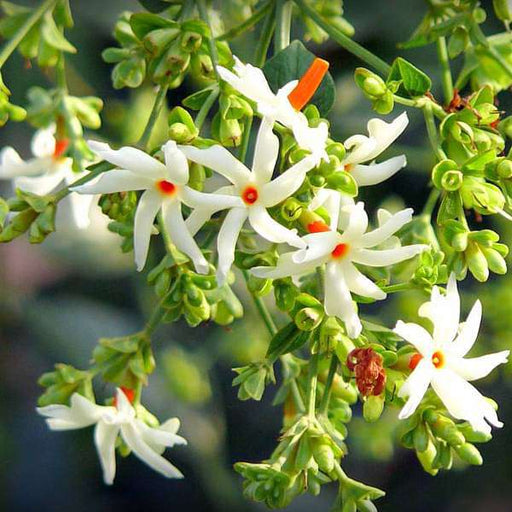
View full detailsCombo Constituents Includes the Parijat Tree (Night-Flowering Jasmine), a culturally significant plant with fragrant flowers. Description The Pari...
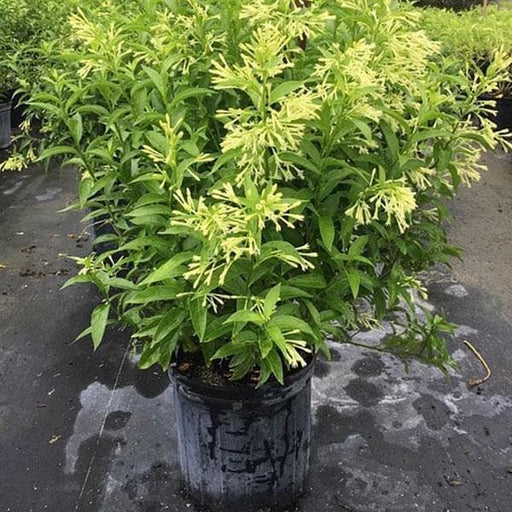
View full detailsDescription Raat Ki Rani (*Cestrum nocturnum*), also known as Night Blooming Jasmine, is a fragrant shrub native to the Caribbean and Central Ameri...
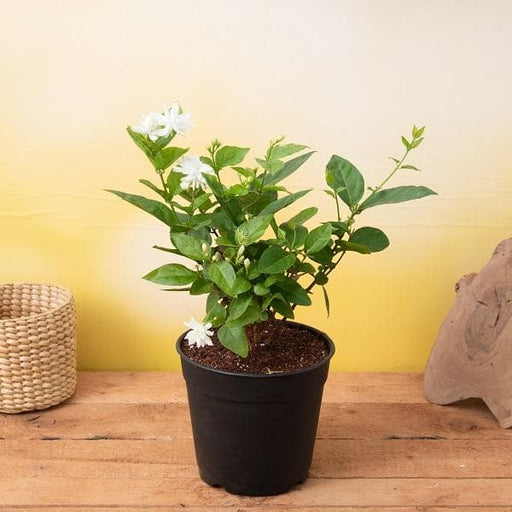
View full detailsJasminum sambac, Mogra, Arabian Jasmine - Plant Jasminum sambac, commonly known as Mogra or Arabian Jasmine, is a fragrant flowering plant...
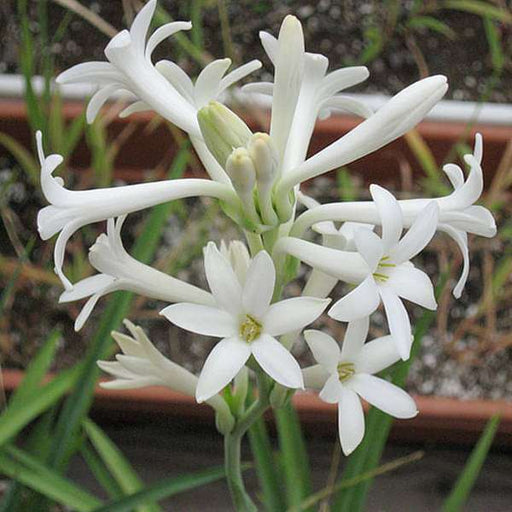
View full detailsRajnigandha, Tuberose - Plant The Rajnigandha, scientifically known as Polianthes tuberosa, is a captivating perennial plant renowned for ...
View full detailsCitronella, Odomas - Plant The Citronella plant, scientifically known as Cymbopogon nardus, is a tropical grass renowned for its aromatic ...
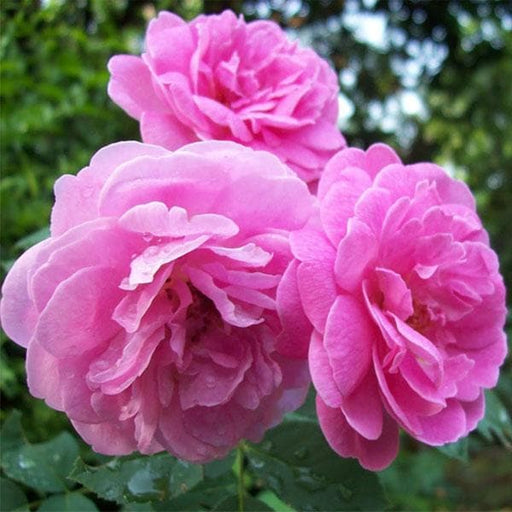
View full detailsDamascus Rose, Scented Rose (Any Color) - Plant The Damascus Rose, also known as Rosa damascena, is a timeless symbol of beauty and romanc...
View full detailsMiniature Rose, Button Rose (Any Color) - Plant The Miniature Rose, also known as the Button Rose, is a charming and compact flowering plant that ...
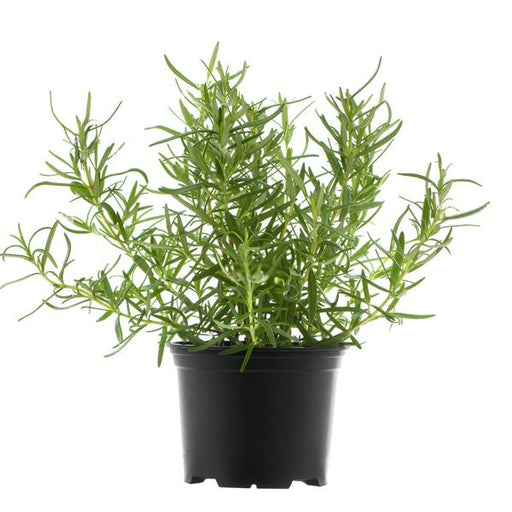
View full detailsRosemary - Plant Rosemary (Rosmarinus officinalis) is a fragrant evergreen herb native to the Mediterranean region. Known for its needle-like leav...
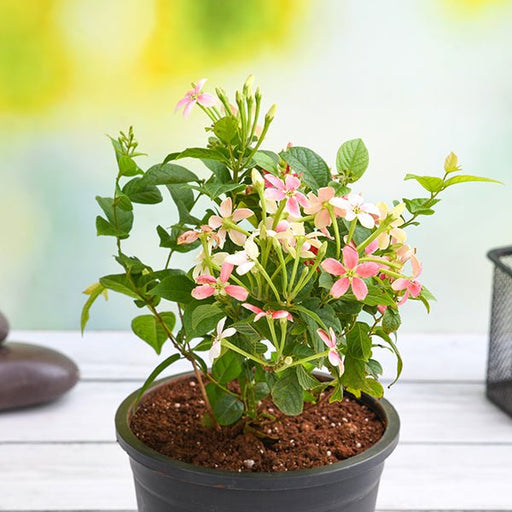
View full detailsMadhumalti Dwarf, Rangoon Creeper - Plant The Madhumalti Dwarf, also known as the Rangoon Creeper (Quisqualis indica), is a stunning perennial vin...
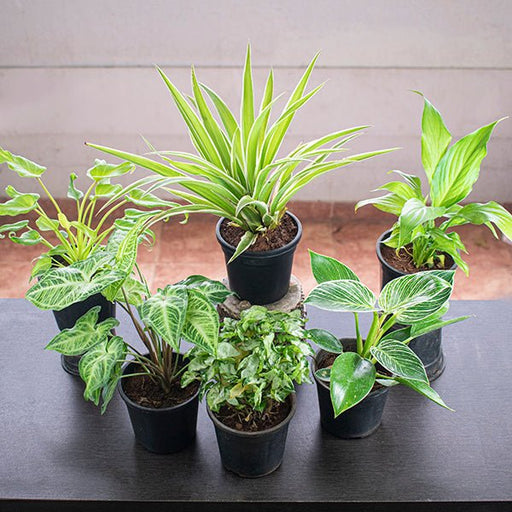
View full detailsBest 6 Plants for Perfect Indoor Garden Transform your living space into a lush oasis with our curated collection of the Best 6 Plants for a...
View full detailsBest 6 Plants for Perfect Indoor Garden Transform your living space into a lush oasis with our curated collection of the Best 6 Plants for a...
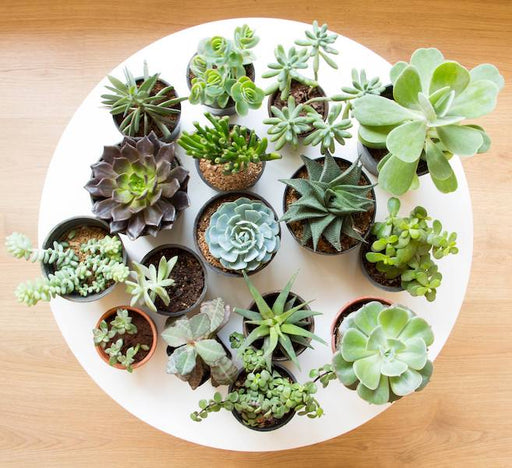
View full detailsMini Succulent Garden Pack Transform your space with our Mini Succulent Garden Pack, featuring a delightful collection of 4 any variety beautiful s...
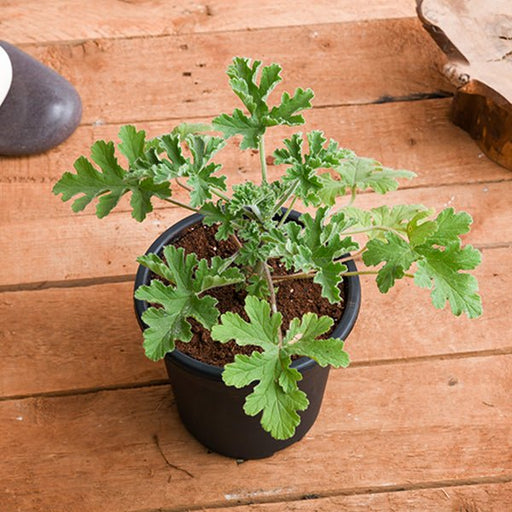
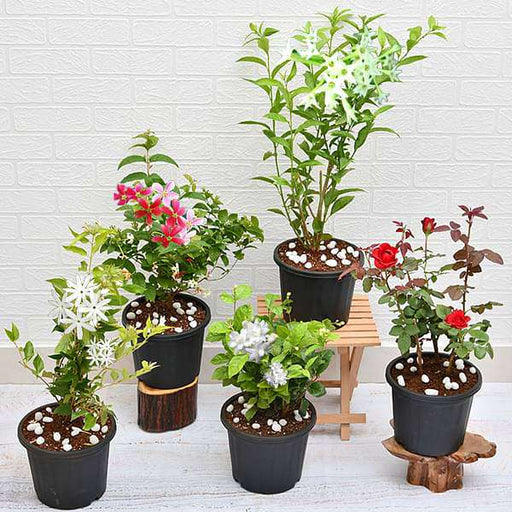
View full details5 Best Fragrant Plants Transform your garden or indoor space into a fragrant paradise with our curated selection of the 5 Best Fragrant Plants. Th...
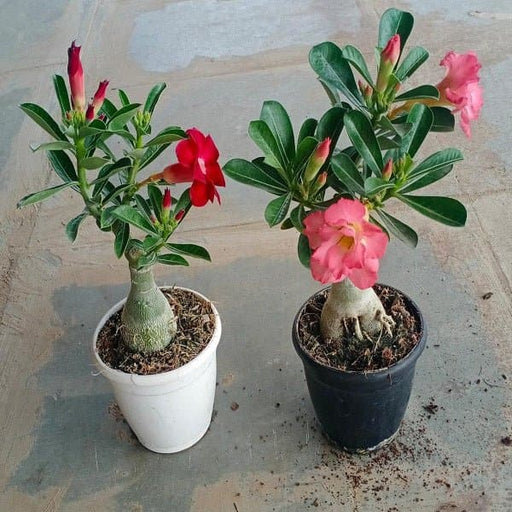
View full detailsSet of 2 Bonsai Looking Grafted Adeniums Transform your indoor or outdoor space with our exquisite Set of 2 Bonsai Looking Grafted Adenium...
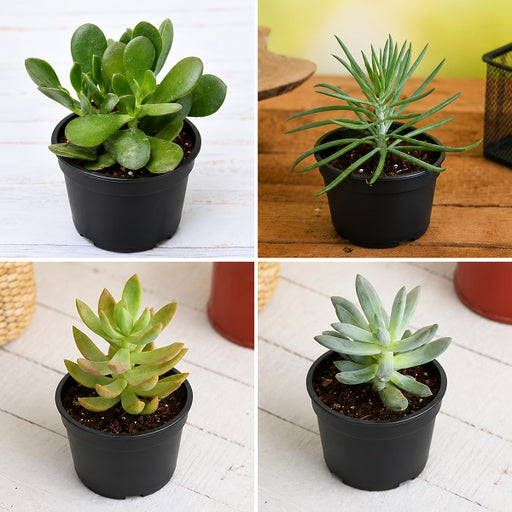
View full detailsTop 4 Die Hard Succulents Pack Note: Plants included in this pack will be delivered in a 3-inch nursery pot (any color). Transform your indoor or ...
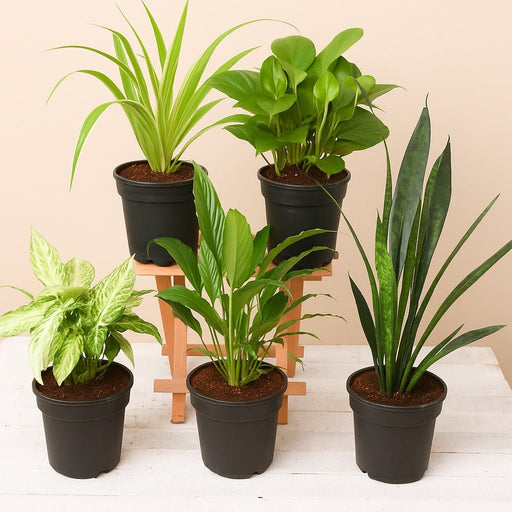
View full details5 Best Indoor Plants Pack Transform your living space into a lush oasis with our '5 Best Indoor Plants Pack.' This carefully curated collection fe...
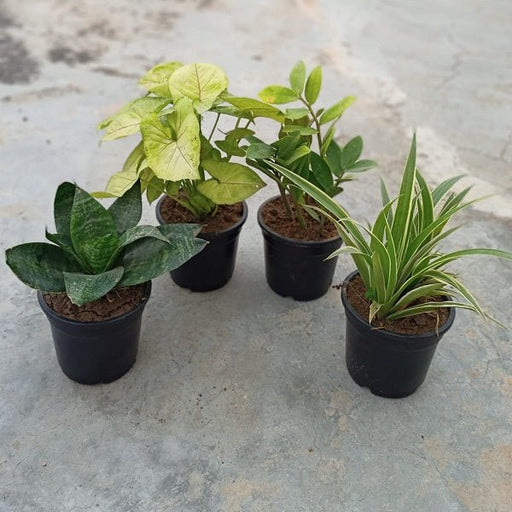
View full detailsSet of 4 Evergreen Air Purifier Plant Pack Transform your indoor space into a lush, green oasis with our Set of 4 Evergreen Air Purifier Pla...
View full detailsTop 5 Pollution Killer Plants Pack Transform your living space into a breath of fresh air with our 'Top 5 Pollution Killer Plants Pack'. This care...
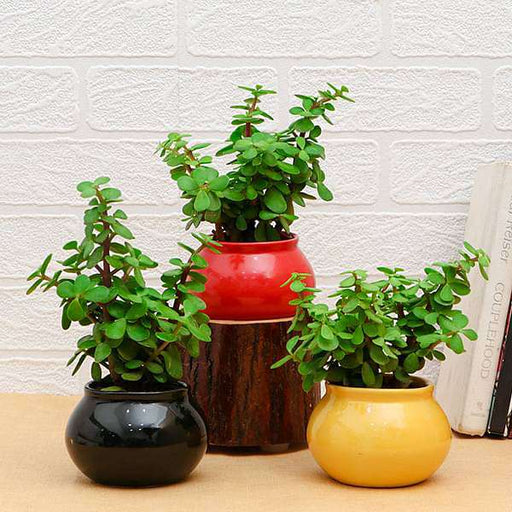
View full detailsPack of 3 Good Luck Jade Plants in Ceramic Pots Bring a touch of nature into your home with our Pack of 3 Good Luck Jade Plants, featuring...
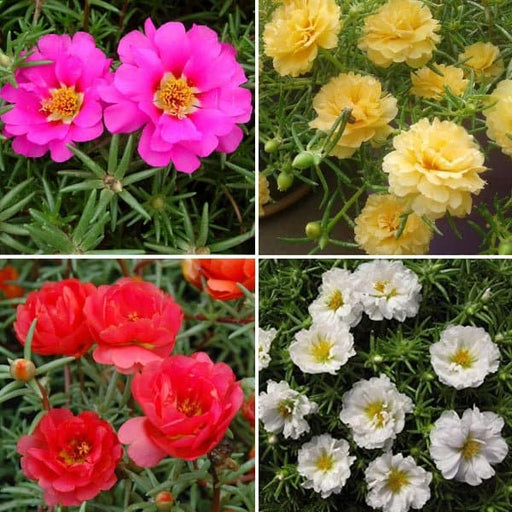
View full detailsPortulaca Garden Pack (4 Plants + 4 Black Pots) Note- You will get any color (Assorted) potted Porulaca plant with this pack. Transform your garde...
View full details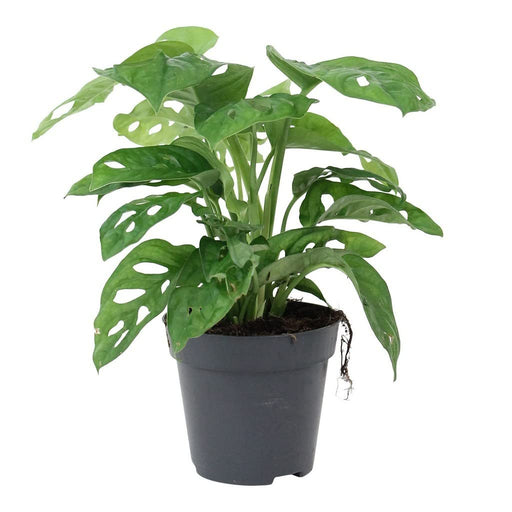





Leave a comment