
Expert Support
Available 24/7 via chat
Available 24/7 via chat
Peperomia Magnoliifolia, commonly known as spoonleaf peperomia, is one of the most beginner-friendly succulents for Indian gardeners. Whether you live in a humid coastal region or a dry inland city, this compact plant adapts beautifully to home environments. At just 5 inches tall and 4 inches wide in its pot form, it's perfect for apartments, desks, and balconies. Despite its delicate appearance, it's incredibly forgiving, making it ideal for anyone new to plant parenting.
Peperomia Magnoliifolia belongs to the Piperaceae family and is prized for its glossy, spoon-shaped leaves and compact, ornamental growth habit. In ideal conditions, it can reach a maximum height of 12 inches, though it typically stays much smaller and bushier. During spring and summer, tiny yellow to brown flowers emerge on slender spikes, adding subtle charm to your plant collection.
What makes this plant particularly valuable for Indian households is its dual nature: it's drought tolerant and low-maintenance, yet thrives in the humid monsoon season. It works equally well as a living room tabletop plant or a balcony accent, adapting to both indoor and outdoor settings. Many gardeners call it the "set it and forget it" plant—it asks very little and gives you consistent, attractive foliage year-round.
| Aspect | Details |
|---|---|
| Light | Light to moderate light; north or east-facing window ideal; tolerates fluorescent lights |
| Watering | Keep soil moist during growing season; spray for humidity or use gravel tray |
| Soil | Loose, well-drained, very rich potting mix |
| Temperature | 65–75°F (18–24°C); avoid dry conditions |
Peperomia Magnoliifolia thrives in light to moderate indirect light. In India, an east or north-facing window is perfect—you'll get morning sunlight without harsh afternoon rays that can scorch the tender foliage. If you live in a hot region like Delhi or Bangalore, avoid placing the plant in direct afternoon sun, especially during April to June when UV intensity peaks.
One advantage this plant has over many others is its ability to tolerate fluorescent lighting. If you're growing it indoors in air-conditioned offices or rooms without much natural light, standard fluorescent tubes work well. Many Indian homes and offices use LED panel lighting; this too suits Peperomia perfectly. The key is consistency—aim for 10–12 hours of light daily, whether natural or artificial.
During the growing season (spring and summer), keep the soil consistently moist but never waterlogged. This is crucial in the monsoon season (June to September) when humidity is already high. In regions like Kerala or Goa, you may need to reduce watering frequency because natural moisture is abundant.
During winter and the dry season, water less frequently—check that the top 1 inch of soil is dry before watering again. The plant is somewhat drought-tolerant, so it can survive a few days without water, but it prefers not to dry out completely. The most common mistake is overwatering, which leads to root rot.
For hard water regions (common in northern and western India), consider collecting rainwater or using filtered water. Mineral buildup can sometimes cause leaf spotting. If you notice white deposits on the leaves, wipe them gently with a damp cloth.
Use a loose, well-drained, very rich potting mix. A good formula is: 40% high-quality potting soil + 30% peat moss or coco coir + 20% perlite or coarse sand + 10% compost or vermicompost. This ensures water drains quickly while retaining enough moisture and nutrients for steady growth.
Fertilize biweekly during the growing season (March to October in most of India) with a diluted liquid fertilizer. Use half the recommended strength to avoid fertilizer burn. Alternatively, mix controlled-release fertilizer pellets into the soil at the beginning of spring. This gradual-release approach is often easier for busy gardeners and prevents over-fertilization.
Stop fertilizing during winter (November to February) when growth naturally slows.
Peperomia Magnoliifolia prefers relatively cool environments, ideally between 65°F and 75°F (18°C to 24°C). This is naturally maintained in air-conditioned indoor spaces or cool hill stations like Nilgiris or Himachal Pradesh. However, the plant dislikes dry conditions, which is common in heated homes or offices during winter.
Increase humidity by misting the foliage 2–3 times weekly, or place the pot on a gravel tray filled with water (ensure the pot sits above the water line, not submerged). During the monsoon, natural humidity is high enough that you may skip misting unless your home is heavily air-conditioned.
Avoid cold drafts from air conditioners and protect the plant from sudden temperature swings. Temperatures below 60°F can stress the plant significantly.
Propagating Peperomia Magnoliifolia is simple and rewarding. Take healthy stem cuttings about 2–3 inches long from the parent plant, cutting just below a leaf node. Remove the lower leaves, leaving 2–3 leaves at the top. Place the cutting in moist potting soil or water. In water, roots appear within 2–3 weeks. If using soil, cover with a transparent bag to maintain humidity, and mist gently every few days.
Rooting is faster during warm months (April to September). Once roots are 0.5 inches long, transfer water-rooted cuttings to soil. In 4–6 weeks, you'll have a small plantlet ready to grow independently.
Overwatering: The most common issue. Yellow or mushy stems mean root rot is setting in. Let the soil dry out more between waterings and repot in fresh, dry soil if damage is severe.
Low humidity: Brown leaf tips or edges indicate the air is too dry. Increase misting and use a gravel tray consistently.
Pests: Mealybugs and spider mites occasionally appear, especially in dry conditions. Spray affected leaves with diluted neem oil solution (2–3% neem oil with water and a few drops of mild soap). Repeat every 7 days for 2–3 weeks.
Pale leaves: Usually a sign of insufficient light. Move the plant closer to a window or ensure adequate artificial lighting for the 10–12 hour daily requirement.
Ready to grow your own? Shop Peperomia Magnoliifolia at Nurserylive →
Peperomia Magnoliifolia - Succulent Plant The Peperomia Magnoliifolia, also known as the Magnoliifolia Peperomia, is a stunning succulent ...
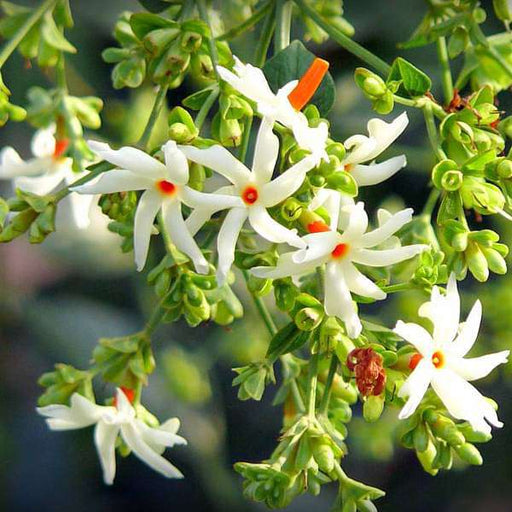
View full detailsCombo Constituents Includes the Parijat Tree (Night-Flowering Jasmine), a culturally significant plant with fragrant flowers. Description The Pari...
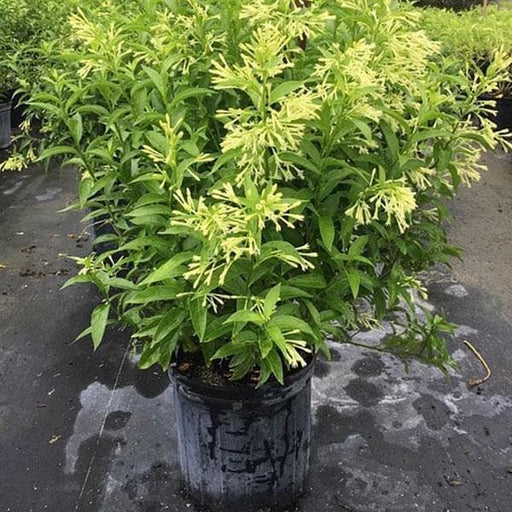
View full detailsDescription Raat Ki Rani (*Cestrum nocturnum*), also known as Night Blooming Jasmine, is a fragrant shrub native to the Caribbean and Central Ameri...
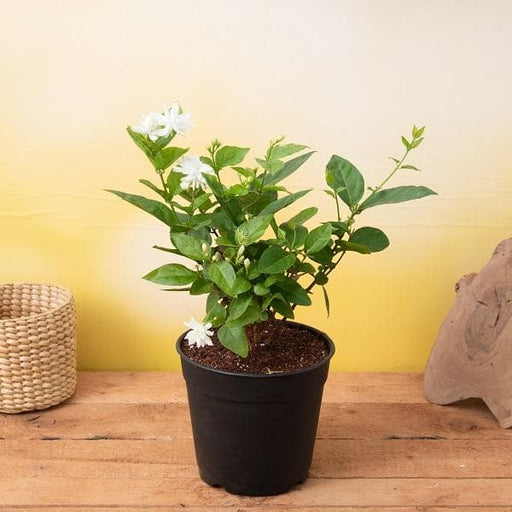
View full detailsJasminum sambac, Mogra, Arabian Jasmine - Plant Jasminum sambac, commonly known as Mogra or Arabian Jasmine, is a fragrant flowering plant...
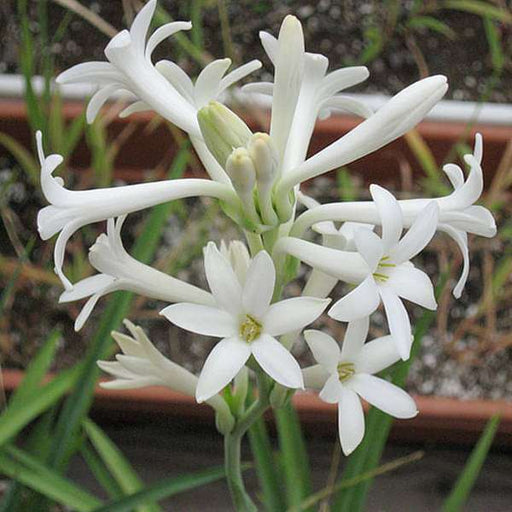
View full detailsRajnigandha, Tuberose - Plant The Rajnigandha, scientifically known as Polianthes tuberosa, is a captivating perennial plant renowned for ...
View full detailsCitronella, Odomas - Plant The Citronella plant, scientifically known as Cymbopogon nardus, is a tropical grass renowned for its aromatic ...
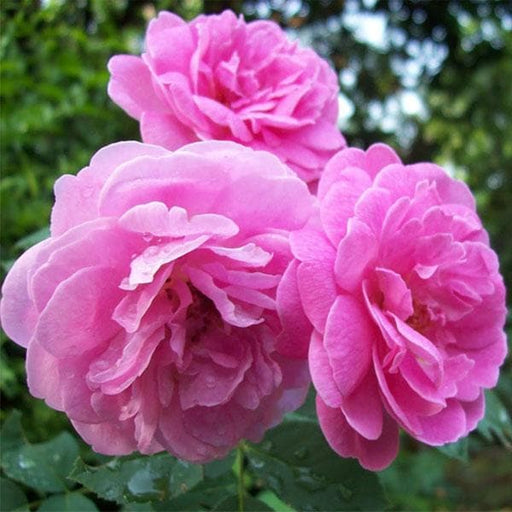
View full detailsDamascus Rose, Scented Rose (Any Color) - Plant The Damascus Rose, also known as Rosa damascena, is a timeless symbol of beauty and romanc...
View full detailsMiniature Rose, Button Rose (Any Color) - Plant The Miniature Rose, also known as the Button Rose, is a charming and compact flowering plant that ...
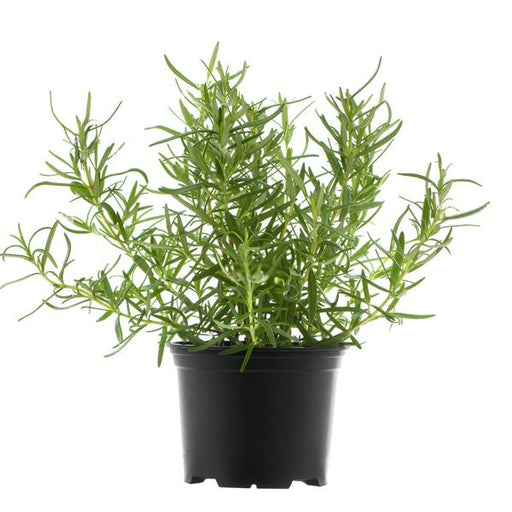
View full detailsRosemary - Plant Rosemary (Rosmarinus officinalis) is a fragrant evergreen herb native to the Mediterranean region. Known for its needle-like leav...
View full detailsMadhumalti Dwarf, Rangoon Creeper - Plant The Madhumalti Dwarf, also known as the Rangoon Creeper (Quisqualis indica), is a stunning perennial vin...
View full detailsBest 6 Plants for Perfect Indoor Garden Transform your living space into a lush oasis with our curated collection of the Best 6 Plants for a...
View full detailsBest 6 Plants for Perfect Indoor Garden Transform your living space into a lush oasis with our curated collection of the Best 6 Plants for a...
View full detailsMini Succulent Garden Pack Transform your space with our Mini Succulent Garden Pack, featuring a delightful collection of 4 any variety beautiful s...
View full details5 Best Fragrant Plants Transform your garden or indoor space into a fragrant paradise with our curated selection of the 5 Best Fragrant Plants. Th...
View full detailsSet of 2 Bonsai Looking Grafted Adeniums Transform your indoor or outdoor space with our exquisite Set of 2 Bonsai Looking Grafted Adenium...
View full detailsTop 4 Die Hard Succulents Pack Note: Plants included in this pack will be delivered in a 3-inch nursery pot (any color). Transform your indoor or ...
View full details5 Best Indoor Plants Pack Transform your living space into a lush oasis with our '5 Best Indoor Plants Pack.' This carefully curated collection fe...
View full detailsSet of 4 Evergreen Air Purifier Plant Pack Transform your indoor space into a lush, green oasis with our Set of 4 Evergreen Air Purifier Pla...
View full detailsTop 5 Pollution Killer Plants Pack Transform your living space into a breath of fresh air with our 'Top 5 Pollution Killer Plants Pack'. This care...
View full detailsPack of 3 Good Luck Jade Plants in Ceramic Pots Bring a touch of nature into your home with our Pack of 3 Good Luck Jade Plants, featuring...
View full detailsPortulaca Garden Pack (4 Plants + 4 Black Pots) Note- You will get any color (Assorted) potted Porulaca plant with this pack. Transform your garde...
View full details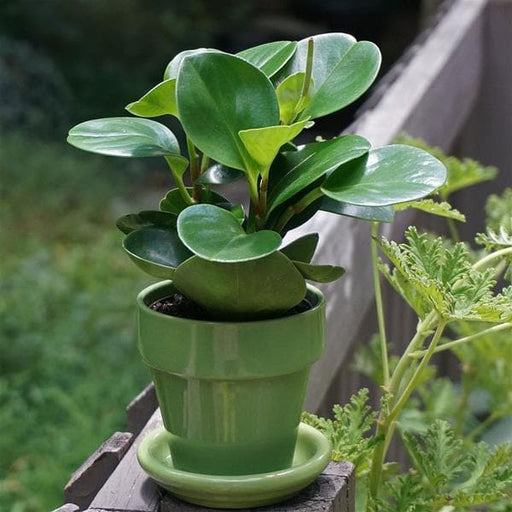













Leave a comment