
Expert Support
Available 24/7 via chat
Available 24/7 via chat
If you're looking for a flowering plant that thrives in India's heat and delivers season-long color without demanding expert care, pentas are an exceptional choice. Their star-shaped blooms come in reds, pinks, purples, whites, and bi-colors, making them ideal for mixed beds, borders, and containers. A mature penta reaches up to 4 feet tall, creating a substantial display, while remaining surprisingly manageable and forgiving for both beginners and seasoned gardeners.
Pentas (Pentas x hybrid) are known locally as Star Flowers or Egyptian Stars. They're categorized as perennial bloomers, meaning they flower continuously throughout their growing season rather than in bursts. The plants supplied as young specimens are typically 23 cm (9 inches) tall with a 13 cm (5 inch) spread, but given proper conditions and time, they can reach up to 4 feet, making them substantial flowering shrubs.
These plants are celebrated for their vibrant, multicolor blooms and their exceptional ability to attract butterflies and pollinators. They're particularly valuable in Indian gardens because they handle summer heat exceptionally well and continue flowering even when many other ornamentals struggle. Their ease of cultivation makes them perfect for flower beds, borders, potted displays, and as cut flowers.
| Aspect | Requirement |
|---|---|
| Light | Full sun (minimum 6-8 hours direct sunlight daily) |
| Water | Frequent watering; soak well whenever soil appears dry |
| Soil | Well-drained potting mix or garden soil |
| Temperature | Thrives above 18°C; best in warm conditions (20-30°C) |
| Fertilizer | Balanced fertilizer every 6 weeks |
Pentas are sun-loving plants and require full sun to perform at their best. Aim for at least 6 to 8 hours of direct sunlight daily. In India, this is generally easy to achieve; even in partial shade conditions, pentas will bloom, but you'll notice fewer flowers and lankier, weaker growth. The more sunlight your pentas receive, the more compact and flower-laden they'll become. In regions with intense afternoon heat (such as central or northern India), some afternoon shade during peak summer (May–June) can help reduce water stress, but morning sun is essential. Insufficient light is one of the primary reasons gardeners see reduced flowering in pentas.
Pentas require frequent, consistent watering. The key principle is to keep the soil moist but never waterlogged. Check the soil regularly; whenever it appears dry to the touch, water thoroughly until the pot drains completely. During India's hot months (March–June), this may mean watering daily or even twice daily in very hot regions. During monsoon, reduce frequency to avoid waterlogging and fungal issues. Hard water common in many Indian regions is generally acceptable for pentas, though you can benefit from occasional rainwater or filtered water if available. Always water at the base of the plant, avoiding wetting foliage, to prevent fungal diseases.
Container-grown pentas dry out faster than garden-planted ones; check potted plants daily. Mulching around garden plants helps retain moisture and regulate soil temperature during hot seasons.
Well-drained soil is non-negotiable for healthy pentas. Use a quality potting mix if growing in containers—a standard mix of cocopeat, perlite, and compost works excellently. In gardens, amend heavy clay soils with compost or aged manure to improve drainage. Pentas are moderate feeders. Apply a balanced, water-soluble fertilizer every six weeks during the growing season (spring and summer) to fuel continuous blooming. Look for formulations with equal nitrogen, phosphorus, and potassium (e.g., 10-10-10 or 20-20-20). Avoid over-feeding, which promotes foliage at the expense of flowers. If your soil is naturally rich, you may need less frequent feeding. Organic options like diluted fish emulsion or neem-based fertilizers also work well.
Pentas thrive in warm conditions and are ideally kept above 18°C. They perform best in temperatures between 20–30°C, which encompasses much of the Indian gardening season. They tolerate heat well and actually bloom more profusely as temperatures rise, making them ideal for summer gardens. Cold exposure below 15°C can slow growth and flowering. In frost-prone regions (high-altitude areas during winter), pentas may be grown as annuals or moved to sheltered spots. Humidity is moderate to high in most of India, which pentas handle well. In very dry months or indoors with air conditioning, occasional misting can benefit the plants, though it's not essential if you're maintaining consistent soil moisture.
Pentas are easily propagated from stem cuttings, making it simple to expand your collection or share plants with fellow gardeners. Take 4–6 inch (10–15 cm) softwood cuttings from healthy, disease-free stems. Remove leaves from the lower half of the cutting and dip the cut end in rooting hormone powder (optional but helpful). Insert cuttings into a moist potting mix or a mix of cocopeat and perlite, keeping it consistently moist but not waterlogged. Place the cuttings in bright, indirect light. Roots typically develop within 2–3 weeks. Once rooted, transfer young plants to individual pots and gradually acclimate them to brighter light. Cuttings can be taken spring through early fall for best success.
Whiteflies and Spider Mites: Pentas can occasionally attract these pests, especially in dry conditions. Spray affected plants with neem oil or insecticidal soap every 7–10 days until pests are controlled. Regular misting improves humidity and deters spider mites.
Powdery Mildew: Excessive humidity without good air circulation can lead to this fungal issue. Improve spacing between plants, avoid evening watering, and apply sulfur dust or neem spray if infection occurs.
Yellow Leaves: Usually indicates overwatering or poor drainage. Check soil moisture and ensure pots have drainage holes. Reduce watering frequency slightly.
Leggy Growth with Few Flowers: Indicates insufficient light. Move the plant to a brighter location or prune back by one-third to encourage bushier, more floriferous growth.
Ready to grow your own? Shop Pentas at Nurserylive →
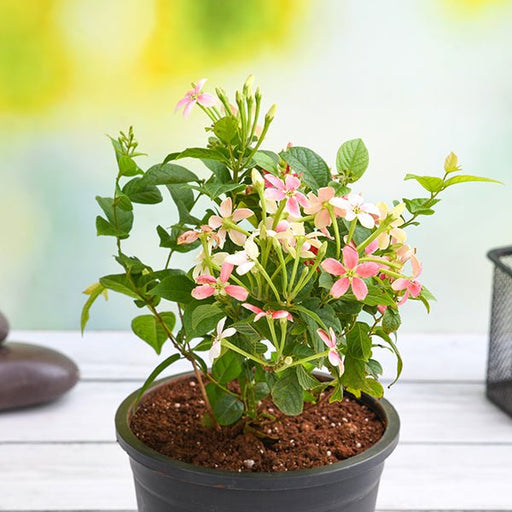
Pentas (Any Color) - Plant The Pentas plant, also known as Pentas lanceolata, is a stunning flowering perennial that captivates gardeners ...
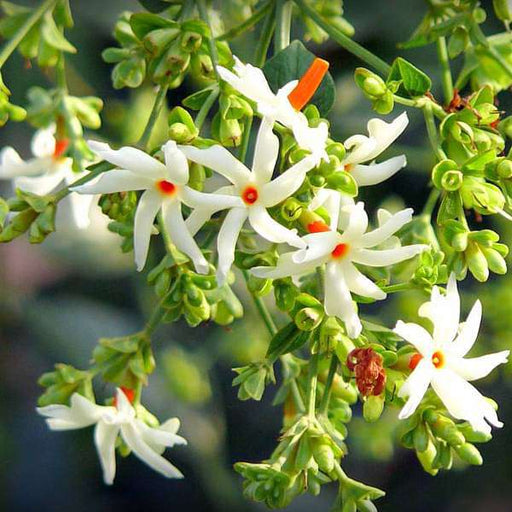
View full detailsCombo Constituents Includes the Parijat Tree (Night-Flowering Jasmine), a culturally significant plant with fragrant flowers. Description The Pari...
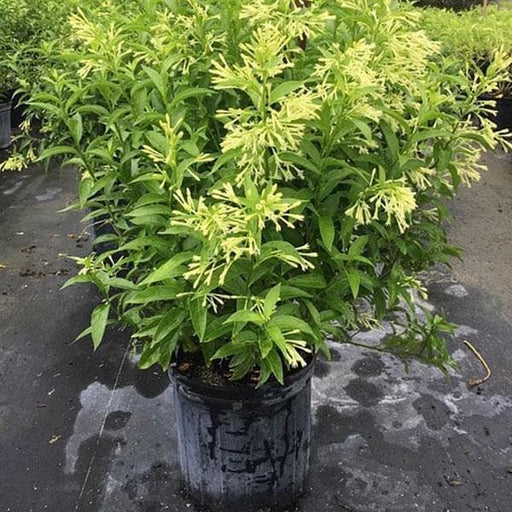
View full detailsDescription Raat Ki Rani (*Cestrum nocturnum*), also known as Night Blooming Jasmine, is a fragrant shrub native to the Caribbean and Central Ameri...
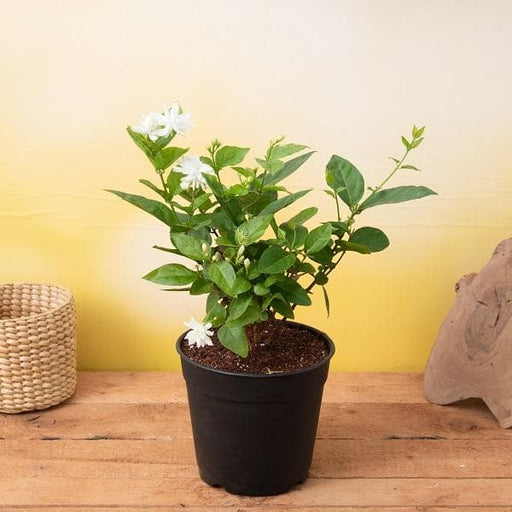
View full detailsJasminum sambac, Mogra, Arabian Jasmine - Plant Jasminum sambac, commonly known as Mogra or Arabian Jasmine, is a fragrant flowering plant...
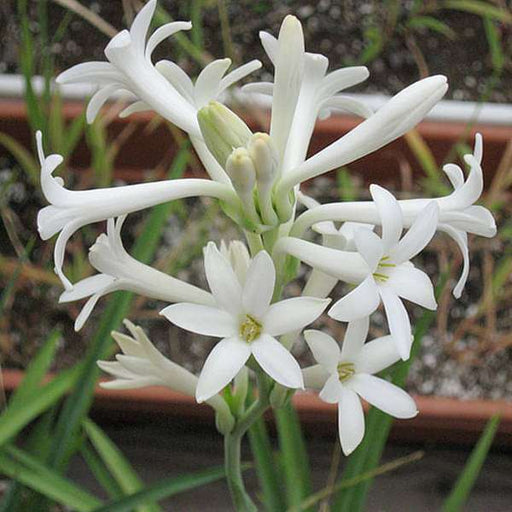
View full detailsRajnigandha, Tuberose - Plant The Rajnigandha, scientifically known as Polianthes tuberosa, is a captivating perennial plant renowned for ...
View full detailsCitronella, Odomas - Plant The Citronella plant, scientifically known as Cymbopogon nardus, is a tropical grass renowned for its aromatic ...
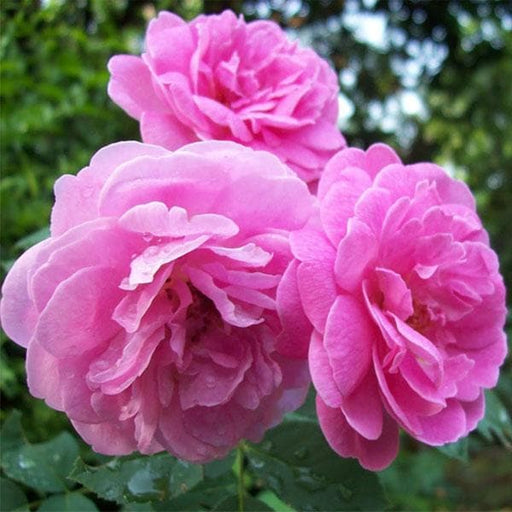
View full detailsDamascus Rose, Scented Rose (Any Color) - Plant The Damascus Rose, also known as Rosa damascena, is a timeless symbol of beauty and romanc...
View full detailsMiniature Rose, Button Rose (Any Color) - Plant The Miniature Rose, also known as the Button Rose, is a charming and compact flowering plant that ...
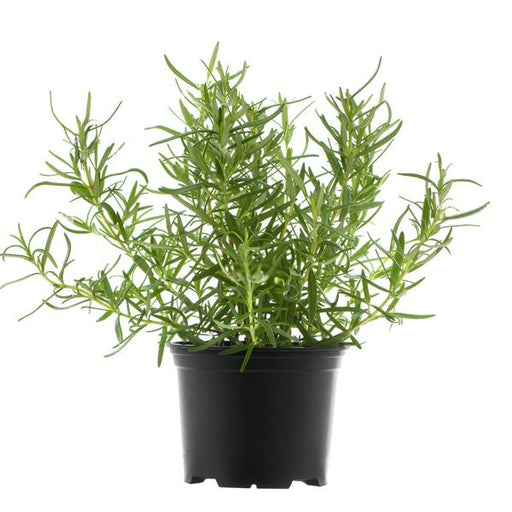
View full detailsRosemary - Plant Rosemary (Rosmarinus officinalis) is a fragrant evergreen herb native to the Mediterranean region. Known for its needle-like leav...
View full detailsMadhumalti Dwarf, Rangoon Creeper - Plant The Madhumalti Dwarf, also known as the Rangoon Creeper (Quisqualis indica), is a stunning perennial vin...
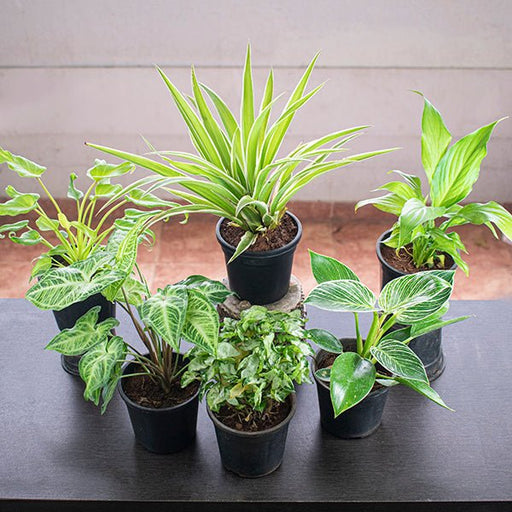
View full detailsBest 6 Plants for Perfect Indoor Garden Transform your living space into a lush oasis with our curated collection of the Best 6 Plants for a...
View full detailsBest 6 Plants for Perfect Indoor Garden Transform your living space into a lush oasis with our curated collection of the Best 6 Plants for a...
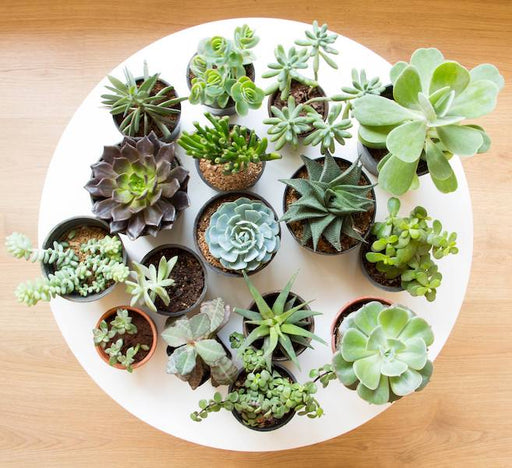
View full detailsMini Succulent Garden Pack Transform your space with our Mini Succulent Garden Pack, featuring a delightful collection of 4 any variety beautiful s...
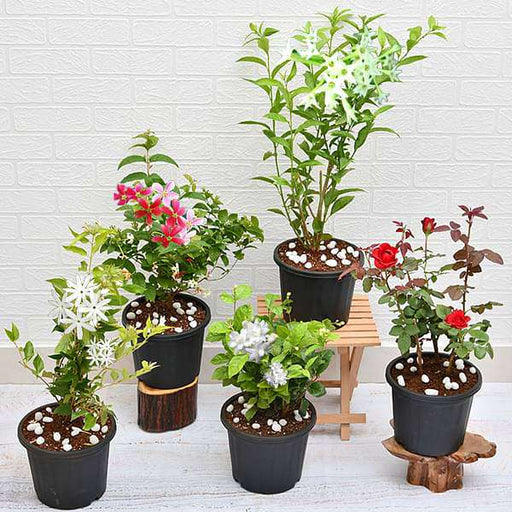
View full details5 Best Fragrant Plants Transform your garden or indoor space into a fragrant paradise with our curated selection of the 5 Best Fragrant Plants. Th...
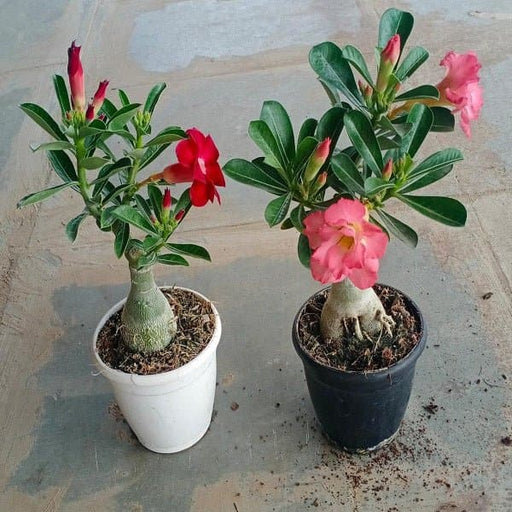
View full detailsSet of 2 Bonsai Looking Grafted Adeniums Transform your indoor or outdoor space with our exquisite Set of 2 Bonsai Looking Grafted Adenium...
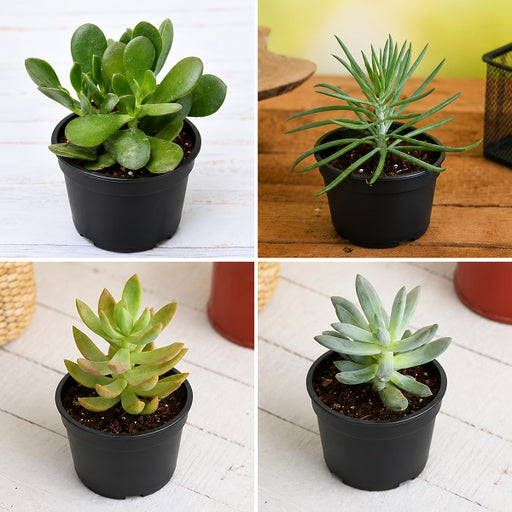
View full detailsTop 4 Die Hard Succulents Pack Note: Plants included in this pack will be delivered in a 3-inch nursery pot (any color). Transform your indoor or ...
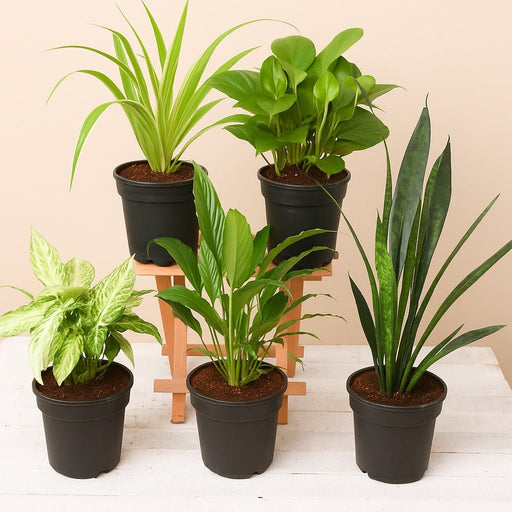
View full details5 Best Indoor Plants Pack Transform your living space into a lush oasis with our '5 Best Indoor Plants Pack.' This carefully curated collection fe...
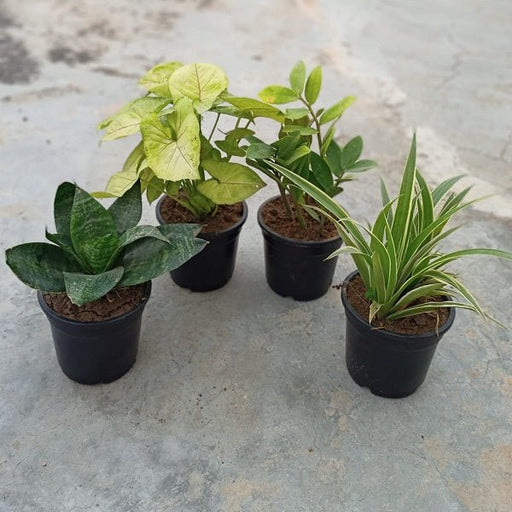
View full detailsSet of 4 Evergreen Air Purifier Plant Pack Transform your indoor space into a lush, green oasis with our Set of 4 Evergreen Air Purifier Pla...
View full detailsTop 5 Pollution Killer Plants Pack Transform your living space into a breath of fresh air with our 'Top 5 Pollution Killer Plants Pack'. This care...
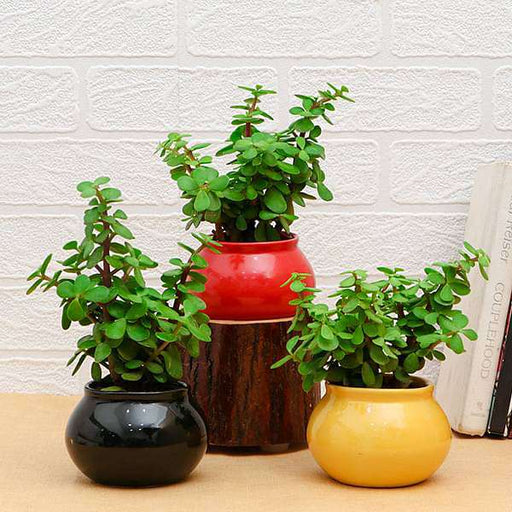
View full detailsPack of 3 Good Luck Jade Plants in Ceramic Pots Bring a touch of nature into your home with our Pack of 3 Good Luck Jade Plants, featuring...
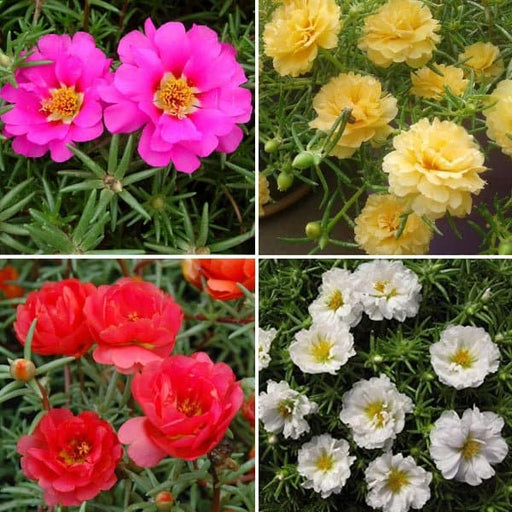
View full detailsPortulaca Garden Pack (4 Plants + 4 Black Pots) Note- You will get any color (Assorted) potted Porulaca plant with this pack. Transform your garde...
View full details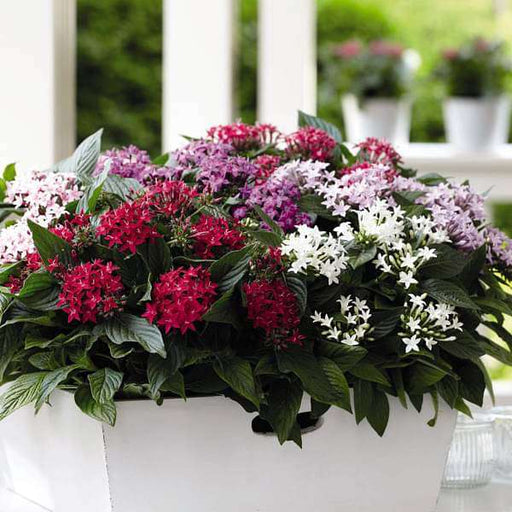






Leave a comment