
Expert Support
Available 24/7 via chat
Available 24/7 via chat
The Parijat tree is one of India's most beloved garden plants, and for good reason. Known by many names—Parijat, Paarijaata, Night-flowering Jasmine, and Coral Jasmine—this tree offers something truly magical: sweetly fragrant white flowers that bloom only after sunset, releasing their intoxicating perfume into the evening air. It's a plant steeped in mythology and garden tradition, yet remarkably easy to grow even for beginners. Whether you're tending a small urban terrace or planning a larger garden bed, the Parijat adapts beautifully to Indian climates, particularly thriving during the monsoon season when it produces its most prolific blooms.
The Parijat is a vigorous, deciduous to semi-evergreen shrub that can eventually reach heights of up to 10 meters, though most gardeners keep it pruned to a manageable 2–4 meters for easier harvesting and care. When you receive a sapling from Nurserylive, it typically measures about 19 inches (48 cm) in height with a spread of 6 inches (15 cm)—a young plant ready to establish itself in your garden or pot. The true magic appears from August through December, when the tree produces abundant clusters of small, white, star-shaped flowers. Unlike day-blooming varieties, Parijat flowers open in the evening and often drop by morning, creating a fresh carpet of blossoms each dawn—a sight that makes early risers smile. The fragrance is distinctive and powerful, most apparent on warm evenings and the early morning hours.
This is not a high-maintenance plant. Rated as easy to grow, the Parijat thrives on basic care and actually prefers it—it doesn't demand constant attention or coddling. It's a plant that rewards consistency over fussiness, making it ideal for busy gardeners or those new to growing ornamental plants.
| Care Factor | Requirement |
|---|---|
| Light | More than 6 hours of direct sunlight, or 3–6 hours with natural bright light throughout the day |
| Water | 4 cups (approximately 200 ml) when topsoil (1–2 inches) feels dry to touch |
| Soil | Well-drained, fertile soil rich in organic matter |
| Temperature | 16 to 32°C (ideal range; tolerates brief cooler periods) |
Parijat trees are sun-lovers and will reward generous light with abundant blooms. Aim for more than 6 hours of direct sunlight daily. However, if your space receives only 3–6 hours of direct sun, that's still acceptable provided the plant enjoys natural bright light for the remainder of the day. In most Indian cities, a south or west-facing location works wonderfully. Morning sun is especially beneficial during monsoon months when humidity is high, as it helps prevent fungal issues. If you're growing in a pot on a terrace or balcony, position it where it receives unobstructed sunlight, particularly during the blooming season (August–December). Plants in low-light conditions will grow slowly, produce fewer flowers, and may become leggy or weak.
Parijat trees prefer a consistent moisture level without waterlogging—a balance that's easier than you might think. The golden rule: water when the top 1–2 inches of soil feel dry to the touch. For a potted plant of typical size, this usually means applying about 4 cups (approximately 200 ml) of water. Stick your finger into the soil; if it's moist, wait another day or two. During the monsoon season, rainfall may reduce your watering frequency significantly—check the soil moisture regardless of weather. In hotter months (March–May), you may need to water more frequently, sometimes every 2–3 days. Conversely, during cooler months and dormancy, reduce watering. Always use room-temperature water, as excessively cold water can shock the roots. Hard water, common in many Indian cities, is tolerated by Parijat, so don't hesitate to use tap water—the plant is hardy enough to adapt.
The foundation of healthy Parijat growth is well-draining, fertile soil enriched with organic matter. Use a potting mix that combines garden soil, cocopeat or coconut husk, and well-aged compost in roughly equal proportions. This blend ensures water drains freely (preventing root rot) while retaining enough moisture and nutrients for strong growth. If planting in the ground, amend heavy clay soil with generous quantities of compost and coarse sand to improve drainage. Organic matter is non-negotiable—it feeds the soil microbes that support the plant. Feeding is straightforward: apply a balanced organic fertilizer once a month during the growing season (roughly May through January). You can use well-composted manure, vermicompost, or a commercial organic fertilizer. Avoid over-feeding; excess nitrogen encourages foliage at the expense of flowers. In harsh dormant months (December–February in cooler regions), reduce or skip feeding.
Parijat thrives in temperatures between 16 and 32°C, which perfectly suits most of India's climate. The plant is deciduous or semi-evergreen depending on your region—in colder areas (hills, northern plains), it may shed leaves during winter; in tropical and coastal regions, it retains more foliage year-round. The monsoon season is actually Parijat's favorite time: warm temperatures (often 25–32°C), high humidity, and seasonal rainfall create ideal conditions for explosive blooming. If you live in areas that experience frost or sustained temperatures below 10°C, protect your plant with mulch or move potted specimens to a sheltered, warmer location. High humidity during monsoons is appreciated; it reduces water loss and supports lush growth. In dry seasons, occasional misting or placing the pot on a tray of pebbles and water (without the pot touching water directly) can help maintain ambient humidity around the foliage.
Propagating Parijat from cuttings is straightforward and successful. In the monsoon season (June–August), take semi-hardwood cuttings 4–6 inches long from healthy branches. Remove the lower leaves, leaving 2–3 leaves at the tip. Dip the cut end in rooting hormone (optional but helpful) and insert into moist cocopeat or a 1:1 mix of sand and cocopeat. Place in a warm, bright location (not direct harsh sun) and maintain consistent moisture—not soggy, but never bone-dry. Roots typically form within 3–4 weeks. Once rooted, pot up into individual containers with the soil mix described above and grow on for 2–3 months before planting out. Seeds are another option, though they germinate less reliably and take longer to produce a flowering-size plant. Cuttings are faster and ensure you get the exact same plant as your parent specimen.
Parijat is generally pest and disease-resistant, but a few issues may arise:
Ready to grow your own? Shop Parijat Tree at Nurserylive →
Combo Constituents Includes the Parijat Tree (Night-Flowering Jasmine), a culturally significant plant with fragrant flowers. Description The Pari...
View full detailsCombo Constituents Includes the Parijat Tree (Night-Flowering Jasmine), a culturally significant plant with fragrant flowers. Description The Pari...
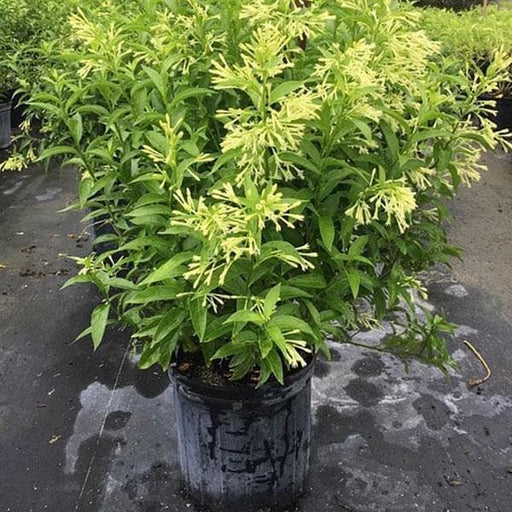
View full detailsDescription Raat Ki Rani (*Cestrum nocturnum*), also known as Night Blooming Jasmine, is a fragrant shrub native to the Caribbean and Central Ameri...
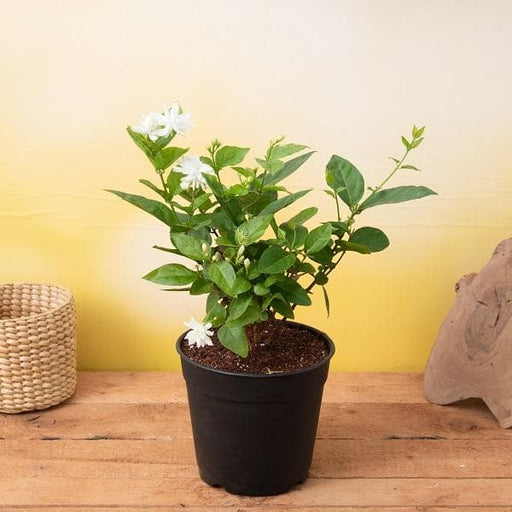
View full detailsJasminum sambac, Mogra, Arabian Jasmine - Plant Jasminum sambac, commonly known as Mogra or Arabian Jasmine, is a fragrant flowering plant...
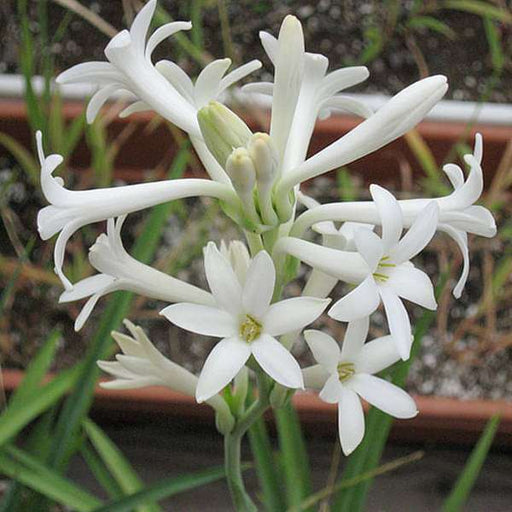
View full detailsRajnigandha, Tuberose - Plant The Rajnigandha, scientifically known as Polianthes tuberosa, is a captivating perennial plant renowned for ...
View full detailsCitronella, Odomas - Plant The Citronella plant, scientifically known as Cymbopogon nardus, is a tropical grass renowned for its aromatic ...
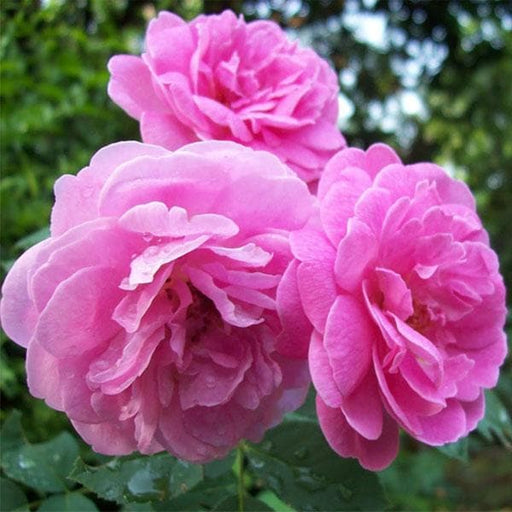
View full detailsDamascus Rose, Scented Rose (Any Color) - Plant The Damascus Rose, also known as Rosa damascena, is a timeless symbol of beauty and romanc...
View full detailsMiniature Rose, Button Rose (Any Color) - Plant The Miniature Rose, also known as the Button Rose, is a charming and compact flowering plant that ...
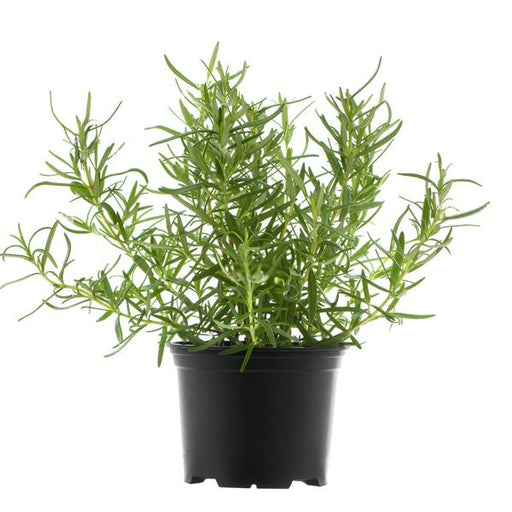
View full detailsRosemary - Plant Rosemary (Rosmarinus officinalis) is a fragrant evergreen herb native to the Mediterranean region. Known for its needle-like leav...
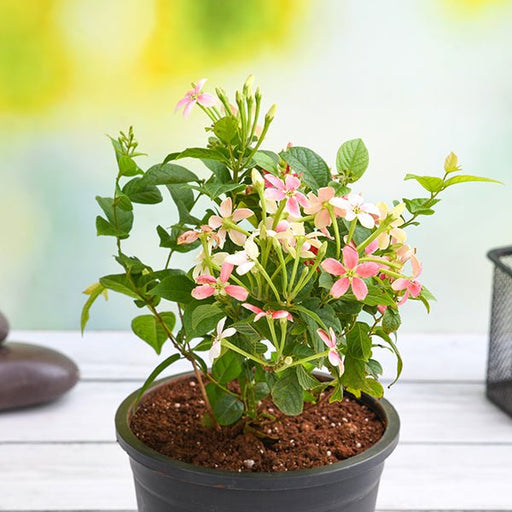
View full detailsMadhumalti Dwarf, Rangoon Creeper - Plant The Madhumalti Dwarf, also known as the Rangoon Creeper (Quisqualis indica), is a stunning perennial vin...
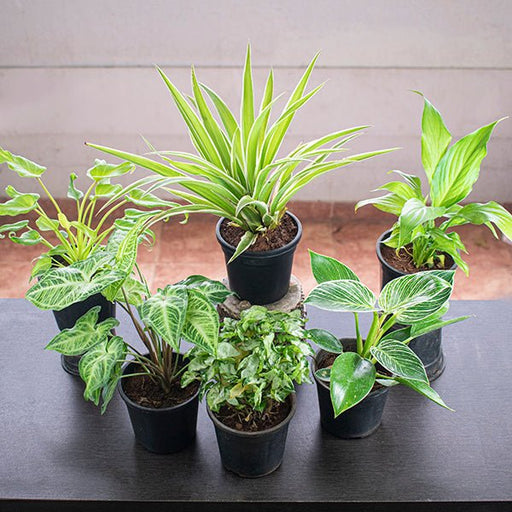
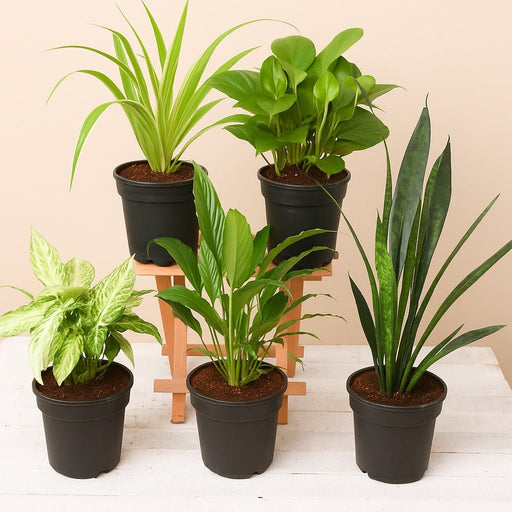
View full detailsBest 6 Plants for Perfect Indoor Garden Transform your living space into a lush oasis with our curated collection of the Best 6 Plants for a...
View full detailsBest 6 Plants for Perfect Indoor Garden Transform your living space into a lush oasis with our curated collection of the Best 6 Plants for a...
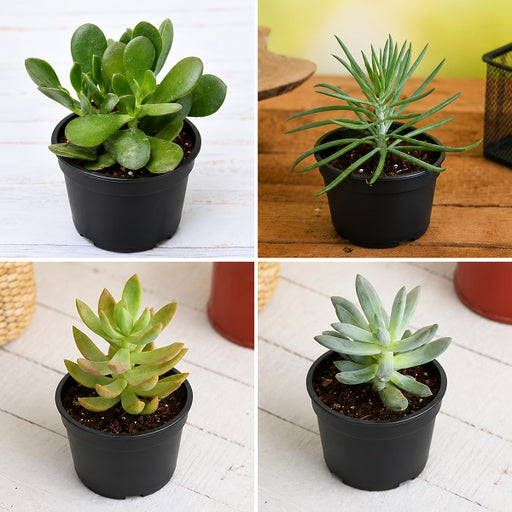
View full detailsMini Succulent Garden Pack Transform your space with our Mini Succulent Garden Pack, featuring a delightful collection of 4 any variety beautiful s...
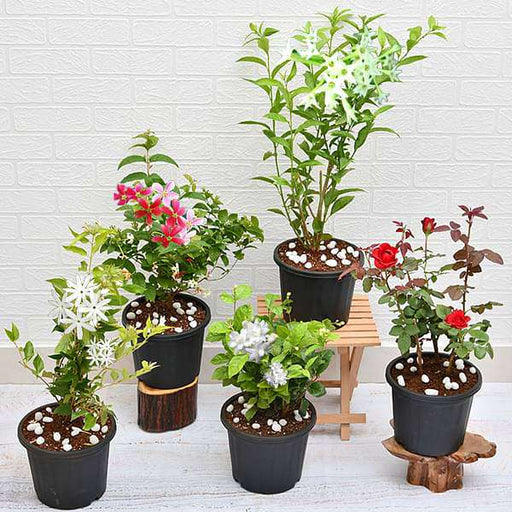
View full details5 Best Fragrant Plants Transform your garden or indoor space into a fragrant paradise with our curated selection of the 5 Best Fragrant Plants. Th...
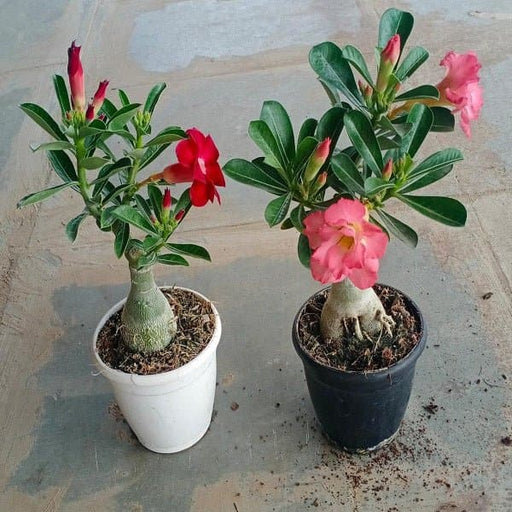
View full detailsSet of 2 Bonsai Looking Grafted Adeniums Transform your indoor or outdoor space with our exquisite Set of 2 Bonsai Looking Grafted Adenium...
View full detailsTop 4 Die Hard Succulents Pack Note: Plants included in this pack will be delivered in a 3-inch nursery pot (any color). Transform your indoor or ...
View full details5 Best Indoor Plants Pack Transform your living space into a lush oasis with our '5 Best Indoor Plants Pack.' This carefully curated collection fe...
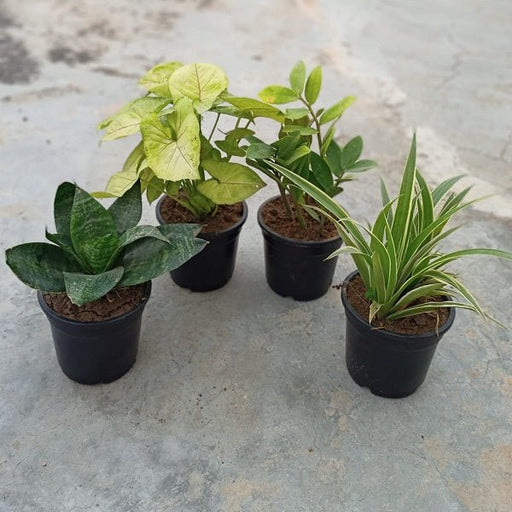
View full detailsSet of 4 Evergreen Air Purifier Plant Pack Transform your indoor space into a lush, green oasis with our Set of 4 Evergreen Air Purifier Pla...
View full detailsTop 5 Pollution Killer Plants Pack Transform your living space into a breath of fresh air with our 'Top 5 Pollution Killer Plants Pack'. This care...
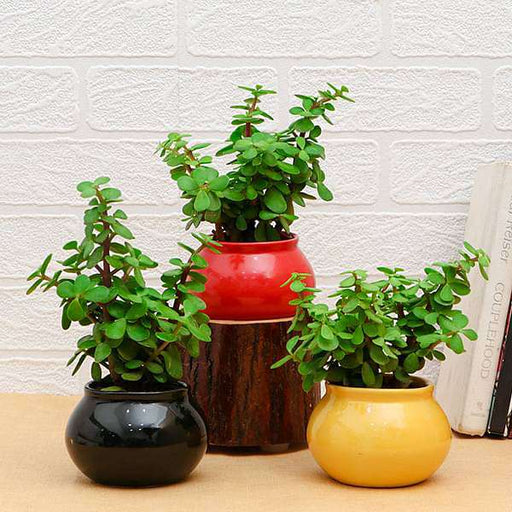
View full detailsPack of 3 Good Luck Jade Plants in Ceramic Pots Bring a touch of nature into your home with our Pack of 3 Good Luck Jade Plants, featuring...
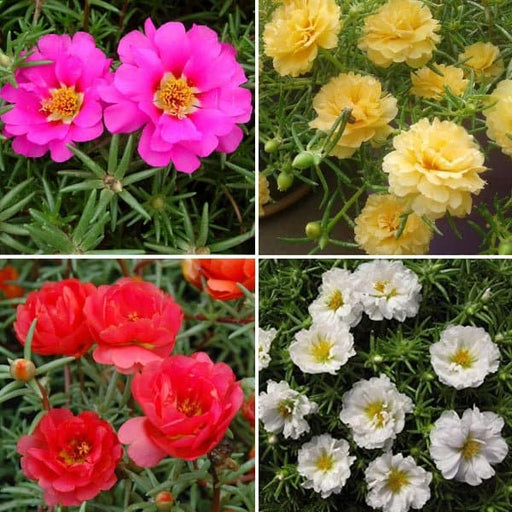
View full detailsPortulaca Garden Pack (4 Plants + 4 Black Pots) Note- You will get any color (Assorted) potted Porulaca plant with this pack. Transform your garde...
View full details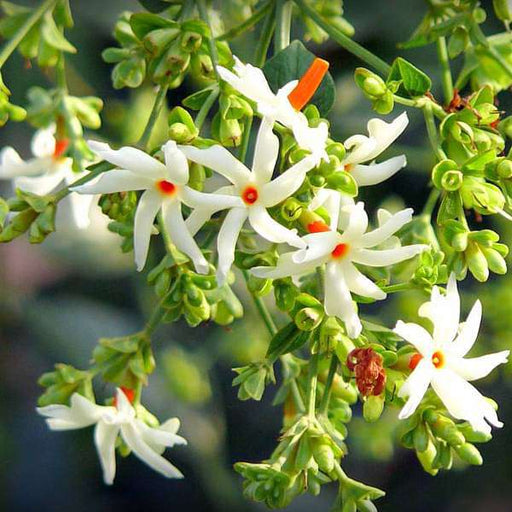







Leave a comment