
Expert Support
Available 24/7 via chat
Available 24/7 via chat
Papaya is one of the most rewarding fruits to grow in Indian gardens—a truly sun-loving, abundant producer that thrives in our warm climate. Whether you're gardening on a balcony in Delhi, a terrace in Mumbai, or a full garden plot in Bangalore, papayas adapt beautifully to Indian conditions. The hybrid varieties grow easily in pots and garden beds alike, rewarding gardeners with continuous harvests year-round. If you've hesitated because you thought tropical fruit trees were difficult, papaya will change your mind—it's actually one of the easiest warm-climate fruits to cultivate.
Papaya (Papita in Hindi) is a fast-growing, summer-loving tree that can reach up to 30 feet in ideal conditions, though container-grown plants stay much smaller. The hybrid variety is vigorous and produces abundant seasonal fruit with minimal fuss. What makes papaya special is its ability to flower and fruit year-round in India's warm zones, with bloom intensity increasing during hot months—the yellow, orange, and cream flowers are followed by delicious, nutrient-rich fruits within a few months.
| Light | Full sun, 6-8 hours daily |
|---|---|
| Water | Low; deep watering every 4-5 days in summer |
| Soil | Well-drained, loamy; avoid heavy clay and waterlogging |
| Temperature | 25-35°C ideal; sensitive below 15°C |
Papaya is unequivocally a sun worshipper. It demands full sun for 6-8 hours daily to produce sweet, abundant fruit and maintain healthy foliage. In India's intense summer, afternoon shade when temperatures exceed 40°C can prevent fruit cracking. If you're growing on a balcony, ensure it faces south or west to maximize sunlight. Indoor or partial-shade growing will result in weak plants, sparse flowering, and poor fruiting. Position your papaya where it receives unfiltered morning sun, which helps prevent fungal diseases in monsoon-prone areas.
Despite being tropical, papaya is surprisingly drought-tolerant once established, though consistent moisture during flowering and fruiting phases improves yields. Water deeply but infrequently—every 4-5 days during summer, reducing to once a week in winter. The key is drainage: papaya despises waterlogging, which causes root rot, especially during heavy monsoon rains. In pot cultivation, ensure drainage holes remain clear. During monsoons, reduce watering significantly and prevent water from pooling around the base. In dry regions like Rajasthan, mulch around the tree to retain soil moisture and regulate temperature. Young plants need more frequent watering than established trees.
Papaya thrives in well-drained, loamy soil with a pH between 6.0 and 6.5. Avoid heavy clay soils and pure sand—both are poor choices. If your garden soil is sticky or compact, amend it with coconut coir, compost, and perlite to improve drainage. The hybrid papaya responds beautifully to regular feeding with NPK fertilizer in a 10-6-10 ratio every 4 weeks during the growing season (March to September), reducing to once every 8 weeks in winter. Organic gardeners can apply well-rotted compost and vermicompost every 6 weeks. If you live in a hard-water area (common across North and Central India), occasional foliar sprays with diluted liquid fertilizer help prevent micronutrient deficiencies.
Papaya's ideal temperature range is 25-35°C—precisely what most of India offers during growing season. The tree becomes sensitive below 15°C and may drop leaves or stop growth. In cooler zones like Himachal or high-altitude regions, grow papaya during warm months and protect it in winter, or use container cultivation for flexibility. High humidity during monsoons increases fungal and bacterial disease risk; improve air circulation around the plant and avoid overhead watering. In dry, arid regions, occasional misting and mulching help maintain leaf health.
Papayas are easiest to grow from seeds, which germinate within 2-3 weeks in warm, moist soil. Extract seeds from ripe fruit, dry them for a day, and sow in seed trays filled with seed compost. Keep soil consistently moist (not waterlogged) and maintain warmth at 20-25°C. Seedlings emerge in 10-14 days and are ready to pot up in 4-6 weeks. Alternatively, buy young saplings from nurseries (often available year-round in India). Plant in spring (February-April) for best establishment. For pots, use 18-24 inch containers with drainage holes and high-quality potting mix.
Papaya is generally hardy, but watch for these issues:
Ready to grow your own? Shop Papaya at Nurserylive →
Papaya, Papita (Hybrid) - Plant The Papaya, also known as Papita, is a tropical fruit-bearing plant that belongs to the Caricaceae family....
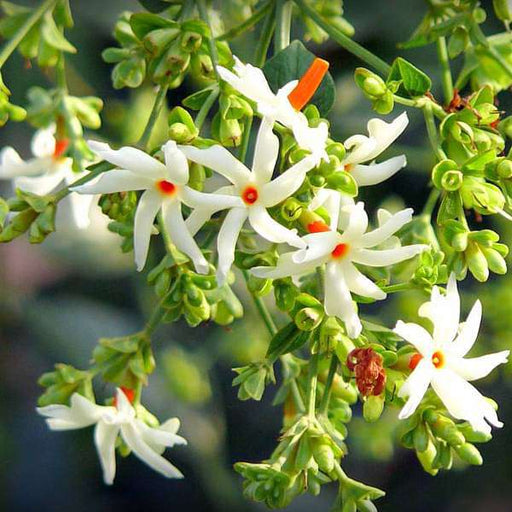
View full detailsCombo Constituents Includes the Parijat Tree (Night-Flowering Jasmine), a culturally significant plant with fragrant flowers. Description The Pari...
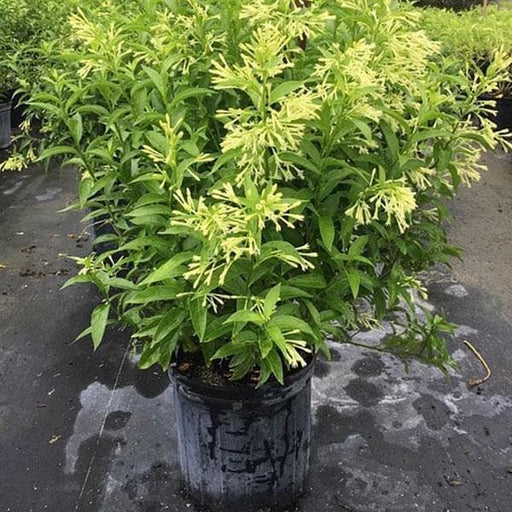
View full detailsDescription Raat Ki Rani (*Cestrum nocturnum*), also known as Night Blooming Jasmine, is a fragrant shrub native to the Caribbean and Central Ameri...
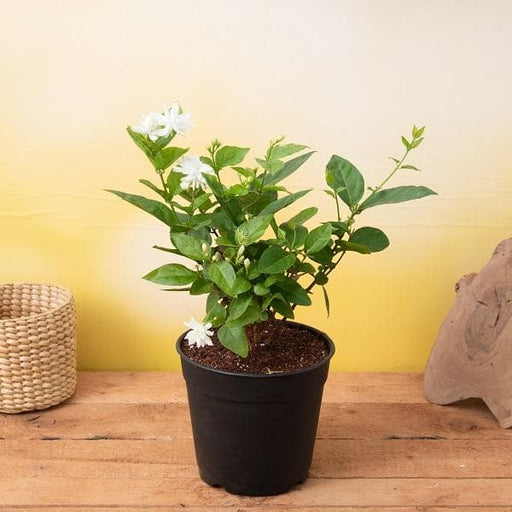
View full detailsJasminum sambac, Mogra, Arabian Jasmine - Plant Jasminum sambac, commonly known as Mogra or Arabian Jasmine, is a fragrant flowering plant...
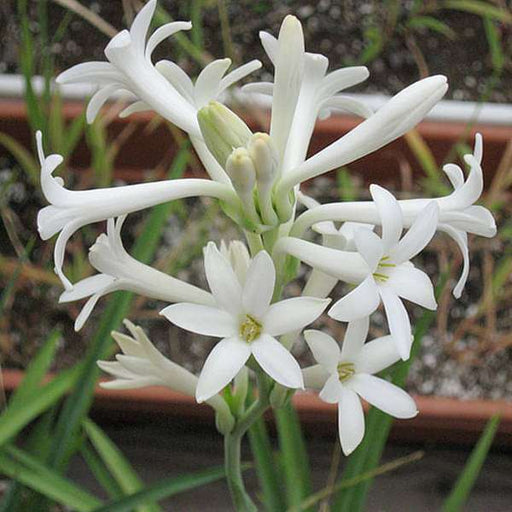
View full detailsRajnigandha, Tuberose - Plant The Rajnigandha, scientifically known as Polianthes tuberosa, is a captivating perennial plant renowned for ...
View full detailsCitronella, Odomas - Plant The Citronella plant, scientifically known as Cymbopogon nardus, is a tropical grass renowned for its aromatic ...
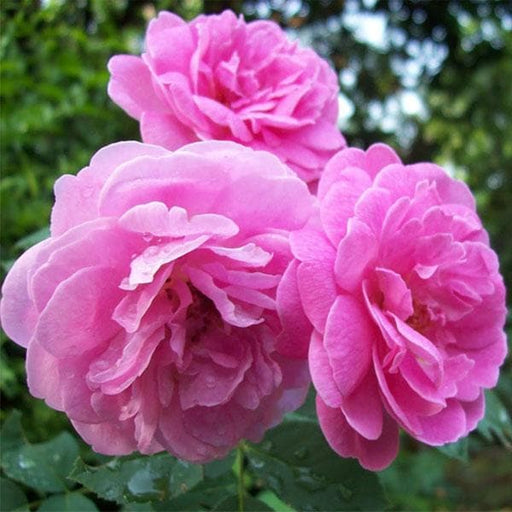
View full detailsDamascus Rose, Scented Rose (Any Color) - Plant The Damascus Rose, also known as Rosa damascena, is a timeless symbol of beauty and romanc...
View full detailsMiniature Rose, Button Rose (Any Color) - Plant The Miniature Rose, also known as the Button Rose, is a charming and compact flowering plant that ...
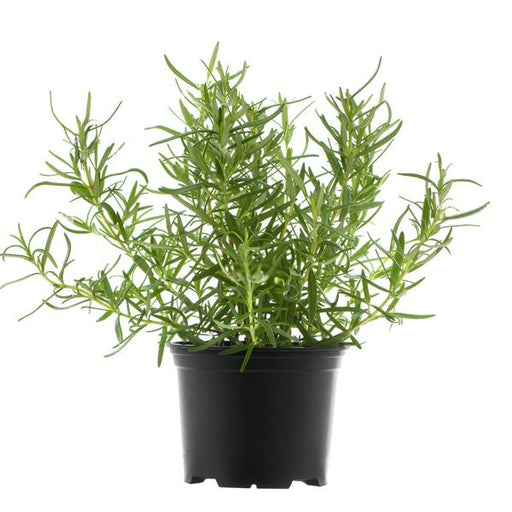
View full detailsRosemary - Plant Rosemary (Rosmarinus officinalis) is a fragrant evergreen herb native to the Mediterranean region. Known for its needle-like leav...
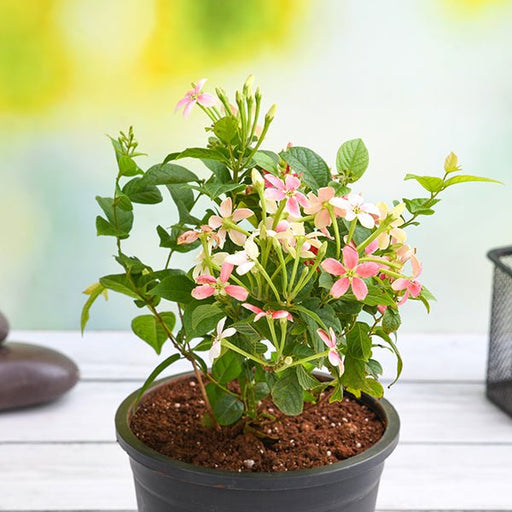
View full detailsMadhumalti Dwarf, Rangoon Creeper - Plant The Madhumalti Dwarf, also known as the Rangoon Creeper (Quisqualis indica), is a stunning perennial vin...
View full detailsBest 6 Plants for Perfect Indoor Garden Transform your living space into a lush oasis with our curated collection of the Best 6 Plants for a...
View full detailsBest 6 Plants for Perfect Indoor Garden Transform your living space into a lush oasis with our curated collection of the Best 6 Plants for a...
View full detailsMini Succulent Garden Pack Transform your space with our Mini Succulent Garden Pack, featuring a delightful collection of 4 any variety beautiful s...
View full details5 Best Fragrant Plants Transform your garden or indoor space into a fragrant paradise with our curated selection of the 5 Best Fragrant Plants. Th...
View full detailsSet of 2 Bonsai Looking Grafted Adeniums Transform your indoor or outdoor space with our exquisite Set of 2 Bonsai Looking Grafted Adenium...
View full detailsTop 4 Die Hard Succulents Pack Note: Plants included in this pack will be delivered in a 3-inch nursery pot (any color). Transform your indoor or ...
View full details5 Best Indoor Plants Pack Transform your living space into a lush oasis with our '5 Best Indoor Plants Pack.' This carefully curated collection fe...
View full detailsSet of 4 Evergreen Air Purifier Plant Pack Transform your indoor space into a lush, green oasis with our Set of 4 Evergreen Air Purifier Pla...
View full detailsTop 5 Pollution Killer Plants Pack Transform your living space into a breath of fresh air with our 'Top 5 Pollution Killer Plants Pack'. This care...
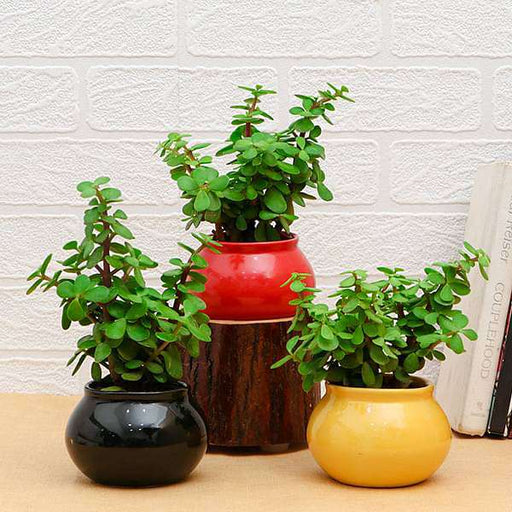
View full detailsPack of 3 Good Luck Jade Plants in Ceramic Pots Bring a touch of nature into your home with our Pack of 3 Good Luck Jade Plants, featuring...
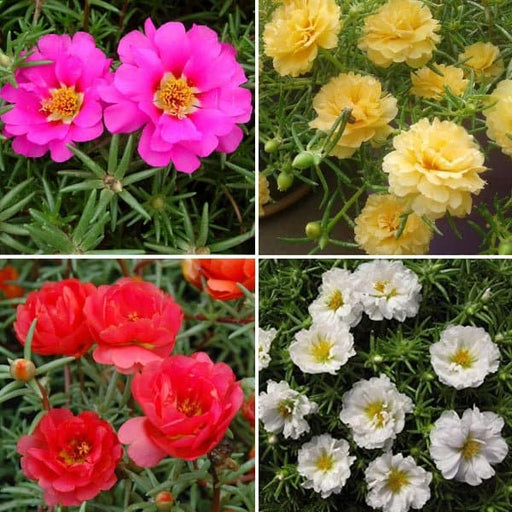
View full detailsPortulaca Garden Pack (4 Plants + 4 Black Pots) Transform your garden into a vibrant oasis with our Portulaca Garden Pack, featuring four ...
View full details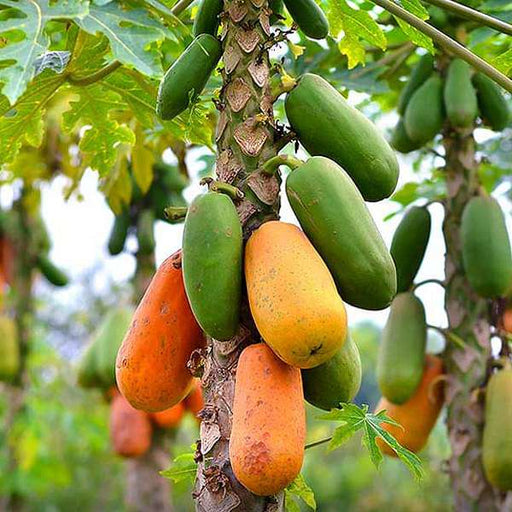












Leave a comment