
Expert Support
Available 24/7 via chat
Available 24/7 via chat
Origanum Majorana, known locally as marwa or sweet marjoram, is a treasure for Indian gardeners seeking a low-maintenance herb with multiple benefits. This aromatic perennial is remarkably easy to grow, requires minimal care, and delivers both culinary value and natural pest protection. Whether you're gardening on a sunny terrace in Mumbai, a balcony in Bangalore, or a garden bed in Delhi, marjoram adapts well to container and ground cultivation. Let's explore how to grow and care for this wonderful herb in India's variable climate.
| Care Factor | Details |
|---|---|
| Light | More than 6 hours of sunlight daily; bright, direct natural light for the rest of the day |
| Watering | Apply 3 cups (approximately 150 ml) when the top 1–2 inches of soil feels dry to touch |
| Soil | Well-draining, fertile soil rich in organic matter |
| Temperature | Optimal range: 20–30°C (68–86°F) |
Marjoram is a compact, pot-friendly perennial that reaches 12 inches (30 cm) in height when young, with a spread of about 5 inches (13 cm), though it can grow up to 60 centimeters under ideal conditions. This makes it perfect for window sills, small containers, and kitchen herb gardens. The plant produces delicate white-pink flowers that bloom from January to April, the most pleasant season across most of India. Its foliage is aromatic and densely packed, making it visually appealing even when not flowering. Beyond ornamental value, marjoram is classified as an easy-care plant—ideal for beginners or busy gardeners.
Marjoram thrives in abundant sunlight, requiring more than 6 hours of direct, bright natural light daily. In India's tropical and subtropical regions, this means placing your plant in a south- or west-facing window, open terrace, or balcony that receives morning sun and afternoon brightness. During the intense summer months (April–June), some gardeners in extreme heat zones may benefit from providing light afternoon shade to prevent leaf scorch, but this is optional in most locations. The more sunlight your marjoram receives, the more compact and flavorful it becomes. If grown indoors away from windows, the plant will become leggy and weak.
Proper watering is crucial for marjoram's health. The golden rule: water when the top 1–2 inches of soil feel dry to touch. In practical terms, this typically means applying 3 cups (approximately 150 ml) of water per watering cycle. The frequency depends on your climate and season. During India's hot, dry months (March–May), you may water every 2–3 days. During monsoon season (June–September), reduce frequency significantly—sometimes even skipping a week if rains are heavy—as marjoram is sensitive to waterlogging. In winter (October–February), water only when the soil is noticeably dry, often just once or twice weekly. Always use room-temperature water, and if your area has hard water (common in North India), let tap water sit overnight before use to allow minerals to settle.
Marjoram demands well-draining, fertile soil rich in organic matter. If using potting mix, blend equal parts coconut coir, perlite, and well-composted organic matter (vermicompost or aged manure). For garden beds, amend soil with 2–3 inches of compost before planting. Poor drainage is the primary killer of marjoram; waterlogged roots lead to fungal rot within days. Apply organic fertilizer once monthly from October through January, when the plant is establishing growth and preparing for the spring bloom. Use balanced organic fertilizers—fish emulsion, seaweed extract, or granular compost work well. Avoid chemical fertilizers, which can reduce the herb's aromatic potency and natural insect-repelling properties.
The ideal temperature range for marjoram is 20–30°C (68–86°F). Fortunately, most of India falls within this comfort zone for at least part of the year. In regions experiencing temperatures above 35°C during peak summer, provide afternoon shade and increase watering frequency. The plant tolerates winter temperatures above 10°C without stress. During India's monsoon season, high humidity combined with heavy rainfall increases fungal disease risk. Ensure excellent air circulation around plants—space pots at least 6 inches apart, avoid crowding on shelves, and prune dead foliage promptly. If fungal spotting appears during monsoon, reduce watering frequency and remove affected leaves immediately.
Marjoram is propagated from seeds or soft cuttings. For seeds, sow in seed trays with well-draining seed mix during September–October (post-monsoon) or February–March (early spring). Keep soil consistently moist but not waterlogged; seedlings emerge in 10–15 days. Transplant to individual 4–6 inch pots once seedlings have two true leaves. For cuttings, take 3–4 inch stems from healthy plants, remove lower leaves, dip in rooting hormone, and insert into moist perlite or seed mix. Cover with plastic for humidity and place in bright indirect light. Roots typically develop within 2–3 weeks. Both methods are reliable and rewarding.
Marjoram is hardy and disease-resistant, but watch for: Overwatering—the most common issue—causes root rot and yellowing leaves; always check soil moisture before watering. Powdery mildew can appear in high-humidity monsoon conditions; prevent with good air circulation and avoid wetting foliage. Leaf spots indicate fungal infection; remove affected leaves and reduce watering. Leggy growth means insufficient light; move the plant to a brighter location. Pests are rare, as marjoram's aromatic oils naturally repel common insects like spider mites and whiteflies.
Ready to grow your own? Shop Origanum Majorana at Nurserylive →
Origanum Majorana - Marjoram Plant Origanum Majorana, commonly known as Marjoram or Marwa, is a perennial herb renowned for its aromatic l...
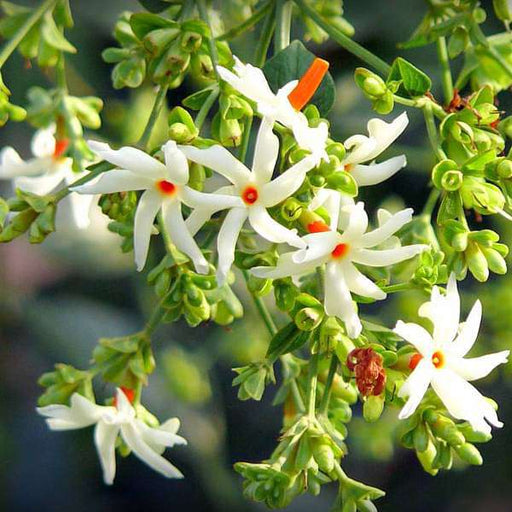
View full detailsCombo Constituents Includes the Parijat Tree (Night-Flowering Jasmine), a culturally significant plant with fragrant flowers. Description The Pari...
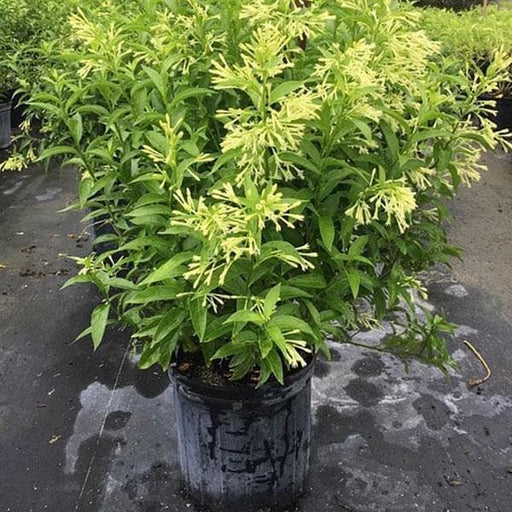
View full detailsDescription Raat Ki Rani (*Cestrum nocturnum*), also known as Night Blooming Jasmine, is a fragrant shrub native to the Caribbean and Central Ameri...
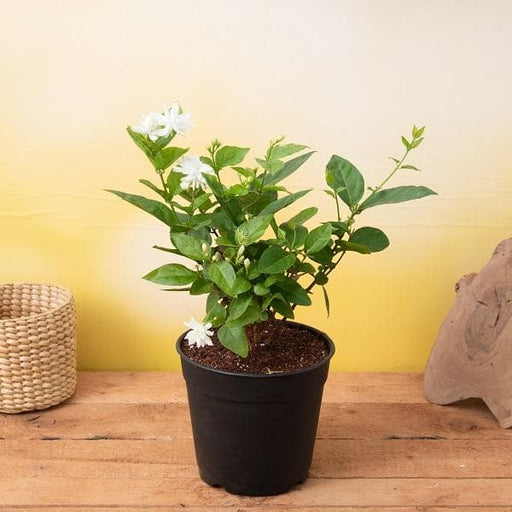
View full detailsJasminum sambac, Mogra, Arabian Jasmine - Plant Jasminum sambac, commonly known as Mogra or Arabian Jasmine, is a fragrant flowering plant...
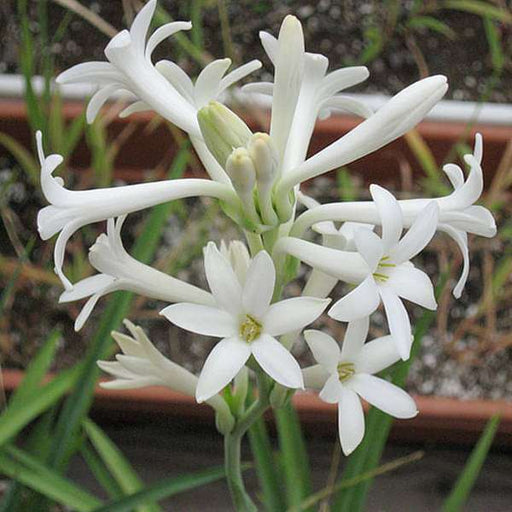
View full detailsRajnigandha, Tuberose - Plant The Rajnigandha, scientifically known as Polianthes tuberosa, is a captivating perennial plant renowned for ...
View full detailsCitronella, Odomas - Plant The Citronella plant, scientifically known as Cymbopogon nardus, is a tropical grass renowned for its aromatic ...
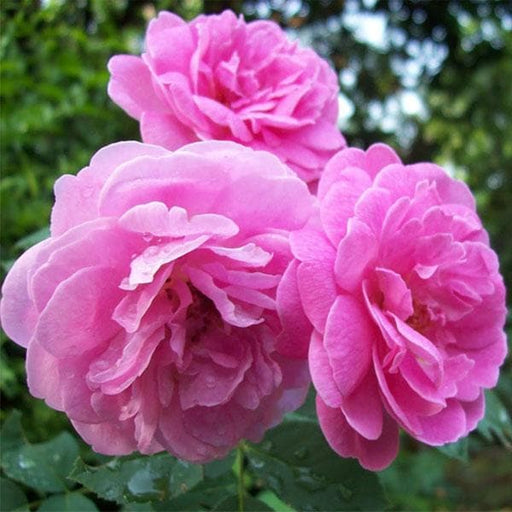
View full detailsDamascus Rose, Scented Rose (Any Color) - Plant The Damascus Rose, also known as Rosa damascena, is a timeless symbol of beauty and romanc...
View full detailsMiniature Rose, Button Rose (Any Color) - Plant The Miniature Rose, also known as the Button Rose, is a charming and compact flowering plant that ...
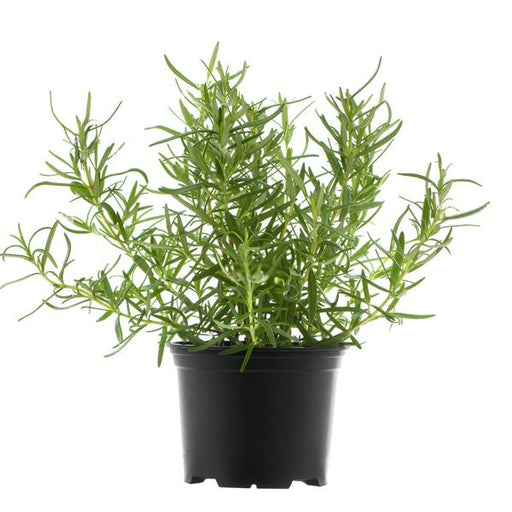
View full detailsRosemary - Plant Rosemary (Rosmarinus officinalis) is a fragrant evergreen herb native to the Mediterranean region. Known for its needle-like leav...
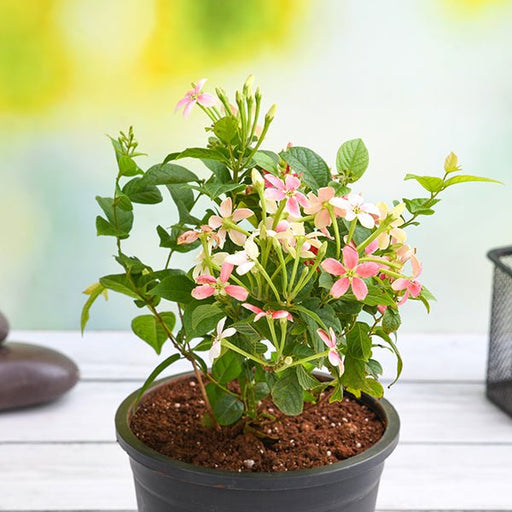
View full detailsMadhumalti Dwarf, Rangoon Creeper - Plant The Madhumalti Dwarf, also known as the Rangoon Creeper (Quisqualis indica), is a stunning perennial vin...
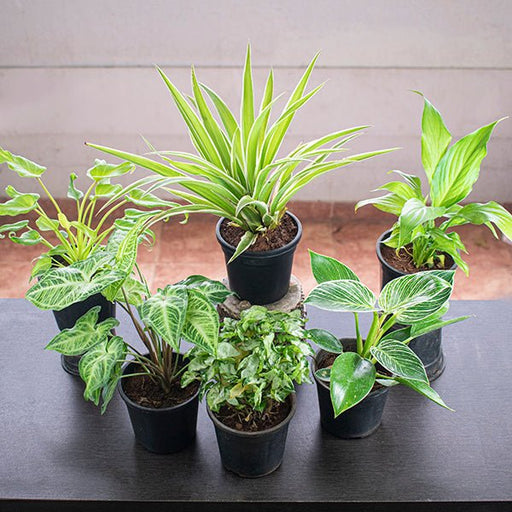
View full detailsBest 6 Plants for Perfect Indoor Garden Transform your living space into a lush oasis with our curated collection of the Best 6 Plants for a...
View full detailsBest 6 Plants for Perfect Indoor Garden Transform your living space into a lush oasis with our curated collection of the Best 6 Plants for a...
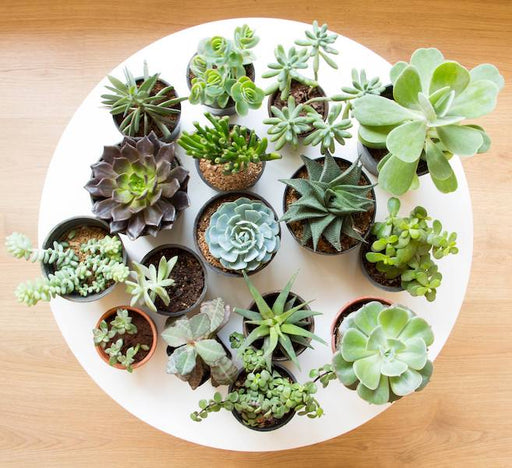
View full detailsMini Succulent Garden Pack Transform your space with our Mini Succulent Garden Pack, featuring a delightful collection of 4 any variety beautiful s...
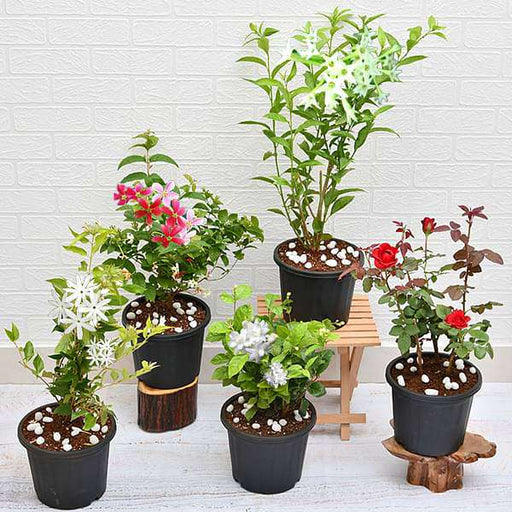
View full details5 Best Fragrant Plants Transform your garden or indoor space into a fragrant paradise with our curated selection of the 5 Best Fragrant Plants. Th...
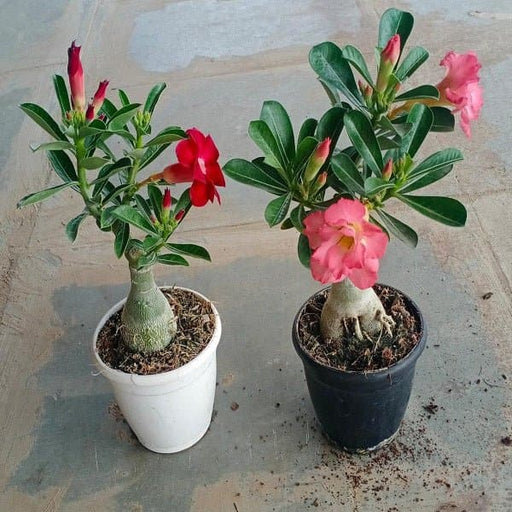
View full detailsSet of 2 Bonsai Looking Grafted Adeniums Transform your indoor or outdoor space with our exquisite Set of 2 Bonsai Looking Grafted Adenium...
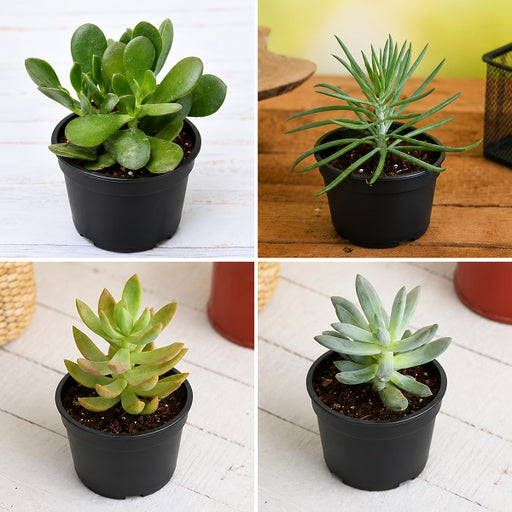
View full detailsTop 4 Die Hard Succulents Pack Note: Plants included in this pack will be delivered in a 3-inch nursery pot (any color). Transform your indoor or ...
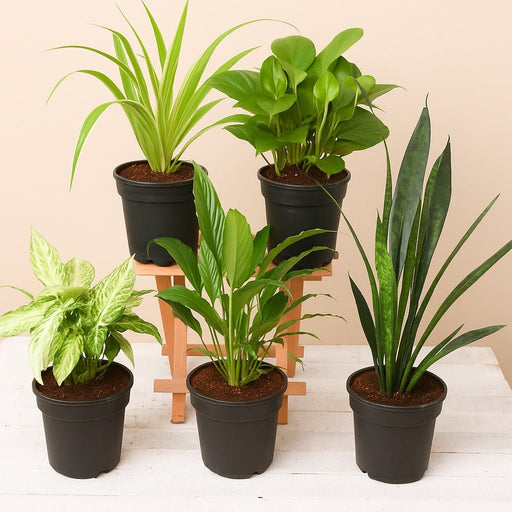
View full details5 Best Indoor Plants Pack Transform your living space into a lush oasis with our '5 Best Indoor Plants Pack.' This carefully curated collection fe...
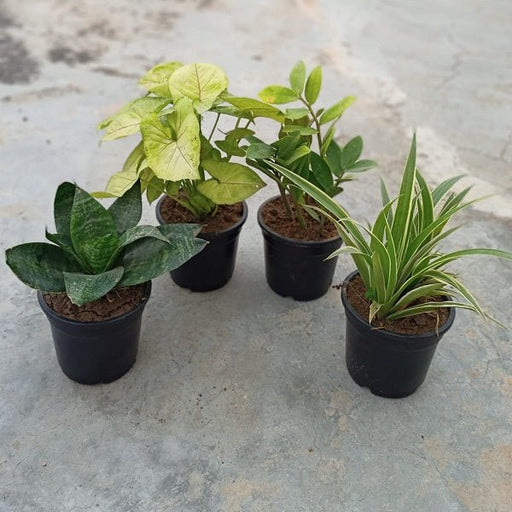
View full detailsSet of 4 Evergreen Air Purifier Plant Pack Transform your indoor space into a lush, green oasis with our Set of 4 Evergreen Air Purifier Pla...
View full detailsTop 5 Pollution Killer Plants Pack Transform your living space into a breath of fresh air with our 'Top 5 Pollution Killer Plants Pack'. This care...
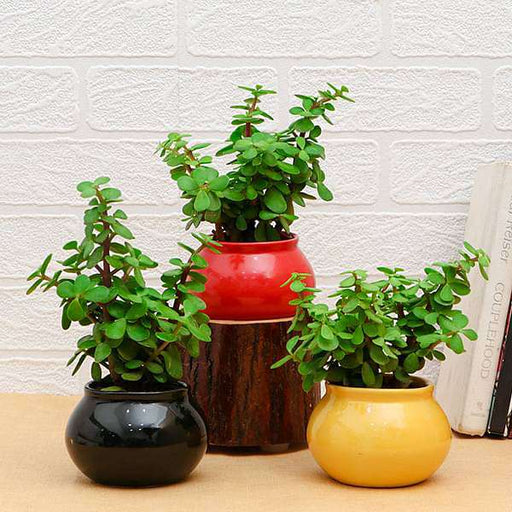
View full detailsPack of 3 Good Luck Jade Plants in Ceramic Pots Bring a touch of nature into your home with our Pack of 3 Good Luck Jade Plants, featuring...
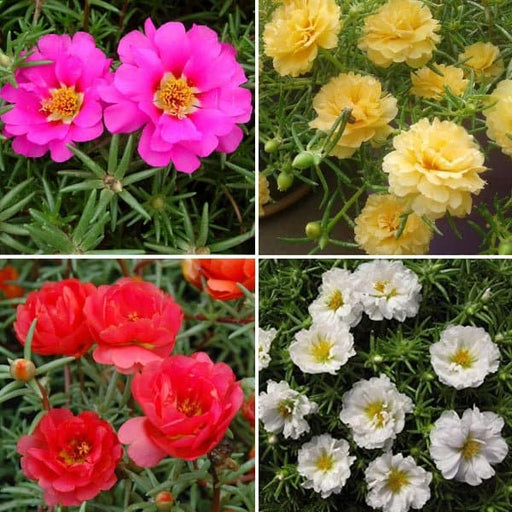
View full detailsPortulaca Garden Pack (4 Plants + 4 Black Pots) Note- You will get any color (Assorted) potted Porulaca plant with this pack. Transform your garde...
View full details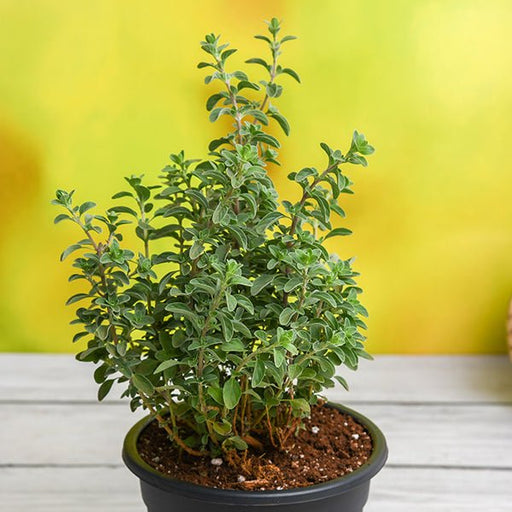






Leave a comment