
Expert Support
Available 24/7 via chat
Available 24/7 via chat
There's nothing quite like plucking a sun-ripened orange from your own tree, and the good news is you don't need acres of land to make it happen. The sweet orange—santra, as it's known across India—is one of the easiest citrus fruits to cultivate at home, whether you're in a climate-controlled flat, a sprawling garden, or anywhere in between. The grafted varieties available at Nurserylive are specifically bred to fruit reliably in containers and smaller spaces, reaching a compact 4 to 10 feet at maturity. If you've ever felt intimidated by fruit-growing, this is the plant to start with.
Orange fruit (santra) belongs to the citrus family and has been cultivated in India for centuries. The sweet orange variety is beloved for its thin, easy-to-peel skin, juicy flesh, and balanced sweetness—perfect for fresh juice, eating fresh, or cooking. What makes the Nurserylive offering special is that it arrives as a grafted sapling, meaning the fruiting wood has been grafted onto a hardy rootstock. This means your tree will bear fruit far sooner than a seed-grown plant, often within the first or second year. These are also summer fruit producers, so expect your harvest when the intense heat peaks—a welcome burst of fresh juice precisely when your body needs it.
The plant arrives as a 24-inch (61 cm) tall sapling with a modest 7-inch spread, but don't let the size fool you. With proper care, it will grow into a productive, self-sustaining tree. Best of all, the difficulty level is easy—even first-time fruit growers report success.
| Aspect | Requirement |
|---|---|
| Light | Direct sunlight for several hours daily; move outdoors in spring |
| Water | Keep soil moist, not waterlogged; allow top inch to dry before watering |
| Soil | 1 part potting soil + 1 part organic compost + 1 part perlite or vermiculite |
| Temperature | Prefers 55–70°F (13–21°C); tolerates down to 20°F (−7°C) |
Orange trees are sun worshippers, and India's climate is perfect for them. Provide direct sunlight for at least several hours daily—ideally 6 to 8 hours during the growing season. If you're keeping your plant indoors initially (common in northern winters), position it near a south-facing or west-facing window. In spring, gradually increase outdoor time, starting with a few hours daily and building up. This hardens the plant and prepares it for full sun exposure.
During India's intense summer months, particularly in central and northern regions, afternoon shade for 1 to 2 hours (say, 2 to 4 PM) can prevent leaf scorch and stress. However, morning and late-afternoon sun are essential. If you're in a coastal area or high-altitude region, full sun is usually safe year-round.
Orange trees need consistent moisture, but they hate waterlogged roots. Water the tree when the top inch of soil feels dry to the touch—this usually means watering every 2 to 3 days in summer, and every 4 to 7 days in winter, though this varies with pot size and local humidity.
During India's monsoon season, reduce watering frequency significantly if your plant is outdoors; the rains will do much of the work. Ensure pots have drainage holes to prevent root rot—a common killer in humid regions. In the dry season (March to May), monitor the soil closely and water more frequently, especially as temperatures climb above 40°C (104°F).
If you're using hard water (common in parts of north and central India), collect rainwater during the monsoon and use it for watering when possible. Hard water deposits can eventually affect soil pH and nutrient availability.
Use a well-draining citrus mix: combine 1 part potting soil, 1 part organic compost, and 1 part perlite or vermiculite. This combination ensures moisture retention while preventing waterlogging. The organic compost adds nutrients and improves soil structure, crucial in containers where nutrient depletion happens quickly.
During the growing season (spring through early autumn), fertilize with a citrus-specific formula or a slow-release fertilizer formulated for acid-loving plants. Orange trees prefer slightly acidic soil (pH 6.0 to 7.0). Apply fertilizer every 4 to 6 weeks during active growth, and reduce to every 8 to 10 weeks in winter. Always water before fertilizing to prevent root burn.
In regions with hard water, consider using a chelated micronutrient supplement once or twice during the growing season to prevent iron and magnesium deficiencies, which show as yellowing leaves with green veins.
Sweet oranges prefer warmer temperatures between 55°F and 70°F (13°C to 21°C), though they're remarkably hardy and can tolerate temperatures as low as 20°F (−7°C). In most of India, this isn't a practical concern—even cool-season highs in northern regions stay above 50°F. However, if you live in the Nilgiris, Himalayas, or similar high-altitude areas, protect your tree from frost by moving it indoors or using frost cloth during the coldest months.
India's summer heat (40°C and above) doesn't harm orange trees; in fact, hot summers promote fruit development and sweetness. However, extremely dry air during summer can stress the plant. Increase humidity by misting the leaves in the early morning or grouping plants together. Avoid evening misting, which can promote fungal diseases in humid climates.
While your Nurserylive grafted sapling is already optimized for fruit production, if you want to propagate, use semi-hardwood cuttings from new growth (late spring or early summer). Dip cuttings in rooting hormone and place in a moist, well-draining propagation mix. Keep humidity high using a propagation dome or plastic wrap, and provide bottom heat (20–25°C) for best results. However, home propagation from cuttings is slower than grafting and won't guarantee the same fruiting characteristics. For reliable fruit-bearing trees, purchasing grafted saplings is the practical choice.
Pests: Scale insects, mealybugs, and spider mites are common in hot, dry climates. Spray affected areas with neem oil every 7 to 10 days until clear. Inspect leaf undersides regularly, as pests hide there.
Yellowing leaves: Often indicates iron deficiency or overwatering. Check drainage and reduce watering frequency. If iron deficiency is suspected (green veins, yellow leaves), apply a chelated iron spray or soil additive.
Fruit drop: Young trees sometimes drop fruit under stress (heat, drought, or nutrient deficiency). Ensure consistent watering and feeding during fruit development (typically April to June in India).
Fungal issues: In excessively humid regions, powdery mildew or leaf spot can occur. Improve air circulation, avoid overhead watering, and apply sulfur or fungicide if needed.
Ready to grow your own? Shop Orange Fruit at Nurserylive →
Orange Fruit, Santra - Plant The Orange Fruit, known as Santra in many regions, is a vibrant citrus plant that produces juicy, sweet fruit...
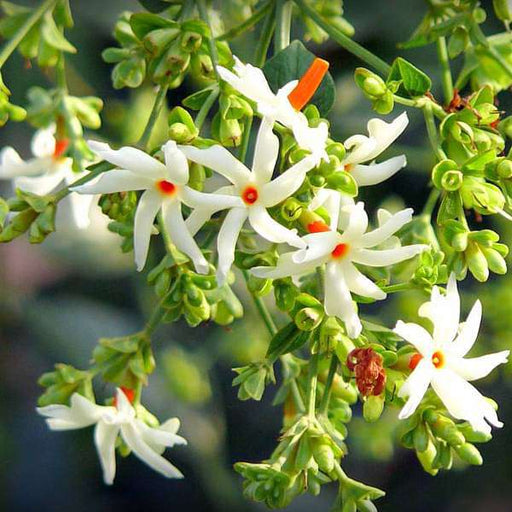
View full detailsCombo Constituents Includes the Parijat Tree (Night-Flowering Jasmine), a culturally significant plant with fragrant flowers. Description The Pari...
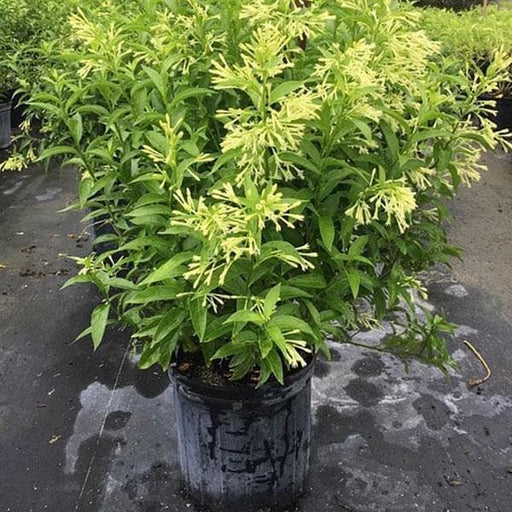
View full detailsDescription Raat Ki Rani (*Cestrum nocturnum*), also known as Night Blooming Jasmine, is a fragrant shrub native to the Caribbean and Central Ameri...
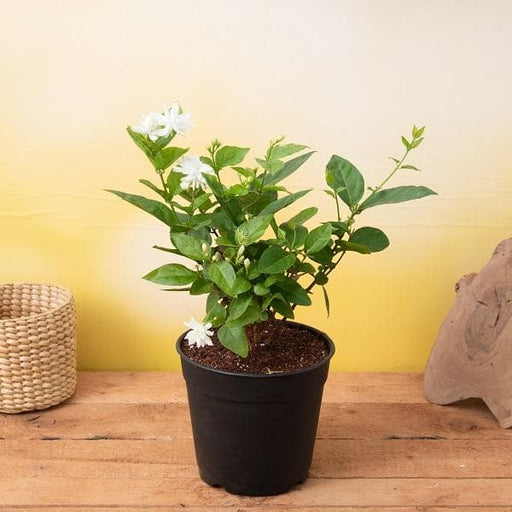
View full detailsJasminum sambac, Mogra, Arabian Jasmine - Plant Jasminum sambac, commonly known as Mogra or Arabian Jasmine, is a fragrant flowering plant...
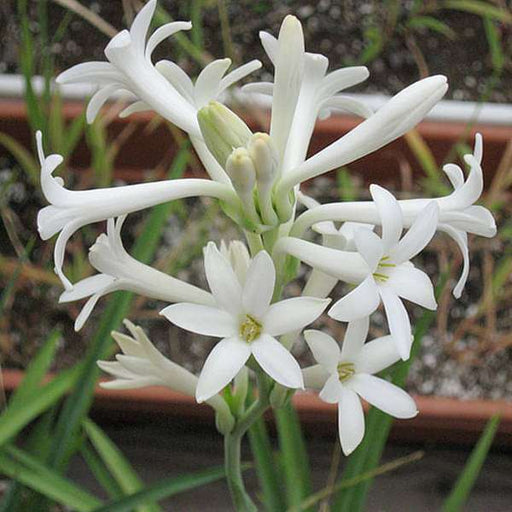
View full detailsRajnigandha, Tuberose - Plant The Rajnigandha, scientifically known as Polianthes tuberosa, is a captivating perennial plant renowned for ...
View full detailsCitronella, Odomas - Plant The Citronella plant, scientifically known as Cymbopogon nardus, is a tropical grass renowned for its aromatic ...
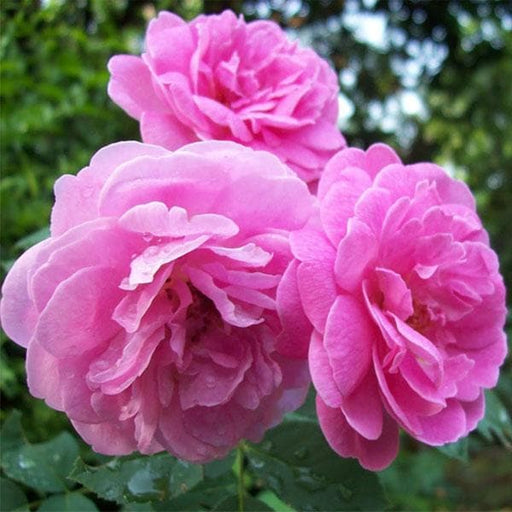
View full detailsDamascus Rose, Scented Rose (Any Color) - Plant The Damascus Rose, also known as Rosa damascena, is a timeless symbol of beauty and romanc...
View full detailsMiniature Rose, Button Rose (Any Color) - Plant The Miniature Rose, also known as the Button Rose, is a charming and compact flowering plant that ...
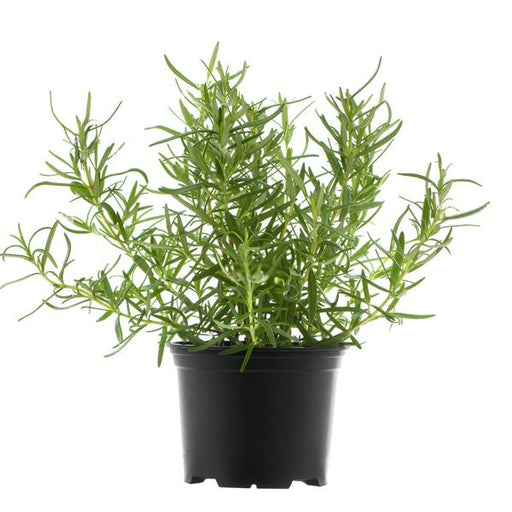
View full detailsRosemary - Plant Rosemary (Rosmarinus officinalis) is a fragrant evergreen herb native to the Mediterranean region. Known for its needle-like leav...
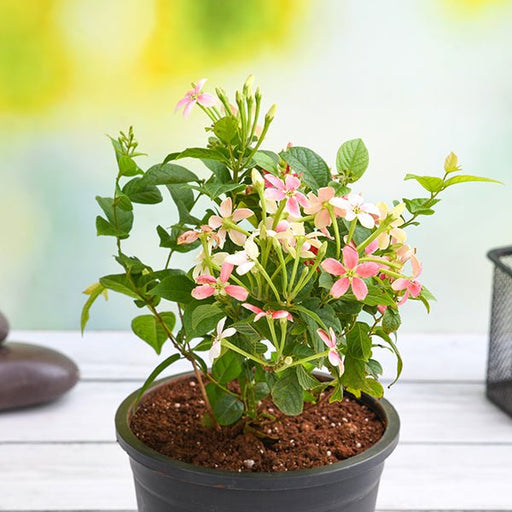
View full detailsMadhumalti Dwarf, Rangoon Creeper - Plant The Madhumalti Dwarf, also known as the Rangoon Creeper (Quisqualis indica), is a stunning perennial vin...
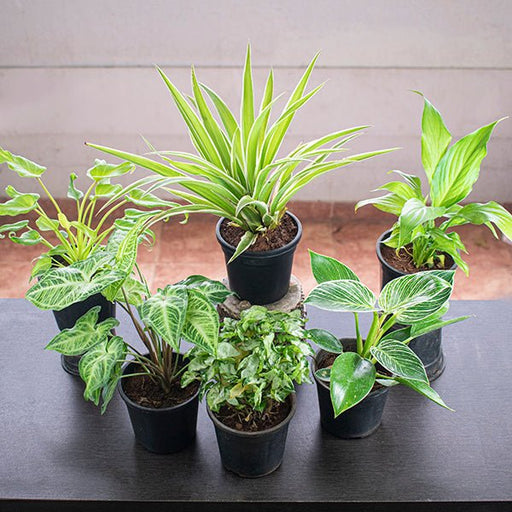
View full detailsBest 6 Plants for Perfect Indoor Garden Transform your living space into a lush oasis with our curated collection of the Best 6 Plants for a...
View full detailsBest 6 Plants for Perfect Indoor Garden Transform your living space into a lush oasis with our curated collection of the Best 6 Plants for a...
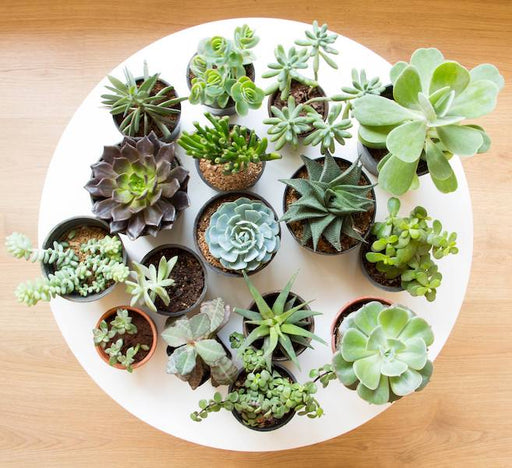
View full detailsMini Succulent Garden Pack Transform your space with our Mini Succulent Garden Pack, featuring a delightful collection of 4 any variety beautiful s...
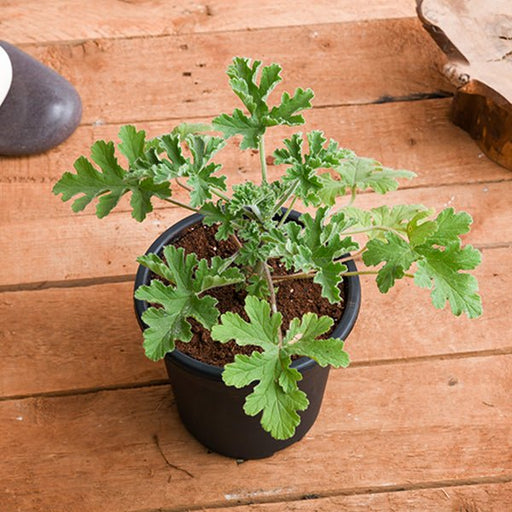
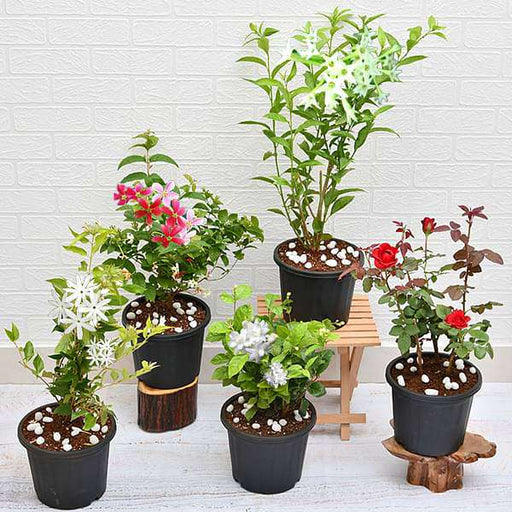
View full details5 Best Fragrant Plants Transform your garden or indoor space into a fragrant paradise with our curated selection of the 5 Best Fragrant Plants. Th...
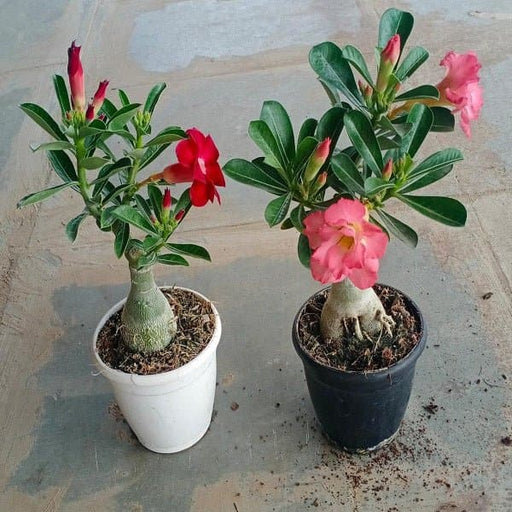
View full detailsSet of 2 Bonsai Looking Grafted Adeniums Transform your indoor or outdoor space with our exquisite Set of 2 Bonsai Looking Grafted Adenium...
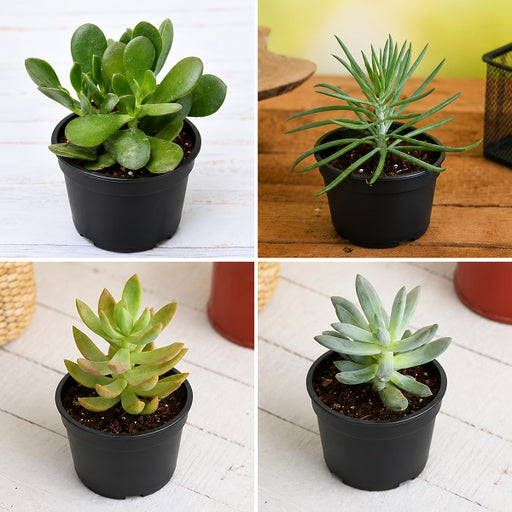
View full detailsTop 4 Die Hard Succulents Pack Note: Plants included in this pack will be delivered in a 3-inch nursery pot (any color). Transform your indoor or ...
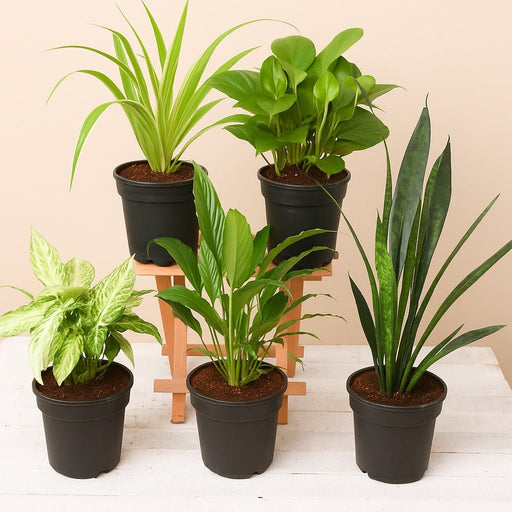
View full details5 Best Indoor Plants Pack Transform your living space into a lush oasis with our '5 Best Indoor Plants Pack.' This carefully curated collection fe...
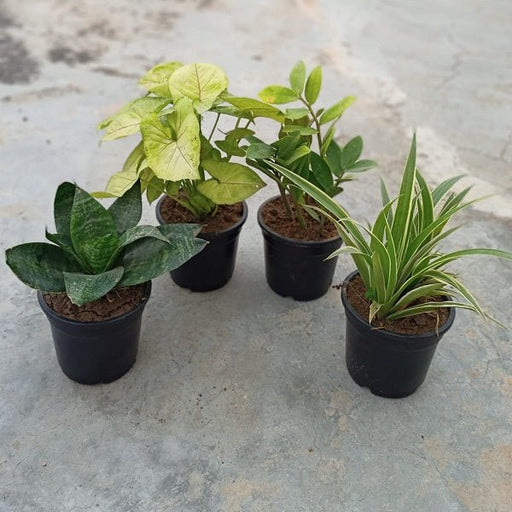
View full detailsSet of 4 Evergreen Air Purifier Plant Pack Transform your indoor space into a lush, green oasis with our Set of 4 Evergreen Air Purifier Pla...
View full detailsTop 5 Pollution Killer Plants Pack Transform your living space into a breath of fresh air with our 'Top 5 Pollution Killer Plants Pack'. This care...
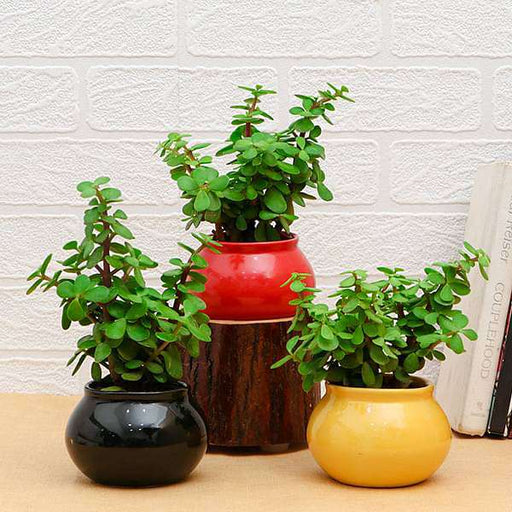
View full detailsPack of 3 Good Luck Jade Plants in Ceramic Pots Bring a touch of nature into your home with our Pack of 3 Good Luck Jade Plants, featuring...
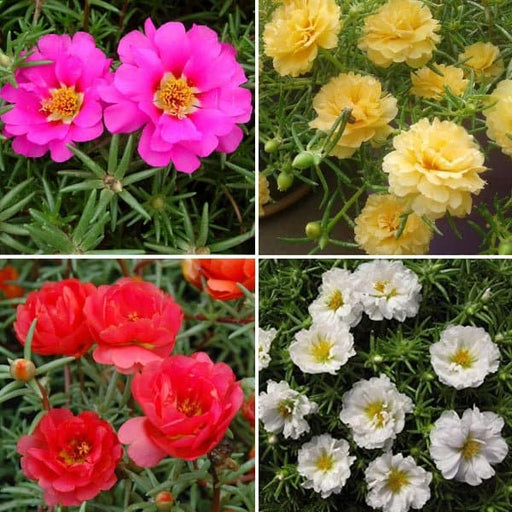
View full detailsPortulaca Garden Pack (4 Plants + 4 Black Pots) Note- You will get any color (Assorted) potted Porulaca plant with this pack. Transform your garde...
View full details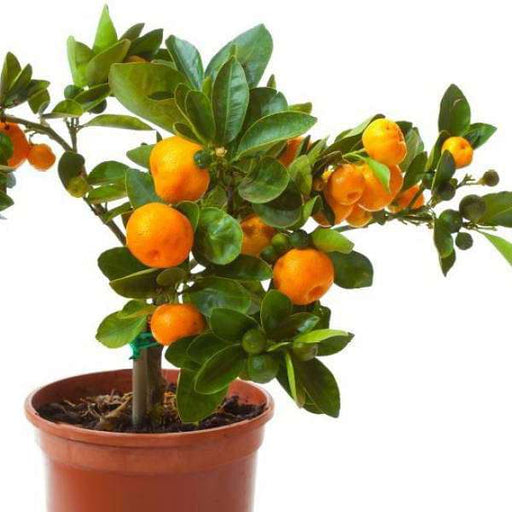






Leave a comment