
Expert Support
Available 24/7 via chat
Available 24/7 via chat
Nimboo—the humble lemon tree that graces kitchen gardens, terraces, and balconies across India—is far more than just a pretty plant. As a medicinal citrus staple in Indian households for centuries, fresh nimbu juice has earned its place in everything from morning wellness routines to traditional remedies. What makes Nimboo (also called Limboo) truly special is its remarkable resilience and year-round harvesting potential, even in containers. Whether you're a first-time gardener or an experienced plant parent, this guide will help you grow a thriving Nimboo tree that rewards your care with fragrant white blooms and abundant tart lemons.
Nimboo is a tropical citrus plant that belongs to India's gardening heritage. Our Nimboo starter plants arrive at approximately 30 inches (76 cm) tall with a 7-inch (18 cm) spread, but with proper care, they can reach heights of 2 to 4 meters, making them versatile for both compact balconies and sprawling gardens. The tree produces delicate white flowers during two main bloom cycles—February to March and again in June to July—followed by a harvest window of 2 to 3 months after flowering.
What gardeners love most about Nimboo is its dual nature: it's ornamental enough for your front porch, productive enough to supply your kitchen, and medicinal enough to justify precious garden space. The plant is rated as Easy difficulty level, making it ideal for beginners. It thrives year-round in the Indian climate, and container growing is perfectly suitable, giving you flexibility to move your tree with the seasons or harsh weather.
| Care Factor | Requirements |
|---|---|
| Light | Natural bright light with 6+ hours of morning sunlight daily |
| Watering | 4 cups (approximately 200ml) when top 1-2 inches of soil feels dry |
| Soil | Well-drained, fertile, rich in organic content |
| Temperature | 13-37°C (ideal for most Indian regions) |
Nimboo is a sun-lover, and this is non-negotiable for fruit production. Your tree needs natural bright light with a minimum of 6 hours of direct morning sunlight each day. Morning sun is particularly beneficial because it dries dew and helps prevent fungal issues common in India's humid monsoon season.
If you're growing in a pot on a balcony or terrace, place it where it catches the eastern or southeastern morning rays. In regions with intense afternoon heat (typical of central and northern India), some afternoon shade is actually protective—your Nimboo will still thrive, but the fruit will be less prone to sunscald, and the tree will experience less heat stress during peak summer. In coastal or perpetually warm zones, morning sun plus dappled afternoon shade creates ideal conditions.
Insufficient light is one of the few things that will truly hamper Nimboo growth. If leaves look pale or sparse, or if the tree isn't flowering, inadequate light is usually the culprit. Move it to a brighter location; you'll see flowering and fruiting improve within weeks.
The golden rule for Nimboo: water when the top 1 to 2 inches of soil feels dry to touch. This typically means applying 4 cups (approximately 200ml) of water each time. For container-grown trees, check soil moisture every 2-3 days during the growing season (December through February) and every 4-5 days during dormancy or cooler months.
During India's monsoon season, reduce watering frequency significantly. Excess rainfall and humidity create waterlogging risk, which invites root rot. Ensure your pot has drainage holes and that water doesn't pool around the base. If your region receives heavy monsoon rains, you may not need to water at all some weeks.
Hard water—common in parts of Delhi, Gujarat, and Rajasthan—can accumulate salts and affect nutrient uptake over time. If possible, use collected rainwater or filtered water for your Nimboo. Never let the soil dry out completely during flowering and fruit development, as this causes flower and fruit drop. Conversely, waterlogging is far more damaging than occasional dry spells. Your Nimboo is more forgiving of neglect than of overindulgence with the watering can.
Nimboo demands well-drained, fertile soil rich in organic matter. If planting in the ground, amend native soil with 3-4 inches of compost or aged manure. For container growing, use a high-quality potting mix blended with additional organic matter—a ratio of 60% potting mix to 40% compost works well. Proper drainage is critical; poor drainage is the fastest way to kill a Nimboo tree.
Feeding is straightforward: apply organic fertilizer once a month during the main growing season, typically December through February. This timing aligns with India's cool season when the plant is actively putting out new growth. Organic options like neem cake, vermicompost, or balanced organic fertilizers (5-5-5 or similar NPK ratio) support steady, sustainable growth and fruit production without the salt accumulation that mineral fertilizers can cause in Indian soils.
Nimboo thrives across India's diverse climates within the temperature range of 13 to 37 degrees Celsius. This broad range covers everything from the cool Himalayan foothills to the intense heat of the Deccan plateau. The tree is remarkably resilient across India's varying humidity levels as well.
Monsoon humidity is generally beneficial, though it increases fungal disease risk if air circulation is poor. If your tree is in a sheltered spot, ensure air can move around foliage to keep leaves dry. During India's dry season and scorching summers, consistent watering and mulching (2-3 inches of organic mulch around the base) help retain soil moisture and keep roots cooler, protecting the tree from heat stress.
Nimboo can be propagated from seeds or cuttings, though cuttings root faster and produce fruit-bearing plants sooner. To propagate from seeds, extract seeds from fresh lemons, rinse well, and sow in moist seed-starting mix. Keep soil warm and moist until germination occurs in 1-2 weeks.
For cutting propagation, take 4-6 inch semi-hardwood cuttings from young growth. Treat with rooting hormone, insert into moist seed-starting mix or sand, and maintain high humidity using a plastic cover. Roots typically develop in 3-4 weeks. Once rooted cuttings are established (8-10 weeks), transfer to potting mix and grow them to planting size.
Nimboo is resilient, but watch for these issues: citrus psyllids (tiny insects that cause leaf mottling and spread disease) require neem oil sprays if detected early. Scale insects and mealybugs occasionally appear; spray with insecticidal soap or neem oil fortnightly until resolved. Yellow leaves often signal overwatering, nutrient deficiency, or poor drainage—check soil moisture and improve drainage if needed. Leaf drop during extreme summer heat is sometimes normal, but consistent watering and partial shade reduce stress.
Nimboo's year-round harvesting is one of its greatest gifts. The tree flowers twice annually—once in cooler months (February-March) and again during the warm season (June-July). This means you can harvest fresh nimbu multiple times per year. Lemons are ready to pick 2 to 3 months after flowering; they should be firm and have a slight give when squeezed.
Mulch your tree with organic matter—coconut husk, leaf litter, or aged compost—to retain moisture during Indian summers and suppress weeds. For container plants, repot every 2-3 years into slightly larger pots with fresh soil to refresh nutrients. Container growing offers a huge advantage in India: you can move your Nimboo indoors or under shelter during unseasonal cold snaps or hail, protecting the tree entirely.
Remember that Nimboo is medicinal. Beyond culinary use, fresh nimbu juice is a cornerstone of Indian wellness traditions. A single thriving tree will supply more than enough lemons for your household's cooking, health remedies, and even sharing with neighbors—a true mark of a gardener's generosity in Indian culture.
Ready to grow your own? Shop Nimboo at Nurserylive →
Nimboo, Lemon Tree - Plant The Nimboo, or Lemon Tree, is a delightful addition to any garden or indoor space. Known scientifically as Citr...
View full detailsCombo Constituents Includes the Parijat Tree (Night-Flowering Jasmine), a culturally significant plant with fragrant flowers. Description The Pari...
View full detailsDescription Raat Ki Rani (*Cestrum nocturnum*), also known as Night Blooming Jasmine, is a fragrant shrub native to the Caribbean and Central Ameri...
View full detailsJasminum sambac, Mogra, Arabian Jasmine - Plant Jasminum sambac, commonly known as Mogra or Arabian Jasmine, is a fragrant flowering plant...
View full detailsRajnigandha, Tuberose - Plant The Rajnigandha, scientifically known as Polianthes tuberosa, is a captivating perennial plant renowned for ...
View full detailsCitronella, Odomas - Plant The Citronella plant, scientifically known as Cymbopogon nardus, is a tropical grass renowned for its aromatic ...
View full detailsDamascus Rose, Scented Rose (Any Color) - Plant The Damascus Rose, also known as Rosa damascena, is a timeless symbol of beauty and romanc...
View full detailsMiniature Rose, Button Rose (Any Color) - Plant The Miniature Rose, also known as the Button Rose, is a charming and compact flowering plant that ...
View full detailsRosemary - Plant Rosemary (Rosmarinus officinalis) is a fragrant evergreen herb native to the Mediterranean region. Known for its needle-like leav...
View full detailsMadhumalti Dwarf, Rangoon Creeper - Plant The Madhumalti Dwarf, also known as the Rangoon Creeper (Quisqualis indica), is a stunning perennial vin...
View full detailsBest 6 Plants for Perfect Indoor Garden Transform your living space into a lush oasis with our curated collection of the Best 6 Plants for a...
View full detailsBest 6 Plants for Perfect Indoor Garden Transform your living space into a lush oasis with our curated collection of the Best 6 Plants for a...
View full detailsMini Succulent Garden Pack Transform your space with our Mini Succulent Garden Pack, featuring a delightful collection of 4 any variety beautiful s...
View full details5 Best Fragrant Plants Transform your garden or indoor space into a fragrant paradise with our curated selection of the 5 Best Fragrant Plants. Th...
View full detailsSet of 2 Bonsai Looking Grafted Adeniums Transform your indoor or outdoor space with our exquisite Set of 2 Bonsai Looking Grafted Adenium...
View full detailsTop 4 Die Hard Succulents Pack Note: Plants included in this pack will be delivered in a 3-inch nursery pot (any color). Transform your indoor or ...
View full details5 Best Indoor Plants Pack Transform your living space into a lush oasis with our '5 Best Indoor Plants Pack.' This carefully curated collection fe...
View full detailsSet of 4 Evergreen Air Purifier Plant Pack Transform your indoor space into a lush, green oasis with our Set of 4 Evergreen Air Purifier Pla...
View full detailsTop 5 Pollution Killer Plants Pack Transform your living space into a breath of fresh air with our 'Top 5 Pollution Killer Plants Pack'. This care...
View full detailsPack of 3 Good Luck Jade Plants in Ceramic Pots Bring a touch of nature into your home with our Pack of 3 Good Luck Jade Plants, featuring...
View full detailsPortulaca Garden Pack (4 Plants + 4 Black Pots) Transform your garden into a vibrant oasis with our Portulaca Garden Pack, featuring four ...
View full details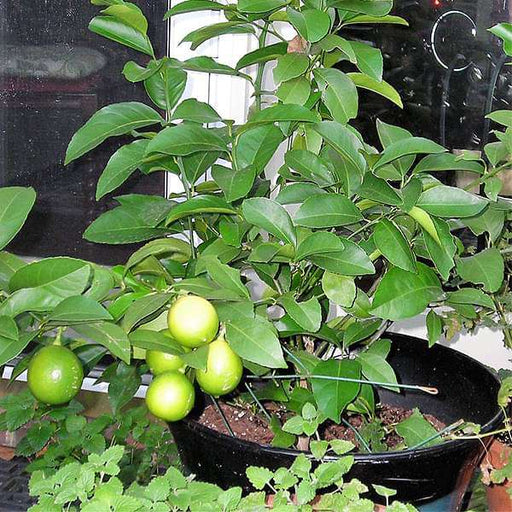























Leave a comment