
Expert Support
Available 24/7 via chat
Available 24/7 via chat
The Boston Fern, scientifically known as Nephrolepis exaltata bostoniensis, is one of the most beloved indoor houseplants in Indian homes. With its graceful, feathery fronds that can reach up to 1 meter in length, this classic fern brings an instant tropical feel to any space. What makes it truly special is how forgiving it is—despite its delicate appearance, the Boston Fern thrives with basic care, making it perfect for beginners and experienced plant parents alike. Better yet, it's completely pet-safe, so your furry friends can share the same space without any worry. In this guide, we'll walk you through everything you need to know to keep your Boston Fern flourishing in India's unique climate.
The Boston Fern (Nephrolepis exaltata bostoniensis) goes by many names across India—Sword Fern, Fishbone Fern, Boston Swordfern, and even the poetic Tuber Ladder Fern. Originating from tropical and subtropical regions, this non-flowering fern is purely a foliage plant, prized for its graceful, feathery fronds. Unlike flowering houseplants, the Boston Fern's beauty lies entirely in its lush, arching foliage that creates movement and life in indoor and outdoor spaces. It's categorized as an easy-to-grow plant, making it ideal for those just starting their plant journey.
| Aspect | Care Level |
|---|---|
| Light | Natural indirect or artificial bright light |
| Watering | 4 cups (~200 ml) when topsoil 1–2 inches feels dry |
| Soil | Well-drained, fertile, rich in organic matter |
| Temperature | 15–27°C (optimal range) |
| Humidity | High humidity preferred |
| Fertilizer | Organic fertilizer once a month |
| Difficulty | Easy |
The Boston Fern prefers natural, indirect light—think of replicating the dappled light it receives beneath tropical forest canopies. If you're keeping it indoors, place it near an east-facing or north-facing window where it receives bright, filtered light throughout the day. South or west-facing windows work too, but use a sheer curtain to soften the intense afternoon sun, especially during Indian summers. If natural light is limited, your Boston Fern adapts well to artificial bright light, making it perfect for office desks or interior corners with good LED lighting. Avoid direct sunlight, as the harsh rays can scorch the delicate fronds, turning them brown and crispy.
Water is the Boston Fern's best friend, but overwatering is the most common mistake. The key is to check the topsoil—when the top 1 to 2 inches feel dry to touch, it's time to water. At that point, apply approximately 4 cups (200 ml) of water. During India's monsoon season, when humidity is naturally high and soil retains more moisture, reduce watering frequency. Conversely, during dry seasons or when using air conditioning indoors, you may need to water more frequently. Always use room-temperature water if possible, and if your area has hard water (common in many Indian regions), consider collecting rainwater or allowing tap water to sit overnight to help reduce chlorine and lime content. Ensure your pot has drainage holes to prevent waterlogging.
Your Boston Fern thrives in soil that is both well-drained and fertile, with rich organic content. A good indoor plant soil mix combined with added peat moss or coconut coir works wonderfully, ensuring the soil retains some moisture while allowing excess water to drain. Apply organic fertilizer once a month during the growing season (spring and summer). This could be well-decomposed compost, organic plant food, or a balanced organic fertilizer. Avoid chemical fertilizers, which can accumulate salts and damage the fern's sensitive roots. Organic feeding not only nourishes the plant but also maintains healthy soil microbiology.
The Boston Fern's ideal temperature range is 15 to 27°C. In most Indian homes, especially in plains and lower elevations, summer temperatures frequently exceed this range. When indoor temperatures rise above 27°C consistently, consider placing your fern in the coolest part of your home, near an air-conditioned room, or moving it outdoors to a shaded spot. During winters, protect it from cold drafts and temperatures below 15°C. Humidity is equally important—Boston Ferns love it. In India's monsoon season, humidity levels naturally favor the plant. During drier months, mist the fronds regularly with water, or place the pot on a pebble tray with shallow water (ensuring the pot doesn't sit directly in water). Grouping multiple plants together also raises local humidity. If possible, avoid placing the fern near heating vents or fans that dry out the air.
The Boston Fern reproduces through spores naturally, but in home gardening, the easiest method is division or propagation through runners. If your fern has developed multiple crowns or has outgrown its pot, divide it during spring by gently separating the root ball and potting each section in fresh soil. Some Boston Ferns develop stolons (above-ground runners) with baby plantlets attached. Once these plantlets develop roots, you can separate and pot them independently. Keep the newly potted plantlets in high humidity and indirect light until they're established.
Brown or crispy fronds: Usually caused by low humidity, dry air, or exposure to direct sunlight. Increase misting frequency, relocate the plant away from direct sun rays, and consider placing it on a pebble tray with water. Also check if you're using hard water—switching to filtered or rainwater can help.
Yellowing leaves: May indicate overwatering or poor drainage. Check soil moisture and ensure the pot drains well.
Pest issues (though rare on Boston Ferns): Spider mites and mealybugs can appear in dry conditions. Increase humidity and inspect regularly.
Stunted growth: Often a sign of insufficient light or infrequent feeding. Ensure bright indirect light and feed with organic fertilizer monthly during the growing season.
Rotate your Boston Fern every two weeks to encourage even, symmetrical growth. Gently wipe mature fronds with a damp cloth (not commercial leaf shine) to remove dust and improve the plant's ability to photosynthesize. Repot your fern every 12 to 18 months, preferably in spring, using fresh, organic-rich soil. The Boston Fern thrives best when grouped with other plants—they collectively create a microclimate of higher humidity. In India's monsoon season, slightly reduce watering to prevent root rot, and ensure always good drainage. Finally, patience is key—this easy-to-grow plant rewards consistent, gentle care with lush, vibrant fronds.
Ready to grow your own? Shop Nephrolepis exaltata bosteniensis at Nurserylive →
Nephrolepis exaltata 'Bosteniensis' - Boston Fern The Boston Fern, scientifically known as Nephrolepis exaltata 'Bosteniensis', is a lush,...
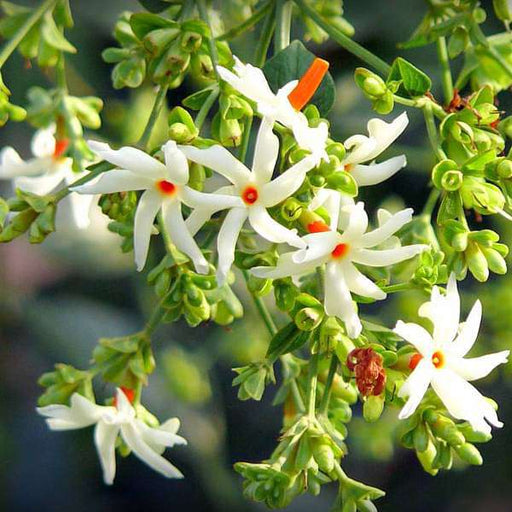
View full detailsCombo Constituents Includes the Parijat Tree (Night-Flowering Jasmine), a culturally significant plant with fragrant flowers. Description The Pari...
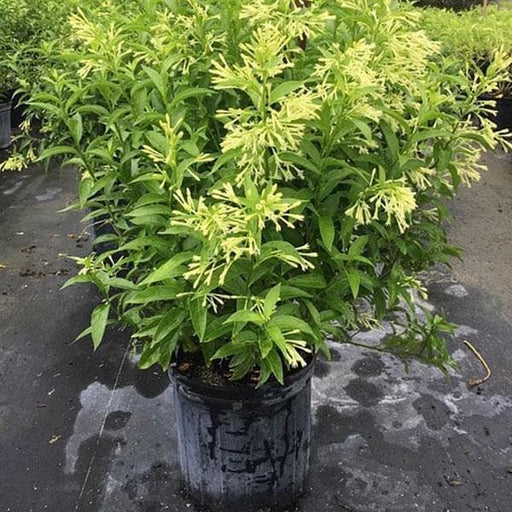
View full detailsDescription Raat Ki Rani (*Cestrum nocturnum*), also known as Night Blooming Jasmine, is a fragrant shrub native to the Caribbean and Central Ameri...
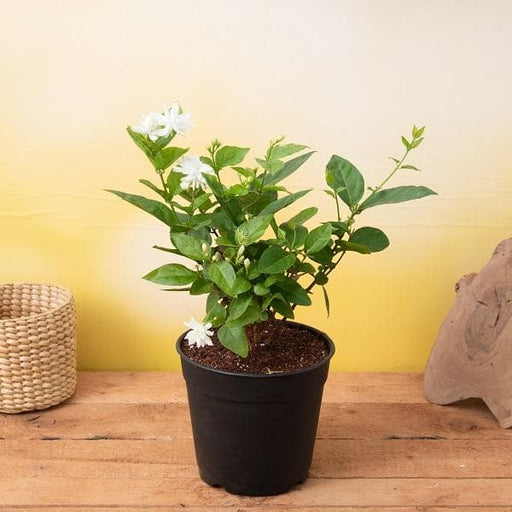
View full detailsJasminum sambac, Mogra, Arabian Jasmine - Plant Jasminum sambac, commonly known as Mogra or Arabian Jasmine, is a fragrant flowering plant...
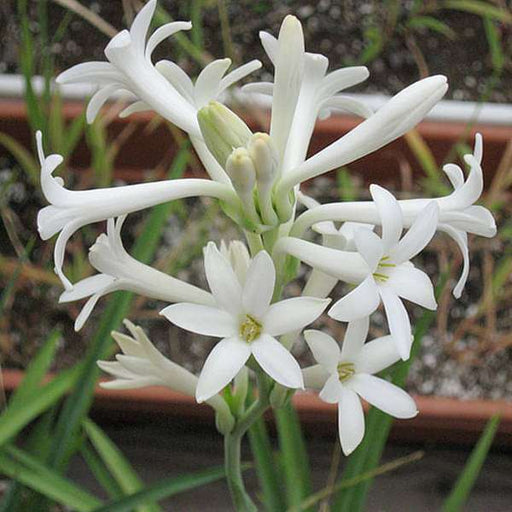
View full detailsRajnigandha, Tuberose - Plant The Rajnigandha, scientifically known as Polianthes tuberosa, is a captivating perennial plant renowned for ...
View full detailsCitronella, Odomas - Plant The Citronella plant, scientifically known as Cymbopogon nardus, is a tropical grass renowned for its aromatic ...
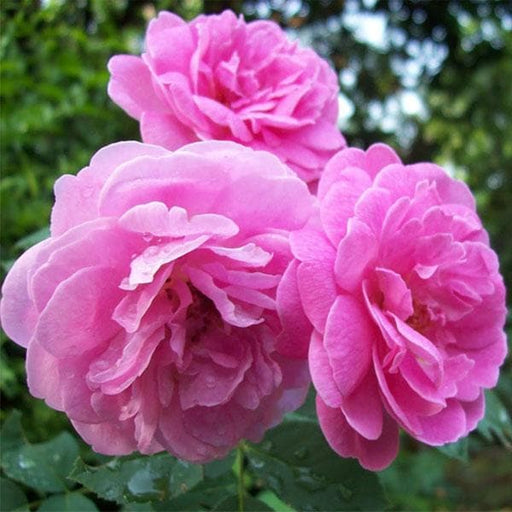
View full detailsDamascus Rose, Scented Rose (Any Color) - Plant The Damascus Rose, also known as Rosa damascena, is a timeless symbol of beauty and romanc...
View full detailsMiniature Rose, Button Rose (Any Color) - Plant The Miniature Rose, also known as the Button Rose, is a charming and compact flowering plant that ...
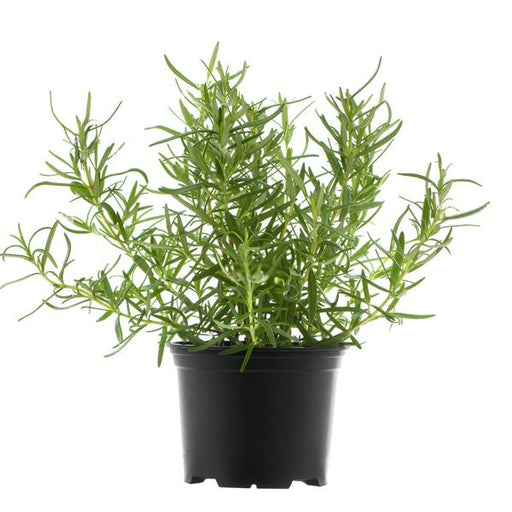
View full detailsRosemary - Plant Rosemary (Rosmarinus officinalis) is a fragrant evergreen herb native to the Mediterranean region. Known for its needle-like leav...
View full detailsMadhumalti Dwarf, Rangoon Creeper - Plant The Madhumalti Dwarf, also known as the Rangoon Creeper (Quisqualis indica), is a stunning perennial vin...
View full detailsBest 6 Plants for Perfect Indoor Garden Transform your living space into a lush oasis with our curated collection of the Best 6 Plants for a...
View full detailsBest 6 Plants for Perfect Indoor Garden Transform your living space into a lush oasis with our curated collection of the Best 6 Plants for a...
View full detailsMini Succulent Garden Pack Transform your space with our Mini Succulent Garden Pack, featuring a delightful collection of 4 any variety beautiful s...
View full details5 Best Fragrant Plants Transform your garden or indoor space into a fragrant paradise with our curated selection of the 5 Best Fragrant Plants. Th...
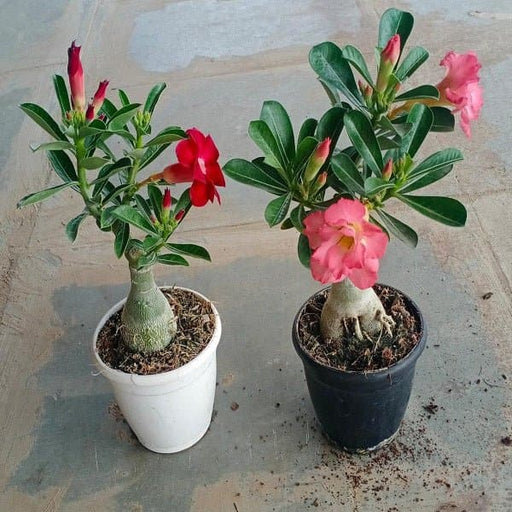
View full detailsSet of 2 Bonsai Looking Grafted Adeniums Transform your indoor or outdoor space with our exquisite Set of 2 Bonsai Looking Grafted Adenium...
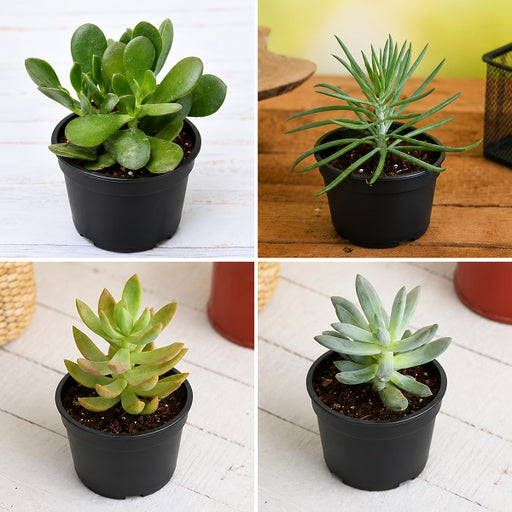
View full detailsTop 4 Die Hard Succulents Pack Note: Plants included in this pack will be delivered in a 3-inch nursery pot (any color). Transform your indoor or ...
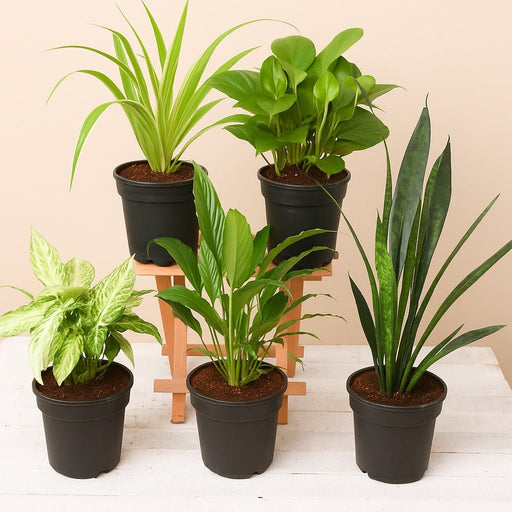
View full details5 Best Indoor Plants Pack Transform your living space into a lush oasis with our '5 Best Indoor Plants Pack.' This carefully curated collection fe...
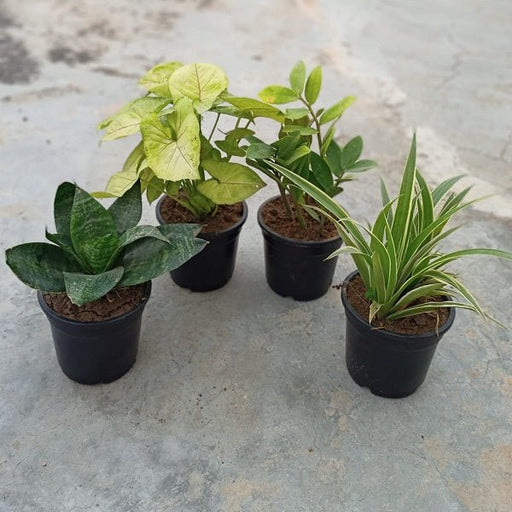
View full detailsSet of 4 Evergreen Air Purifier Plant Pack Transform your indoor space into a lush, green oasis with our Set of 4 Evergreen Air Purifier Pla...
View full detailsTop 5 Pollution Killer Plants Pack Transform your living space into a breath of fresh air with our 'Top 5 Pollution Killer Plants Pack'. This care...
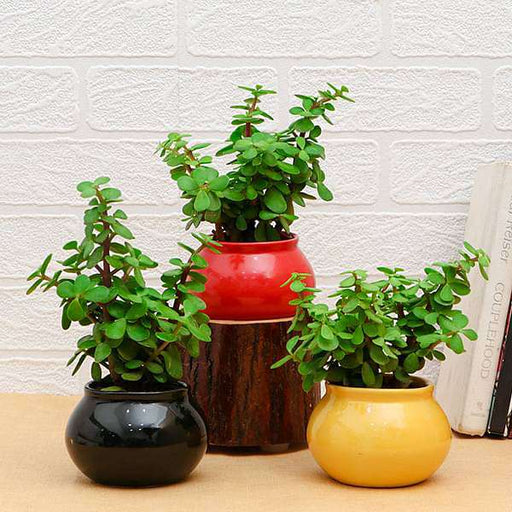
View full detailsPack of 3 Good Luck Jade Plants in Ceramic Pots Bring a touch of nature into your home with our Pack of 3 Good Luck Jade Plants, featuring...
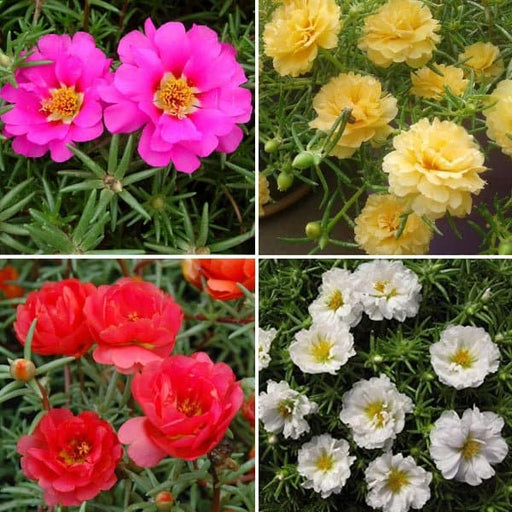
View full detailsPortulaca Garden Pack (4 Plants + 4 Black Pots) Note- You will get any color (Assorted) potted Porulaca plant with this pack. Transform your garde...
View full details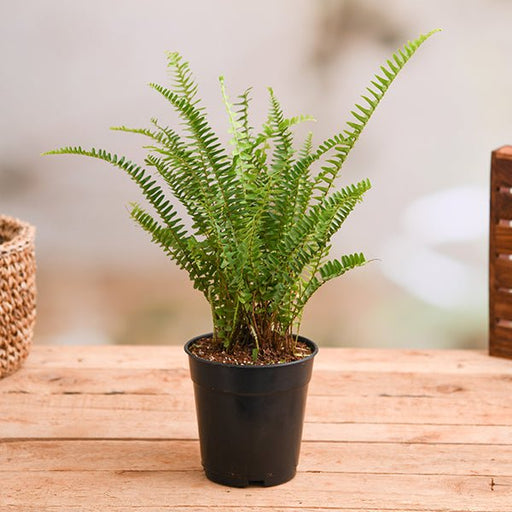






Leave a comment